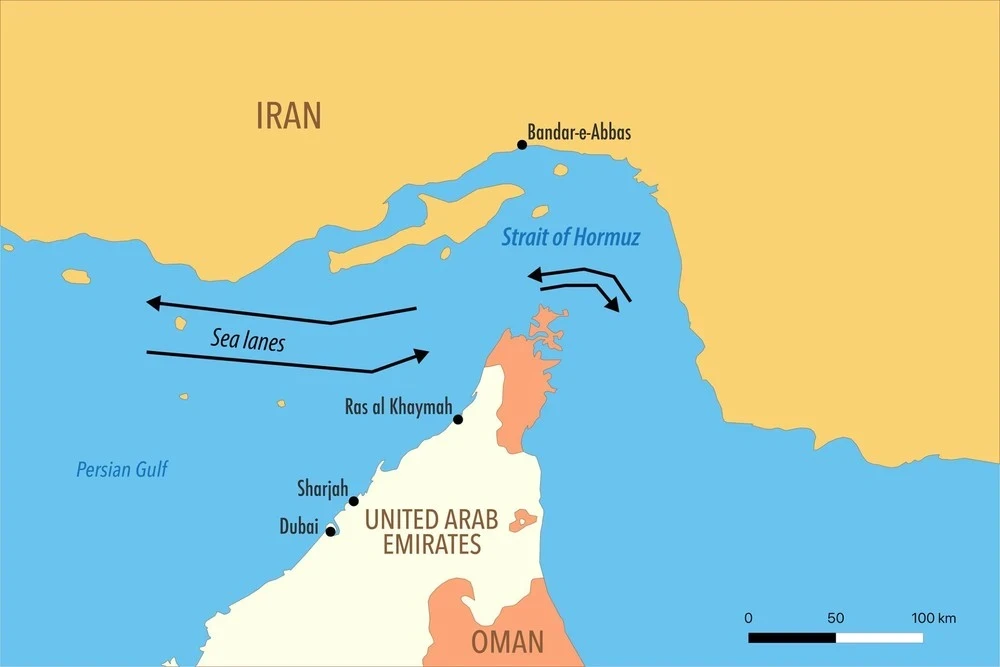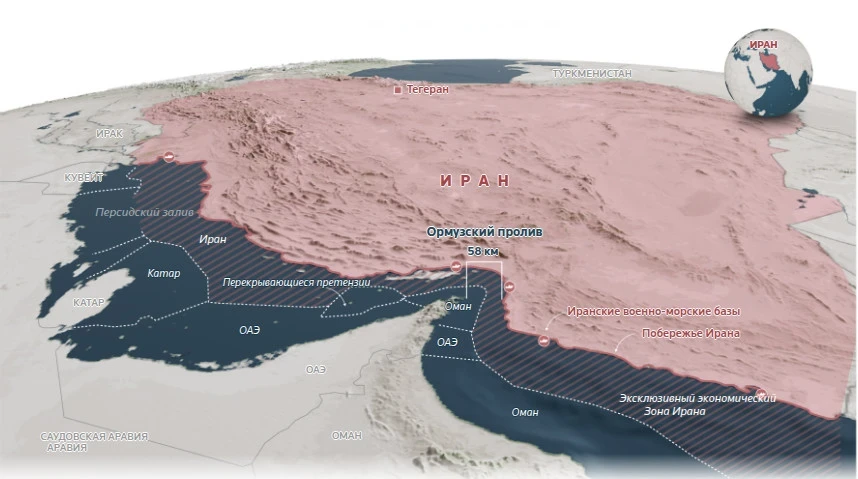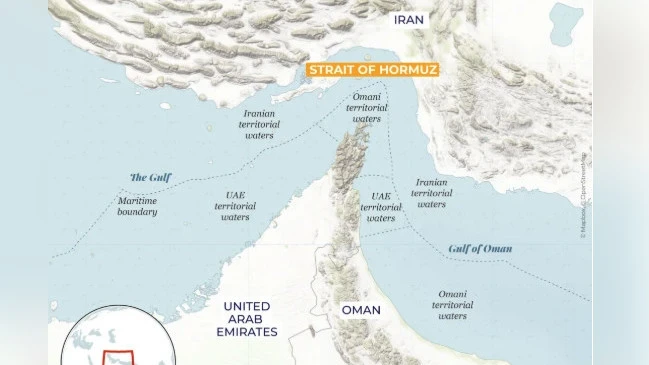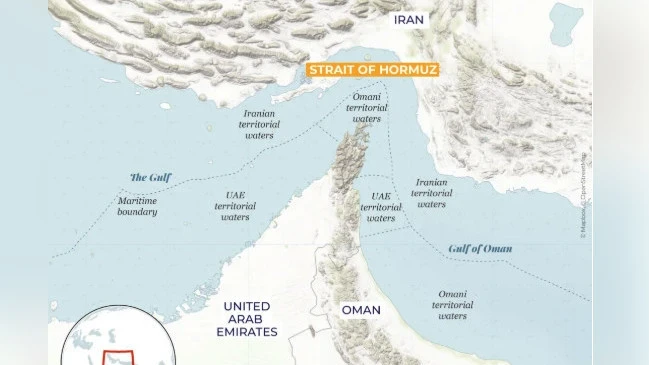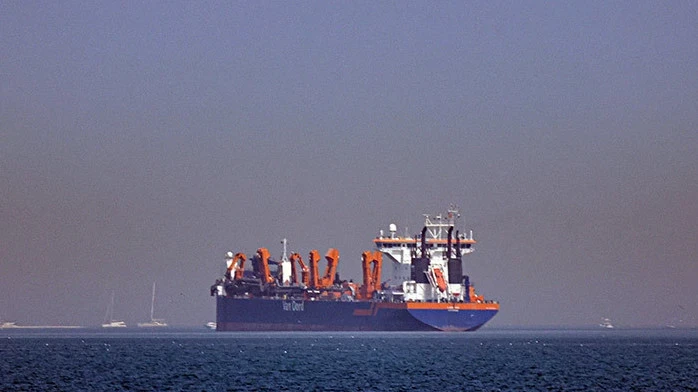
Data analysis on shipping shows that in the last 24 hours, only two cargo ships have passed through the Strait of Hormuz, indicating a sharp decline in trade operations. The JMIC report emphasizes that this effectively means a complete cessation of commercial shipping in the region.
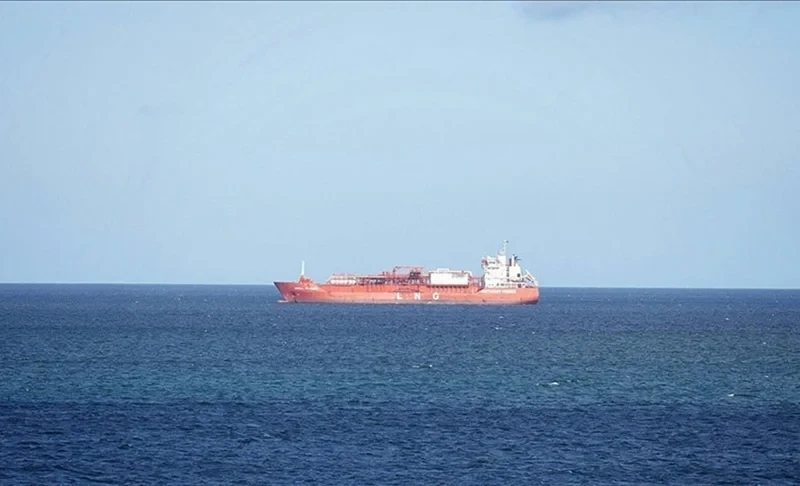
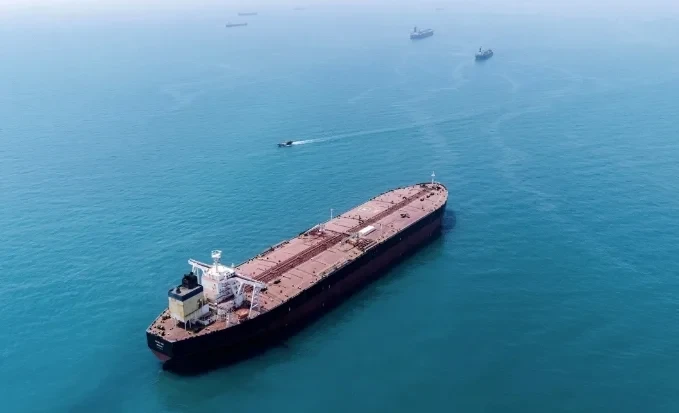
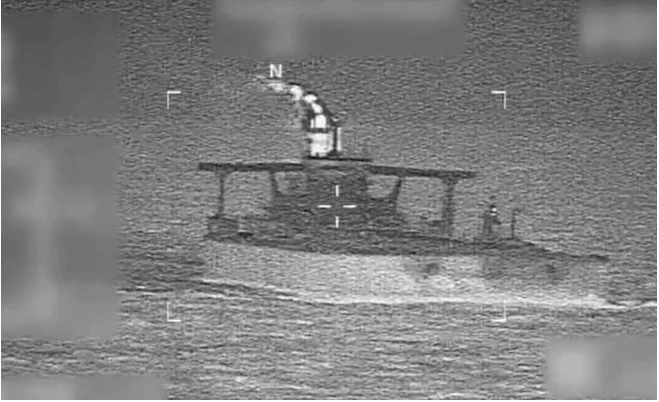
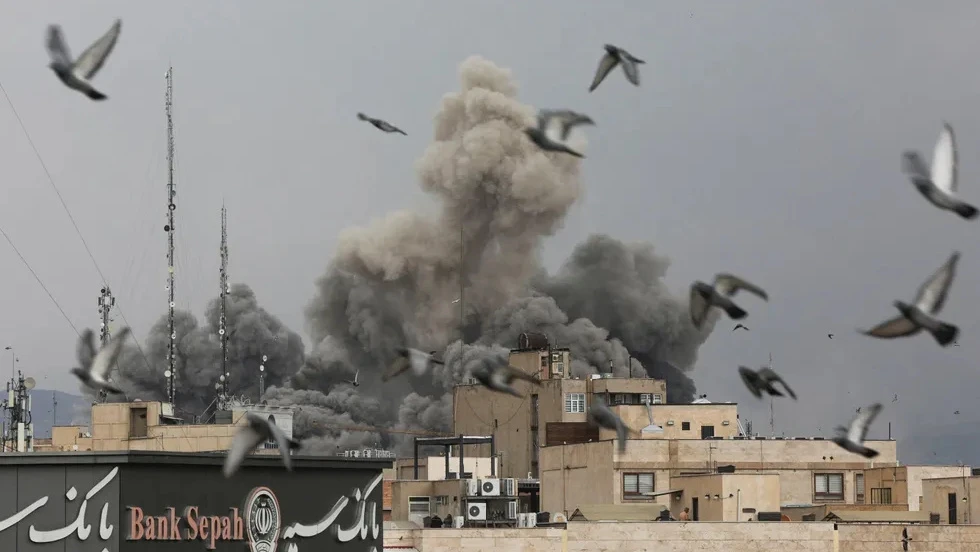
The Strait of Hormuz, which plays a crucial role in international trade, especially in the transportation of oil and other goods, has come under scrutiny due to military conflicts in the Middle East. As a result, dozens of tankers fully loaded with oil and gas are stuck in the Persian Gulf, as passage through the strait has become extremely risky due to attacks on vessels.
Iran's Foreign Minister Abbas Araghchi stated that Iranian military forces have not yet decided to block the Strait of Hormuz, but such a measure cannot be ruled out in the future. He noted that vessels are avoiding passage through the strait due to concerns. Earlier, Iranian military officials threatened to sink ships attempting to pass through this strategically important route.
This week, the United States announced its intention to offer naval escorts to ships, as international insurers began to refuse coverage for military risks. However, shipowners have not yet received reliable guarantees, according to Bloomberg.
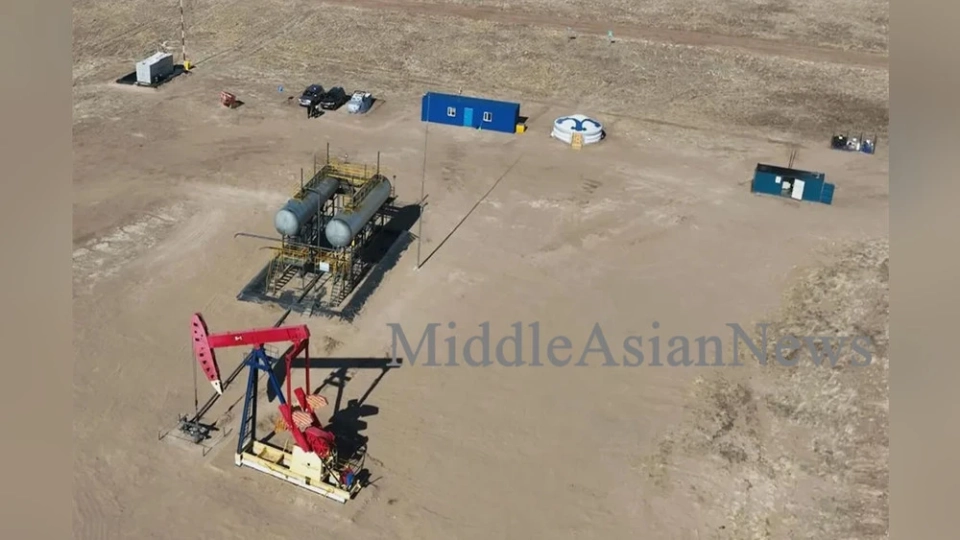
Meanwhile, the price of Brent crude oil reached its highest level since July 5, 2024, recovering from a recent decline. As of 12:54 Moscow time, the price of May futures for Brent on the London ICE Futures exchange was $87.21 per barrel, which is $1.80 (2.11%) higher than the closing level of the previous session.
April WTI oil futures on the New York Mercantile Exchange (NYMEX) increased by $3.52 (4.35%), reaching $84.53 per barrel.