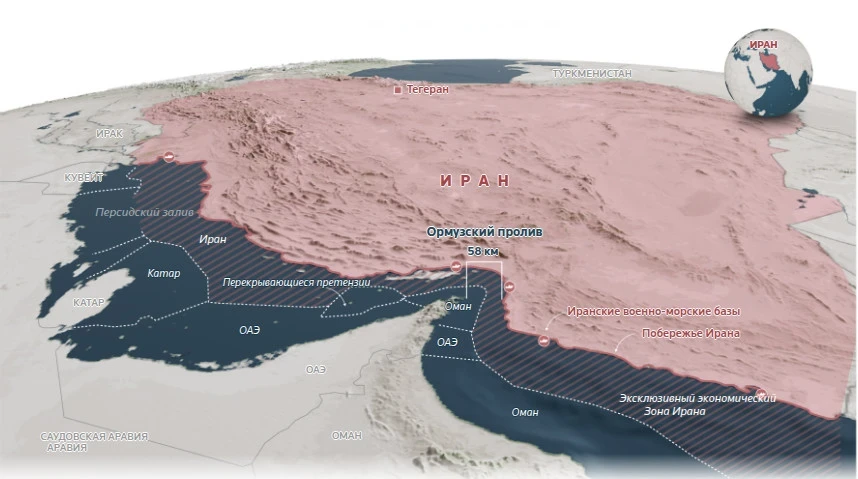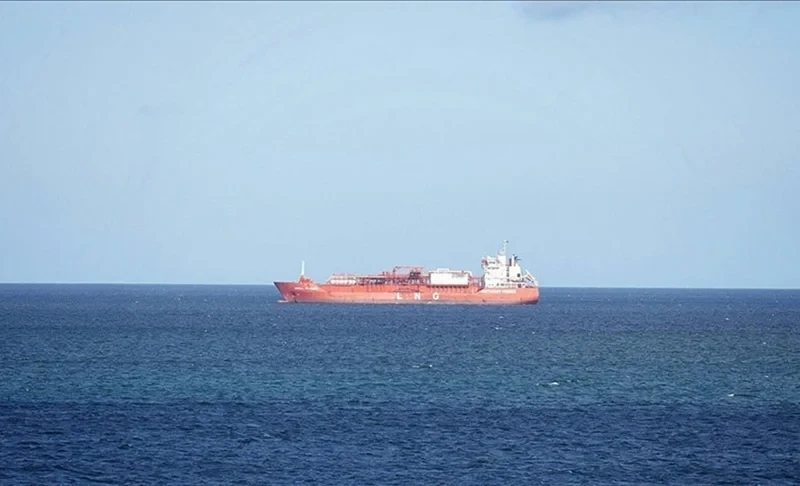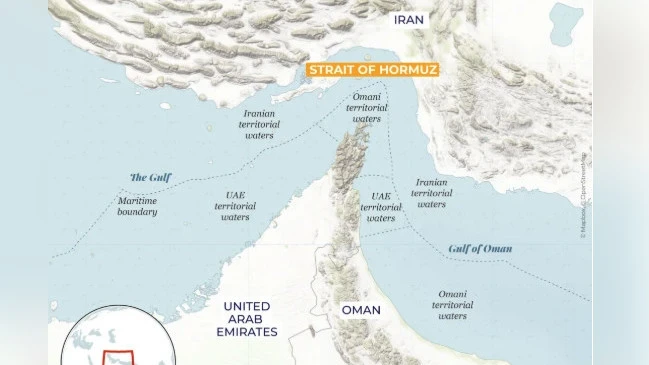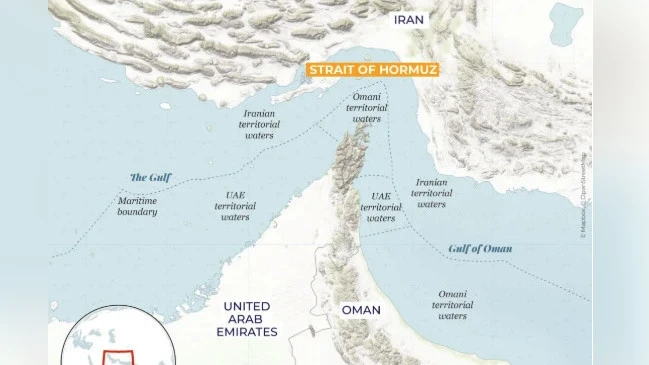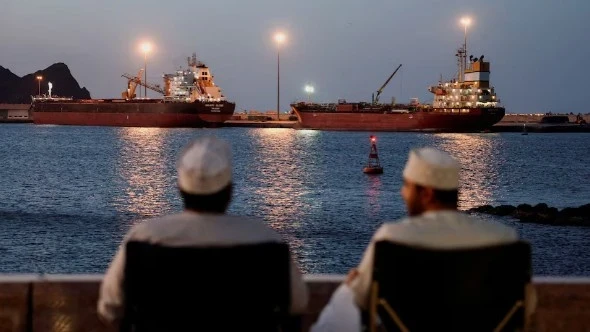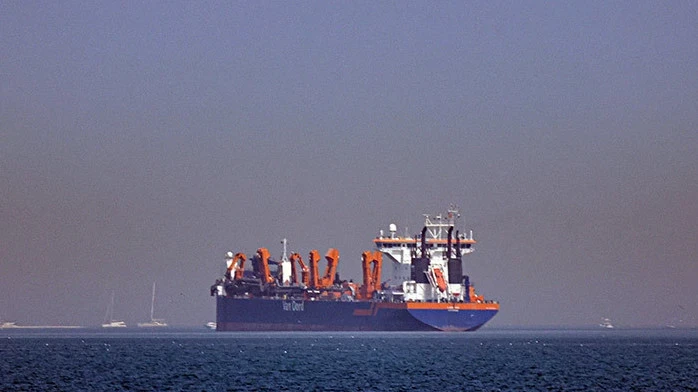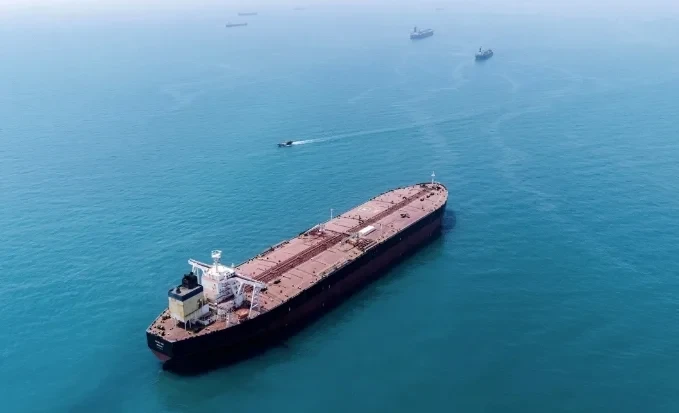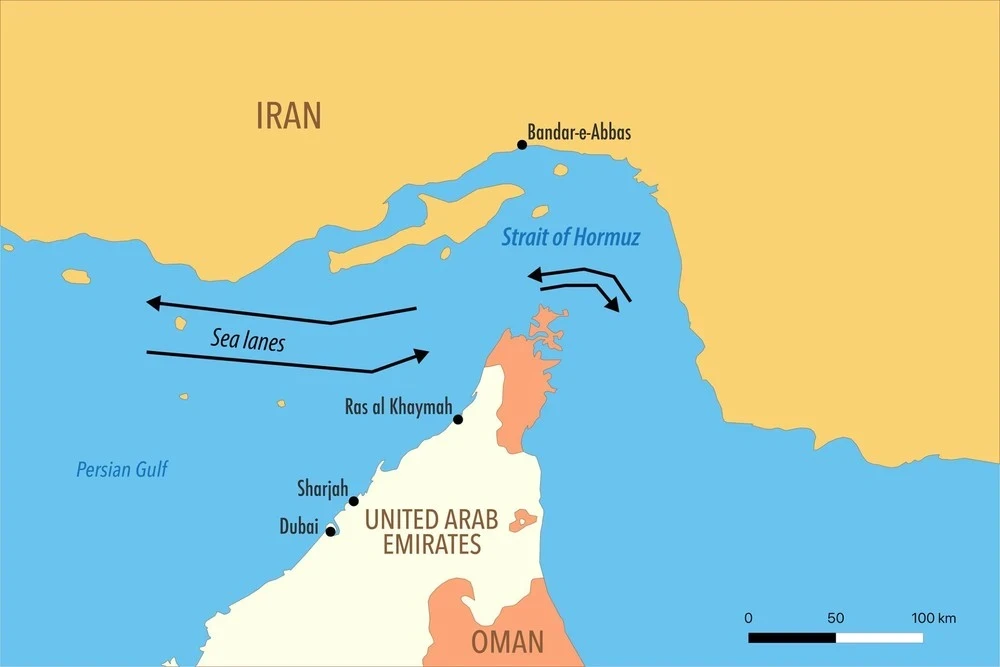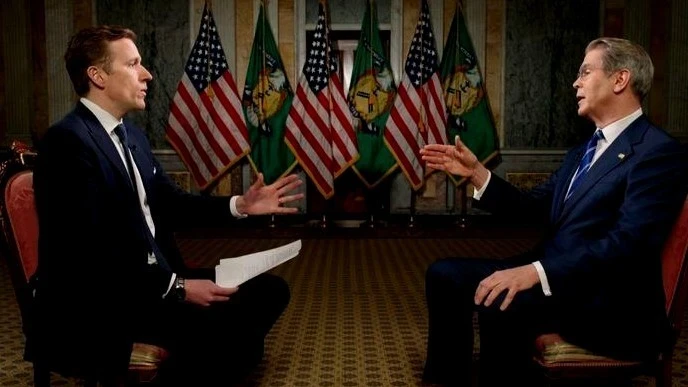
Bessent noted that tankers are already passing through the Strait of Hormuz, including Iranian and Chinese-flagged vessels, indicating the absence of mining in this waterway.
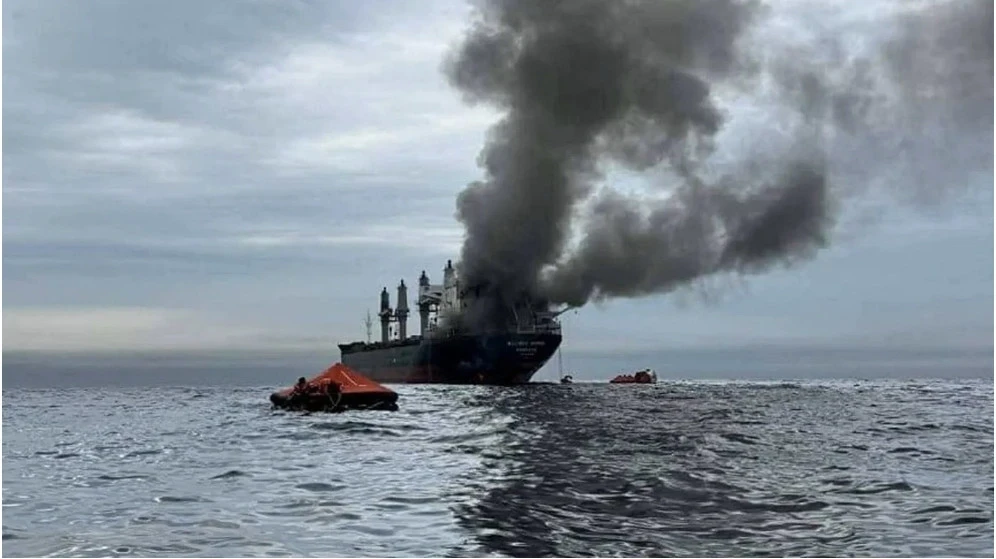
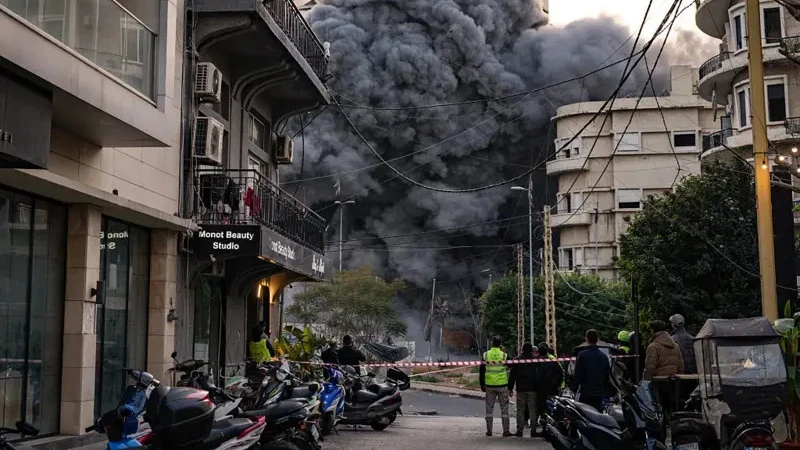
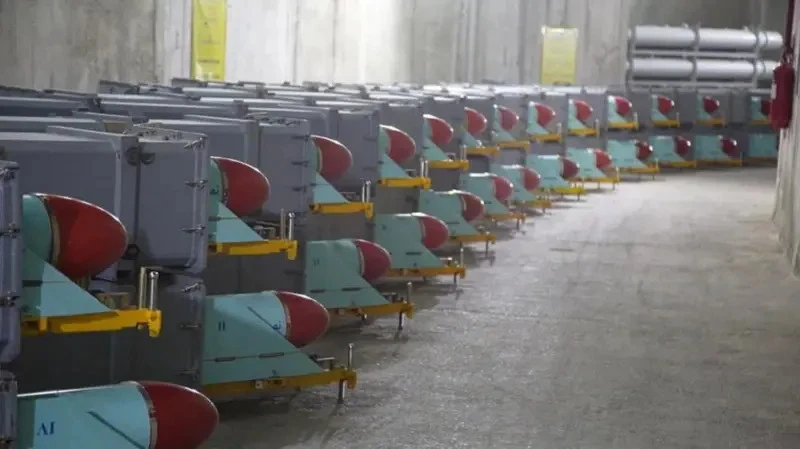
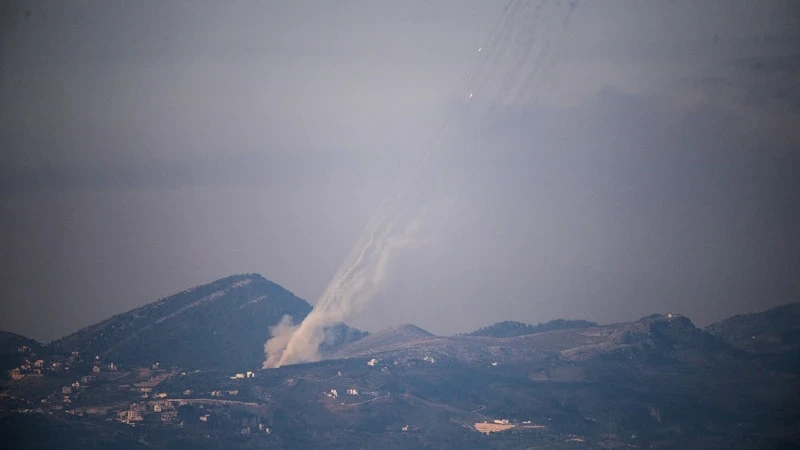
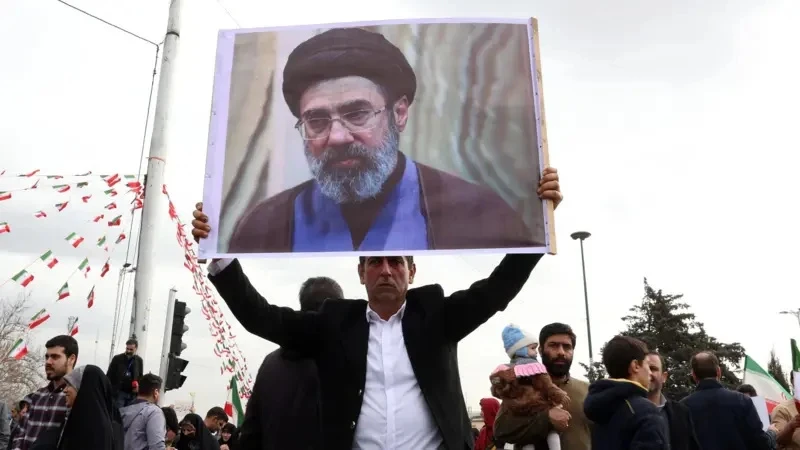
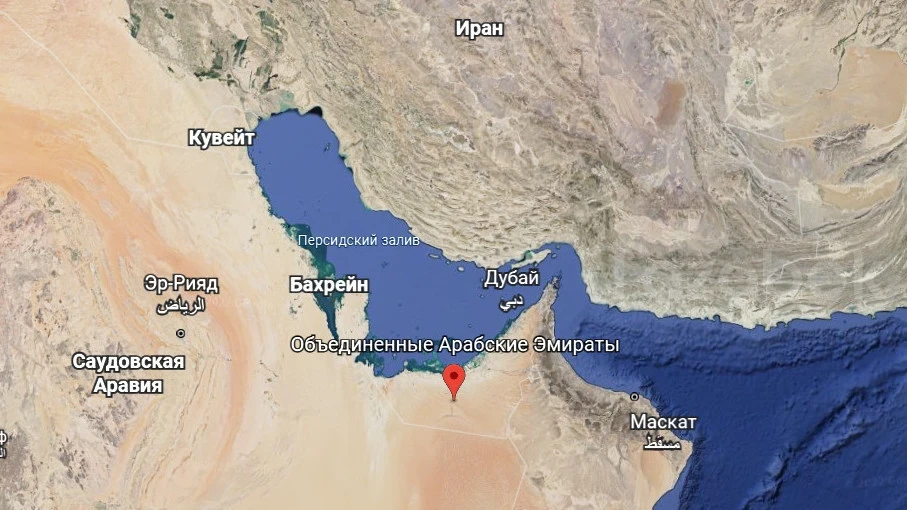
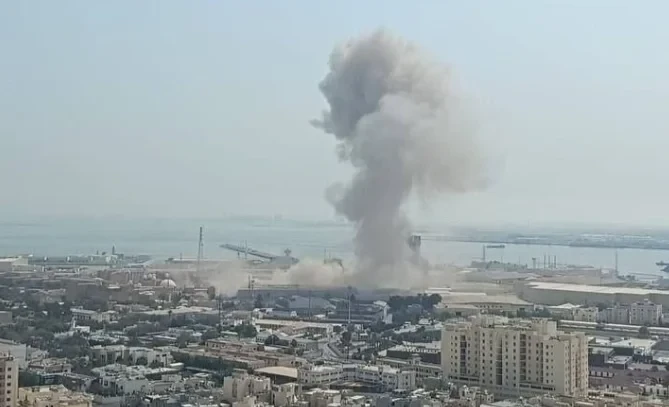
This statement comes against the backdrop of threats from Iran's new Supreme Leader Mojtaba Khamenei, who threatened to close the strait through which about 20% of the world's oil supplies pass. As a result of Iranian attacks on shipping and energy infrastructure in the Persian Gulf, oil prices have exceeded $100 per barrel. Developed countries announced the release of 400 million barrels from strategic reserves, with nearly half of that volume belonging to the U.S., yet this did not stop the price increase.
On the same day, U.S. Energy Secretary Chris Wright told CNBC that escorting vessels is not possible in the near future, stating, "We are simply not ready." Bessent also clarified that military actions have cost the U.S. approximately $11 billion and ruled out any disagreement with the president on this issue.
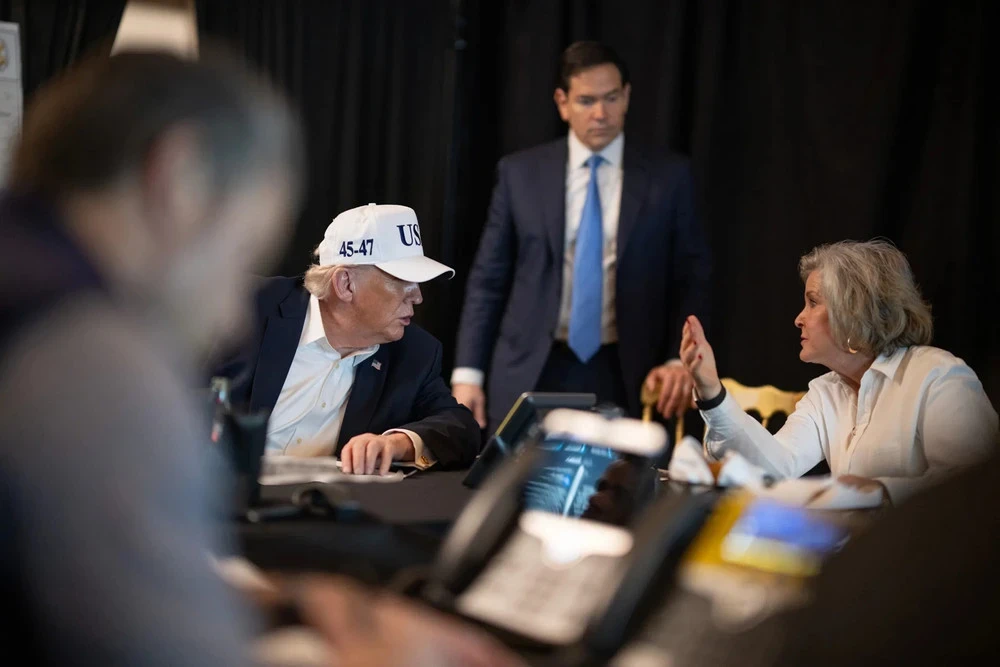
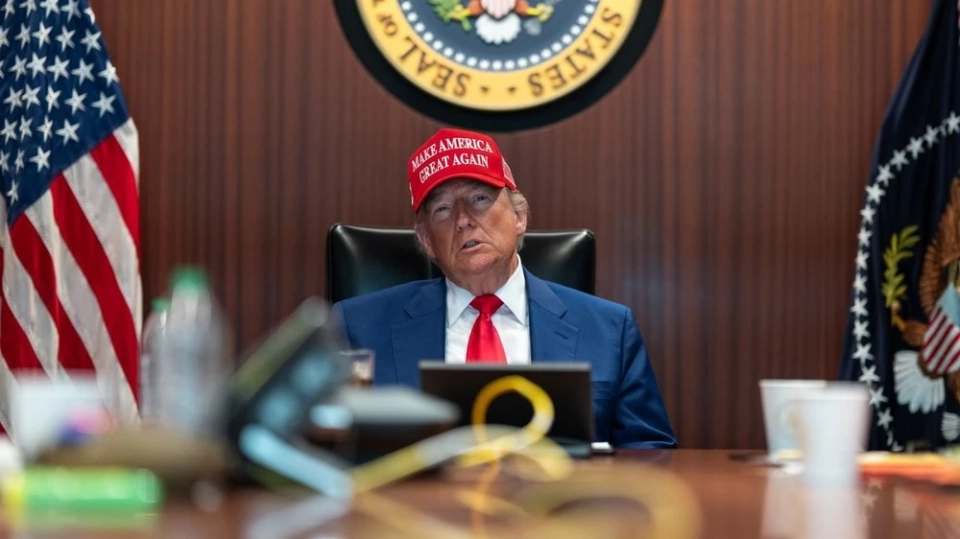
During the interview, Bessent was called to the White House Situation Room, where he spent about two hours. In the context of disagreements with the United Kingdom, he noted that the refusal to grant permission to use British bases forced American B-2 bombers to undertake flights lasting 37 hours instead of three, which increases risks for personnel.