Israel-Lebanon Conflict: Rocket Attacks and Responses
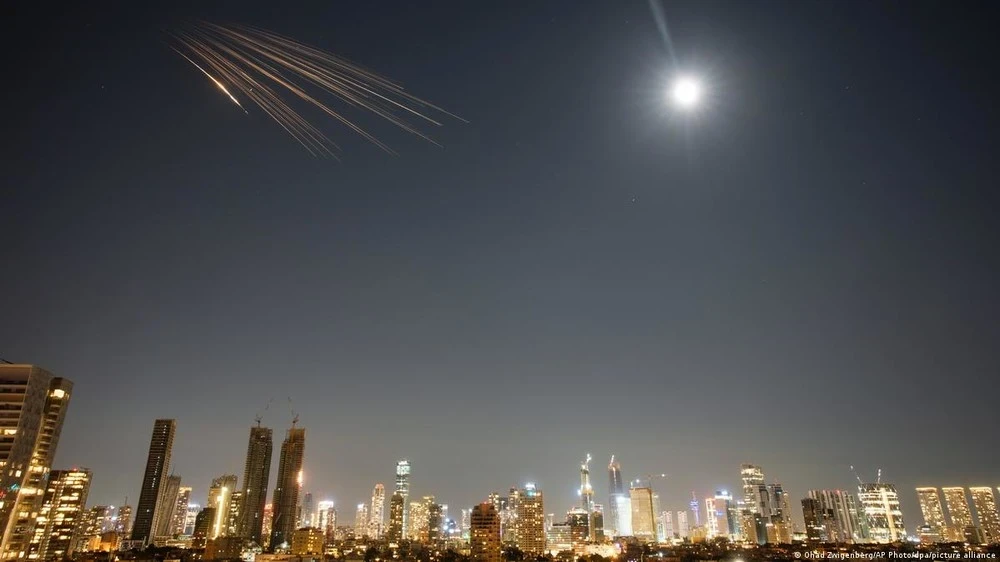
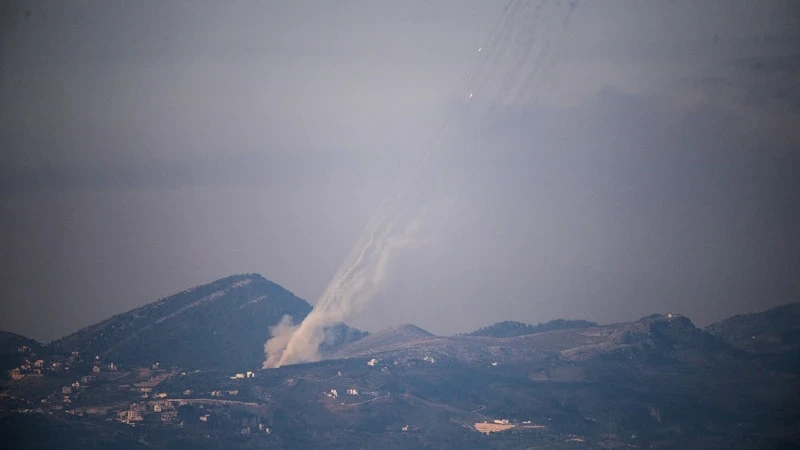
- The Israeli army confirmed that rockets were launched from Lebanese territory, triggering air raid sirens in northern regions of Israel, including the Haifa area. Some rockets were intercepted by air defense systems.
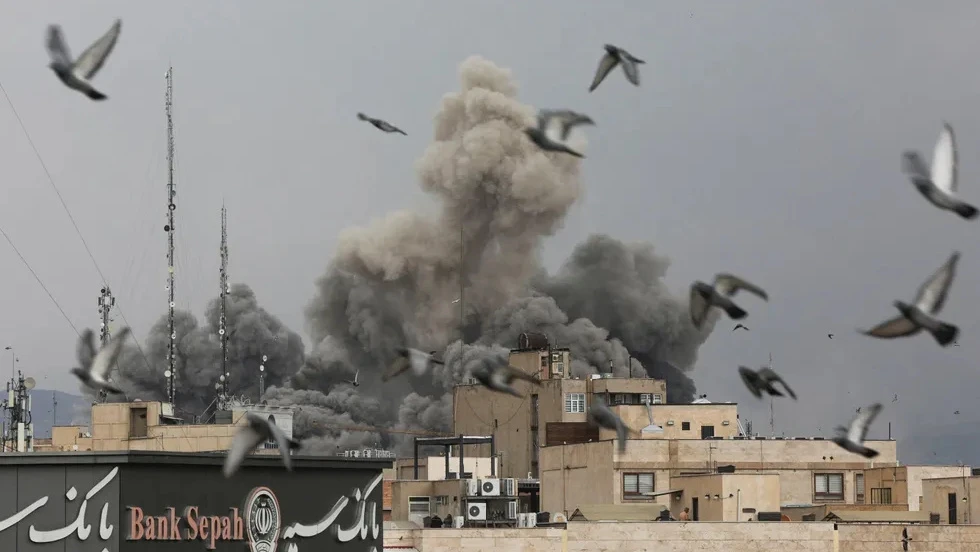
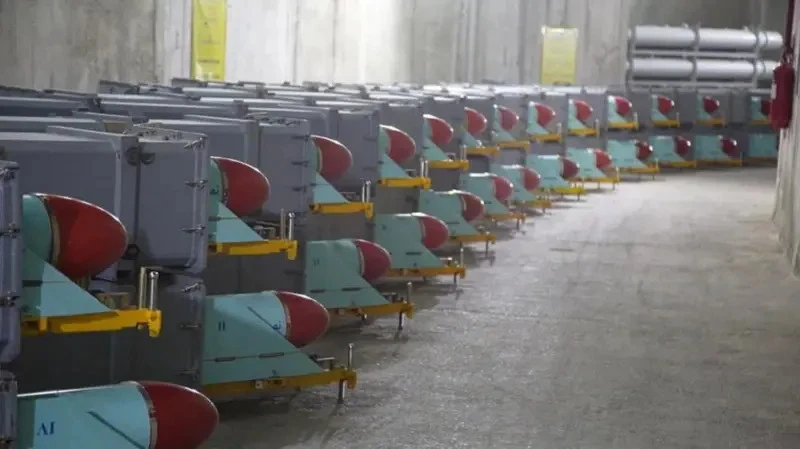
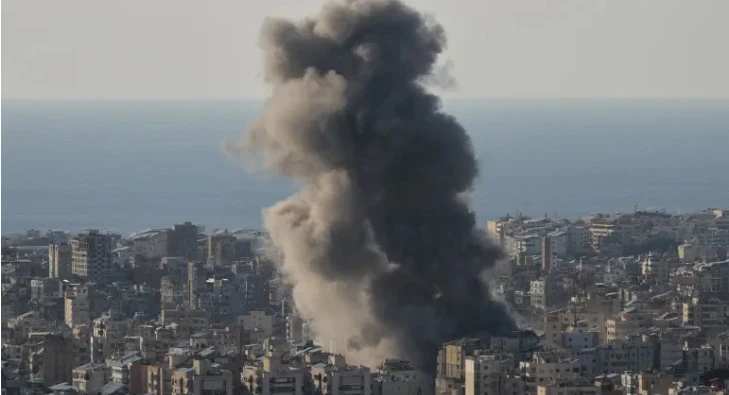
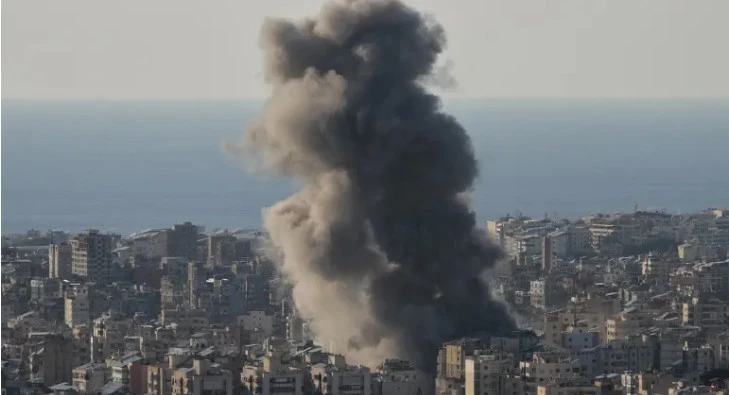
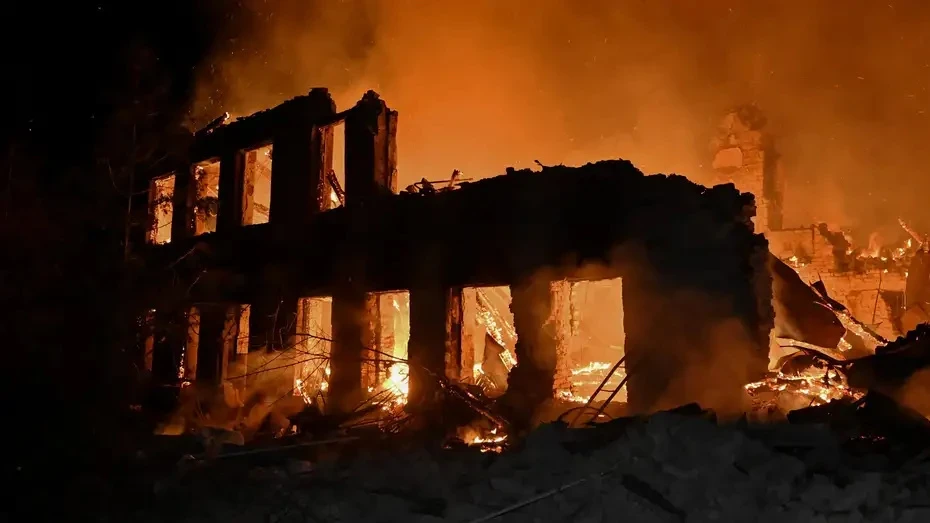
- In response, the Israeli Air Force struck Hezbollah movement targets in the southern suburbs of Beirut, with Israeli military sources reporting the destruction of command posts and rocket launch installations.
- According to the Lebanese Ministry of Health, the number of casualties in the country has exceeded 570 since the escalation of the conflict.
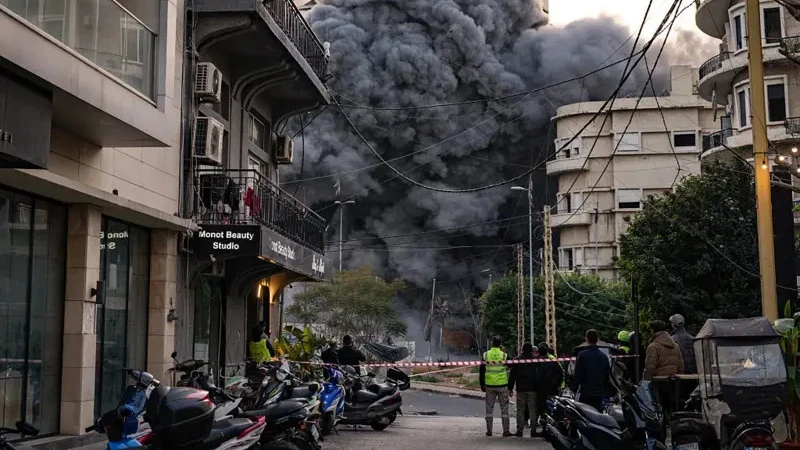
Explosions in Beirut. Photo by Getty Images. - At the first press conference since the onset of military actions, Israeli Prime Minister Benjamin Netanyahu stated that during a joint operation with the USA, they had "defeated" Iran and Hezbollah.
Iran and the USA: Military Actions and Consequences
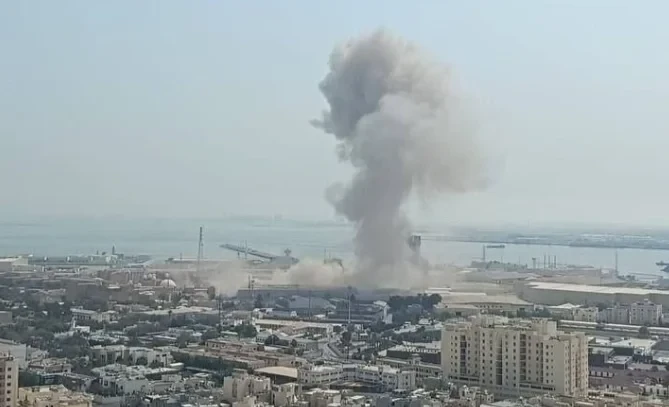
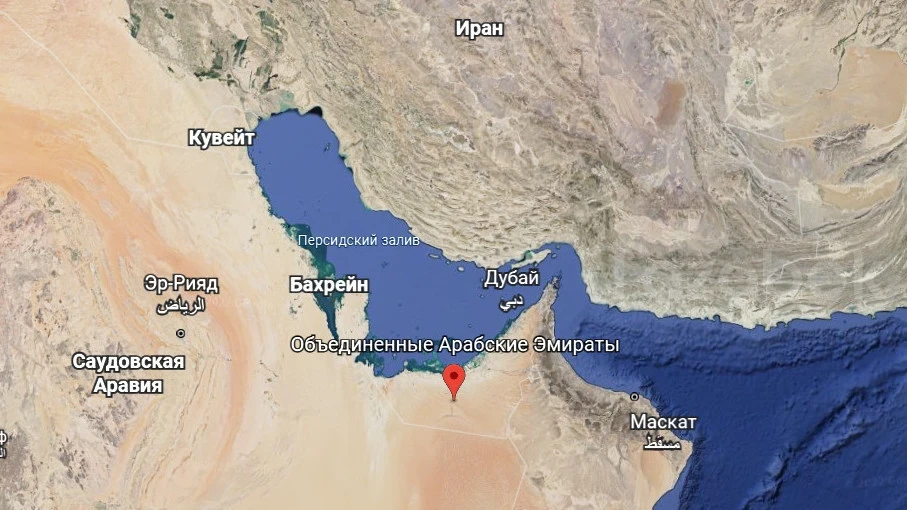
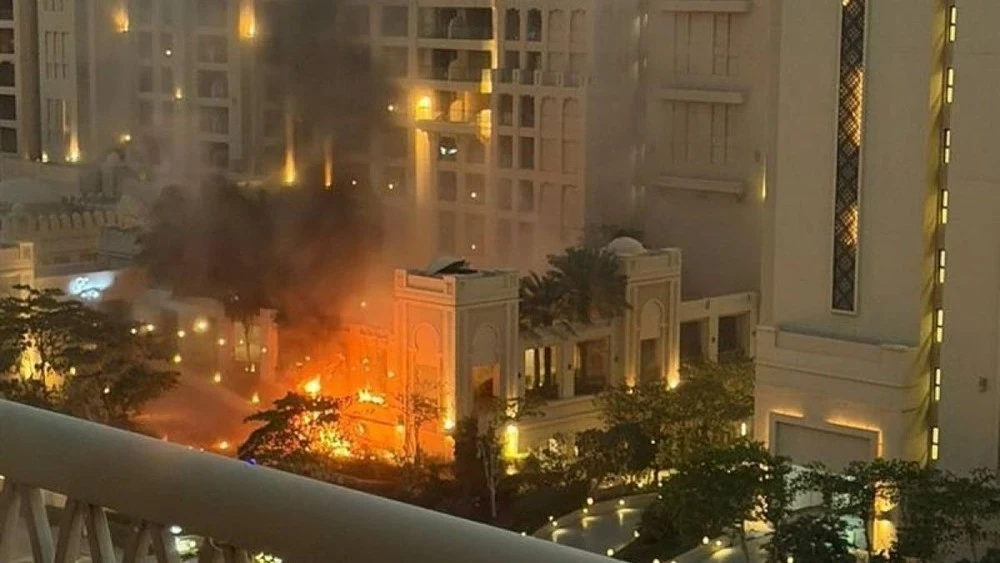
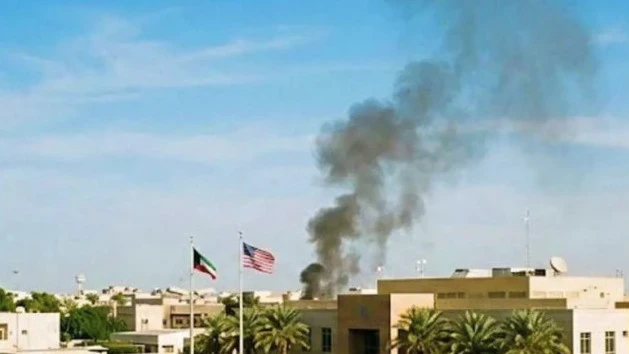
- Iran announced missile and drone attacks on American facilities in the Persian Gulf, including US bases in Kuwait and Bahrain, as well as the infrastructure of the Fifth Fleet.
- American intelligence claims that Iranian leadership maintains control over the internal situation despite military operations.
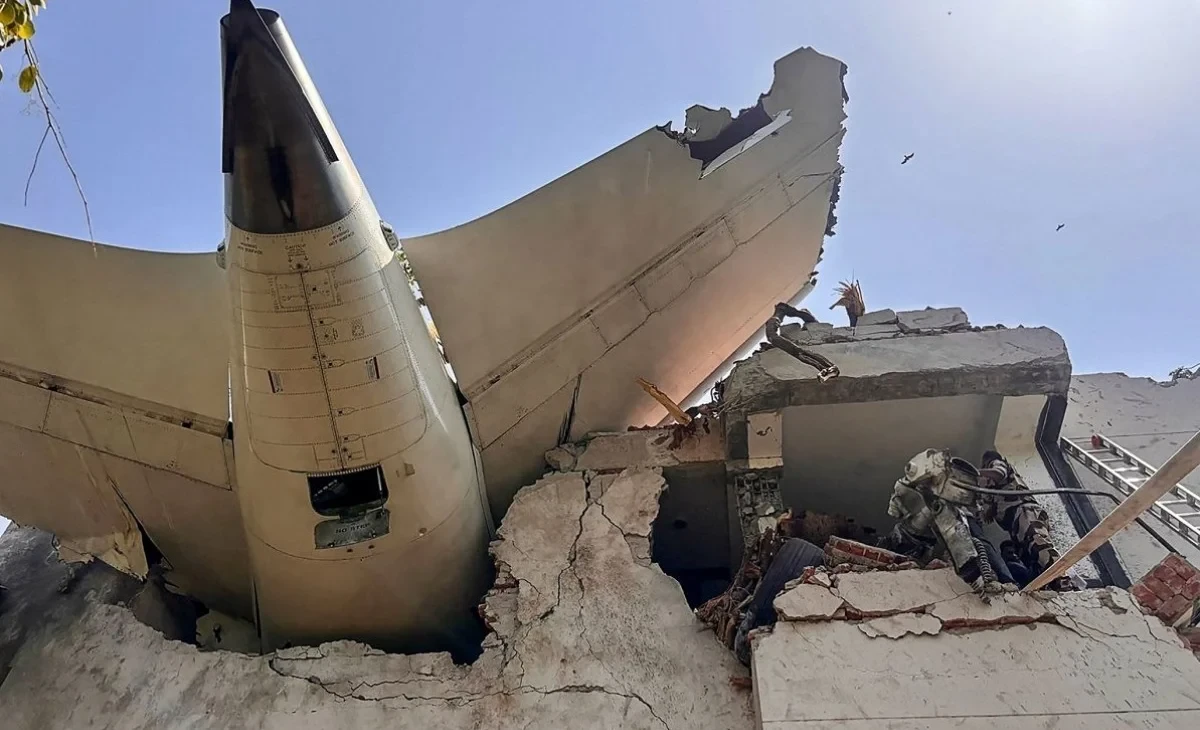
- An American KC-135 refueling aircraft crashed in western Iraq after colliding with another aircraft, according to US military reports.
- Six French servicemen were injured in a drone attack in Erbil, and unfortunately, one of them later died.
Threats to Shipping and Events in the Strait of Hormuz
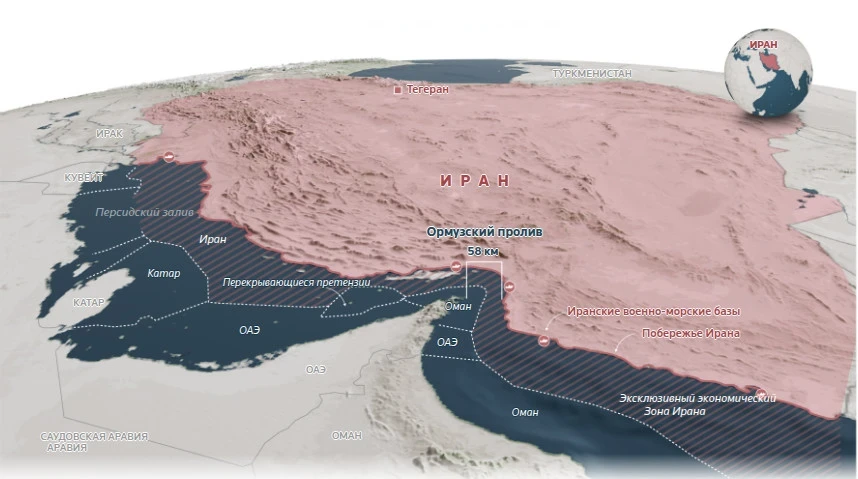
- The new Supreme Leader of Iran, Mojtaba Khamenei, in his first address to the nation, promised to avenge the victims who died from US and Israeli attacks and assured that the blockade of the Strait of Hormuz would continue.
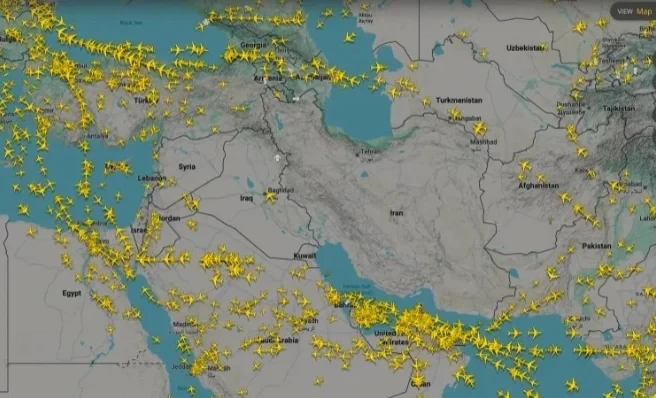
- Iran's Deputy Foreign Minister Majid Takht-Ravanchi denied reports that Iran is laying mines in the Strait of Hormuz, adding that Tehran has allowed the passage of vessels from certain countries.
- Iranian explosive boats attacked two oil tankers in Iraqi waters, after which Iraq suspended operations at some oil ports.
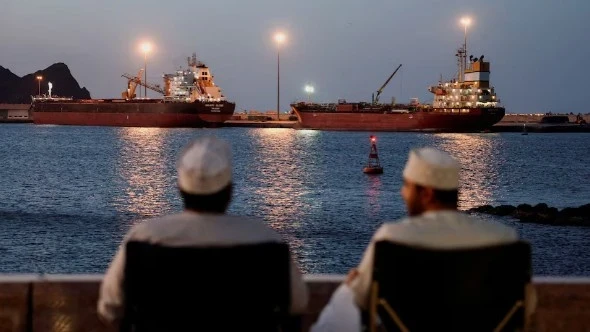
- Oman began evacuating vessels from its main export terminal as a precautionary measure.
- The USA is considering sending military ships to escort tankers.
- Saudi Arabia has started redirecting part of its oil supplies through the Red Sea.
Oil Prices: Sharp Rise and Market Volatility
- Oil prices are rising amid attacks on tankers, with quotes nearing $100 per barrel, putting pressure on global stock markets.
- On March 13, the price of Brent fell by 71 cents to $99.75 per barrel, while WTI dropped by 88 cents, reaching $94.85 per barrel.
- Throughout the week, the price of Brent oil exceeded $100 per barrel, and WTI rose above $93 due to concerns about supply disruptions.
Responses from the USA and International Organizations
- The USA issued a 30-day license for the purchase of Russian oil at sea in an attempt to alleviate market pressure.
- The US Department of Energy announced the release of 172 million barrels from the strategic petroleum reserve.
- The International Energy Agency plans to release up to 400 million barrels from its reserves in a coordinated action.