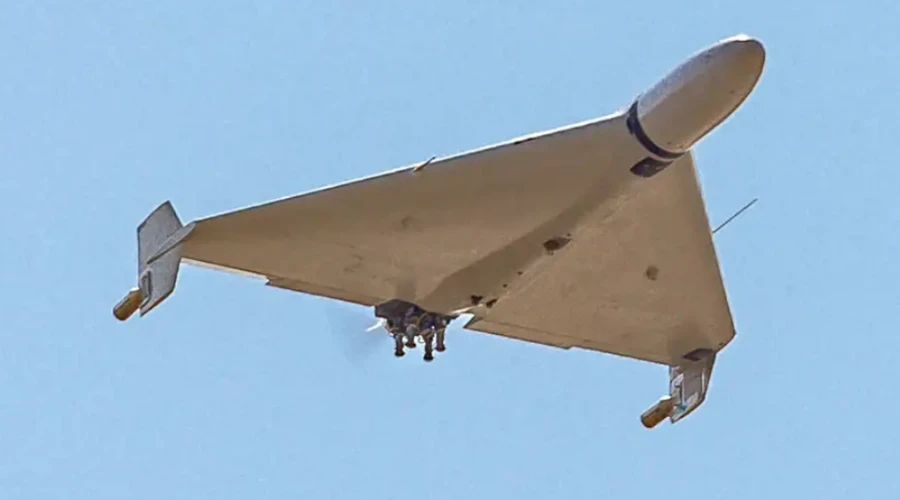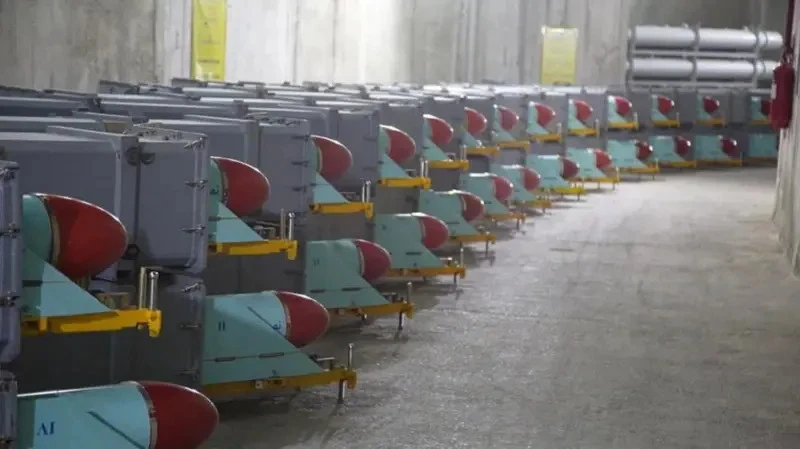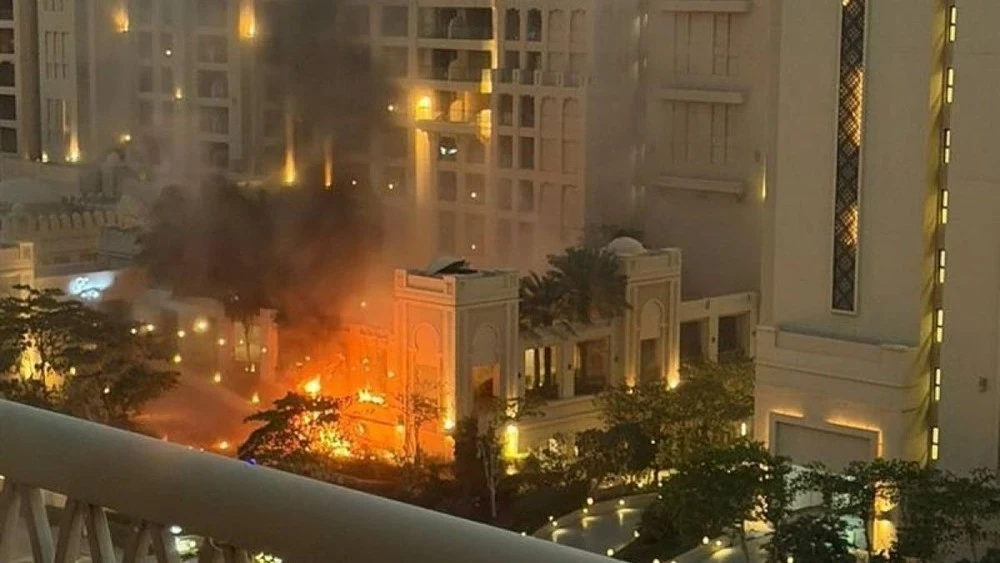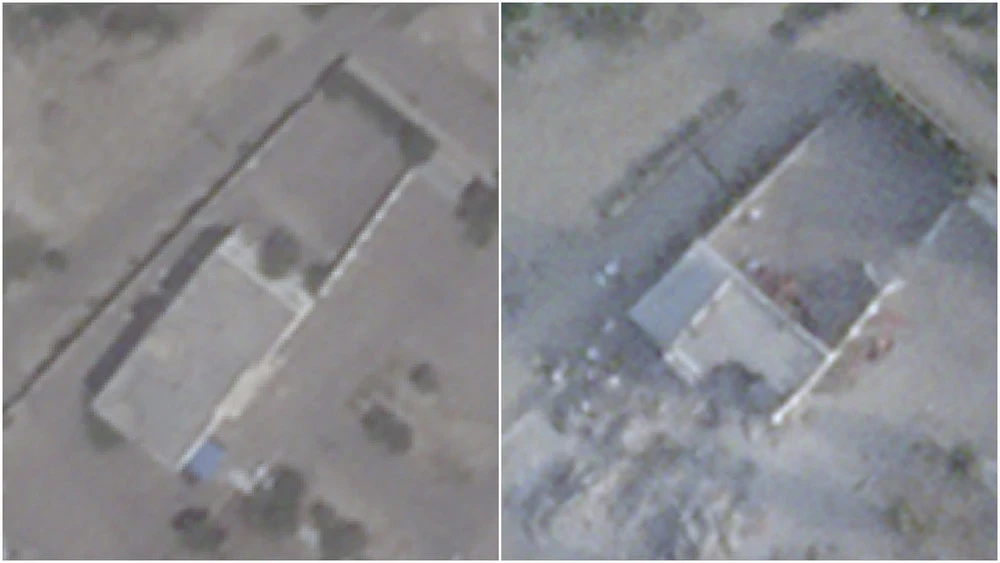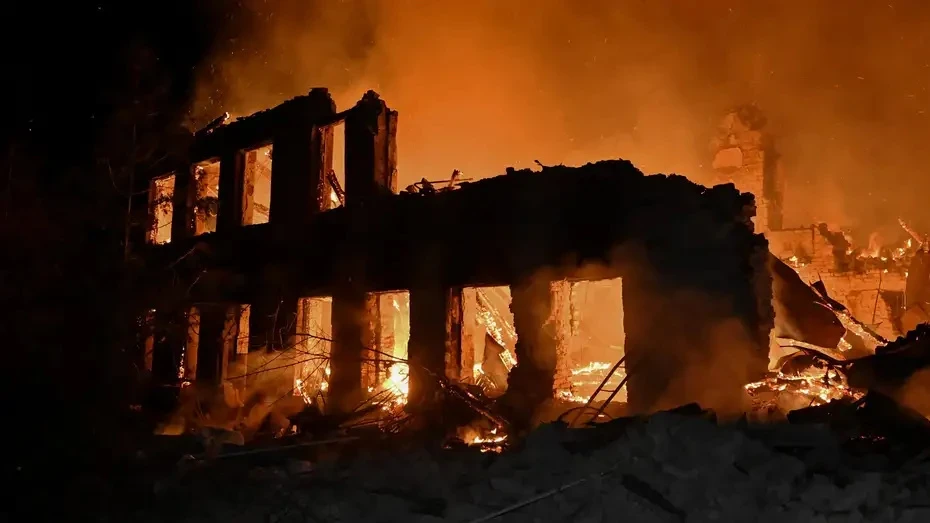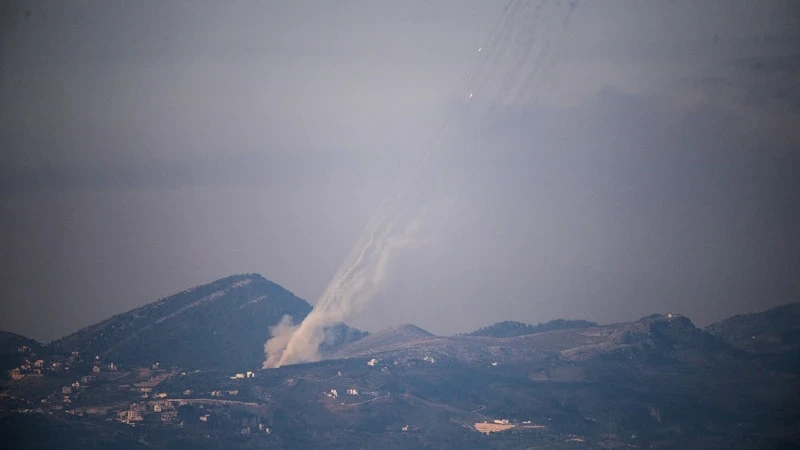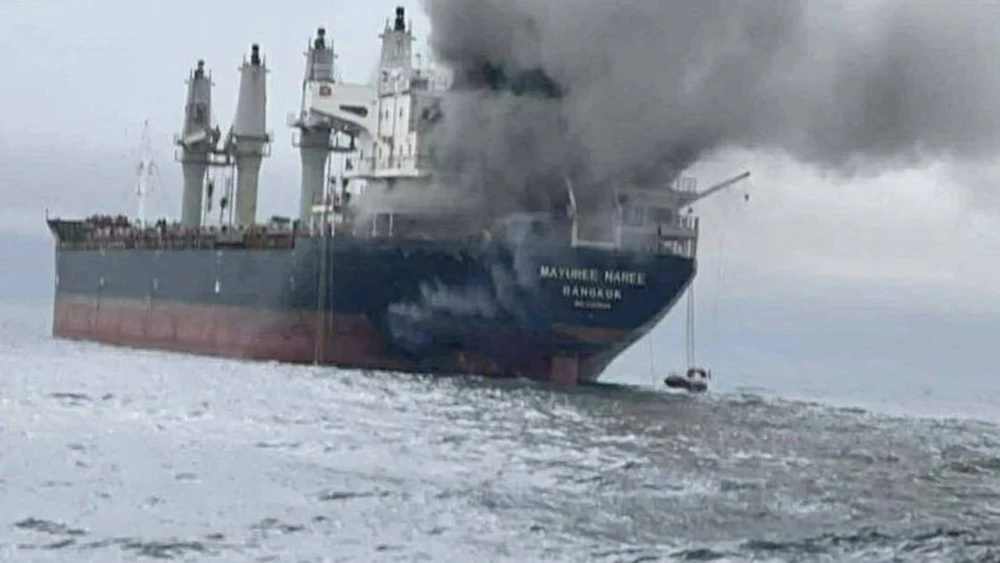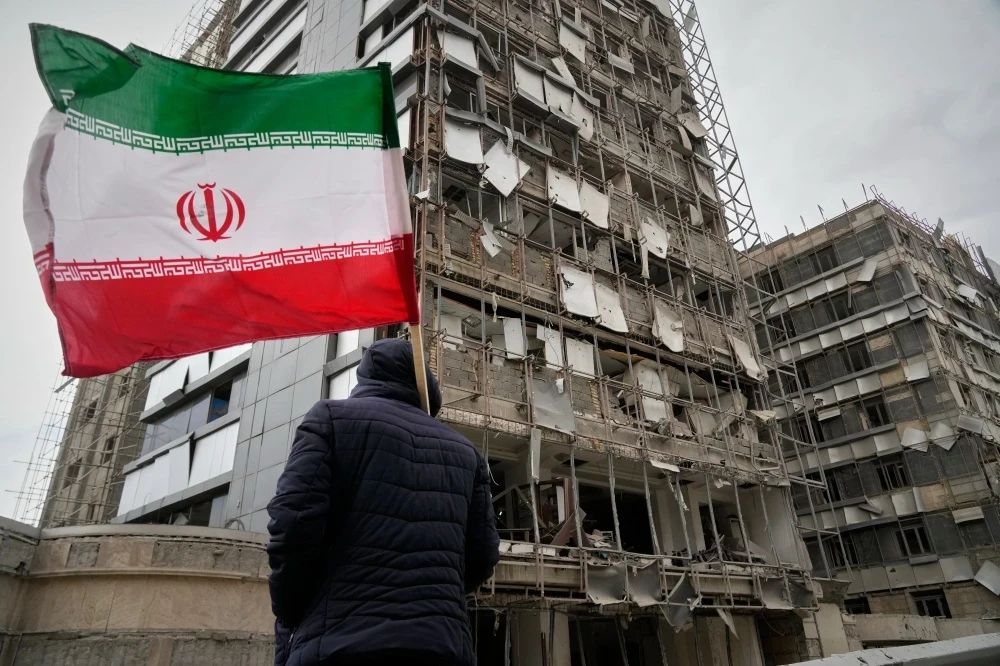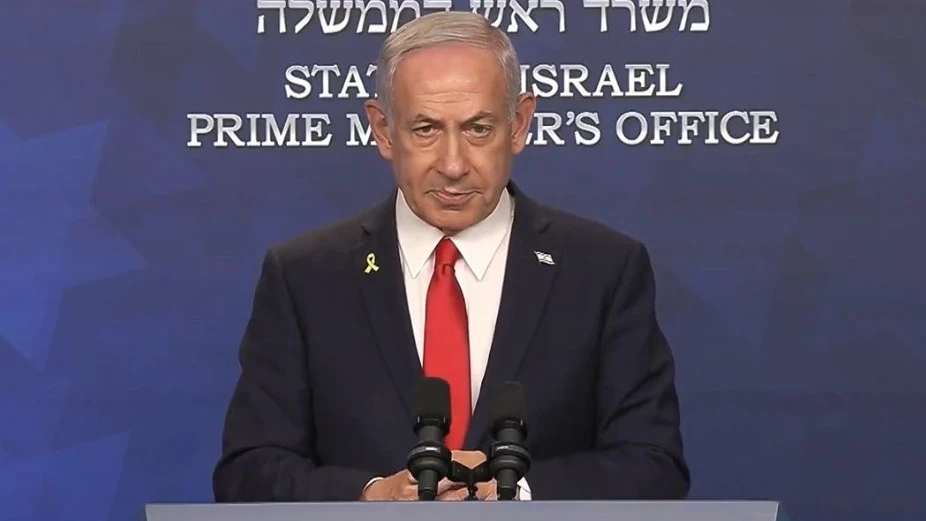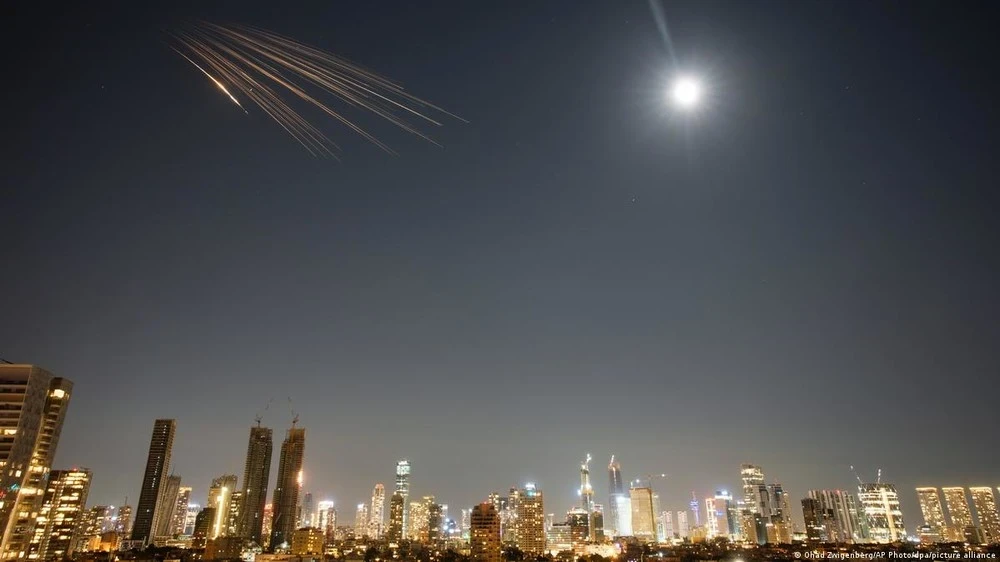
At around 8:00 PM local time, the first wave of rocket attacks began. As a result, an air raid alert was declared in the northern and central parts of Israel. Sirens were also heard in Haifa, warning of drone launches in the region. According to preliminary reports, at least two people were injured in the attacks.
The Lebanese group "Hezbollah" issued a statement identifying Israeli military facilities and settlements within five kilometers of the border as their targets. They urged local residents to evacuate.
This rocket attack became the largest since the beginning of hostilities between Israel and the U.S. against Iran, in which "Hezbollah" supports Tehran.
[media=https://twitter.com/Annahar/status/2031819710224863295?ref_src=twsrc%5Etfw]
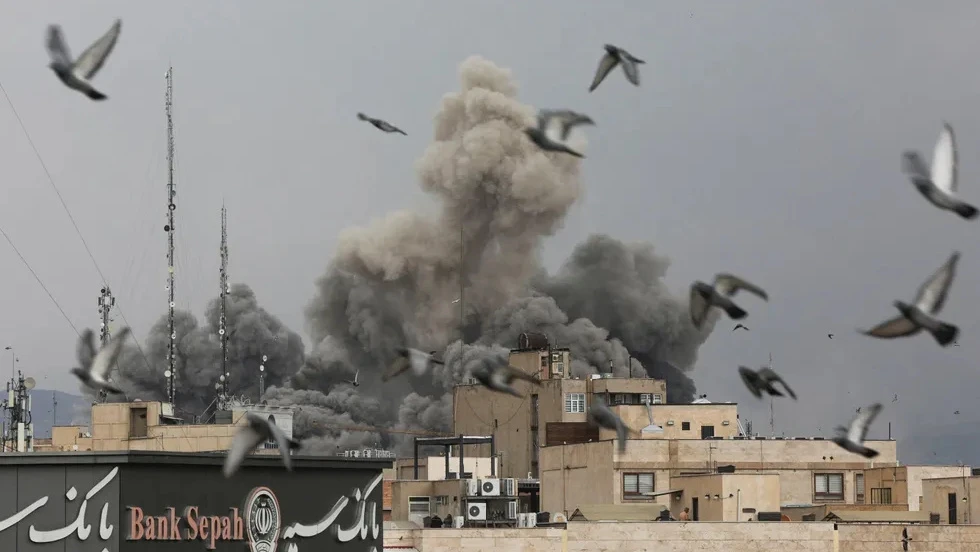
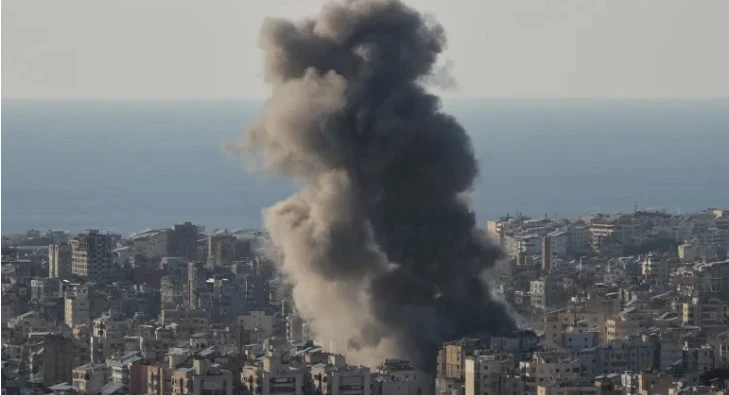
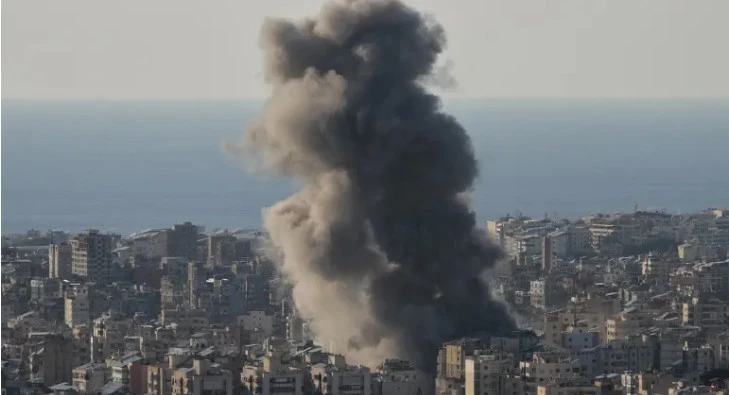
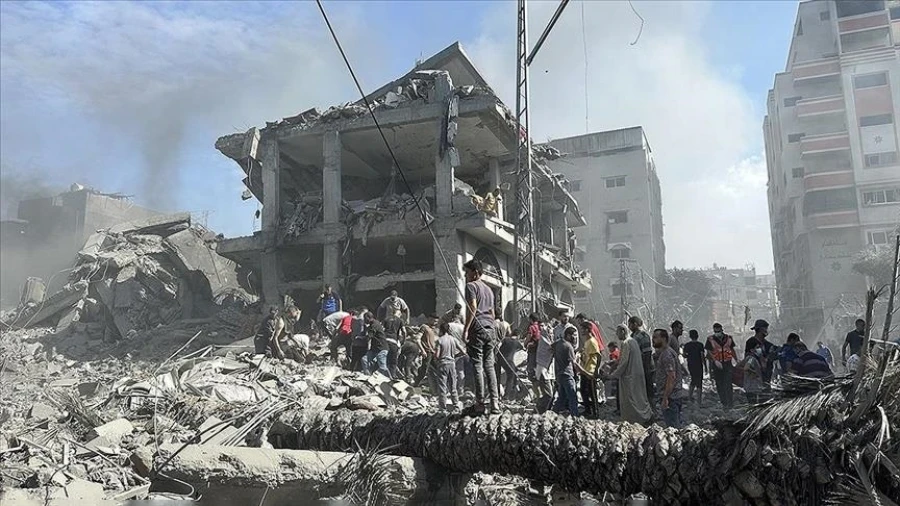
In response to the attack by "Hezbollah," the Israeli military carried out airstrikes on the group's targets in Beirut, particularly in the Dahieh area, which is a stronghold of "Hezbollah." According to the IDF, 10 headquarters of the Shiite movement and launch-ready installations were hit.
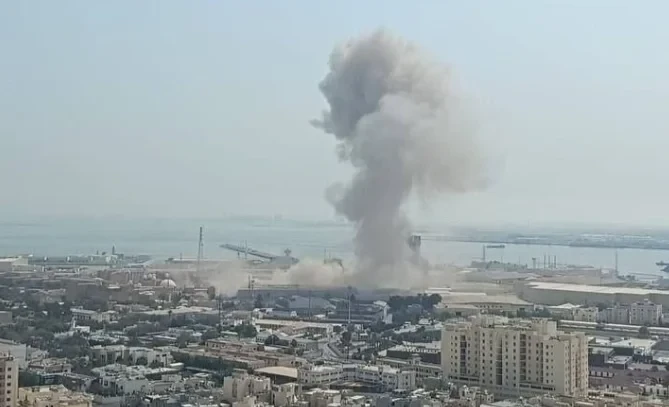
Local residents shared videos showing explosions and plumes of smoke rising from several sites in the city.
After the shelling from Lebanon, the IDF also reported the launch of ballistic missiles from Iran, which, according to Israeli military sources, were intercepted.
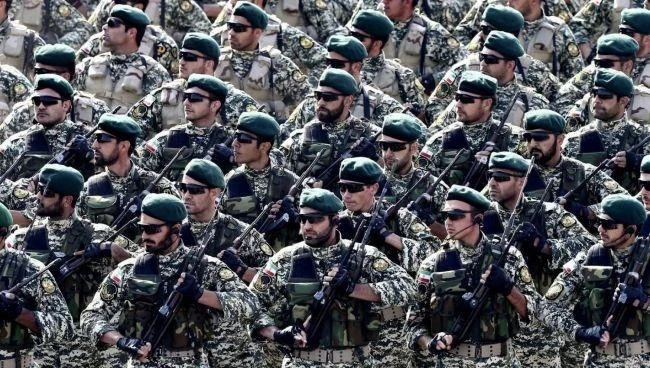
The Islamic Revolutionary Guard Corps (IRGC) announced a joint operation to shell Israel from the territory of both countries, but the IDF did not confirm this information.
Late at night on March 12, Israel was again attacked from the Lebanese side, using long-range missiles. Sirens sounded in Tel Aviv and its surroundings. Iran also launched another ballistic missile at central Israel, to which the IDF responded with strikes on IRGC targets in Tehran.