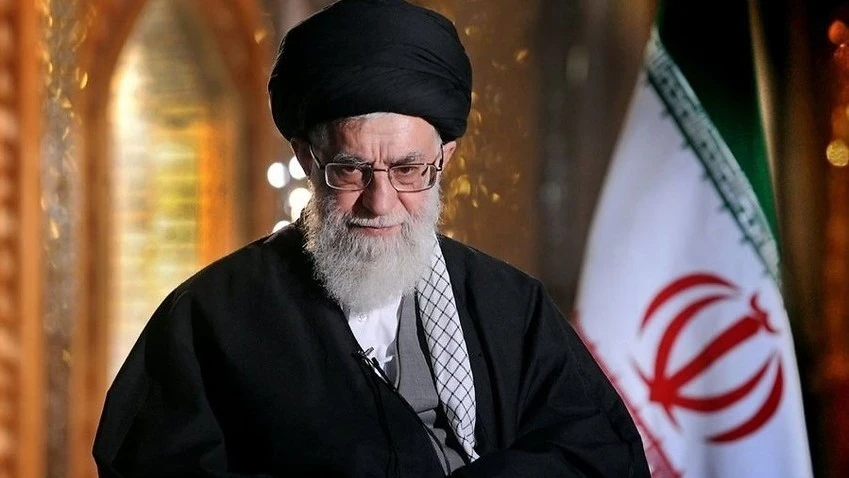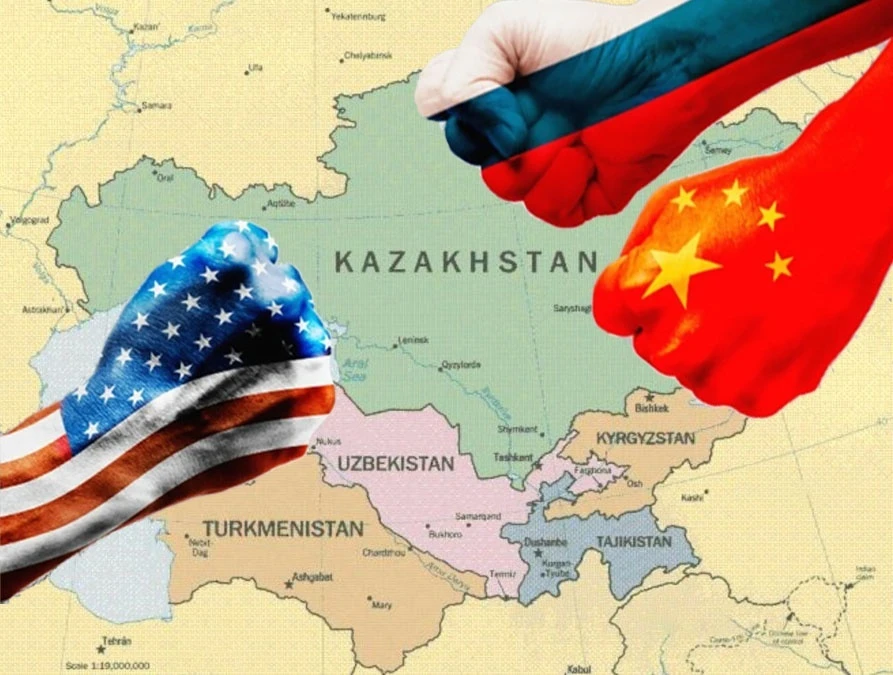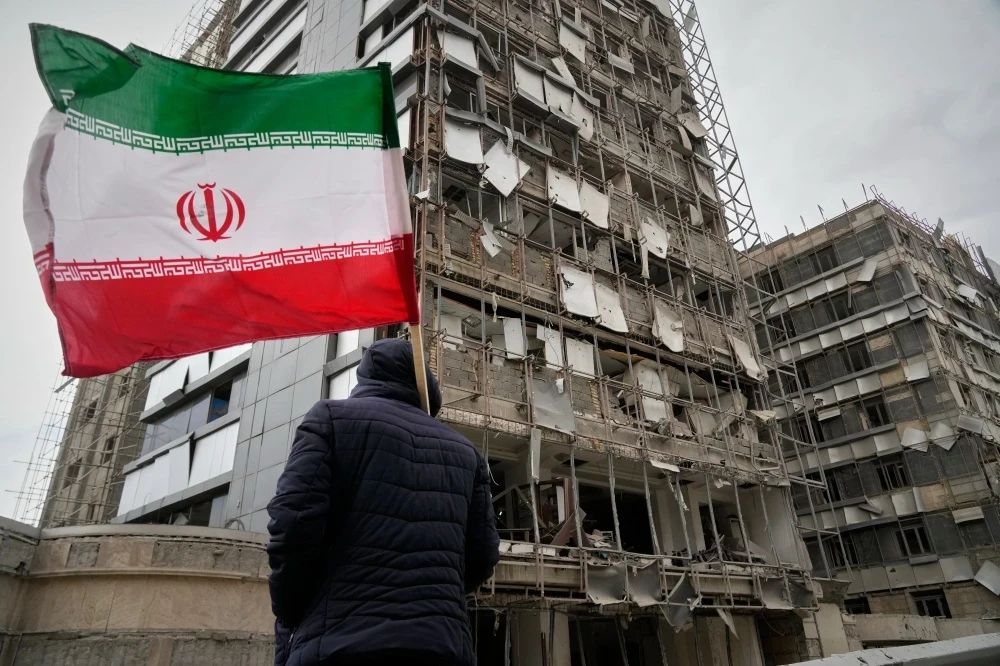
Among the factors contributing to the attack by the US and Israel on Iran are the scandal surrounding Epstein Island, the desire to weaken Russia and China, concerns about Iran's nuclear weapons, the development of long-range missiles, and the wish to control Iran's rich natural resources.
Iran is a country with a rich history and culture, possessing significant reserves of oil and minerals. For centuries, it has been a center of civilizations and science, and the Iranian people have made a substantial contribution to the development of world culture.
However, despite this heritage, modern Iranian history is intertwined with attempts by colonial powers to establish control over it, in order to exploit its resources and geopolitical position for their own interests.
Before the Islamic Revolution of 1979, Iran was under significant influence from Britain and later the United States. The Shahs came to power not through the support of the people, but with the help of foreign forces that used them for their own interests.
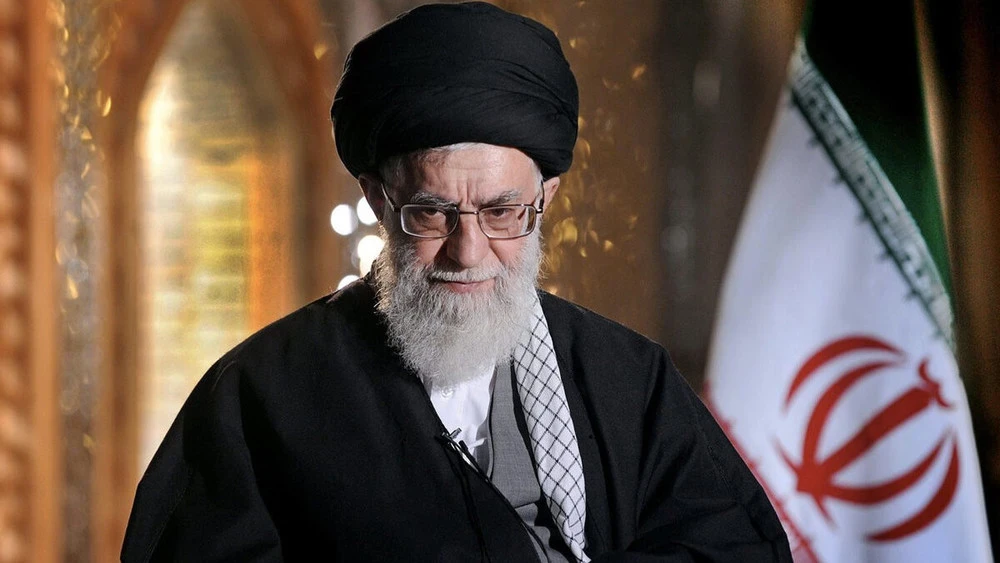
The Islamic Revolution, led by Ayatollah Khomeini, returned power to the people, who overthrew the Pahlavi regime, which was under external control. This led to significant changes in the governance of the country.
The United States lost a lot from the Islamic Revolution, losing access to Iranian resources. Since then, Washington has been working to restore its influence in the region.
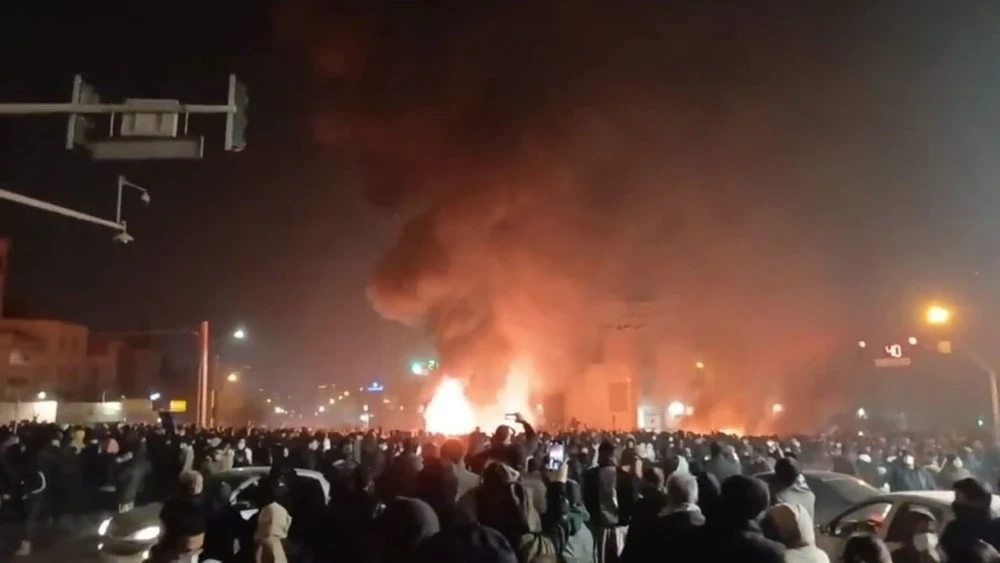
Among the methods used for this were inciting neighbors to military actions against Iran, which led to an eight-year war with Iraq, the imposition of economic sanctions, attempts at coups, and support for separatist movements. These actions included organizing riots and even attacks on high-ranking Iranian officials.
For 47 years, the US has tried to overthrow the current government in Iran, but instead faced the steadfast resistance of the Iranian people. They defended their country and revolution, despite the pressure and sacrifices.
Recent actions by the West, particularly the US and Israel, are aimed at using Iran's nuclear program as a pretext for imposing new sanctions and threats of military conflict. Nevertheless, the peaceful nature of this program is confirmed by reports from the International Atomic Energy Agency (IAEA) and the framework of the Joint Comprehensive Plan of Action (JCPOA) signed with the "5+1" group.
The nuclear issue is used as a tool to pressure Iran, and if this topic did not exist, others would be found—such as the development of defense capabilities or support for the Palestinians.
In fact, the main goal of the US is to return Iran to the state it was in before the Islamic Revolution, when its resources were under Western control, and the people did not benefit from their wealth, acting in the interests of foreign powers.
All the aforementioned factors cannot be considered as the sole reason for the attacks on Iran. The Epstein scandal, for example, affected many countries, including the US, and showed how far leaders are willing to go for their interests. Additionally, Washington, in trying to weaken its competitors—Russia and China—is interested in access to Iranian resources, using various pretexts.
However, the key aspect that pushed the US and Israel towards conflict with Iran is the desire to establish control over the country. Washington seeks to return Iran to a subordinate state that existed before 1979.
The Iranian leadership and people understand these intentions and actively resist them. They remember the times of dependence and poverty when the country was under the control of Western powers and strive for independence and dignity.
Abdolreza Seifi, Cultural Advisor at the Embassy of the Islamic Republic of Iran in the Kyrgyz Republic