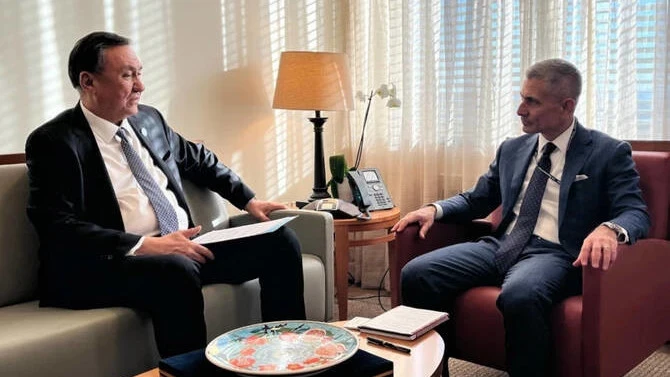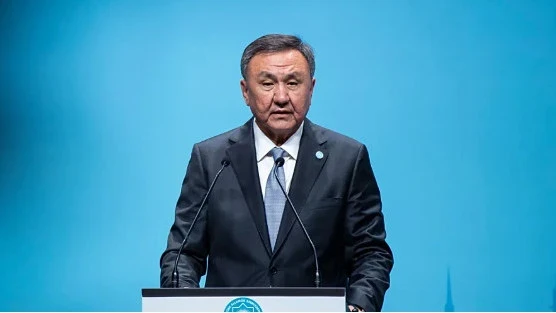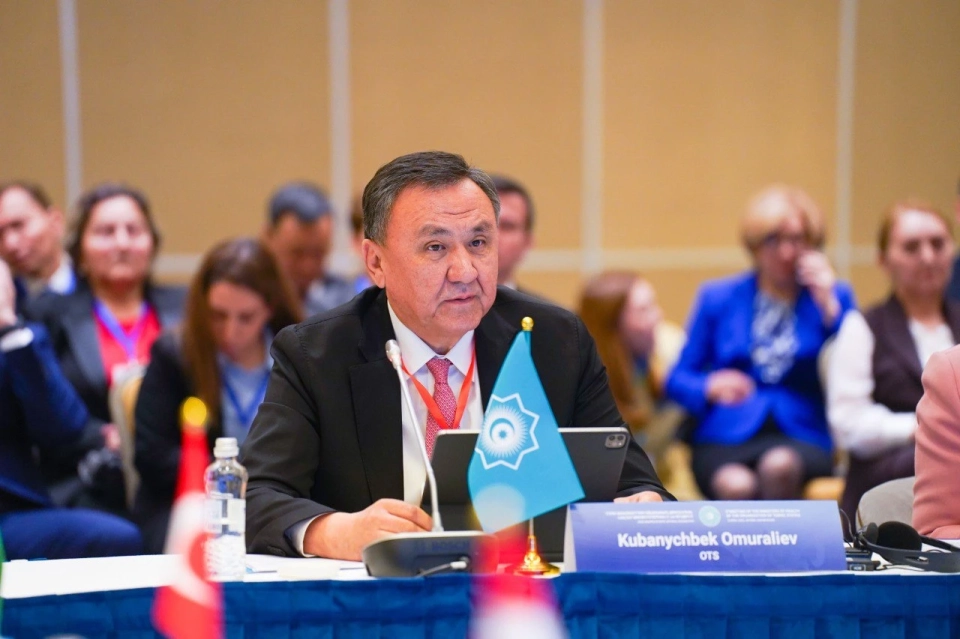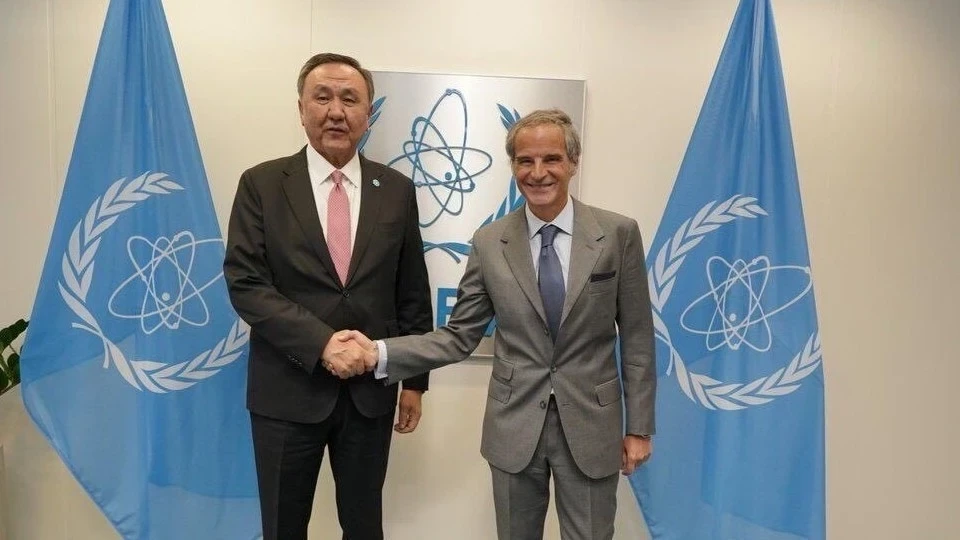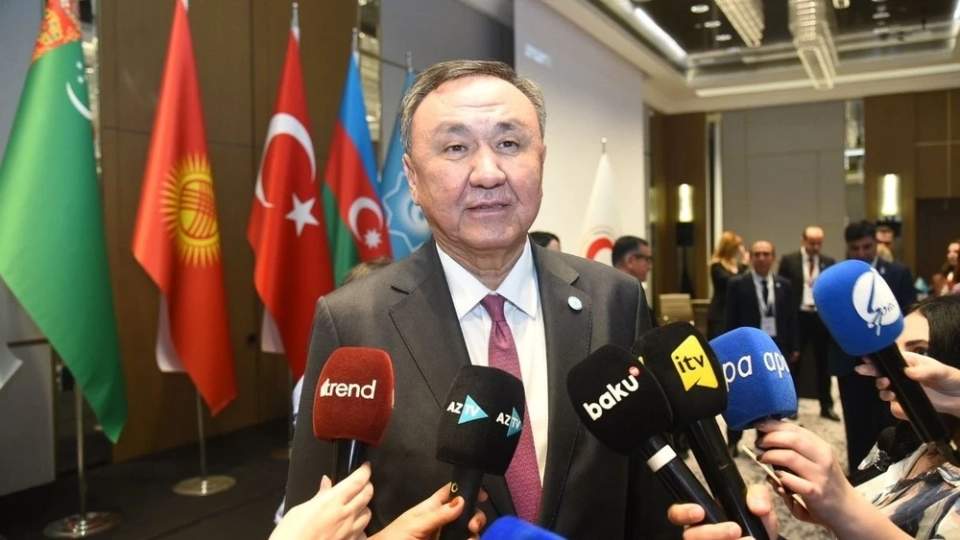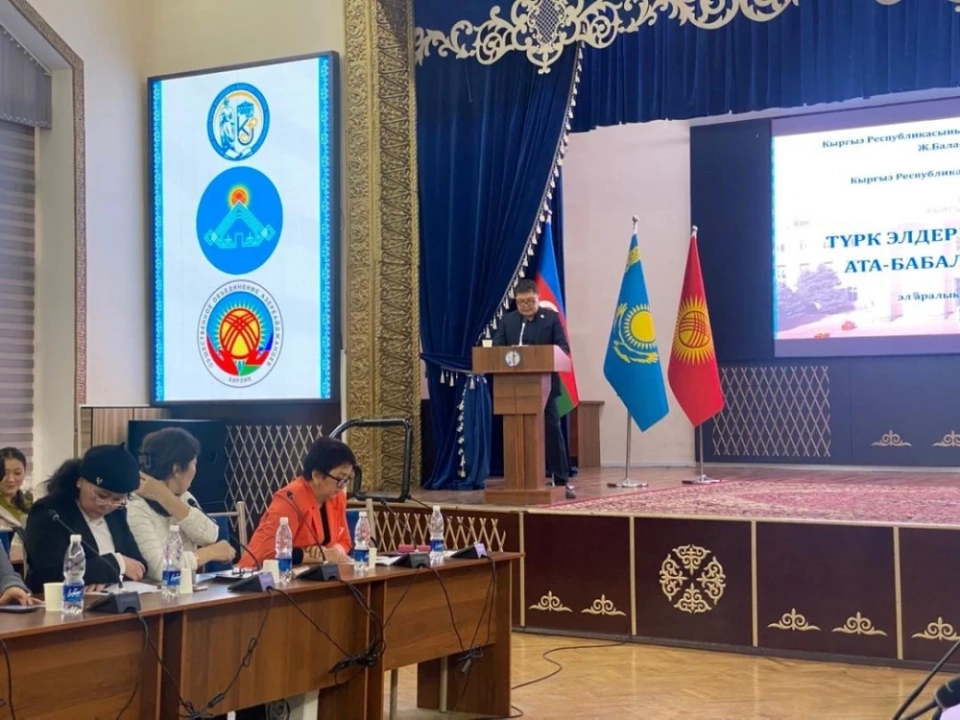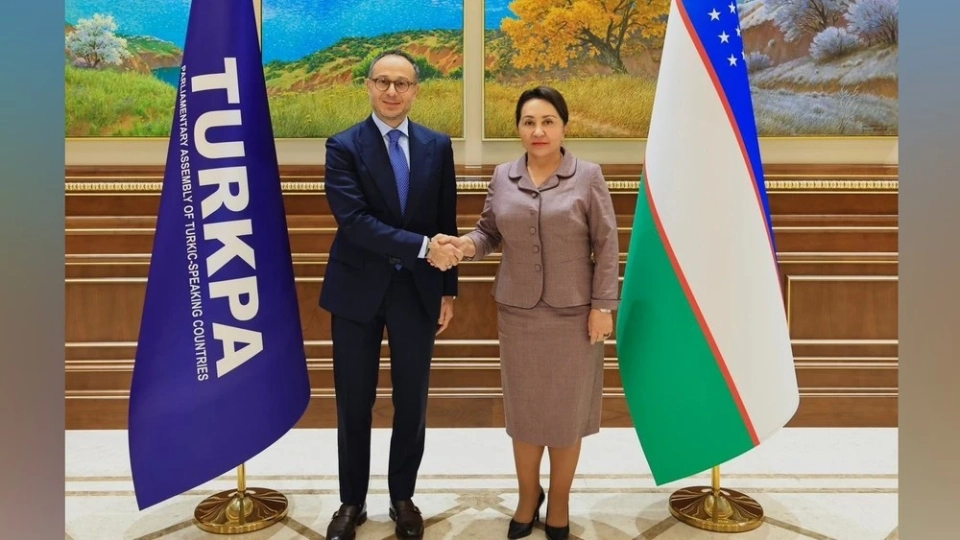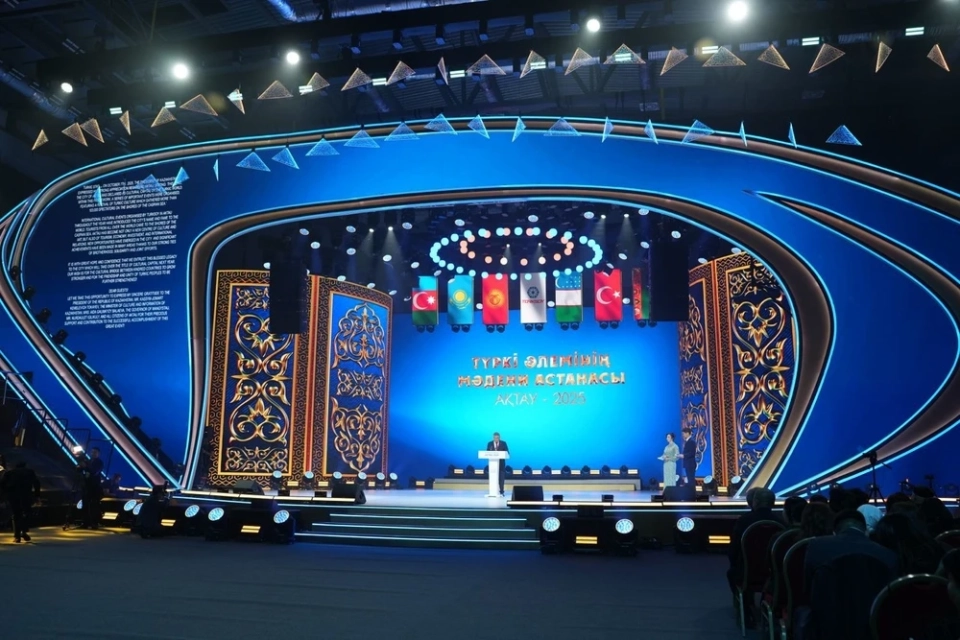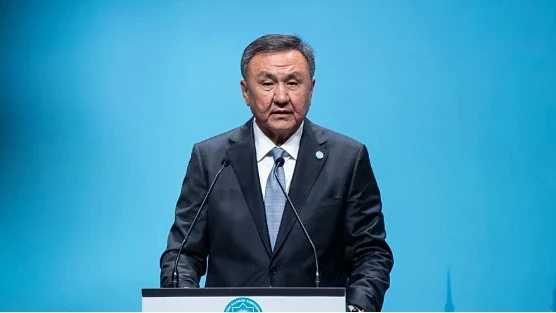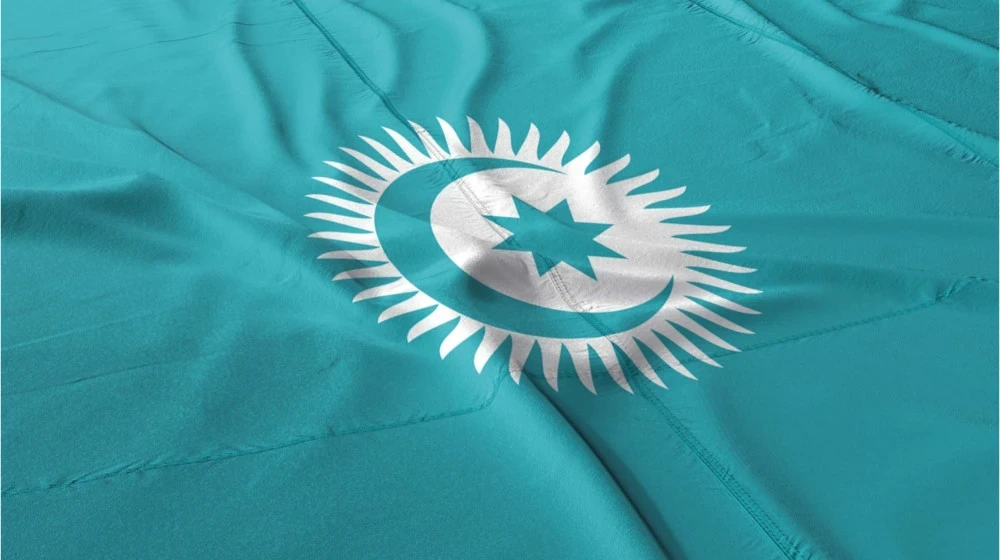
The visit of the Secretary General of the Organization of Turkic States, Kubanychbek Omuraliev, to the United States last month, where he held meetings with American officials, went unnoticed. For the United States, it is extremely important to engage with organizations like the OTS to remain competitive in the context of global geopolitical competition.
What is the Organization of Turkic States?
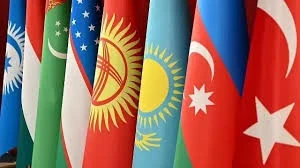
This organization, which is an intergovernmental body, unites ethnically Turkic countries of Eurasia with the aim of developing a common identity and cultural ties, as well as coordinating geopolitical interests.
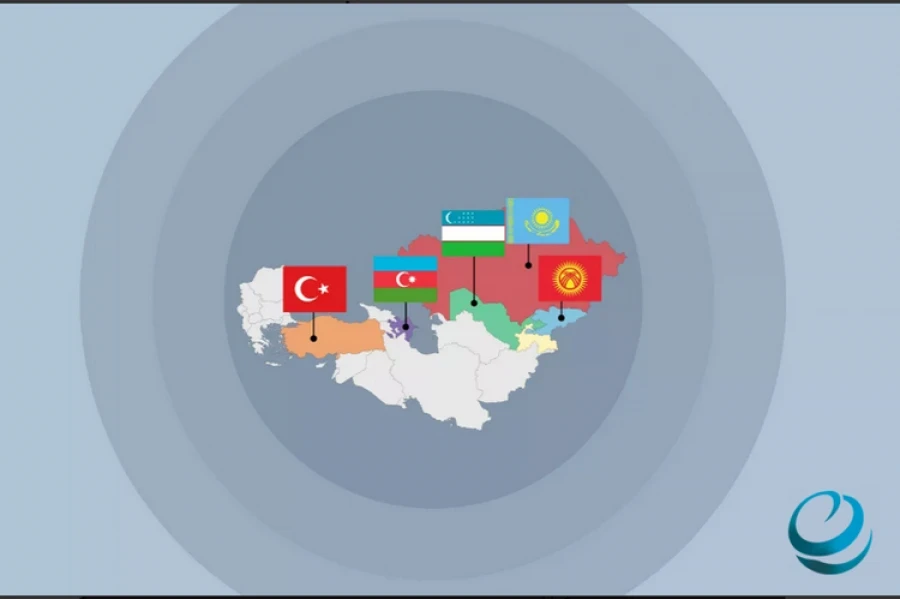
The idea of creating the Organization of Turkic States was proposed in 2006 by Nursultan Nazarbayev, the then President of Kazakhstan, with a suggestion for closer cooperation. In 2009, Turkey, Kazakhstan, Kyrgyzstan, and Azerbaijan established the Turkic Council, which became the predecessor of the current structure. Uzbekistan joined the organization as a full member in 2019, and in 2021 it adopted its modern name. In addition to the five full members, observers include Turkmenistan, Hungary, and the de facto Turkish Republic of Northern Cyprus.
The Significance of the Organization of Turkic States
The member countries of the OTS are located in a region that is strategically important for global geopolitics. Together, they represent over 160 million people across approximately 1.6 million square miles, with a combined gross domestic product close to $2 trillion. These states possess significant natural resources, including large reserves of oil and gas, as well as deposits of rare earth minerals.
Moreover, they are situated at the crossroads of key trade routes, such as the Turkish Straits, the Middle Corridor, and the Ganja Corridor in Azerbaijan, through which major oil and gas and transport networks connect Central Asia with Europe, bypassing Russia and Iran.
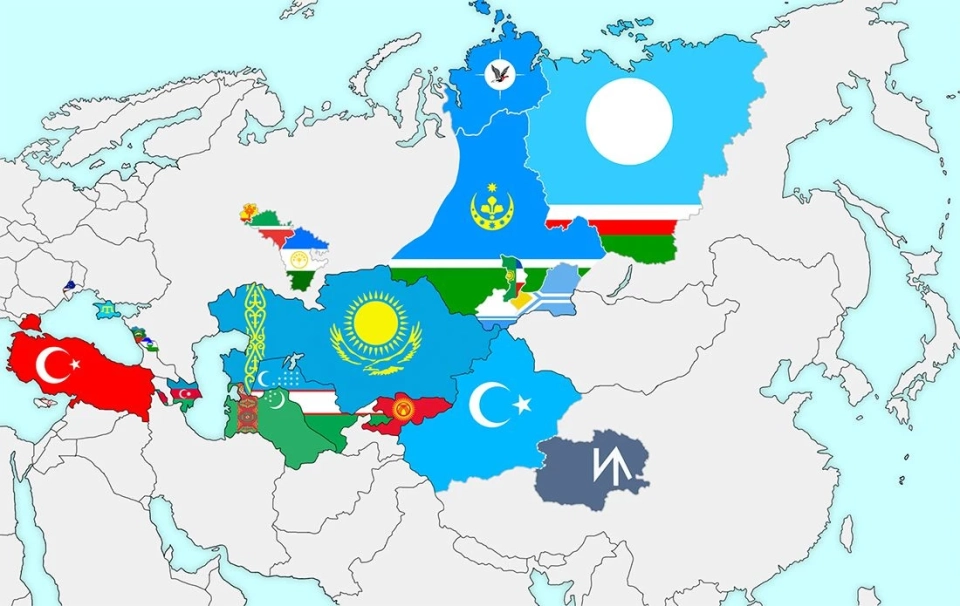
The influence of the OTS extends far beyond just the member countries. Tens of millions of ethnic Turks live from the Balkans to western China and into the Arctic regions of Russia. These communities often look to leading Turkic states like Turkey and perceive its "soft power" through popular media. For example, Turkish series are hugely popular worldwide, while the Bashkir group "Ay Yola" with the song "Homay" achieved success in global charts, outpacing artists like Kendrick Lamar and Lady Gaga.
The Bashkirs, an ethnic group residing in Russia, illustrate how Turkic culture transcends independent republics. With the revival of Turkic identity, organizations like the OTS are becoming more influential among ethnic Turks in Eurasia, highlighting the importance of the OTS in Eurasian politics, despite its relatively small GDP on a global scale.
After the collapse of the Soviet Union, Turkic countries in Central Asia began to restore their cultural identity, including a transition to the Latin alphabet and the creation of a common Turkic alphabet, adopted within the OTS in 2024, as well as an emphasis on the use of national languages.
Goals of the Organization of Turkic States
The organization is expanding its ambitions to include not only cultural but also economic aspects. The possibility of deeper economic integration is being discussed, including the creation of a system similar to a customs union, based on existing initiatives such as the Simplified Customs Corridor. At this year's OTS summit in Gabala, emphasis was placed on security cooperation, and Azerbaijan proposed to hold the first OTS military exercises in 2026, which would be a significant step forward for the organization, given the geopolitical reality of the region.
Currently, Russia and China, as well as to a lesser extent India and Iran, continue to influence the geopolitical situation in Eurasia. However, as cooperation deepens among Turkic states, the OTS is becoming an increasingly noticeable center of power on the continent. It is important for the United States to establish interaction with this organization.
Now that Donald Trump is back in office as president, he has the opportunity to promote U.S. interests in this key region. In his first year in office, he has already shown interest in improving relations by mediating a peace agreement between Armenia and Azerbaijan, which could create a new transport route, enhancing Turkey's connection with the Turkic countries of Central Asia. This could open new economic opportunities for the entire region, including Armenia.
Additionally, Trump has expanded engagement with Central Asia by hosting a "Five Plus One" summit at the White House to mark the tenth anniversary of this platform and signing new agreements with the regions on business, trade, and critically important minerals. Kazakhstan and Uzbekistan have also been invited to the G20 meeting in Miami later this year.
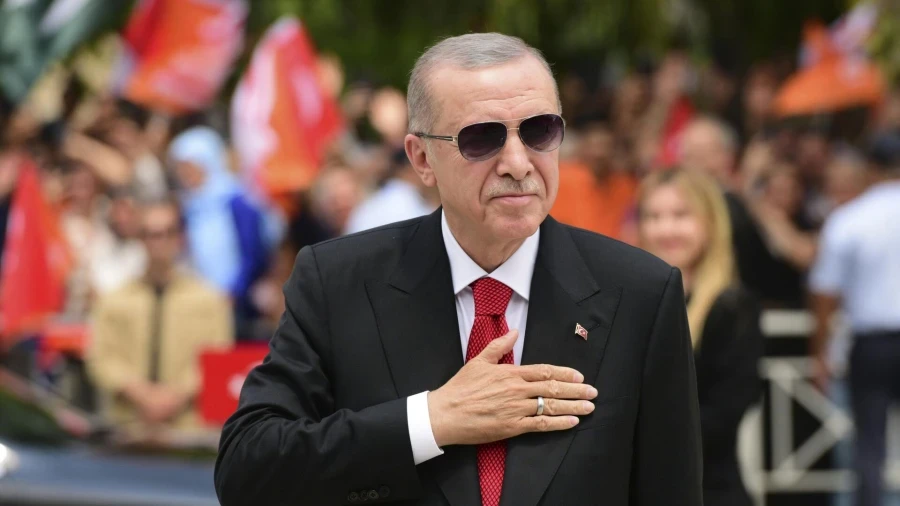
Trump maintains strong relations with Turkish President Recep Tayyip Erdoğan, who is a driving force behind the OTS, headquartered in Istanbul. Given Turkey's role in NATO and Erdoğan's influence on the OTS, the U.S. has every reason to strengthen ties with this organization.
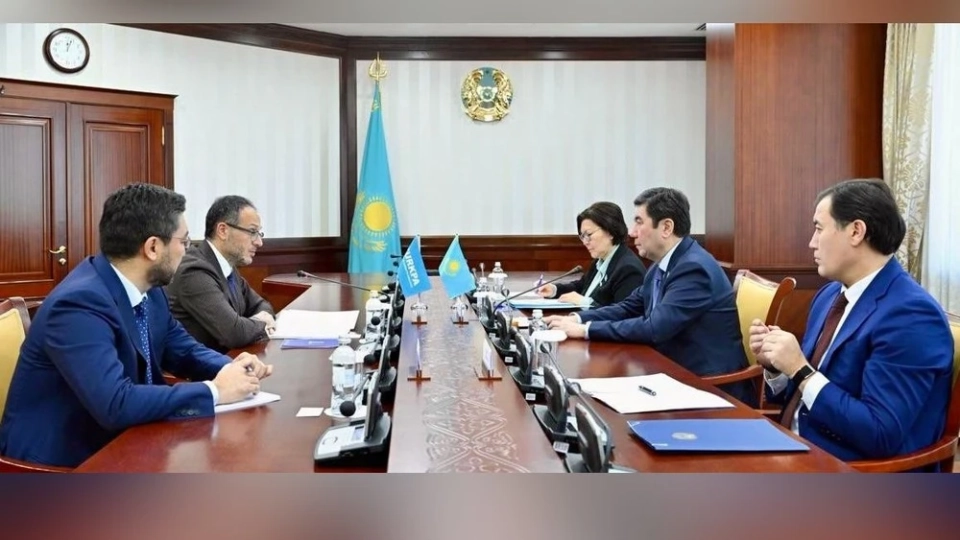
During his visit to Washington, Kubanychbek Omuraliev met with Assistant Secretary of State for South and Central Asian Affairs S. Paul Kapur. This interaction, while positive, should be more significant. The leader of such an important geopolitical structure as the OTS should be able to engage in dialogue at a higher level in the U.S. This could lead to regular meetings between American and Turkic officials, culminating in a meeting at the level of foreign ministers and ultimately the participation of President Trump in the summit of the Organization of Turkic States.
OTS members conduct a balanced foreign policy among the leading world powers. A more active U.S. involvement could strengthen their ability to maintain this balance. At the same time, the OTS is becoming one of the few geopolitical poles on the Eurasian continent that, according to Washington, can serve as a balancing force.
Although the member countries of the OTS are unlikely to describe themselves this way, it is the reality that Washington sees. Nevertheless, relations between the U.S. and the OTS will not develop on their own. Targeted efforts and sustained attention are needed. Ignoring engagement with the OTS could be seen as a geopolitical oversight and would not serve America's interests in the context of global competition.