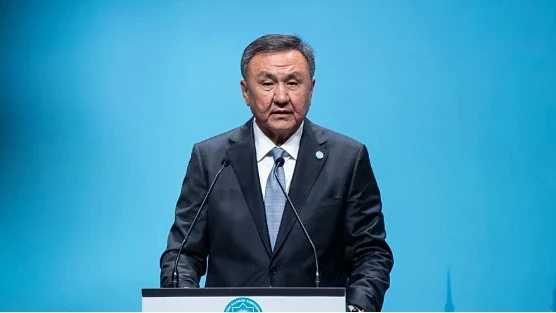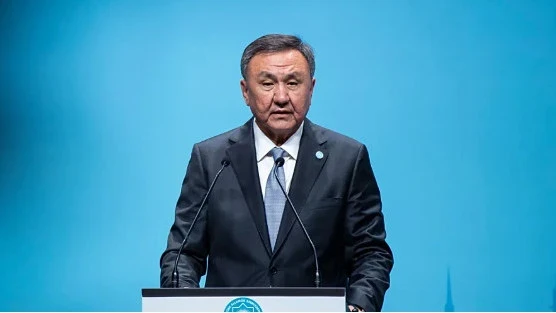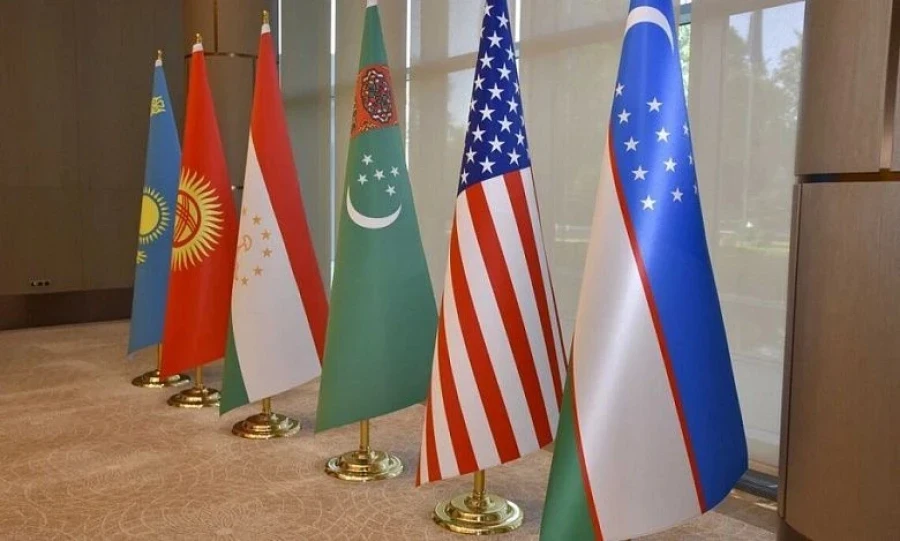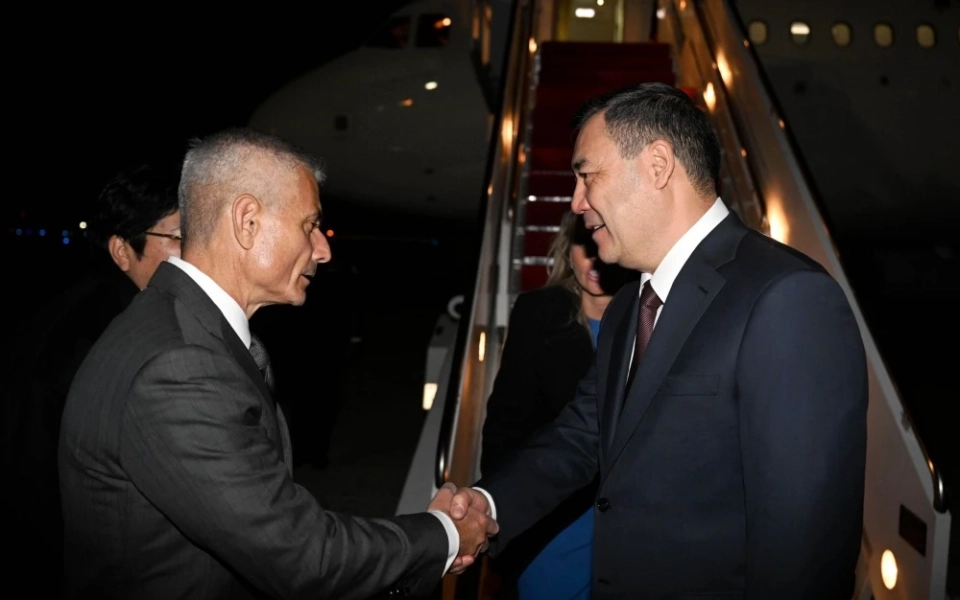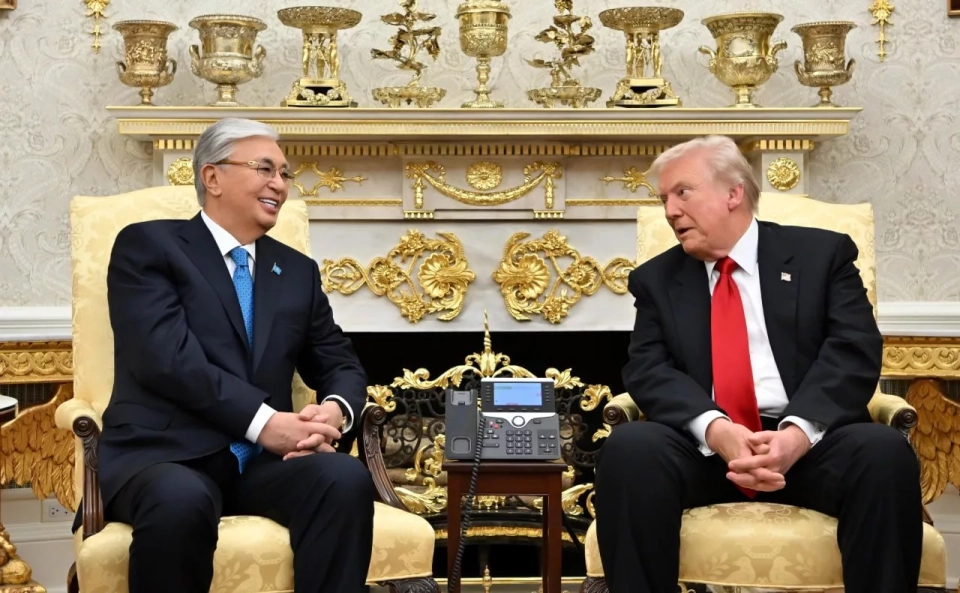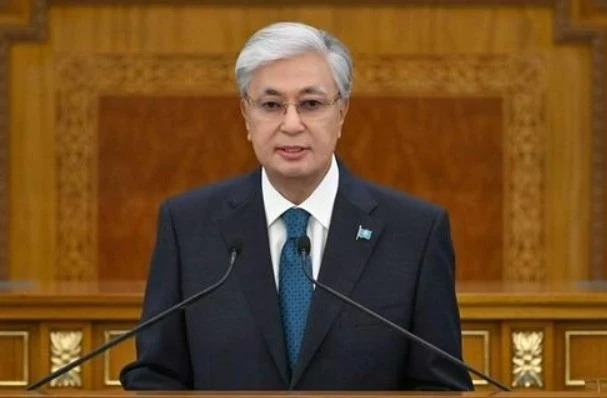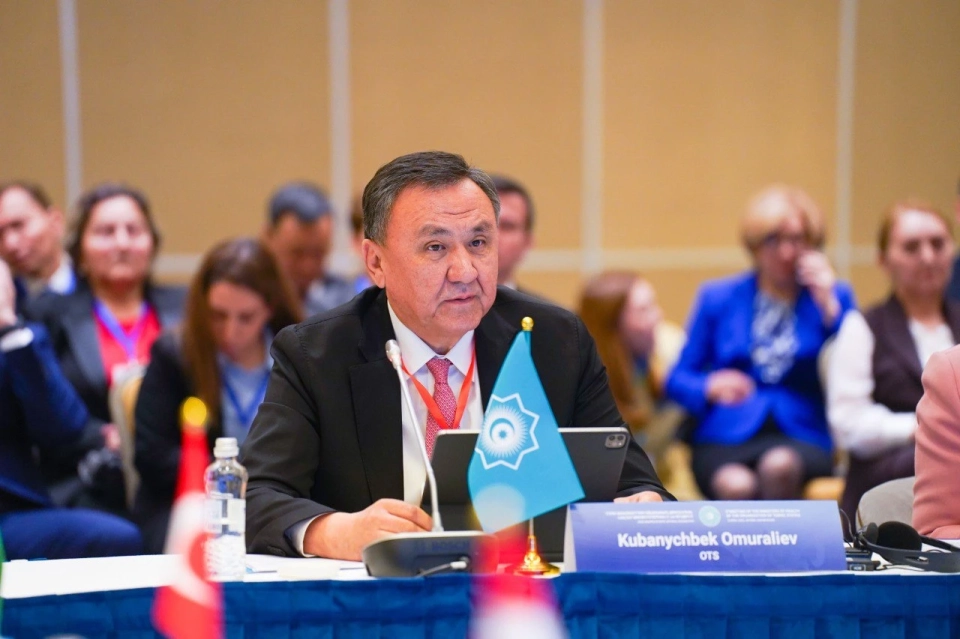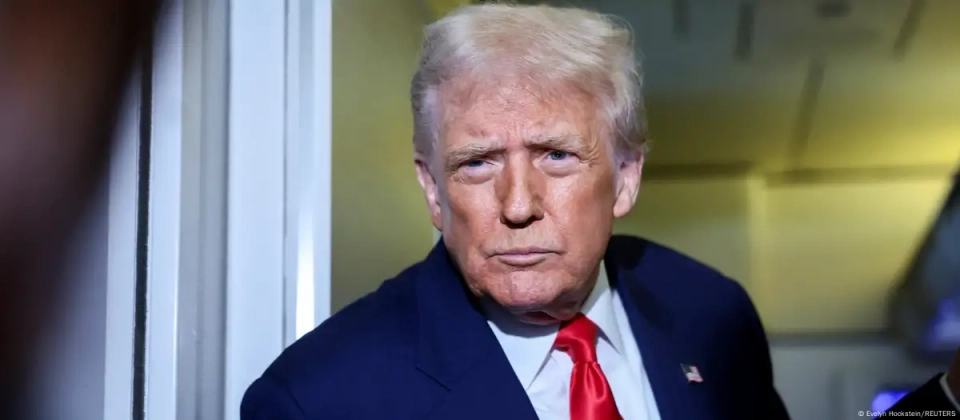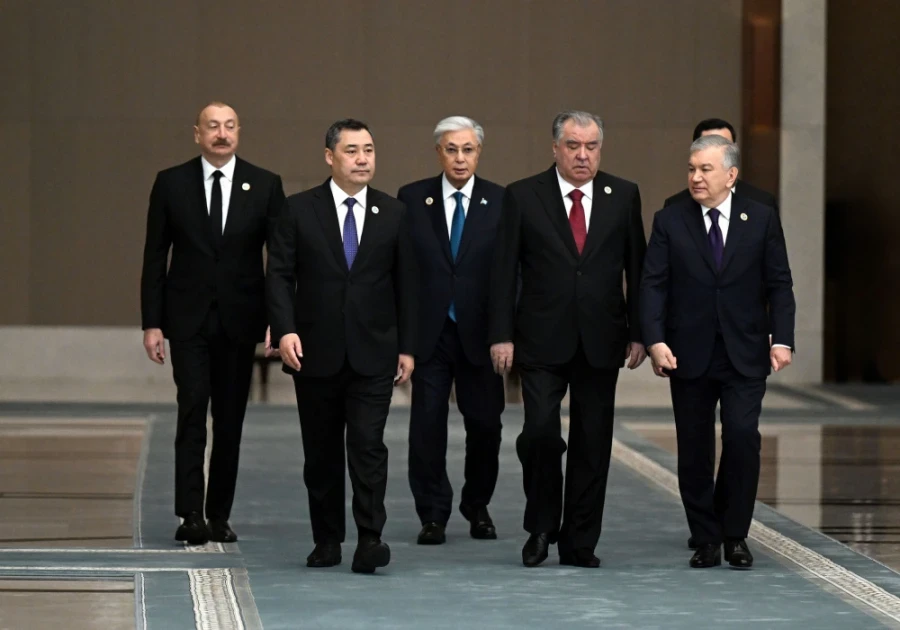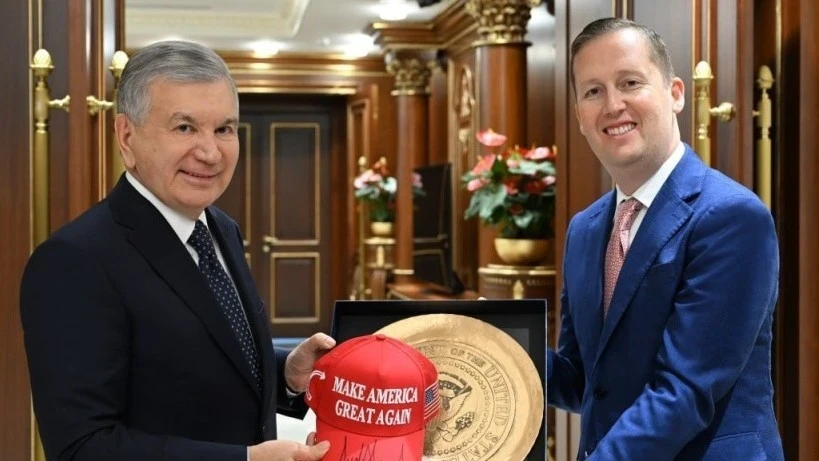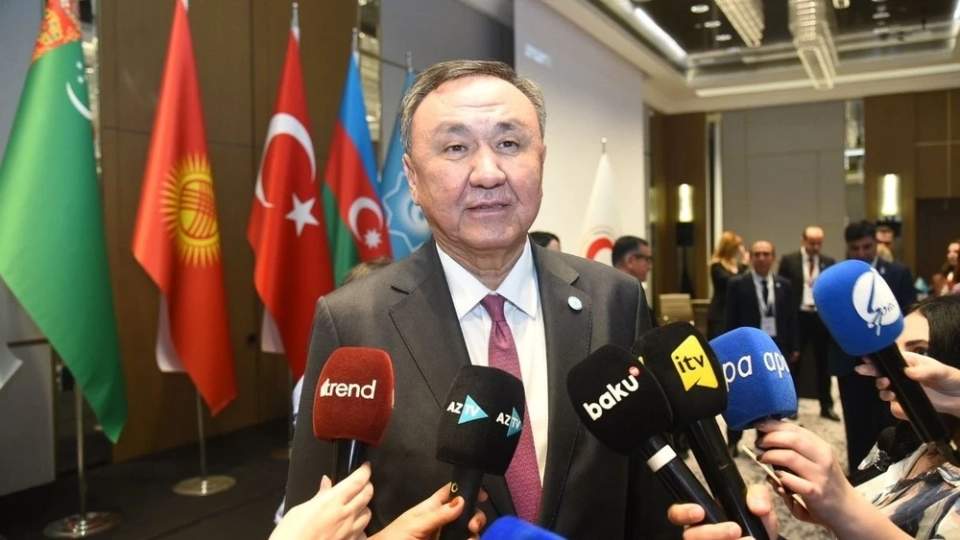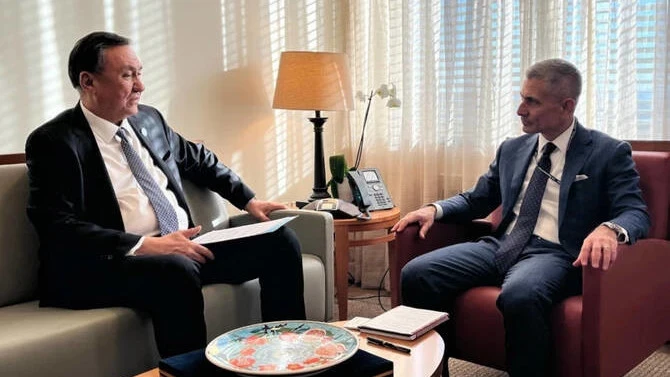
The visit of Omuraliyev took place shortly after President Donald Trump's meeting with the leaders of Central Asia at the White House, which was timed to the tenth anniversary of the C5+1 format. Also, against the backdrop of recent diplomatic progress between Armenia and Azerbaijan with the help of the United States, this event highlights the growing strategic importance of the Turkic Council and makes the moment particularly suitable for the visit of its Secretary General.
According to information provided by Arab News, the Turkic Council, which includes Turkey, Azerbaijan, Kazakhstan, Uzbekistan, and Kyrgyzstan, is becoming an increasingly prominent intergovernmental structure on the international stage. The idea of more structured Turkic cooperation was proposed back in 2006 by Kazakhstan's President Nursultan Nazarbayev, and in 2009, the Turkic Council was established to strengthen cultural, historical, linguistic, and economic ties among Turkic-speaking countries.
In 2019, Uzbekistan became a full member of the Turkic Council, while Turkmenistan, Hungary, and the de facto administration of Northern Cyprus participate in the organization as observers. The headquarters and secretariat are located in Istanbul, and meetings are held regularly to develop cooperation and integration among member states.
According to Arab News, the countries of the Turkic Council occupy a key geopolitical position in the center of Eurasia and possess significant economic and energy potential. The total population of member and observer states exceeds 158 million people, and their territory covers about 1.64 million square miles. The combined gross domestic product of these countries approaches $2 trillion.
All current members, except for Turkey, were previously part of the Russian Empire and the Soviet Union. Since the 1990s, after gaining independence, these countries have begun to reinforce their Turkic identity, which had previously been on the periphery of public consciousness. This includes the transition from Cyrillic to Latin script, the promotion of the idea of a unified Turkic alphabet, and efforts to revive the common language and culture of the Turkic peoples.
Arab News also emphasizes that millions of representatives of Turkic peoples live outside the Turkic Council, influenced by Turkic "soft power" through media, cinema, and music.
Although the Turkic Council occupies a minor share in the global economy, its strategic significance far exceeds the economic indicators of its member states. The region is rich in oil, natural gas, and rare earth metals, as well as important transport routes, including the Turkish Straits and the Middle Corridor, which connects Europe and Asia bypassing Russia.
Considering the influence of Russia and China in Eurasia, the strengthening of Turkic identity and the expanding role of the Turkic Council create a new strategic vector in the region. The organization has achieved success in economic integration, trade cooperation, and the development of transport infrastructure.
Recently, member states have begun discussing security issues, including joint training, defense coordination, and the possibility of multilateral military exercises, reports Arab News.
The combination of a young demographic situation, growing markets, and favorable geographical location makes the Turkic Council an important player in Eurasian affairs. If the Trump administration intends to continue its policy of global leadership and international engagement, strengthening cooperation with such organizations as the Turkic Council appears strategically justified.
Although Omuraliyev's visit to Washington was an important step, Arab News believes that the U.S. should build on the momentum achieved, aiming to strengthen U.S.-Turkic relations and hold a summit at the foreign ministers' level, which would open new economic and trade opportunities and enhance the strategic presence of the U.S. in the center of Eurasia.