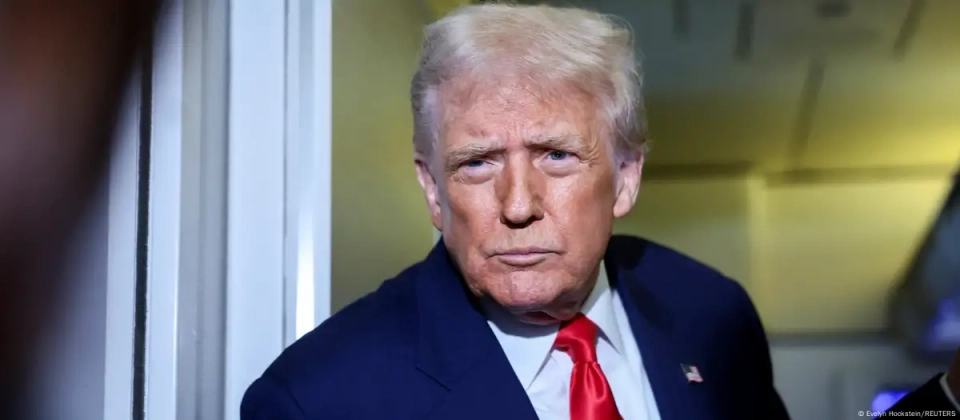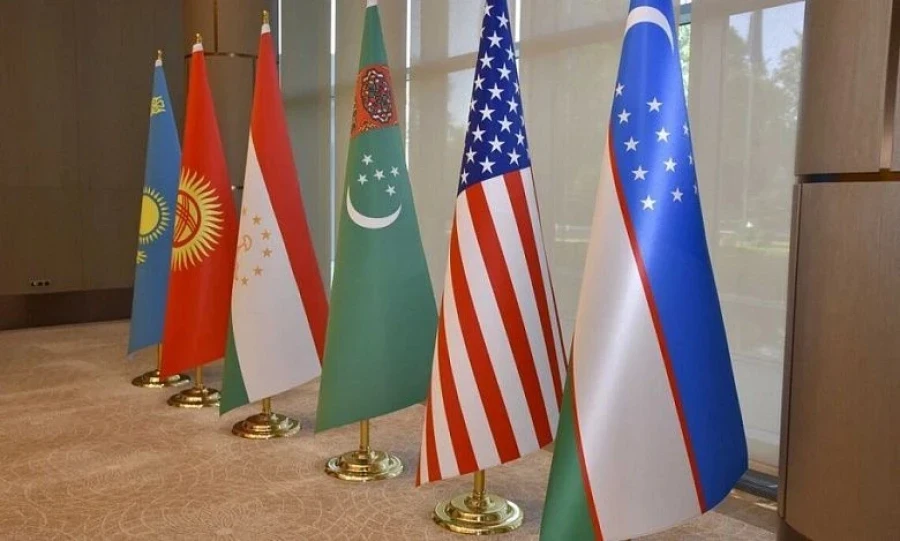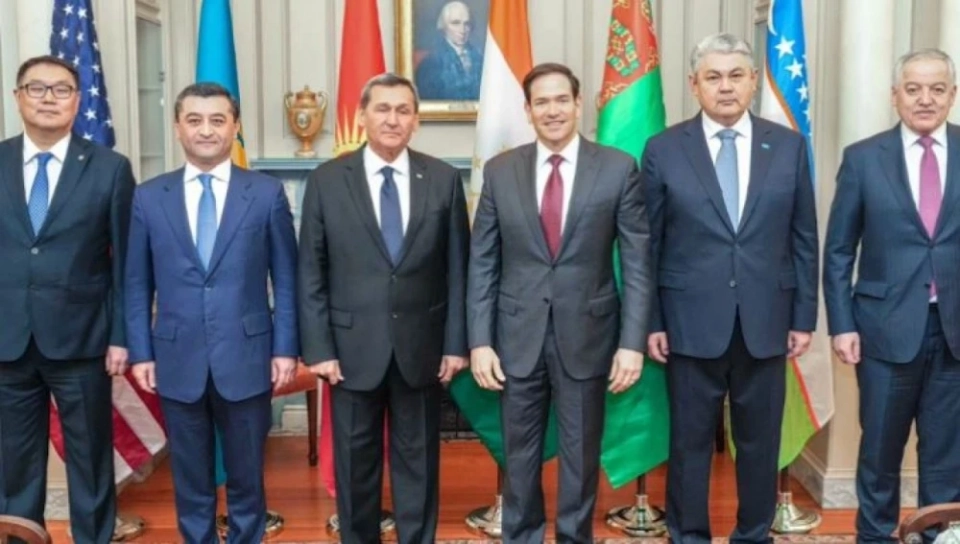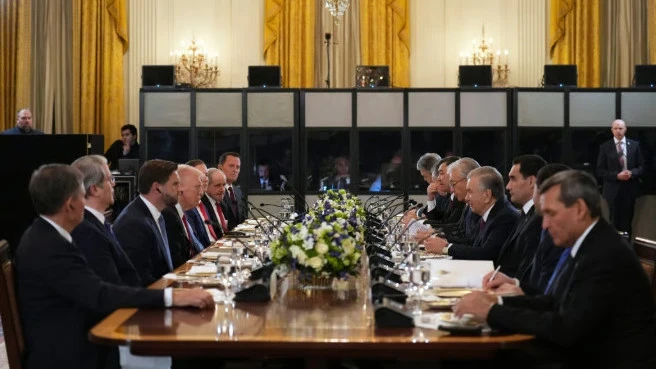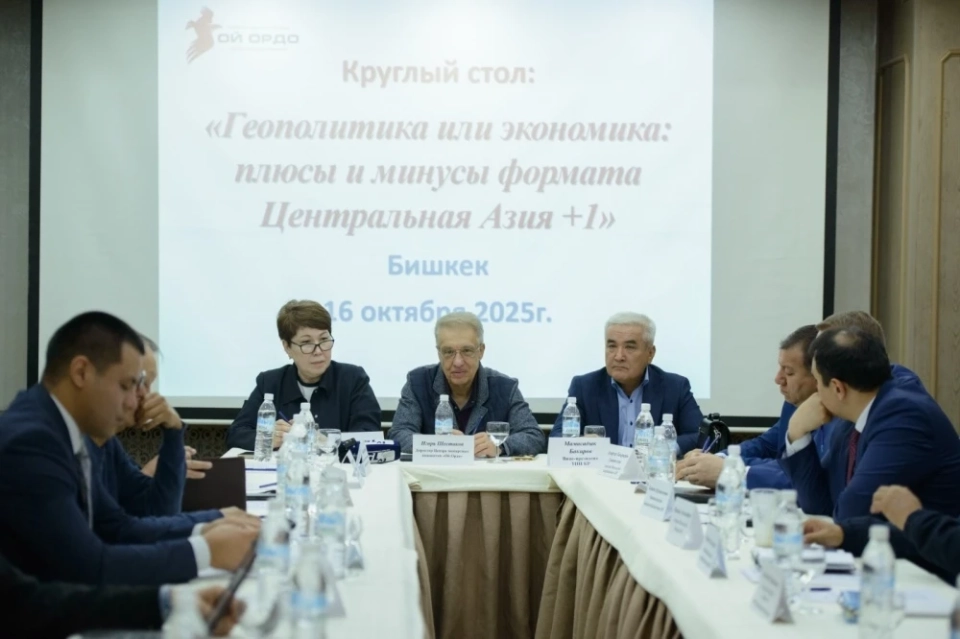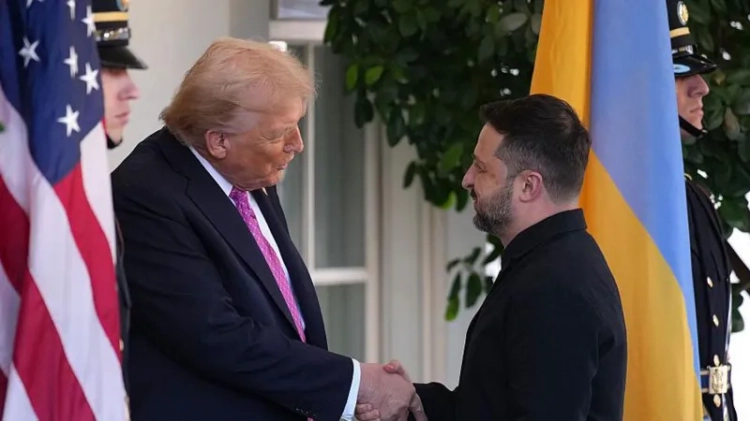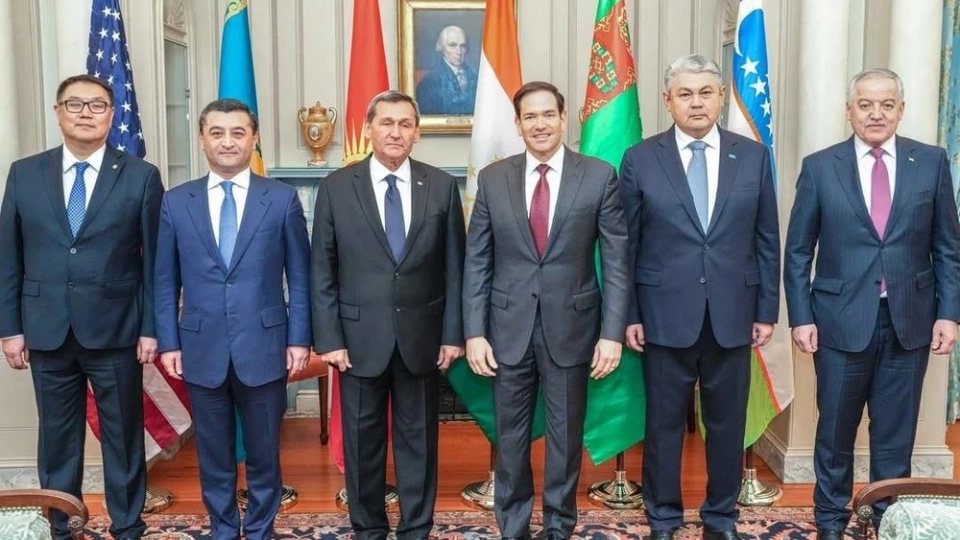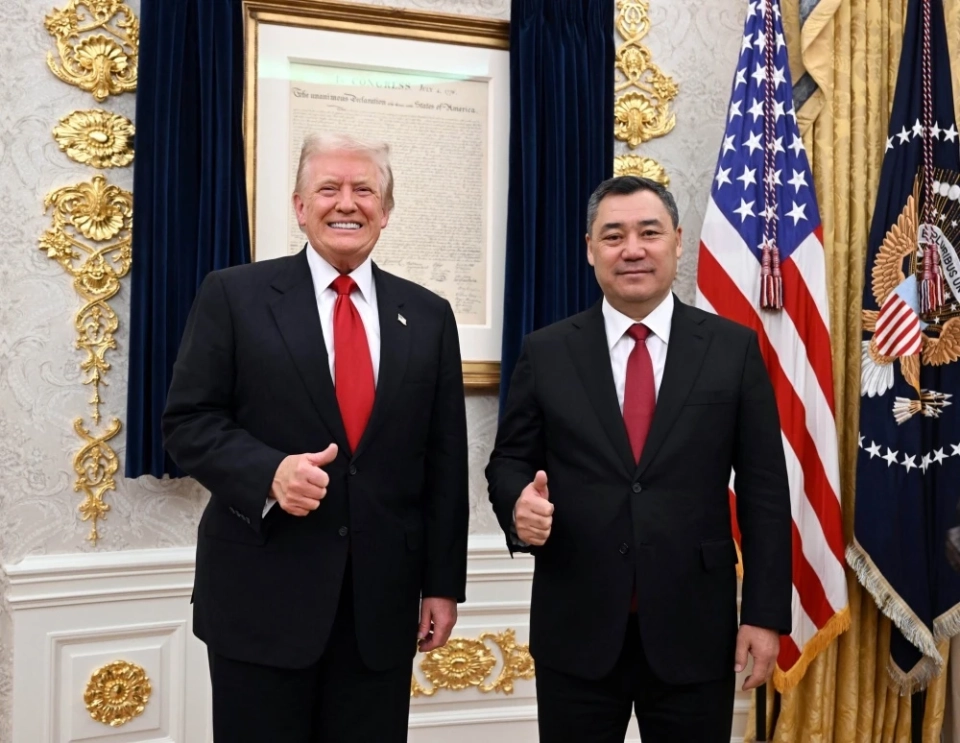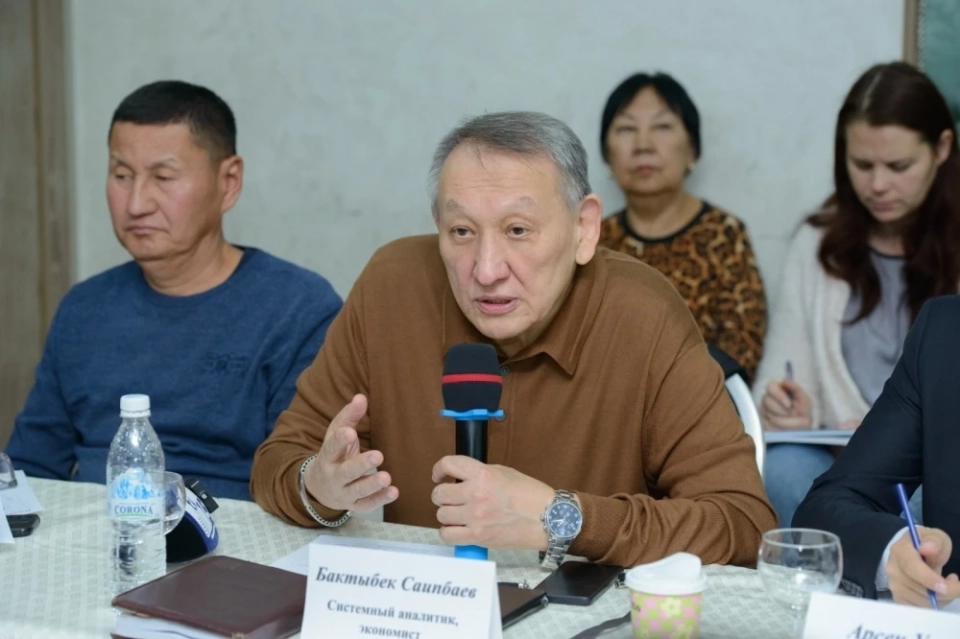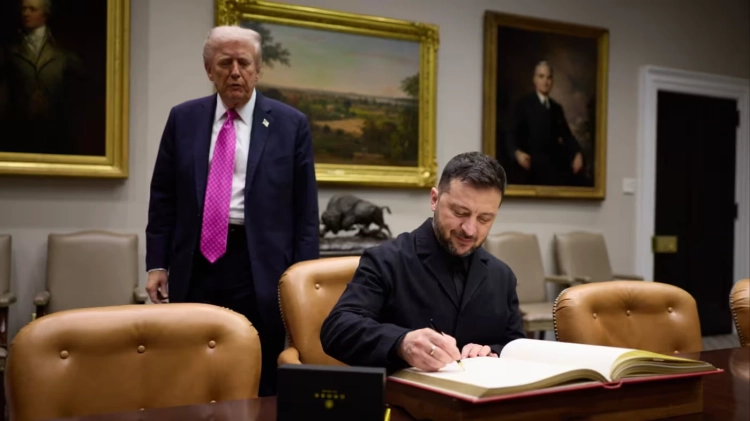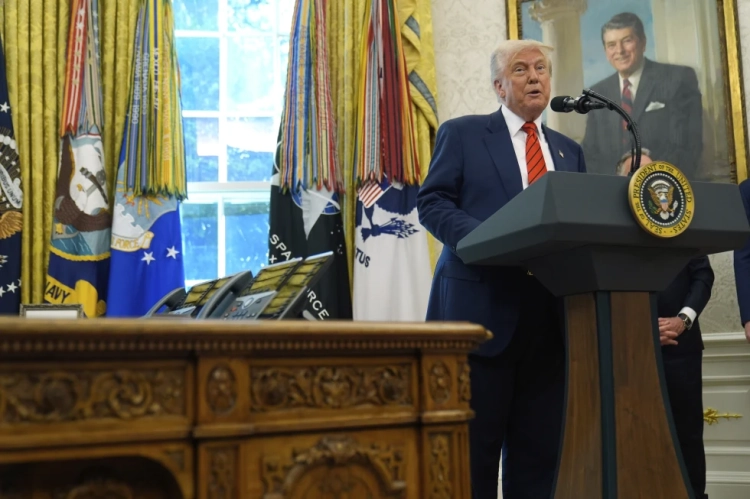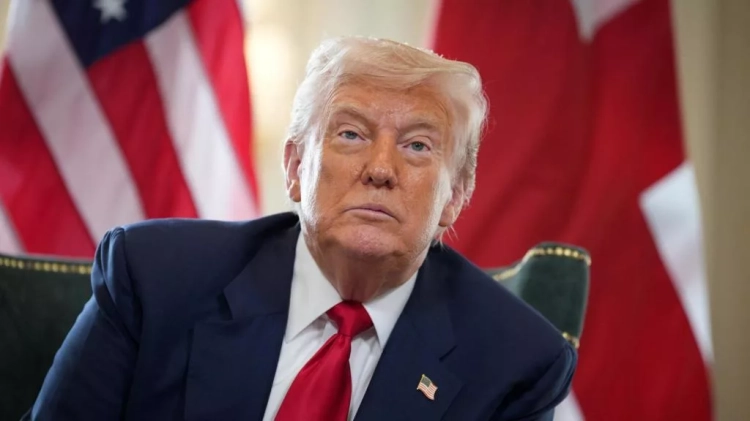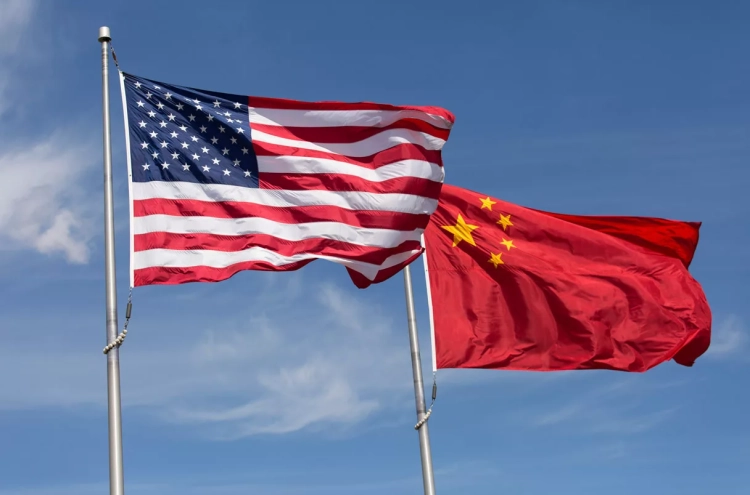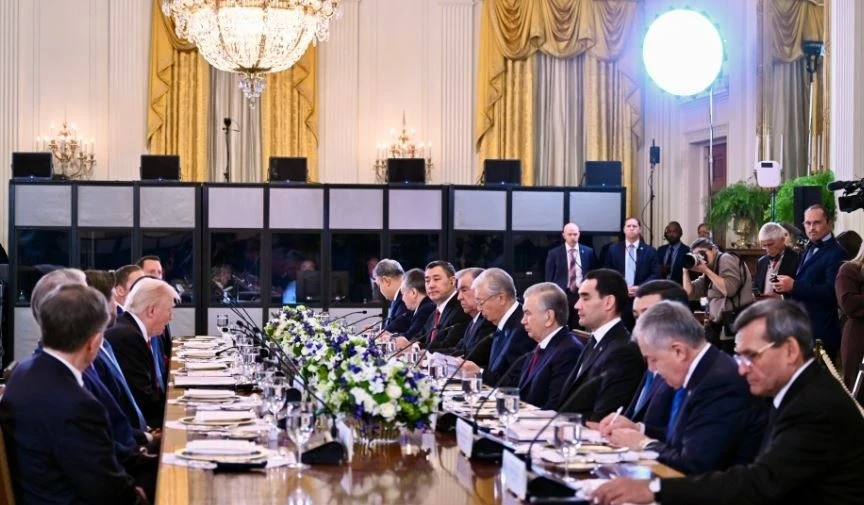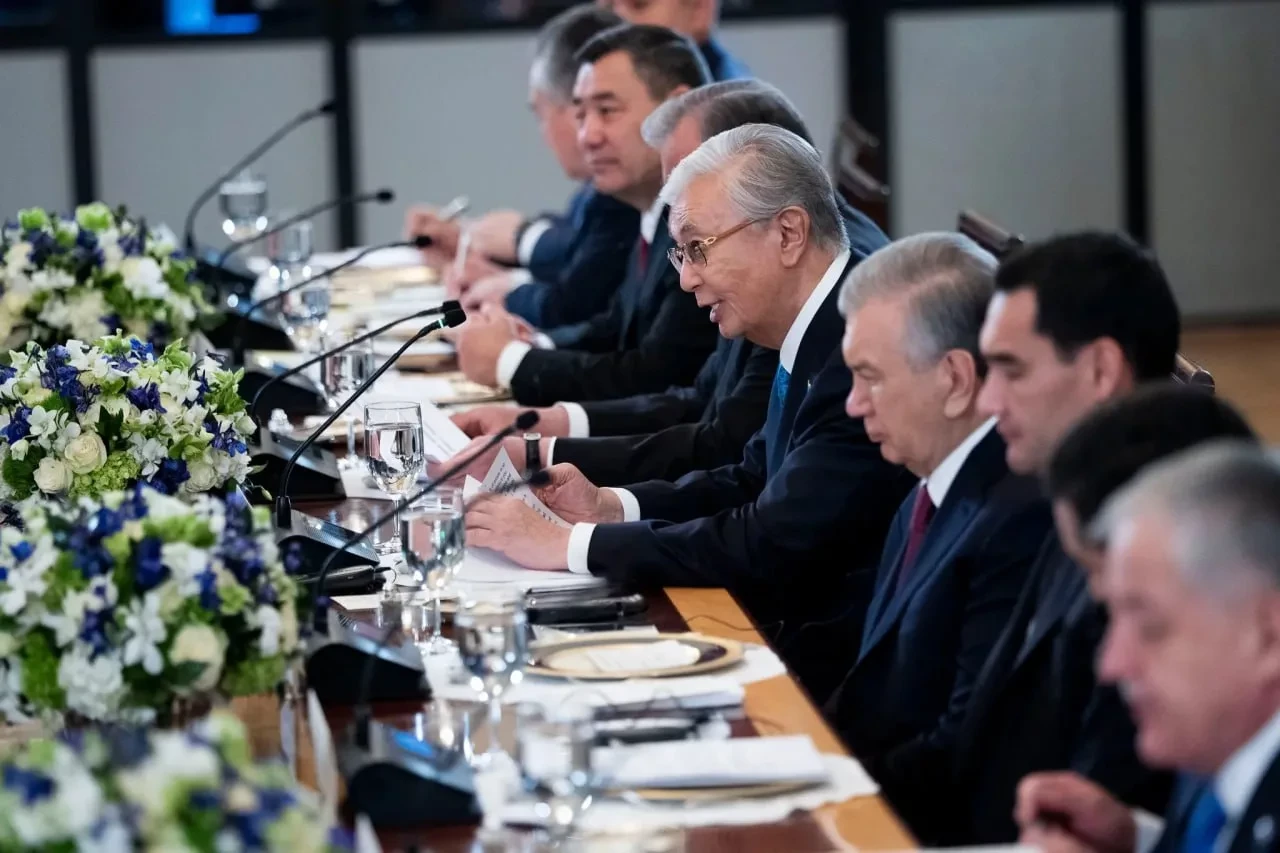
Trump became the first president to gather the leaders of all five Central Asian countries at the White House, highlighting the United States' attention to this region. This event took place against the backdrop of long-standing human rights issues and the influence of players such as Russia and China, who traditionally dominate this space.
The changes initiated by Trump allow the countries in the region, which have relations with Moscow and Beijing, to establish closer ties with Washington. This, in turn, gives them the opportunity to strengthen their positions in relations with the two largest neighbors.
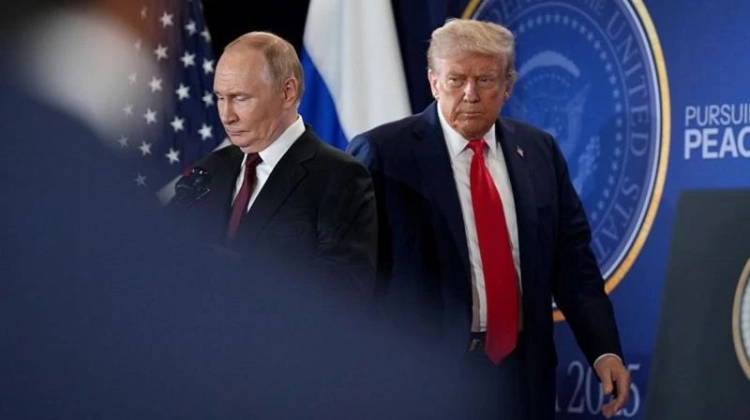
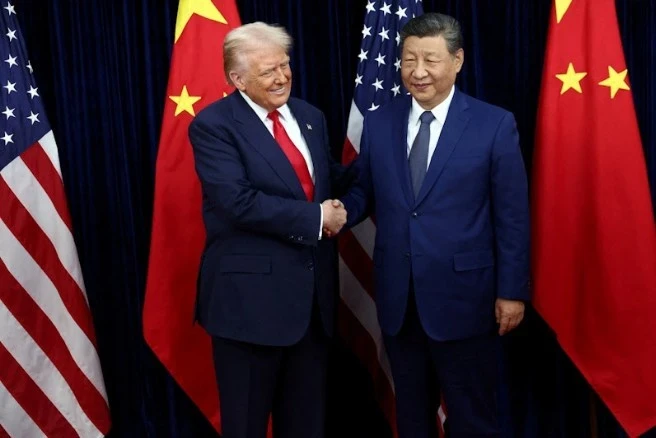
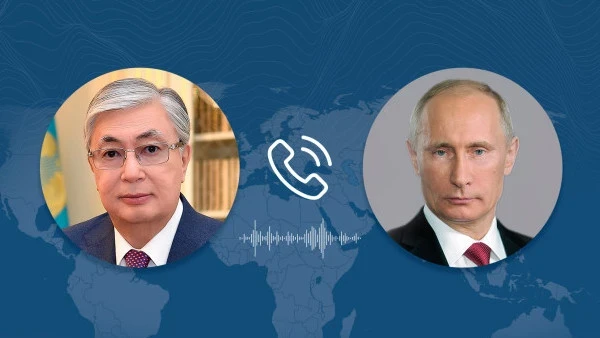
Kazakhstan's President Kassym-Jomart Tokayev noted in an interview with the NYT before his visit to the U.S. that "the U.S. has the right to a full presence" in Kazakhstan. He positively assessed the trade truce between Trump and China and the U.S. president's engagement with Vladimir Putin.
"It is important for major powers to find common ground," Tokayev added, emphasizing his satisfaction with the agreement between the two great powers.
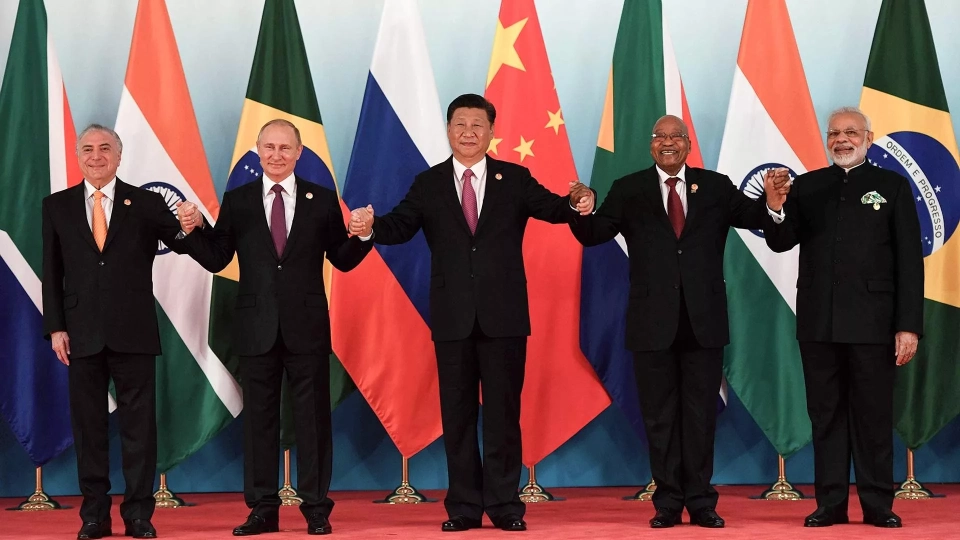
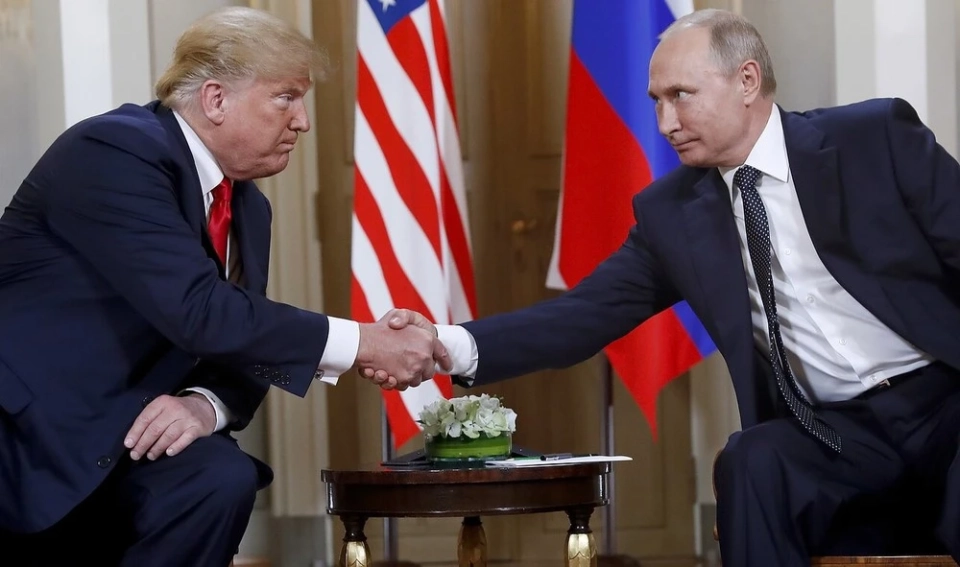
Russia continues to be the largest geopolitical player in Central Asia, viewing this region as part of its sphere of influence. The conflict in Ukraine has had a significant impact on the countries in the region, which are trying to balance their relations with Moscow and the necessity of not supporting Putin's actions.
According to Professor Gerard Toal, leaders of the former Soviet republics understand that it is impossible to rid themselves of Moscow's influence; however, they strive to demonstrate to the Kremlin that they have their own maneuvering space.
"Simply visiting the White House shows the Kremlin that you have independent power," Toal noted.
Temur Umarov, an analyst at the Carnegie Eurasia Center in Berlin, emphasized that Central Asian leaders "feel much more comfortable doing business with Trump," highlighting his pragmatic approach to engagement.
At an event at the Kennedy Center, where representatives of the business communities from the U.S. and Central Asia discussed prospects for cooperation, Commerce Secretary Howard Lutnick promised to develop high-tech supplies, including chips and aviation. He noted that America is "open for business," which differs from the previous administration.
Kazakhstan, Tajikistan, and Uzbekistan announced their intention to purchase new Boeing airplanes and John Deere agricultural equipment worth billions of dollars. Kyrgyzstan also expressed interest in procuring American services for railway construction. Kazakhstan, in turn, plans to invest up to $2 billion in artificial intelligence chips in collaboration with OpenAI and Nvidia.
One anonymous senior official from Central Asia noted that Lutnick's personal involvement inspires new forms of cooperation, moving from business negotiations to higher levels of state interaction.
Cove Capital thanked Lutnick for his support in the project to develop a major tungsten deposit in Kazakhstan. Tokayev noted that he approved the deal, and Trump praised him for the $4 billion agreement for locomotive supplies.
Luke Coffey from the Hudson Institute, which emphasizes the importance of strengthening relations with Central Asia, noted that Trump's preference for "transactionalism" creates opportunities for both sides.
At the same time, there was no criticism expressed at the summit regarding the deteriorating human rights situation in the region. Turkmenistan, an authoritarian state, has not hosted leaders at the White House since 1998, and a recent bill was proposed in Kazakhstan that would impose penalties for "LGBT propaganda." Tokayev, commenting on the bill, stated that the government is not associated with this initiative, adding that while people cannot be punished for homosexuality, it is important not to impose such values on children.
Tokayev also expressed support for Trump's efforts to "revive traditional moral values," stating that the American president inspires him to implement a "law and order" strategy in Kazakhstan.