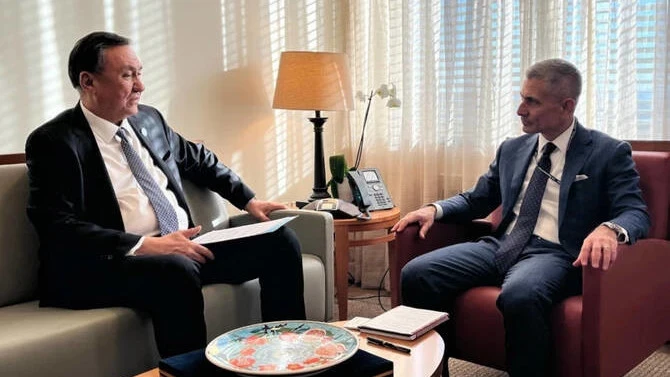
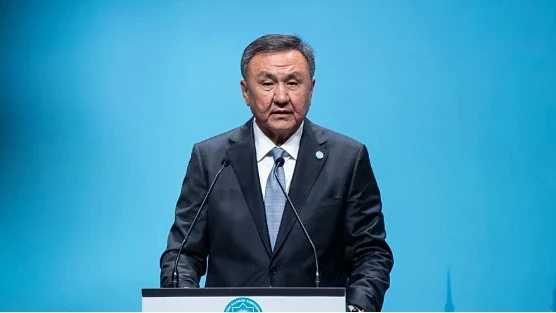
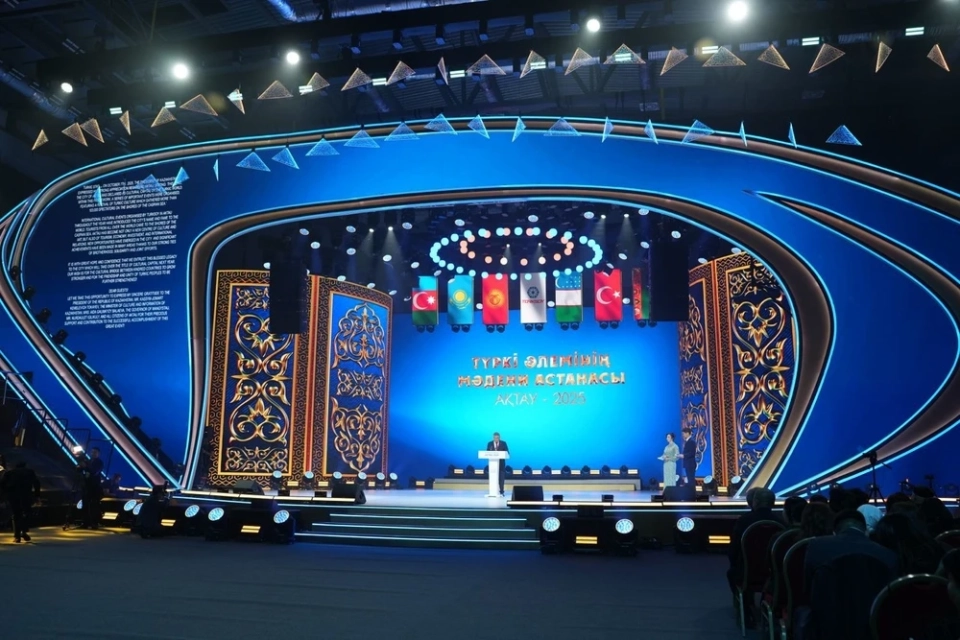
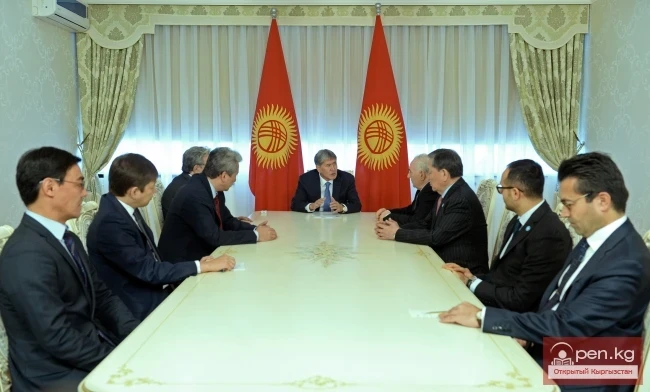
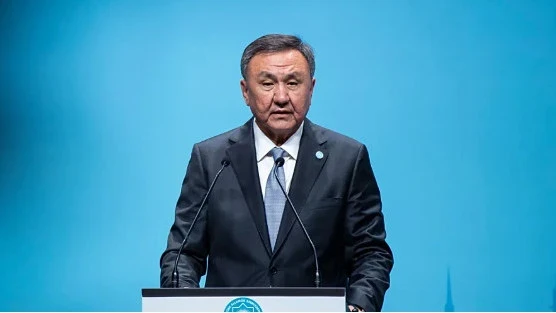
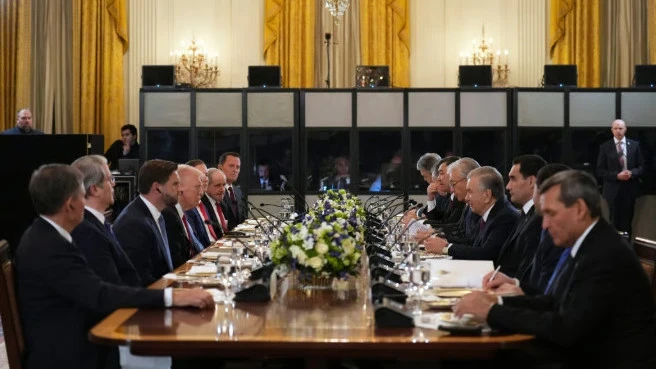
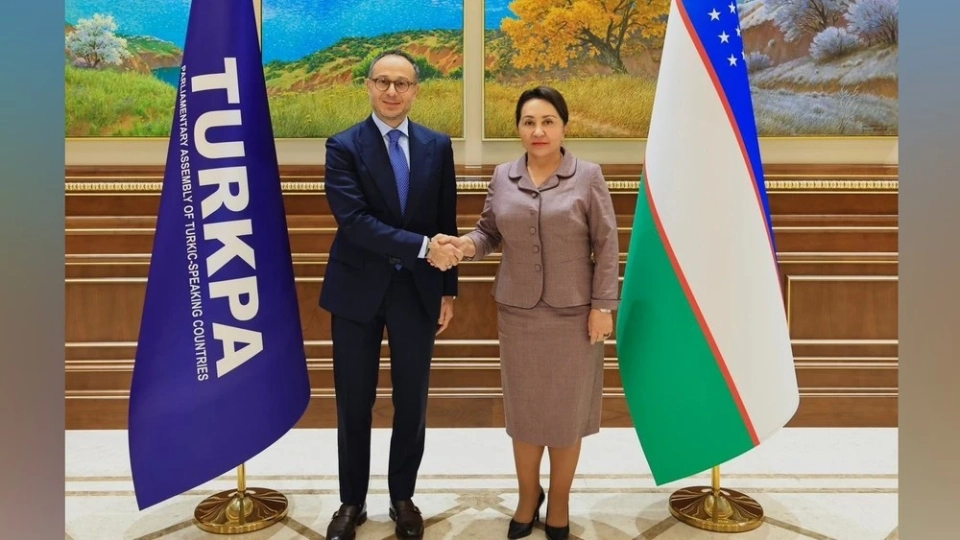
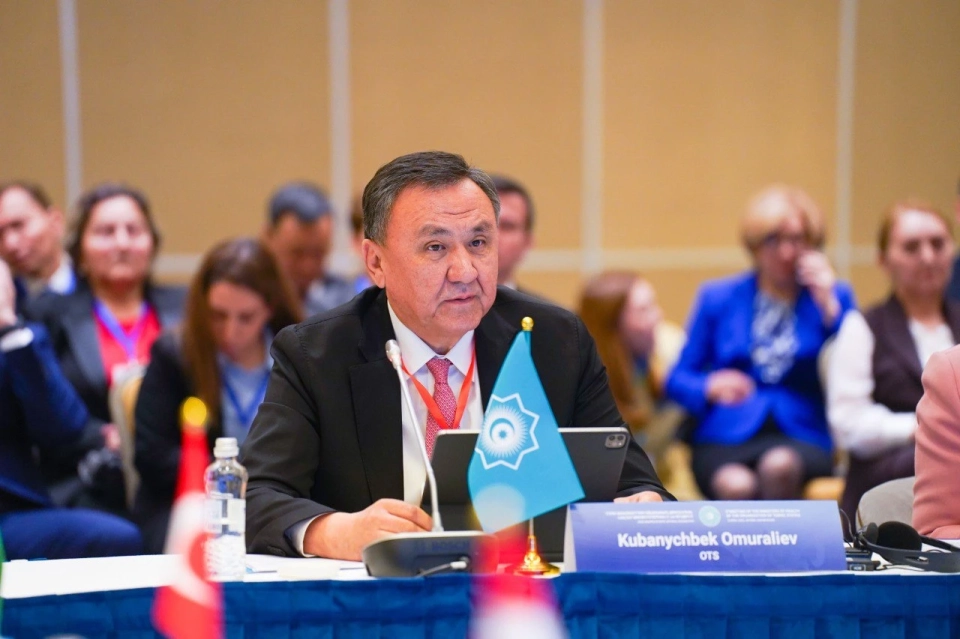
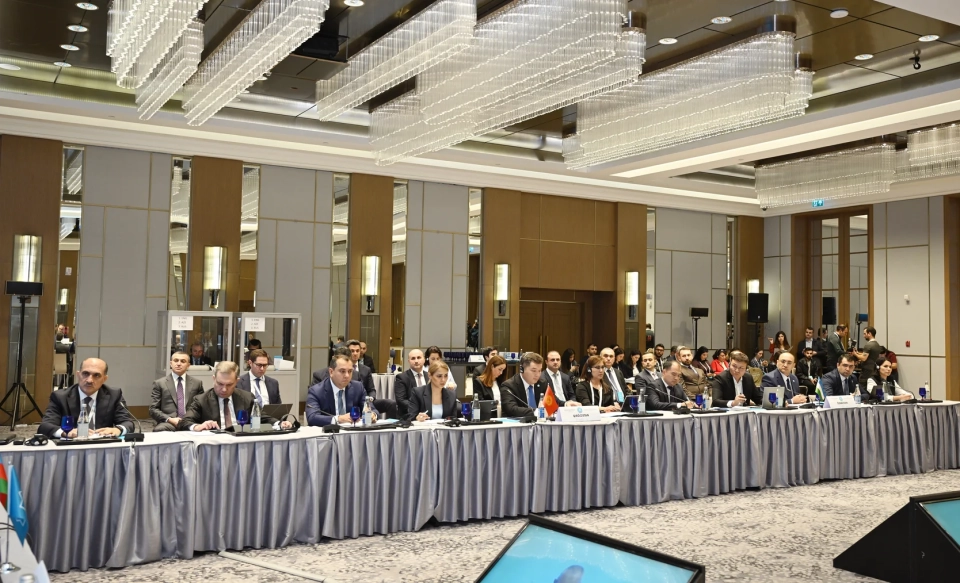
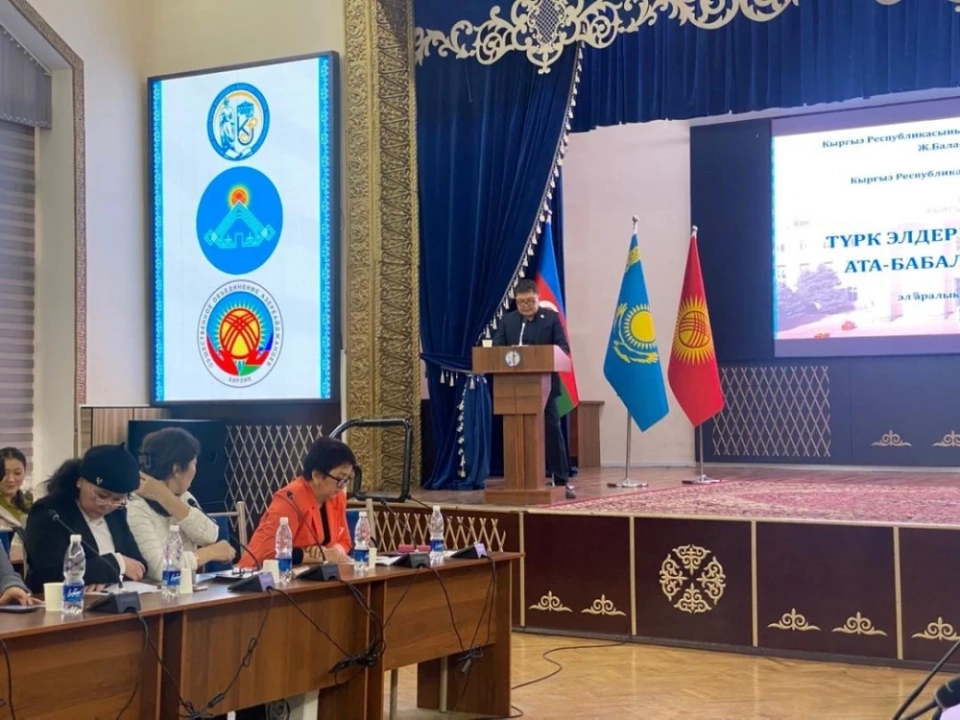
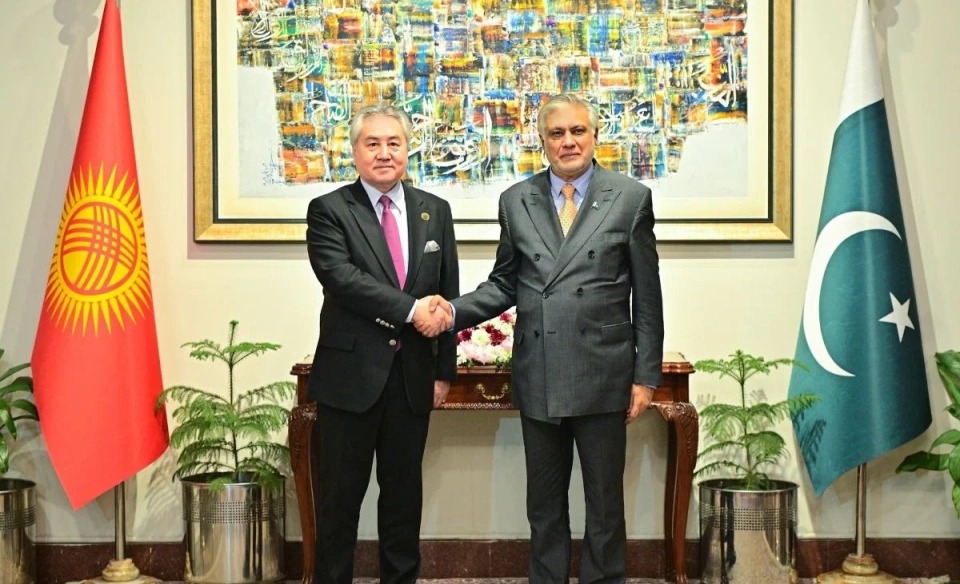
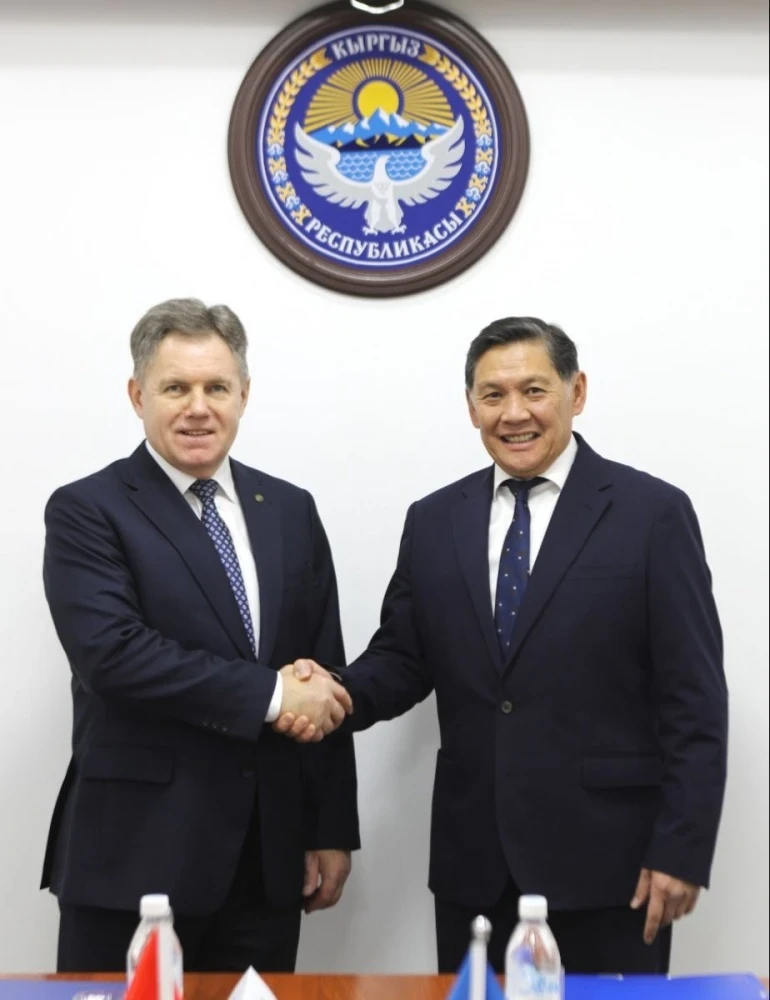
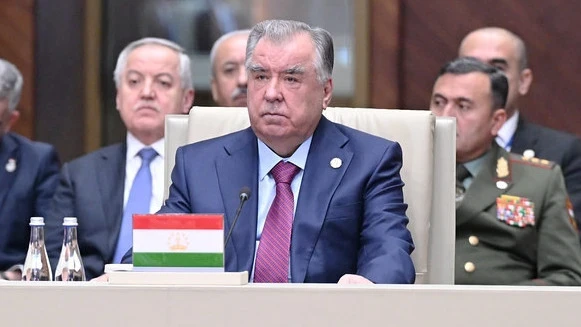
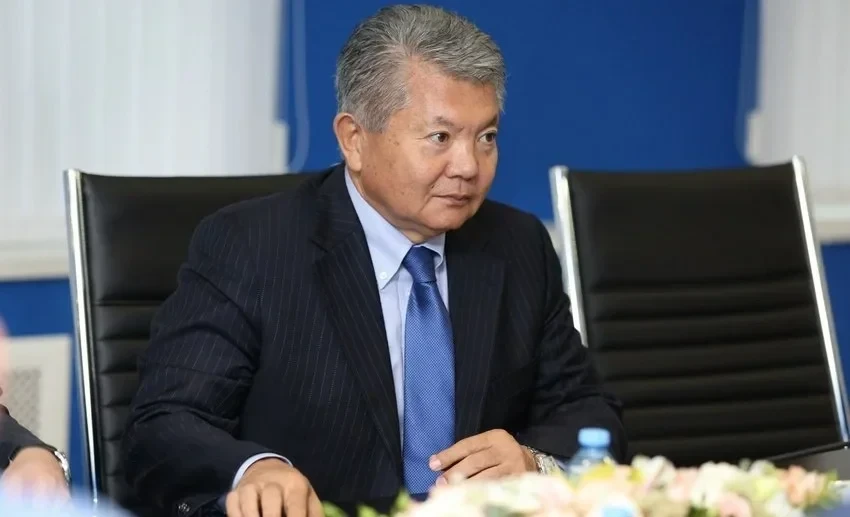
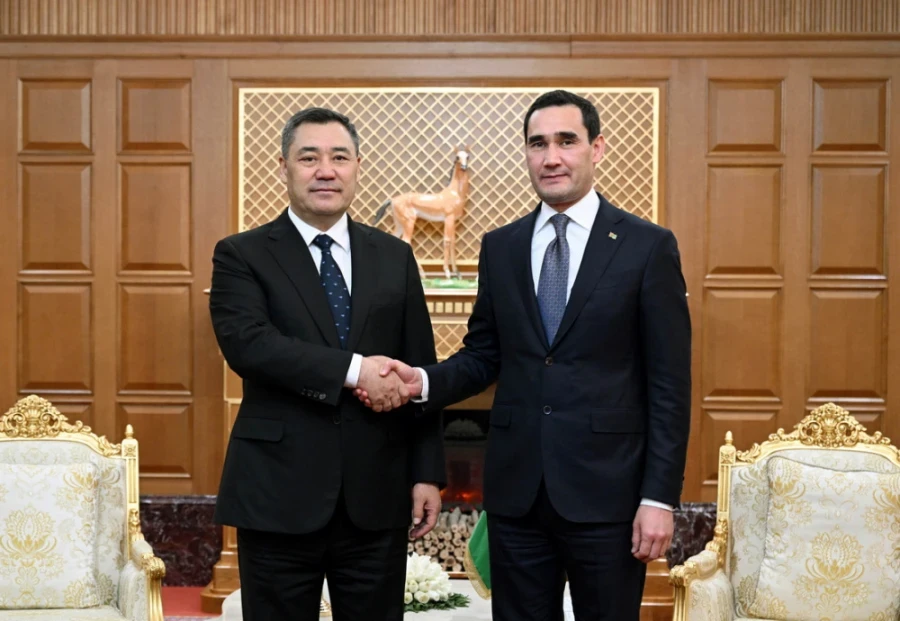
This visit occurred after a significant meeting between President Donald Trump and Central Asian leaders at the White House, timed to coincide with the 10th anniversary of the C5+1 format. It is also worth noting the recent diplomatic breakthrough between Armenia and Azerbaijan mediated by the U.S. All these events underscore the growing strategic importance of the organization and the relevance of Omuraliev's visit.
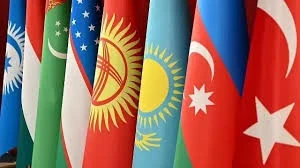
The Turkic States Organization, which includes countries such as Turkey, Azerbaijan, Kazakhstan, Uzbekistan, and Kyrgyzstan, is becoming an increasingly influential intergovernmental structure on the world stage, notes Coffey.
The idea of formalizing Turkic cooperation was proposed back in 2006 by Kazakhstan's President Nursultan Nazarbayev. In 2009, the Turkic Council was established to strengthen cultural, historical, linguistic, and economic ties between the states.
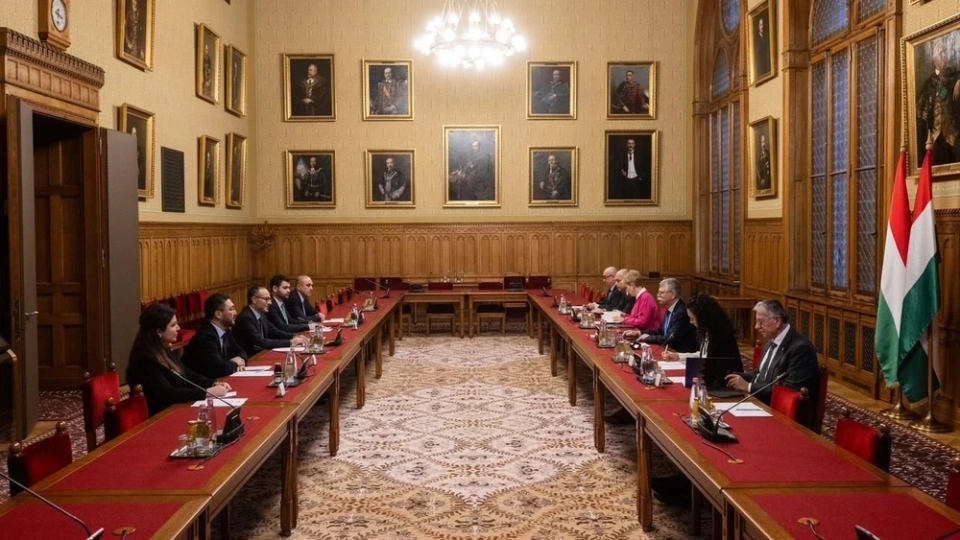
In 2019, Uzbekistan joined the organization as a full member, while Turkmenistan, Hungary, and the de facto administration of Northern Cyprus serve as observers. The headquarters and secretariat of the organization are located in Istanbul, where meetings are regularly held to deepen cooperation.
The countries of the Turkic bloc are located in one of the most strategically significant regions of the world, at the center of Eurasia, and possess substantial economic and energy resources. In total, the participants and observers of the organization represent over 158 million people across an area of about 1.64 million square miles, with a combined GDP close to $2 trillion.
All current members, except for Turkey, were historically part of the Russian Empire and the Soviet Union. Since gaining independence in the 1990s, these Turkic states have begun to rediscover their Turkic identity.
It is important to note that millions of representatives of Turkic peoples live outside the organization, influenced by Turkic "soft power," primarily through television, cinema, and music.
Despite relative economic modesty, the strategic significance of the Turkic States Organization far exceeds the economic indicators of its members. The region is rich in oil, natural gas, and rare earth minerals, which are becoming increasingly important for global supply chains and economic security.
"Key transit routes and trade hubs, such as the Turkish Straits and the Middle Corridor connecting Europe and Asia bypassing Russia, are located here. This attracts the attention of Western politicians," notes Luke Coffey.
While the influence of Russia and China continues to shape the geopolitics of Eurasia, the revival of Turkic identity and the activation of the Turkic States Organization add additional strategic weight to the region's map. The organization, initially focused on cultural identity, is gradually developing economic integration, trade cooperation, and infrastructure initiatives.
Discussions on security cooperation, including joint exercises and defense coordination, as well as the prospects for multilateral military exercises, have recently begun.
According to the author, the combination of a young demographic, growing markets, and favorable geographic location makes the organization an important player in Eurasian affairs.
If the Trump administration aims for global leadership and active engagement, especially in business and economic spheres, then cooperation with structures like the Turkic States Organization is of strategic importance. It includes countries interested in expanding trade ties and actively participating in global processes.
Luke Coffey believes that the U.S. should leverage the recent momentum of engagement with Central Asia and the South Caucasus to strengthen U.S.-Turkic relations. One step could be a ministerial-level summit, which would open new economic opportunities and strengthen the U.S. strategic presence in the heart of Eurasia, benefiting all parties involved.