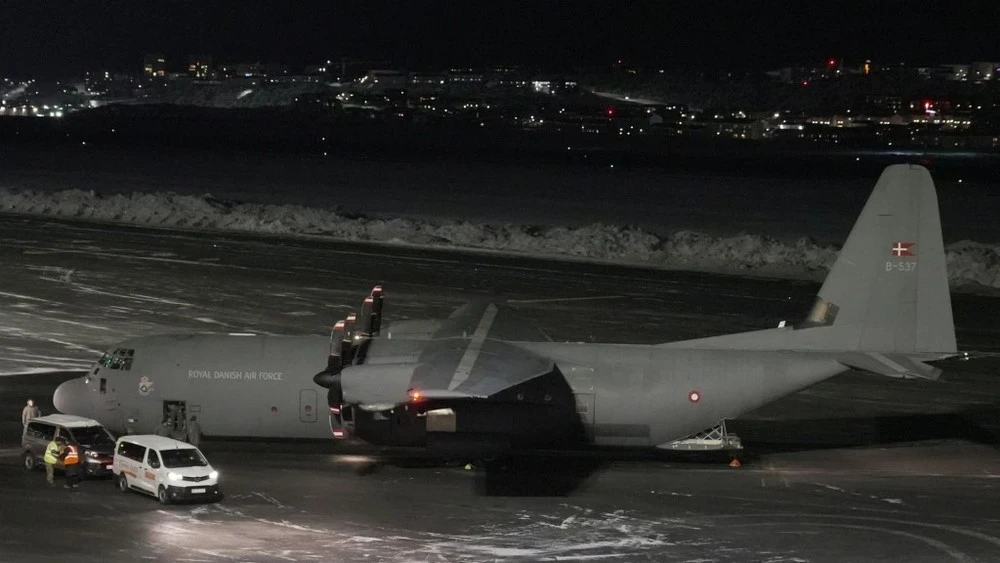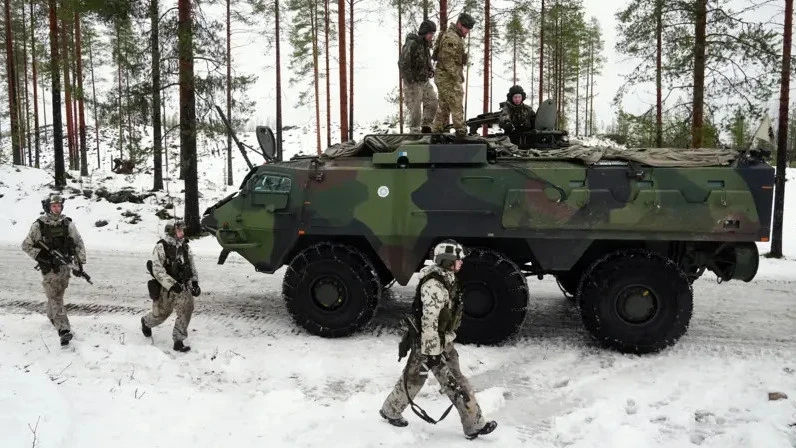
Finland plans to lift its long-standing ban on the placement of nuclear weapons on its territory. According to the government, this decision will allow the country to better integrate its defense policy with NATO's nuclear deterrence concept. This announcement was made by the BBC.
According to Finnish Defense Minister Antti Häkkänen, since the onset of Russian aggression in Ukraine in 2022, the security of both Finland and Europe has undergone significant changes. In 2023, the country, which shares a border with Russia, abandoned its neutrality and joined NATO.
A law passed in Finland in 1987 prohibits the import, production, and storage of nuclear warheads, even in wartime. However, the government has now proposed to amend these regulations to allow for "the import, transportation, and storage of nuclear weapons if necessary for the defense of Finland," Häkkänen explained.
"This amendment is necessary to ensure the country's defense within the alliance and to fully utilize the capabilities of NATO's deterrence and collective defense policy," he added at a press conference on Thursday.
The fundamental principle of NATO is collective defense: an attack on one ally is considered an attack on all its members. This principle also underlies the alliance's nuclear deterrence strategy.
The presence of nuclear powers in NATO makes any attack on a member country potentially risky, as it could provoke a nuclear response. According to the Center for Arms Control, American nuclear weapons are already deployed in several European countries.
Implementing the new proposal will require changes not only to the nuclear energy law but also to Finland's criminal code. The ruling coalition in parliament announced that public discussions on the bill will begin before April 2, after which it will be presented for a vote.
Finland has the longest border with Russia among European countries—1,340 km. Following the start of Russia's war against Ukraine in April 2023, Finland became the 31st member of NATO, and in 2024, neighboring Sweden joined the alliance. Russian President Vladimir Putin has repeatedly expressed opposition to NATO's eastward expansion, and the accession of two countries to the alliance is viewed by many experts as a strategic defeat for the Russian leader.
Swedish Prime Minister Ulf Kristersson previously stated that the doctrine prohibiting the placement of foreign troops or nuclear weapons "will not apply" if the country finds itself in a "completely different situation."
On Monday, France and Germany announced their intentions to strengthen cooperation with European partners in the field of nuclear deterrence.
The Kremlin warned of consequences if nuclear weapons are placed on Finnish territory. "These statements provoke an escalation of tension in Europe and create risks for Finland itself. If it starts to threaten us, we will be forced to take retaliatory measures," said Dmitry Peskov, the spokesperson for the President of Russia.