Humanitarian Aid Instead of Demonstrating Power
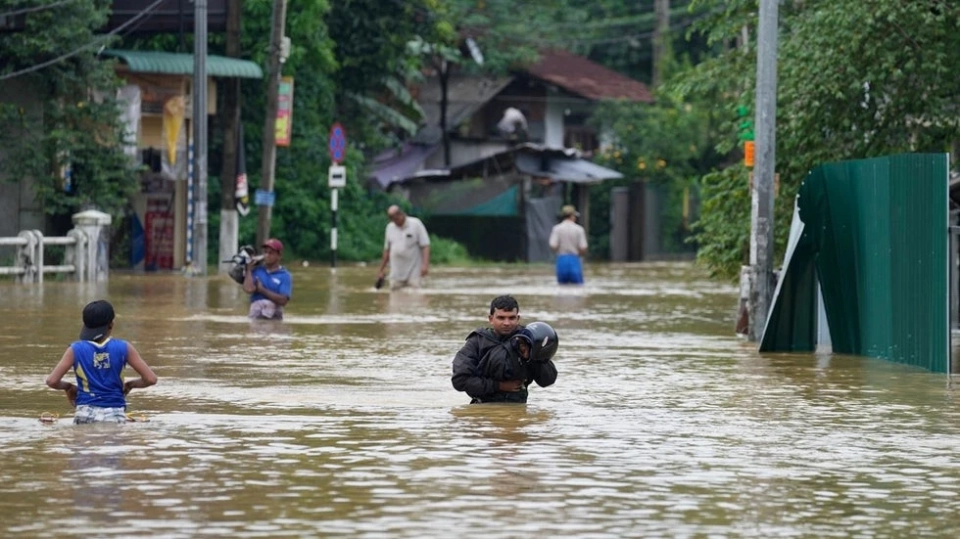
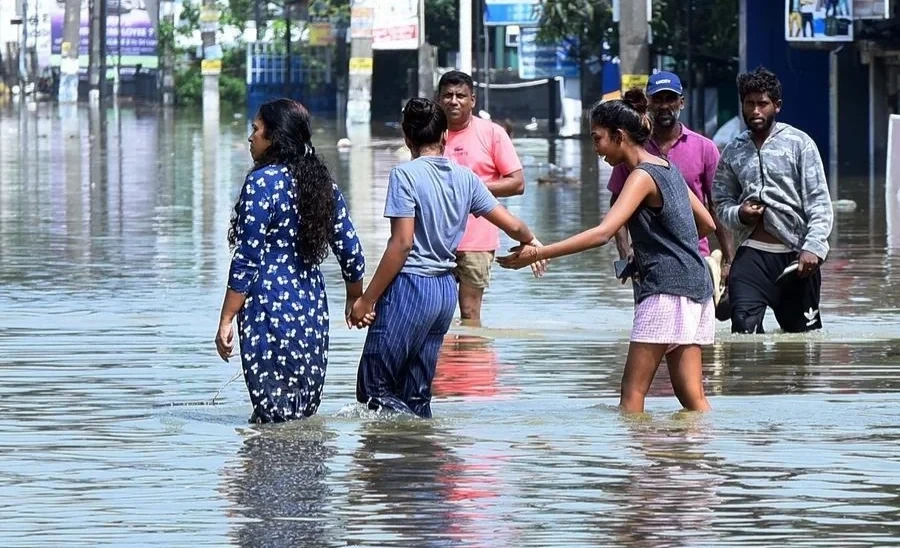
At the end of December, India presented a $450 million aid package for the recovery of Sri Lanka, which was affected by Cyclone "Dithwa," that struck the country in 2025. In response to the disaster, the Indian Navy launched a humanitarian operation called Sagar Bandhu, aimed at addressing the aftermath of the catastrophe.Indian warships, Vikrant and Udaygiri, which were in Colombo for the International Fleet Review, were promptly redirected to provide assistance at the request of local authorities. Shipborne helicopters were used for aerial reconnaissance and search for victims, and the Sukanya vessel was dispatched with vital humanitarian supplies.
This operation serves as a vivid example of India's new strategy in regional cooperation, based on the principle of "respectful response" rather than the role of an imposing "security provider."
Changing Role: From "Security Provider" to "Preferred Partner"
For many years, India has been perceived as a "net security provider," a term first introduced by American officials at the Shangri-La Dialogue in 2009 to denote the country's growing influence in the Indian Ocean. While this indicated an increase in India's capabilities, it also raised concerns related to unilateral actions and the formation of a "big brother" dynamic, which caused apprehension among smaller neighbors.Pakistan warned of potential Indian hegemony, while the "India Out" campaign in the Maldives and Bangladesh's cautious stance reflected regional countries' concerns about India's role as a self-appointed "police force."
The shift to the concept of "preferred security partner" in 2020 marked a new step in India's strategy. As then-Foreign Minister Nirupama Rao noted back in 2010, the country is unable to handle regional security responsibilities alone. The question was not whether India should play such a role, but how exactly it should be organized.
This new strategy is reflected in operations like Sagar Bandhu, where India acts as a "respectful responding" partner.
Core Principles of "Respectful Response"
The first principle is the absence of unsolicited intervention.India initiates actions only at the request of countries in need of assistance. The experience of its colonial past compels the country to be sensitive to sovereignty issues, especially in a region where memories of interventions remain painful. For instance, aid after the 2004 tsunami was provided only upon official requests from neighbors, as was the support for Sri Lanka after Cyclone "Dithwa."
The second principle is the absence of political conditions.
Indian humanitarian aid is not tied to political demands or conditions, which sharply contrasts with the approaches of other countries. During the Sagar operation in 2020, India supplied medicines and vaccines to the Maldives without using the situation for political gain, despite the "India Out" campaign.
The third principle is prioritizing the authority of the host state.
Indian military forces do not create their own command structures and do not bypass local authorities, acting in coordination with them. While this may slow down processes, such an approach fosters long-term trust. In Sri Lanka, aid was distributed in coordination with local authorities, which helped create an image of India as a partner rather than as a factor that intercepts governance.
Balancing Ambitions and Capabilities
This approach helps India navigate the internal contradictions of its regional role. On one hand, the country's geographical position, the presence of two aircraft carriers, and expanding naval capabilities make it an obvious regional power. About 80% of its trade and 90% of energy resources pass through the Indian Ocean, making maritime security vital.On the other hand, India faces continental threats from China and Pakistan, as well as budget constraints and a long-standing dependence on arms imports. Although the Indian Navy, consisting of approximately 130 ships, is significant, it does not meet the estimated need for 200 ships to ensure simultaneous presence in the Arabian Sea and the Bay of Bengal.
The "respectful response" model allows India to align its ambitions with real capabilities. Instead of claiming comprehensive security, India seeks to be the partner that neighbors turn to first. This preference must be continuously earned through reliability, non-interference, and genuine partnership.
Competition with China and Resource Constraints
However, challenges remain. China's presence in the Indian Ocean, from its base in Djibouti to submarine visits in Colombo and Karachi, as well as the "Belt and Road Initiative," provide small states with alternatives for balancing. China's deeper financial resources allow it to win in the competition for infrastructure projects, and the country's willingness to sell arms (63% of Pakistan's defense imports and 71% of Bangladesh's) also attracts governments wary of conditions imposed by the West and Indian dominance.While India cannot compete with China in terms of spending, it possesses advantages such as geographical proximity, which ensures rapid response, cultural-historical ties that reduce the level of threat, and a lack of ambitions for establishing hegemony. These principles are reinforced by the Constitution of India, where Article 51 mandates the promotion of international peace and just relations between states.
What’s Next?
With the completion of the operation to address the aftermath of Cyclone "Dithwa," the main question is not whether India can become a "security provider," as its capabilities in this area are limited. The important issue is whether it can continue to be the first-choice partner for countries in the region, confident that assistance will be prompt and without political conditions.Examples like Sagar Bandhu indicate positive trends. However, maintaining such a status requires constant efforts—not only in terms of technology and capability but also in building trust.
The future security architecture of the Indian Ocean will not be characterized by either India's unipolar dominance or a complete displacement of its influence by China. It will be multipolar, where small states choose partners based on reliability and respect for sovereignty. Geographical advantages and capabilities are important, but it is the "respectful response" that becomes the key capital for gaining preference.