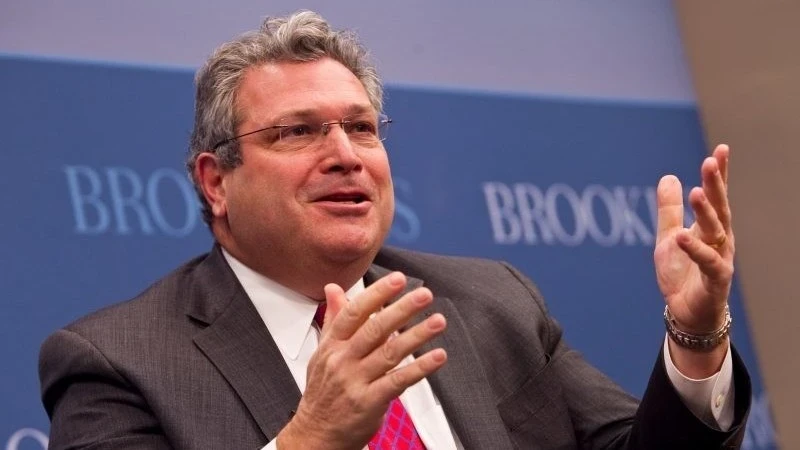
Political assassinations may yield results in the short term, but in the long term, they lead to disaster. Palestinian journalist Daoud Kuttab shares his thoughts in an editorial column for Al Jazeera:
The strategy of eliminating enemy leaders often proves popular in military conflicts. However, in the Middle East, such approaches have demonstrated their ineffectiveness and danger.
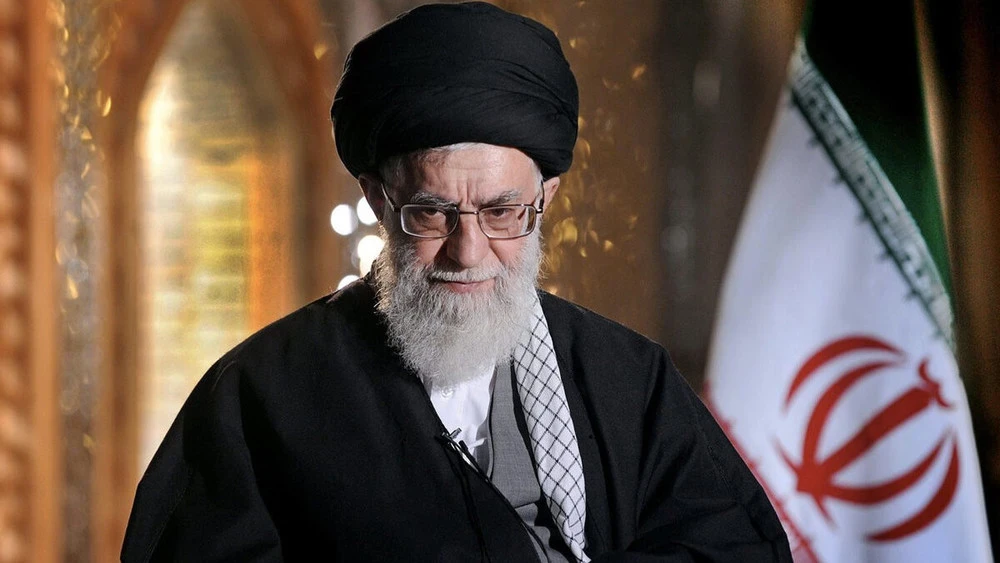
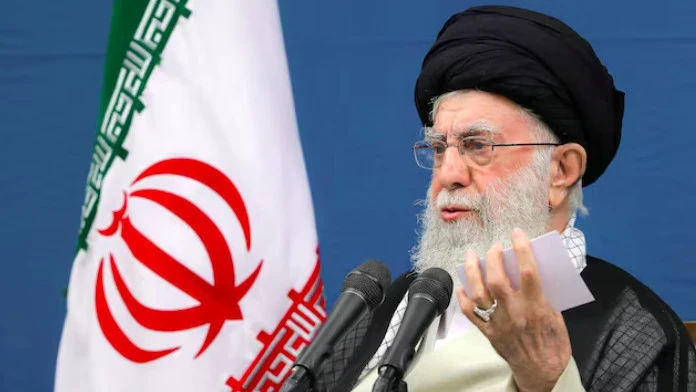
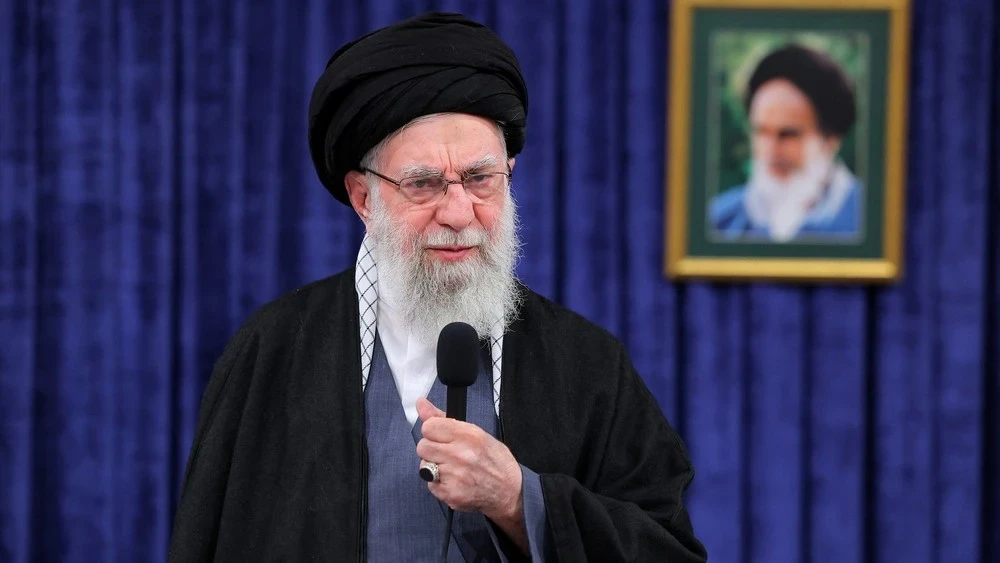
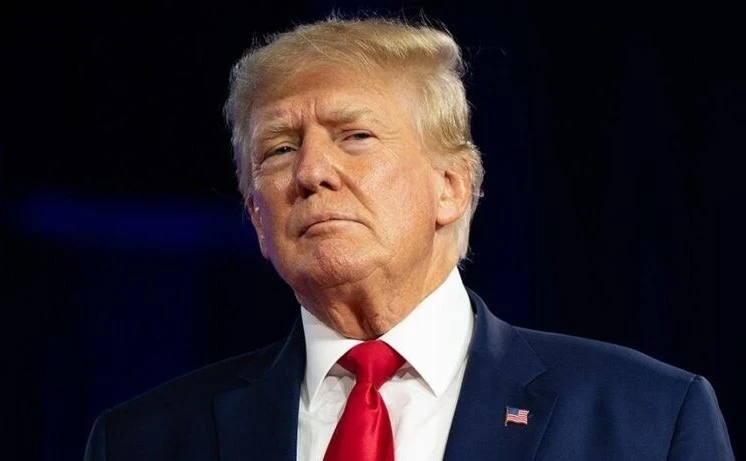
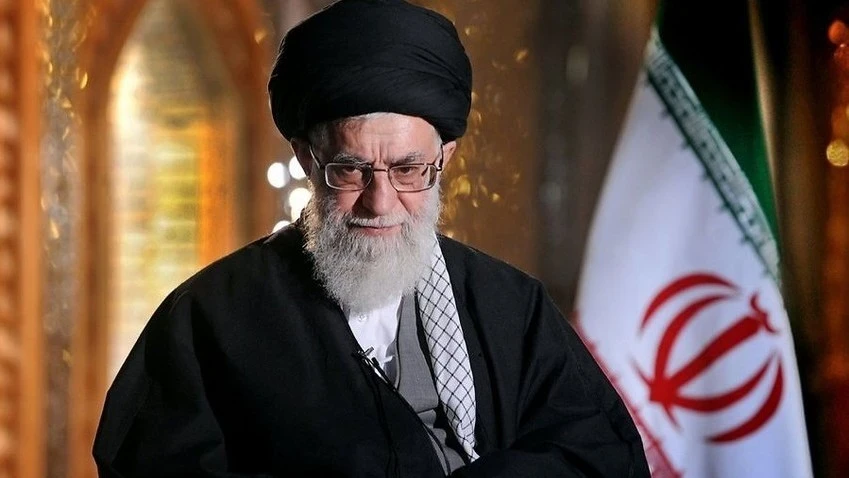
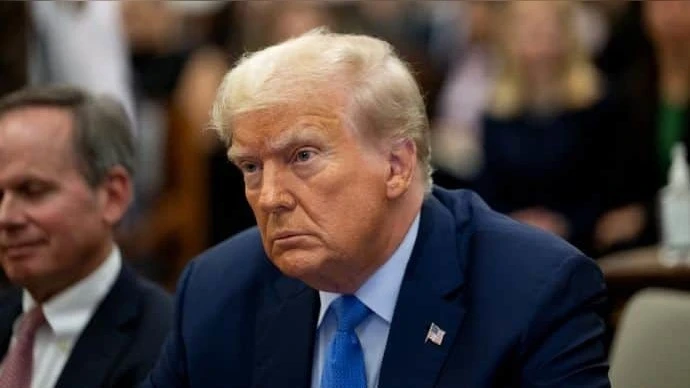
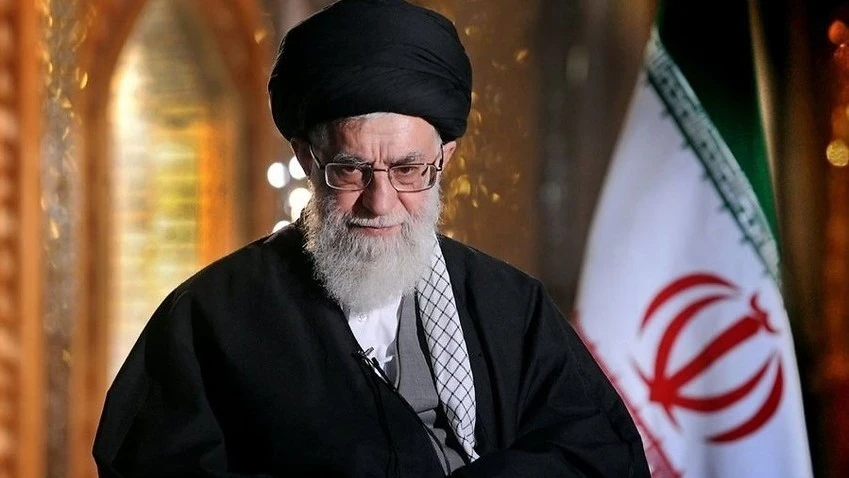
Undoubtedly, the removal of a key adversary may initially boost popularity among supporters. U.S. President Donald Trump and Israeli Prime Minister Benjamin Netanyahu can certainly expect support for the presumed elimination of Ali Khamenei, the Supreme Leader of Iran.
However, killing an 86-year-old man who was already preparing to transfer power due to deteriorating health makes it difficult to speak of genuine success, especially considering the might of the U.S. and Israel. Moreover, his death does not guarantee that new leaders will take into account the interests of these countries.
It is important to understand that the removal of leaders does not lead to peaceful solutions. On the contrary, it may pave the way for more radical successors or exacerbate chaos, leading to violence and instability.
History shows that when Israel and the U.S. have resorted to such actions in the region, the consequences have been catastrophic. In Iraq, for example, after the capture of Saddam Hussein by U.S. forces and his subsequent execution, a power shift occurred that elevated pro-Iranian forces to the top, thereby strengthening Iran's influence in the region.
As a result, in the following two decades, Iraq became a base for Iranian proxy groups, allowing Tehran to create a network that threatens the interests of the U.S. and Israel.
The emergence of a security vacuum after the U.S. invasion led to the rise of numerous insurgent groups, the most destructive of which was ISIS, which claimed thousands of lives and contributed to a massive refugee exodus to Europe — to the countries allied with the U.S. and Israel.
Another example is Hamas. Israel has tried for many years to eliminate its leaders. The assassination of founder Sheikh Ahmed Yassin in 2004 and the subsequent elimination of his successor Abdel Aziz Rantisi resulted in Yahya Sinwar becoming the head of Hamas, who later organized the attack on October 7, 2023.
The situation with Hezbollah is similar. The leader of this group, Hassan Nasrallah, came to power after the elimination of Abbas al-Musawi, and under his leadership, the organization has strengthened its position as a powerful force outside of state structures.
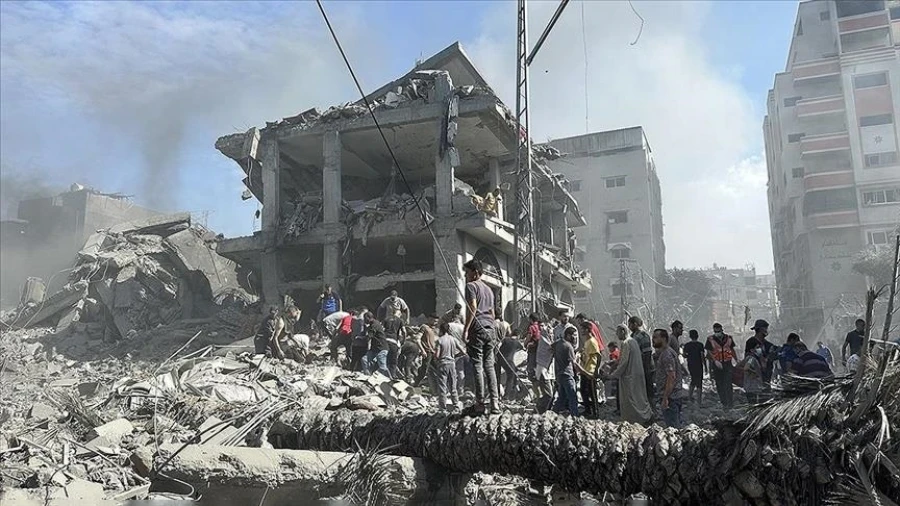
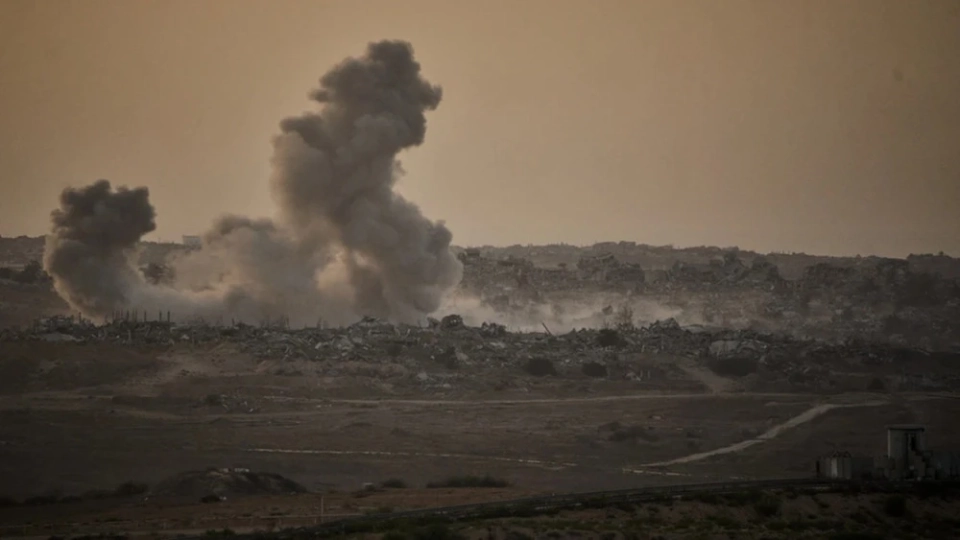
Despite significant Israeli efforts during two and a half years of war and mass eliminations, the idea of resisting occupation has not been erased. The current pause may only be temporary before a new cycle of conflict.
As for Iran, it is unlikely that Khamenei's successor will be ready for negotiations. Previous statements from Omani mediators at talks in Muscat and Geneva indicated Iran's willingness to make serious concessions on the nuclear issue, but now his successor may not have the capacity for similar steps.
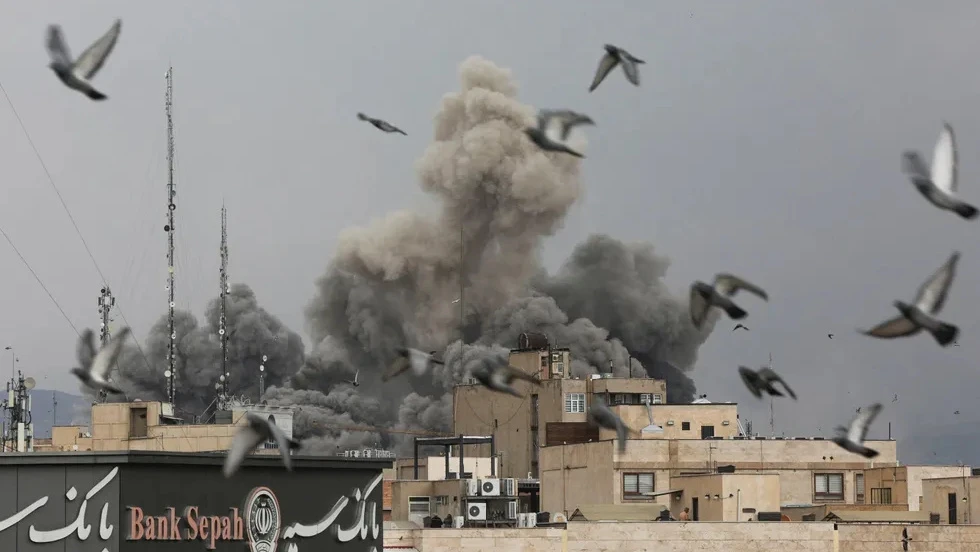
If Israel and the U.S. continue their campaign and truly achieve the downfall of the Iranian state, the consequences will be unpredictable. Given the experiences of Iraq and Libya, a security vacuum in Iran could lead to serious problems for both U.S. allies and Europe.
This raises the question of what Israel and the U.S. really want from their "decapitation" strategy regarding Iran.
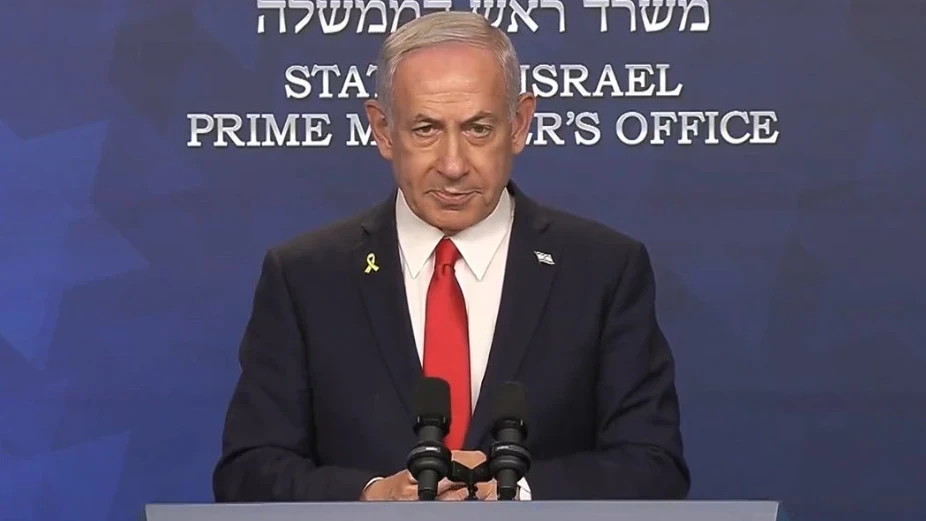
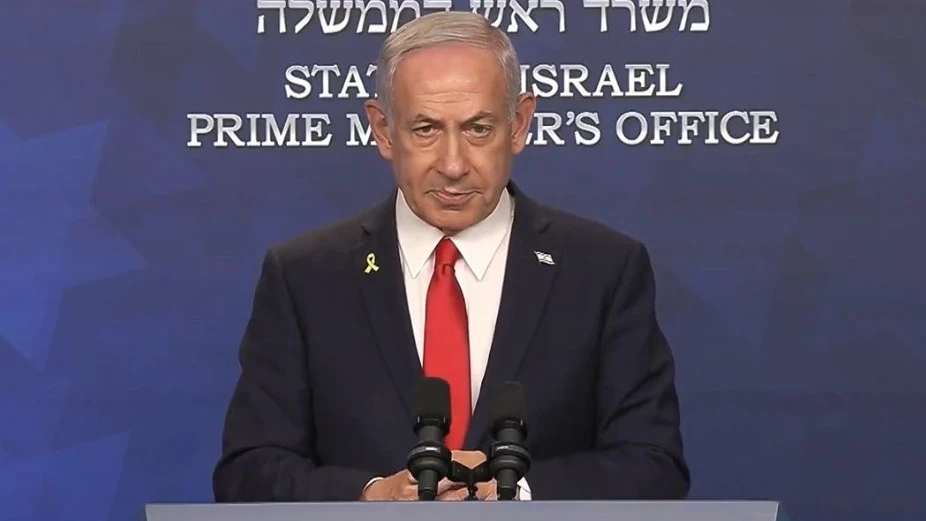
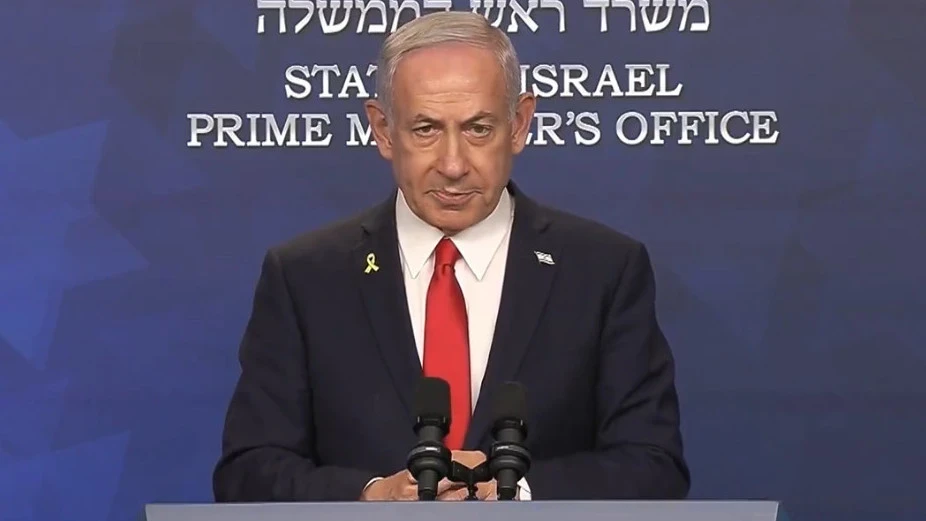
For Netanyahu, the assassination of Khamenei could become a significant political achievement. In an election year that may be his last, short-term popularity may justify the risks. Israeli leaders typically do not consider the long-term consequences, and society as a whole supports active military actions.
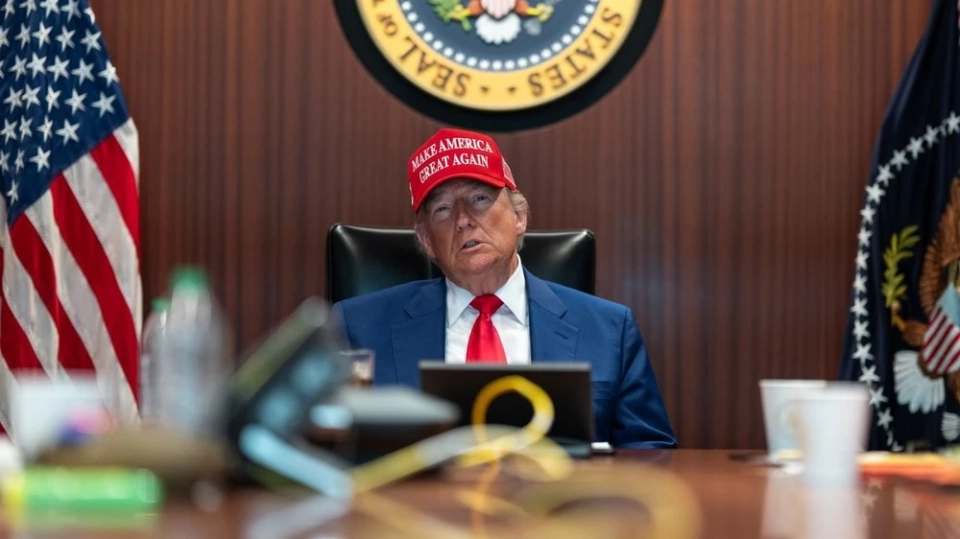
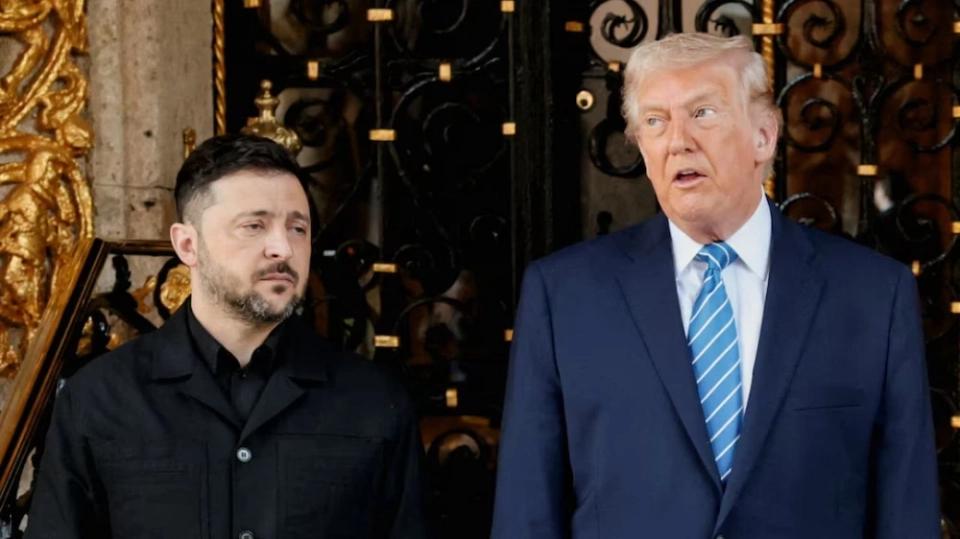
For Trump, the situation is less clear. He can boast of the elimination of an aging and ailing leader of a distant country before an audience weary of military conflicts. Amid an economic crisis in the U.S., he is using billions of taxpayer dollars to wage war against a country that does not pose a direct threat, which more and more Americans are calling "Israel's war."
Instead of demonstrating strength, Trump risks appearing weak — as a president involved in an expensive war for the political survival of another leader.
So far, it is clear that the U.S. president does not intend to deploy ground troops. However, at some point, he will have to stop the bombings and withdraw his forces, leaving behind chaos that will fall on the shoulders of U.S. allies in the region. This could undermine U.S. regional alliances and raise questions domestically.
A new U.S. military adventure in the Middle East is possible, which will cost taxpayers billions of dollars, lead to soldier casualties, and weaken international influence, without yielding tangible results. One can only hope that Washington will finally learn the lesson: assassination strategies and "decapitation" do not work.
The author's opinion does not necessarily reflect the position of Al Jazeera's editorial board.
Daoud Kuttab is an award-winning Palestinian journalist and the author of the book State of Palestine NOW, available on Amazon in multiple languages.