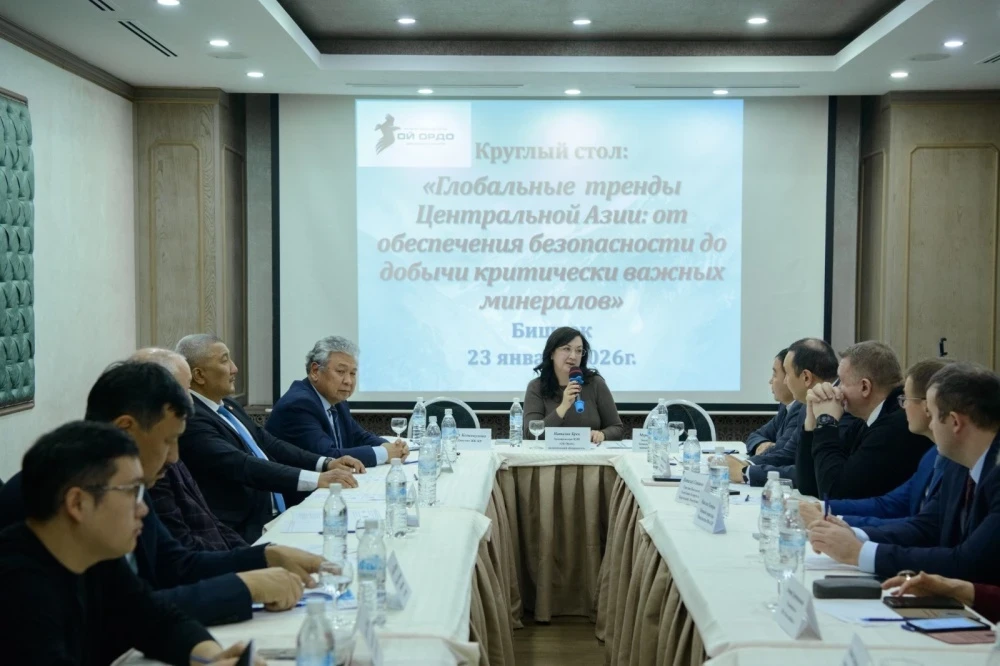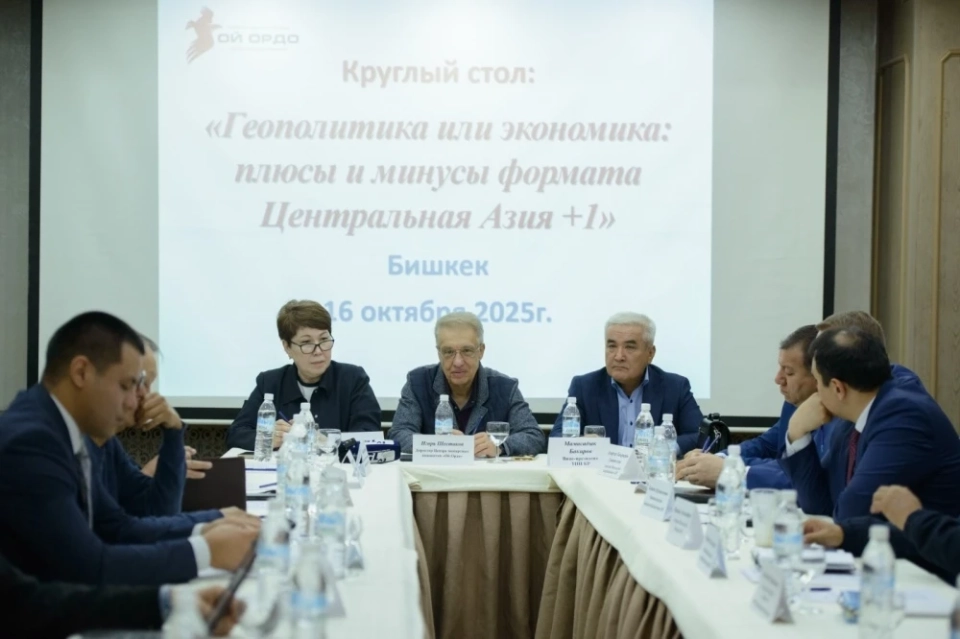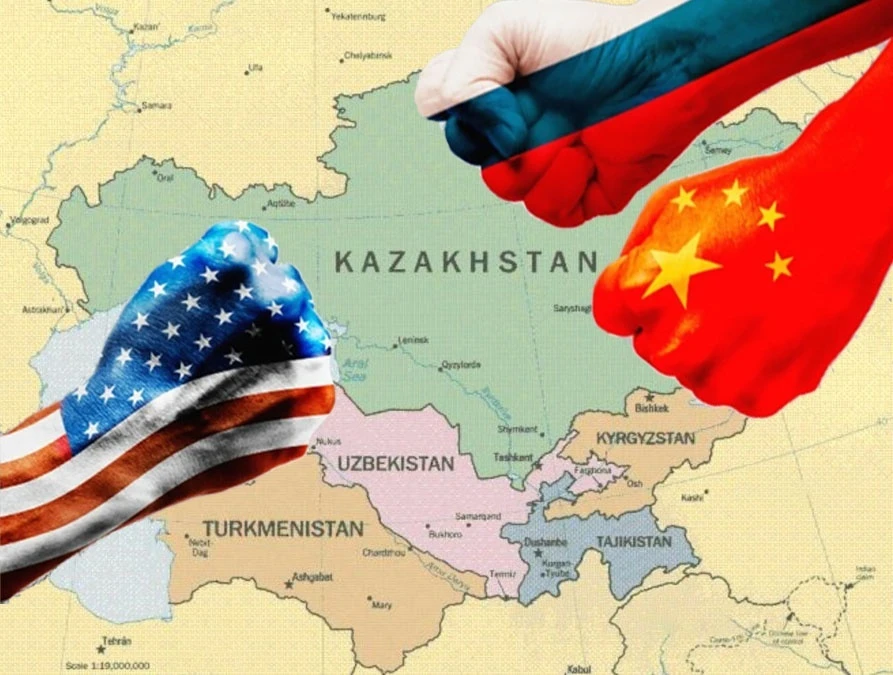
In the context of growing geopolitical instability, international law has effectively lost its function as a system of checks and balances. This conclusion was reached by participants of the round table "Global Trends in Central Asia: From Ensuring Security to Extracting Critical Minerals," where key global processes and their impact on the Central Asian region were discussed.
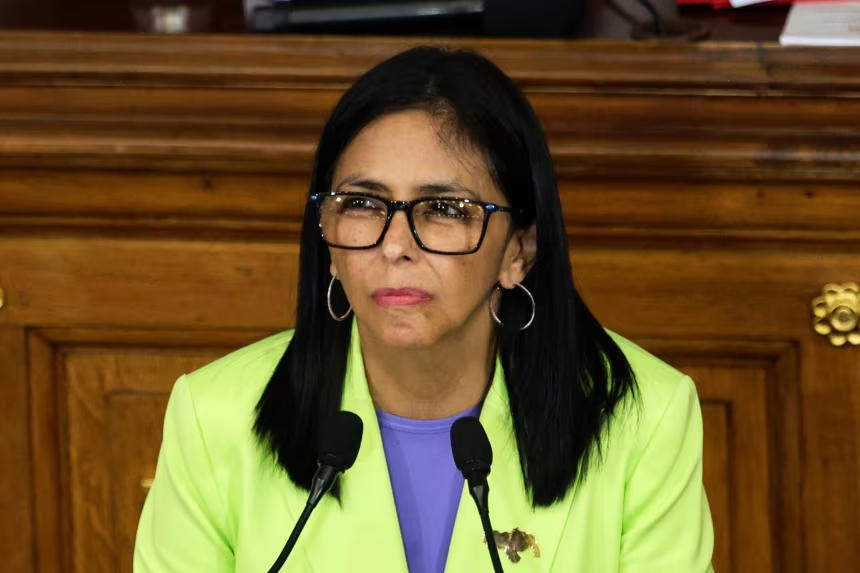
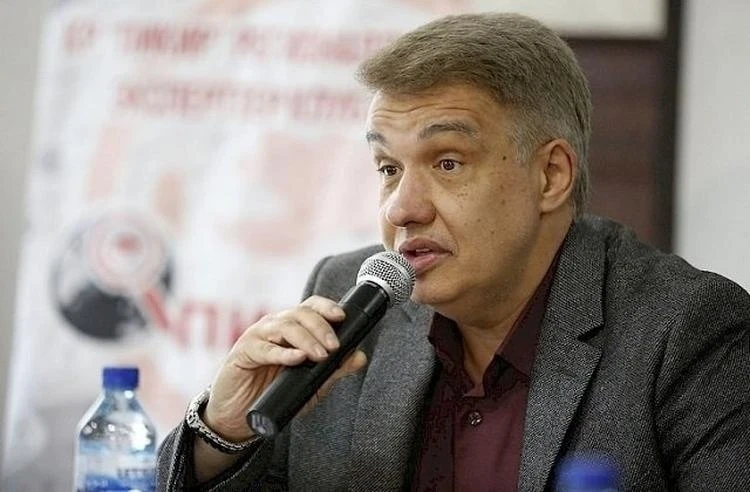
As noted by the director of the Center for Expert Initiatives, political scientist Igor Shestakov, the beginning of 2026 has been extremely tense for the global agenda. He cited the situation surrounding Venezuela as one of the most illustrative examples. According to him, the U.S. military intervention and the ousting of President Nicolás Maduro has become a kind of foreign policy "know-how." This precedent, the expert emphasized, clearly demonstrates that international law today has essentially become a subject of academic study. As a result of agreements with part of the elite, Washington gained control over the largest oil and gas reserves in the world without resorting to military action or multi-billion dollar investments.
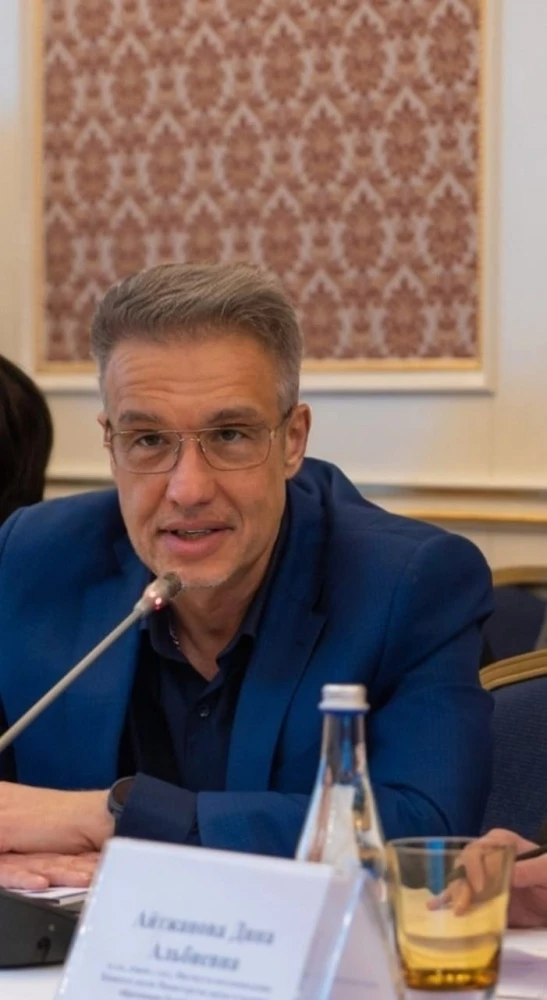
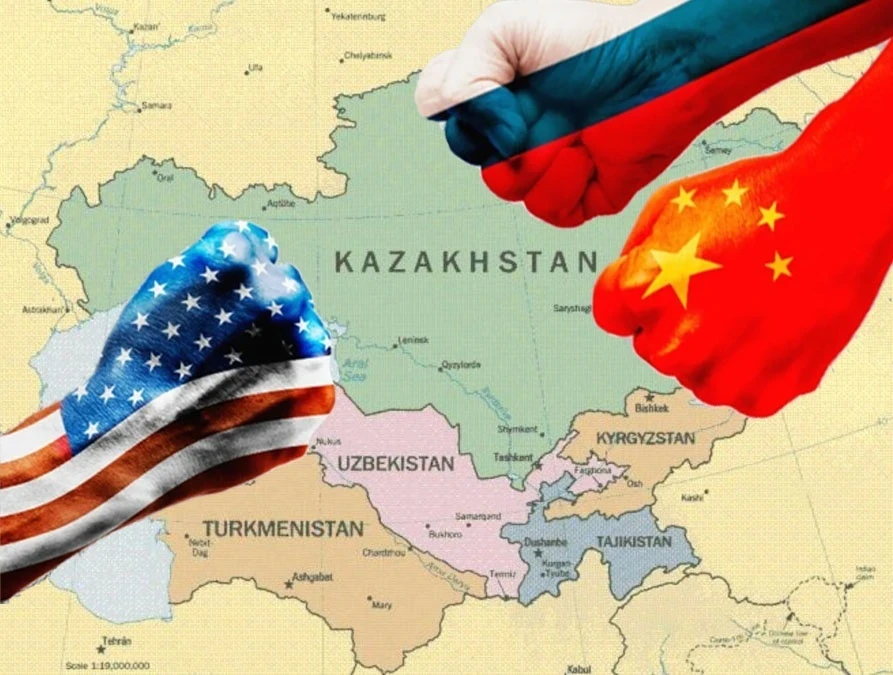
In Shestakov's opinion, the fate of Chinese investments of about $50 billion and Russian investments of about $15 billion in the Venezuelan economy now remains uncertain, while the levers of resource management have shifted to the U.S. He emphasized that this situation directly resonates with processes occurring in Central Asia, where Moscow and Beijing remain key partners. The expert reminded that forecasts have previously been made that the U.S.-China confrontation would inevitably affect the region. According to him, the U.S. is unable to maintain global leadership while remaining dependent on China for critically important raw materials. In this regard, he stressed that the government and the Jogorku Kenesh should adopt norms that ensure direct benefits for Kyrgyzstan, rather than for external players.
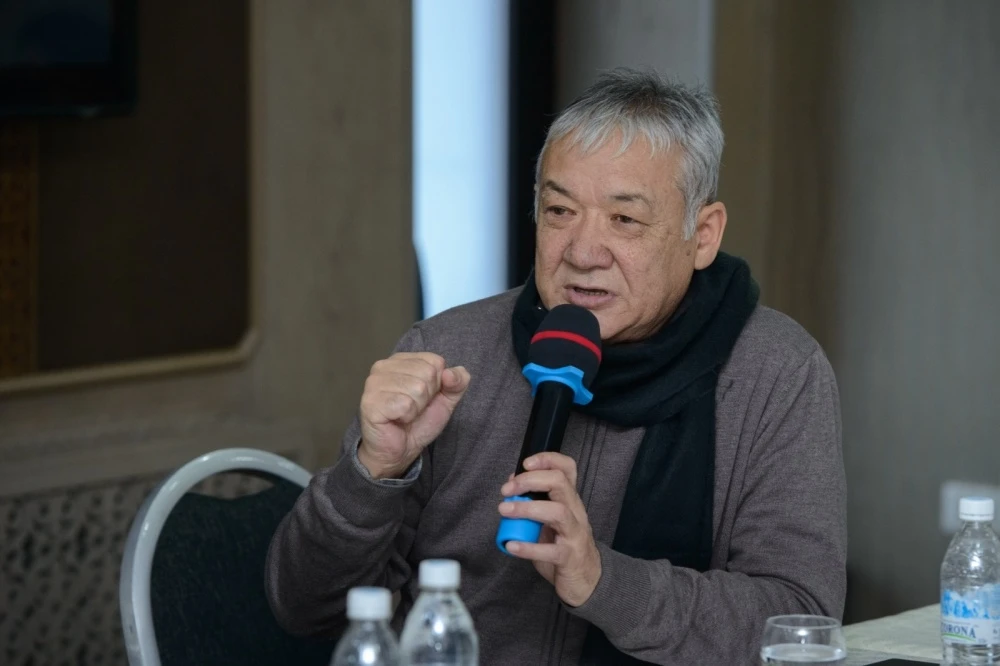
The topic of global resource redistribution was continued by systemic analyst Murat Musabaev. He noted that modern processes should be viewed through the lens of property redistribution at the global level. In his opinion, the United States is increasingly transforming into a kind of "United States of the World." Against the backdrop of an expected stock market crash in 2029, investment funds are eager to convert virtual assets into tangible ones—gold, land, and deposits. The initiative in such negotiations, Musabaev emphasized, always comes from external players who clearly understand which resources they need and impose their conditions on weaker states.
The analyst also expressed the opinion that the scenarios being implemented in Venezuela, Greenland, and Ukraine are elements of a unified plan to seize real resources by transnational funds. According to him, in the near future, the formation of new macroeconomic zones will become inevitable, and it is already necessary to understand with whom the country should build strategic partnerships. At the same time, as Musabaev emphasized, neither Washington nor London can be considered an optimal choice.
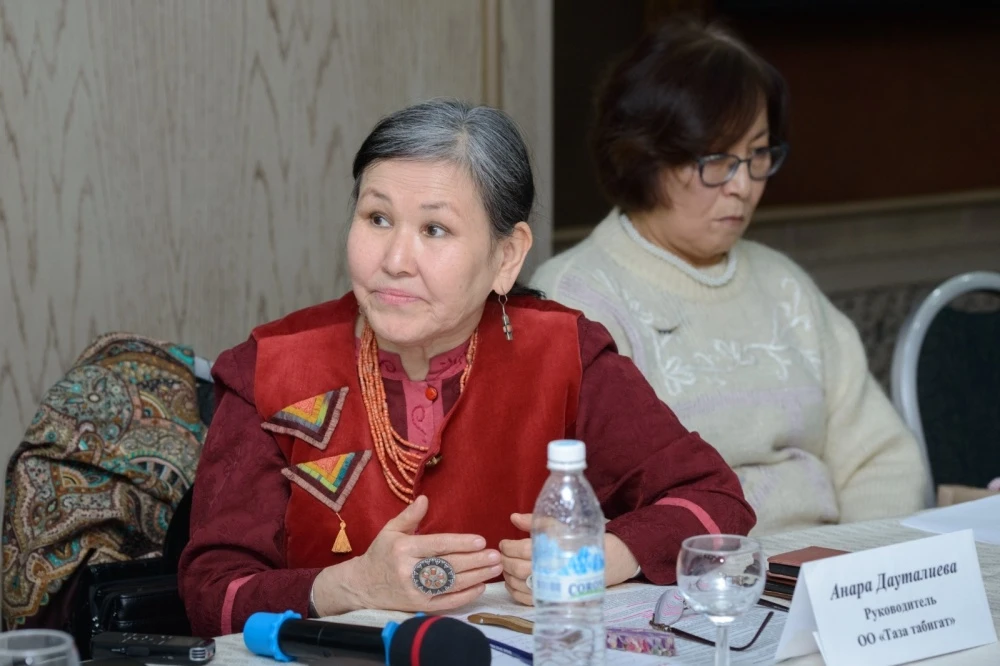
The issue of resource sovereignty was also addressed by the head of the public association "Taza Tabigat," Anara Dautalieva. She reminded that according to the legislation, subsoil resources belong to the people, and the preservation of natural resources for future generations should be a key national priority. According to her, in a few decades, safer extraction technologies may emerge, and therefore it is important to act prudently today. A complete ban on mining activities is impossible; however, the country's resources should work in the interests of the population, rather than solely serving foreign investors.
As a negative example, Dautalieva cited the situation around the "Kumtor" deposit, where, according to her, a foreign company has ignored environmental standards for many years and has not paid royalties. She explained that in literal translation, royalties mean "tribute to the king," and pointed out the paradox: the population pays this tax even for drinking water, while the company, which has made significant profits, has not contributed a single tyiyn to the budget.
The executive director of the Kyrgyz Society of Subsoil Experts, Arkadiy Rogalskiy, noted that recently information about the revenues of the mining industry has become more transparent. However, in his opinion, the government needs to increase transparency regarding the distribution of funds from regional development funds. He suggested paying special attention to waste management. According to him, a significant volume of resources is concentrated not in primary deposits, but in tailings. Today, the Ministry of Emergency Situations accounts for 123 hazardous facilities, as well as about 400 unaccounted dumps. When it comes to critically important materials, Rogalskiy emphasized, the process should start with their inventory and recycling.
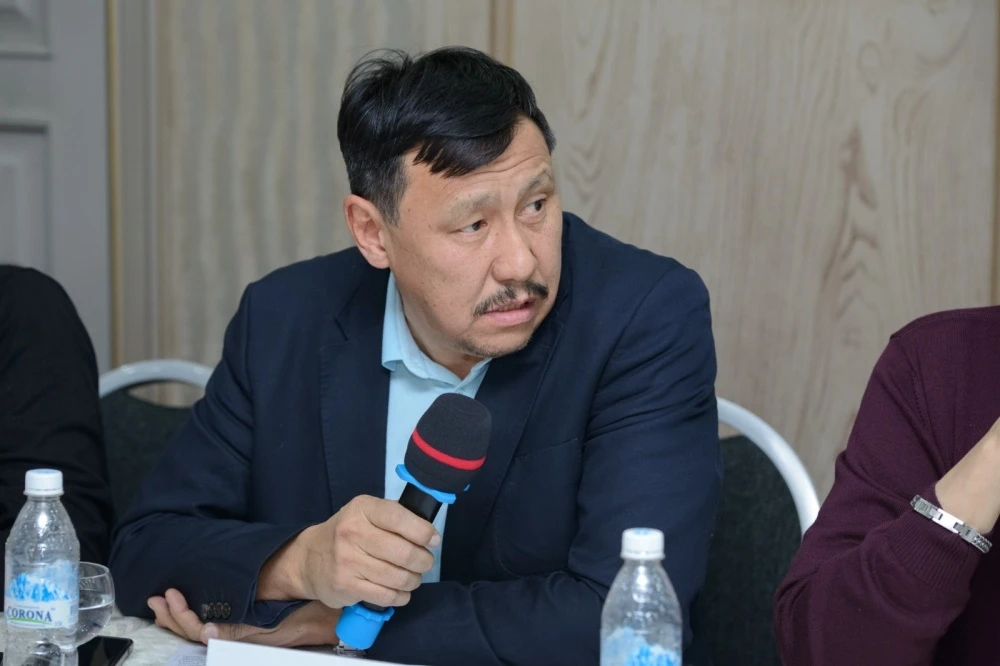
The director of the Institute for Strategic Analysis and Forecasting at KRSU, Almaz Nasirov, noted that the new resource race is gradually transforming Central Asia from a peripheral region into an important player on the global map. According to him, this is no longer just about the economy, but about geo-economics. The transition to "green" energy has sharply increased the demand for the region's mineral resources. At the same time, for small states like Kyrgyzstan, there are objective technological limitations. In this regard, Nasirov emphasized that the country needs a well-thought-out investment model that will prevent the repetition of situations where projects initially do not work in the interests of the state. The presence of resources alone does not guarantee success—the key question remains the country's readiness to integrate into global supply chains and derive real benefits from this.
The event was organized by the Center for Expert Initiatives "Oiy Ordo" in partnership with the Council for Sustainable Development in the Context of Climate Change at the Speaker of the Jogorku Kenesh of the Kyrgyz Republic.