Beijing sees the end of the war in Afghanistan as an opportunity to expand its influence, but its goals may be undermined by the conflict between Kabul and Islamabad, as well as attacks on Chinese citizens and companies in the region, reports Abubakar SIDDIQ.
The situation is exacerbated by recent cross-border attacks that resulted in the deaths of five Chinese citizens. Experts believe that to achieve its goals, Beijing must focus on stabilizing Afghanistan through economic cooperation and resolving the historical enmity with Pakistan, which is its close ally.
However, this approach has not yet yielded results.
Marvin Weinbaum, director of Afghanistan and Pakistan studies at the Middle East Institute, notes that “China's ambitions depended on stability in relations between Pakistan and Afghanistan, but that is not happening.”
CHINA'S PLANS UNDER THREAT
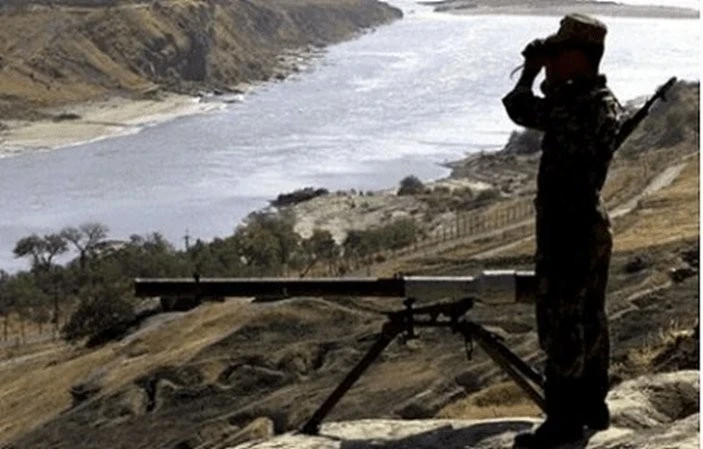
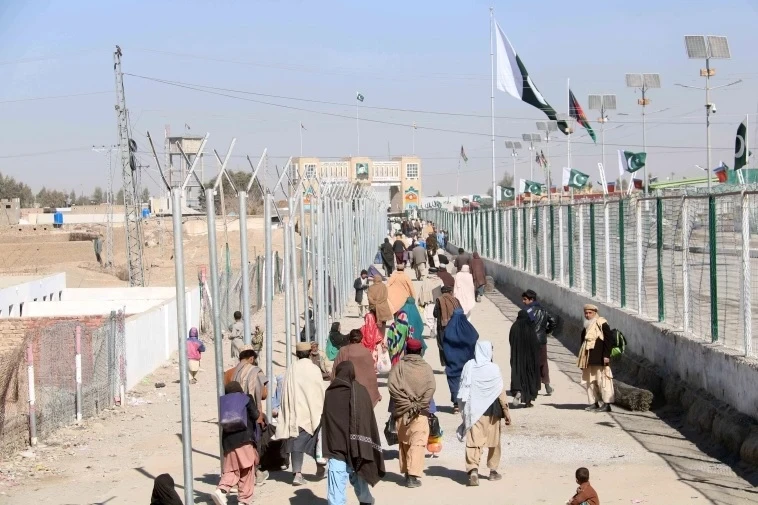
In October, there were exchanges of military strikes between Afghanistan and Pakistan, resulting in dozens of deaths and the closure of the border. This was the most serious conflict in recent years, raising concerns about a potential war.
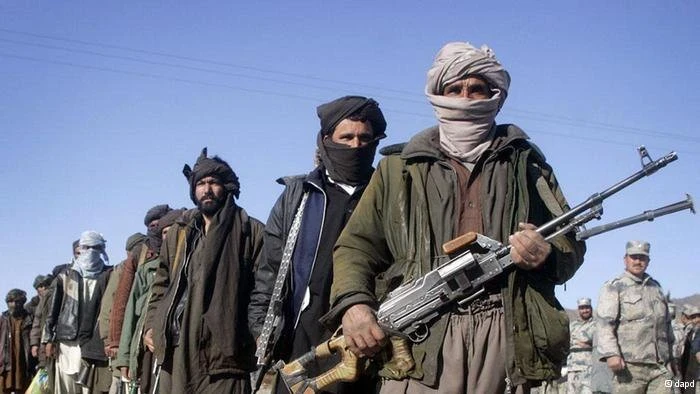
Pakistan accuses Kabul of supporting the extremist group Tehrik-i-Taliban Pakistan (TTP), leading to an increase in violence within the country.
Since the temporary ceasefire ended in October, sporadic clashes have continued along the border. At the end of November, the Taliban accused Pakistan of airstrikes on its territory, which resulted in the deaths of at least ten people, including nine children.
According to Weinbaum, Beijing is concerned that the conflict between Afghanistan and Pakistan could negatively impact its infrastructure projects in the region.
“This disrupts China’s plans, and it seems to have no levers of influence to improve the situation,” he adds.
The China-Pakistan Economic Corridor (CPEC), valued at $60 billion, is a critically important part of the Belt and Road Initiative (BRI). However, Islamabad has received only about $25 billion since the corridor was launched in 2015.
Thousands of Chinese citizens work in Pakistan, where special police units have been established for their protection and numerous checkpoints have been set up.
China has also signed agreements with the Taliban government for oil and mineral extraction and plans to expand the CPEC into Afghanistan, viewing it as a strategic bridge between Central and South Asia.
Central Asia is engaging with the Taliban in search of new routes south. Could this open new opportunities for China?
Beijing seeks to reduce tensions between Afghanistan and Pakistan by promoting economic cooperation.
In 2022, China resumed a high-level diplomatic forum to promote economic and military cooperation between Islamabad and Kabul. Beijing also acted as a mediator in negotiations between the foreign ministers of the Taliban and Pakistan, urging both sides to exercise restraint following the outbreak of conflicts in October.
“China is very concerned, as this tension threatens its interests both regionally and globally,” claims Ihsanullah Tipu Mehsud, director of Khorasan Diary, which monitors militant activity in Afghanistan and Pakistan.
‘BASE FOR MILITANTS’
China seeks to prevent the spread of violence from Afghanistan beyond its borders.
Mehsud emphasizes that Beijing is worried about the rapid growth of terrorist groups, including those acting against it, and the possibility of a full-scale conflict between Afghanistan and Pakistan.
“Beijing is already concerned that the Afghan province of Badakhshan in the northeast of the country is becoming a breeding ground for militants,” he notes.
Badakhshan borders Pakistan and is the only land route connecting Afghanistan with China’s Xinjiang province.
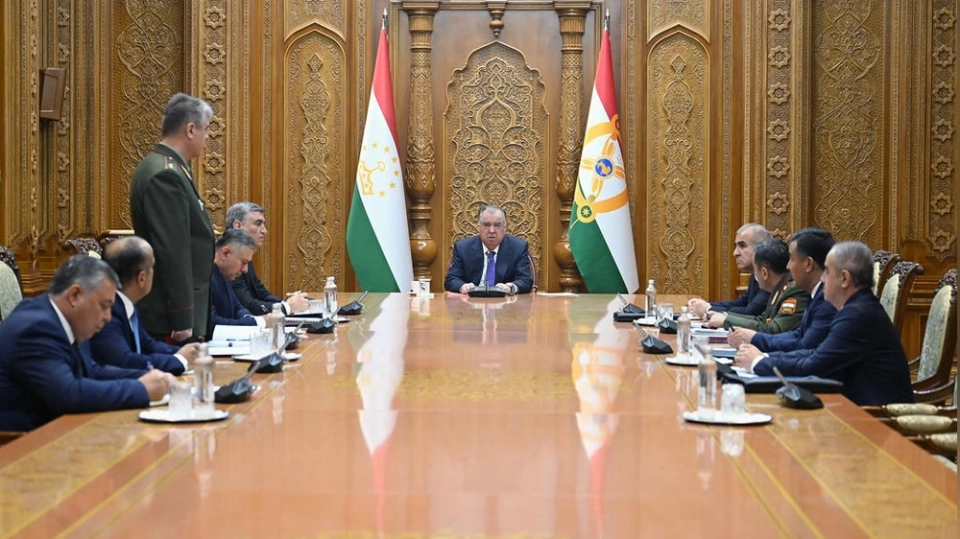
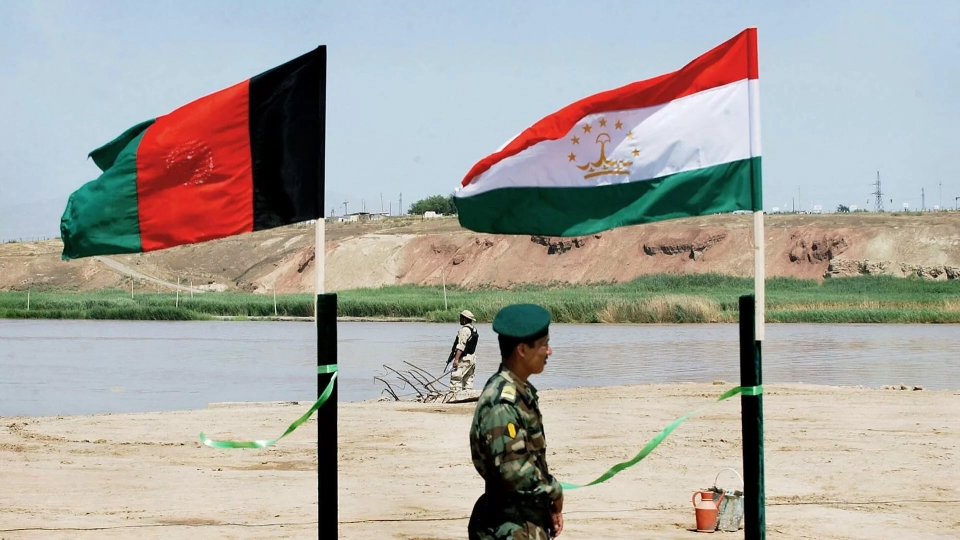
At the end of November, two attacks from Badakhshan resulted in the deaths of five Chinese workers, and five others were injured. The first victims worked at a joint Chinese-Tajik gold mining enterprise, while the second were involved in road construction.
This is not the first instance of attacks on Chinese workers in this region: last year, one Chinese citizen was killed, and four were injured in a similar attack. At that time, it was reported that the attackers crossed the border from Afghanistan.
While the number of Uyghur militants in this region remains unknown, it is believed to be relatively small, and it is unclear how they are connected to the Uyghur diaspora and the Xinjiang region.
At the end of 2021, the Taliban moved Uyghur militants from Badakhshan to other areas of Afghanistan, reported Radio Free Europe/Radio Liberty.
These militants are believed to be members of the Turkistan Islamic Party (TIP), which Beijing accuses of unrest in Xinjiang, referring to it as the East Turkestan Islamic Movement (ETIM). Many experts believe that ETIM is no longer operational and that Beijing exaggerates its influence for political purposes.
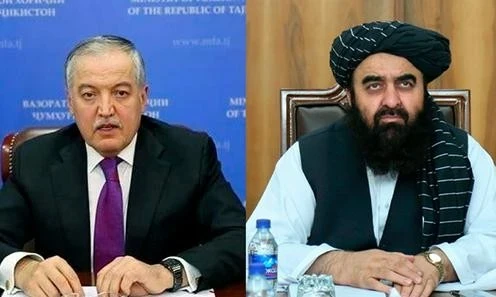
After the recent attack on Chinese workers, the Taliban's foreign minister Amir Khan Muttaqi promised to enhance border security and initiate joint investigations with Tajikistan.
However, these killings led Beijing to withdraw its workers from the border region of Tajikistan.
“The stakes for China will rise, but it seems powerless,” concludes Mehsud.