The situation regarding the murders of Chinese citizens raises doubts about the effectiveness of Beijing's strategy in Afghanistan, as noted by political scientist Andrey Serenko in his article for the 'Independent Newspaper' presented here.
Over the past year, several incidents have occurred in Northern Afghanistan and the neighboring regions of Southern Tajikistan, resulting in the deaths of Chinese citizens. The Taliban have failed to ensure the safety of specialists from China engaged in gold mining in Badakhshan. These attacks cast doubt on the reliability of Afghanistan's strategy for Beijing.
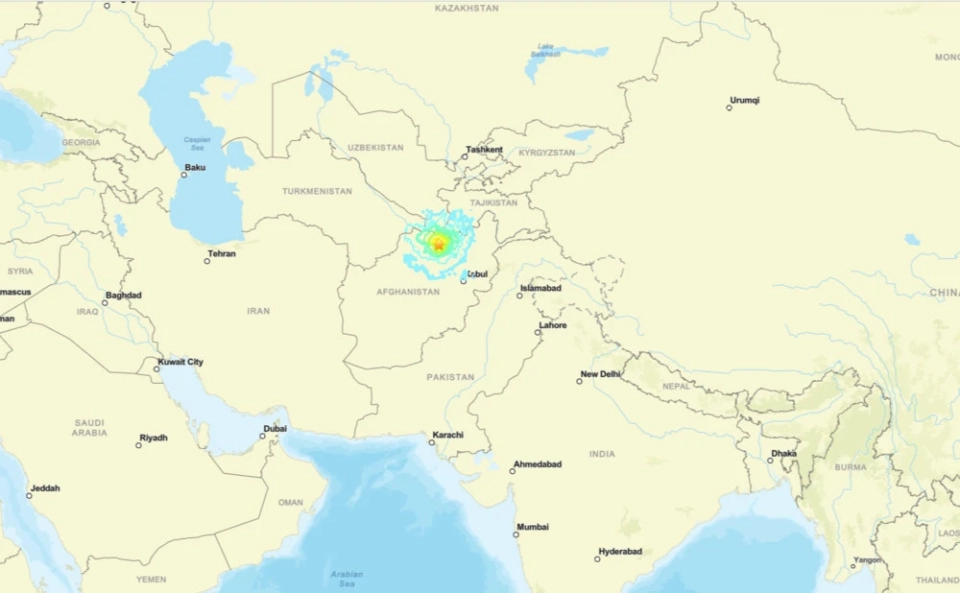
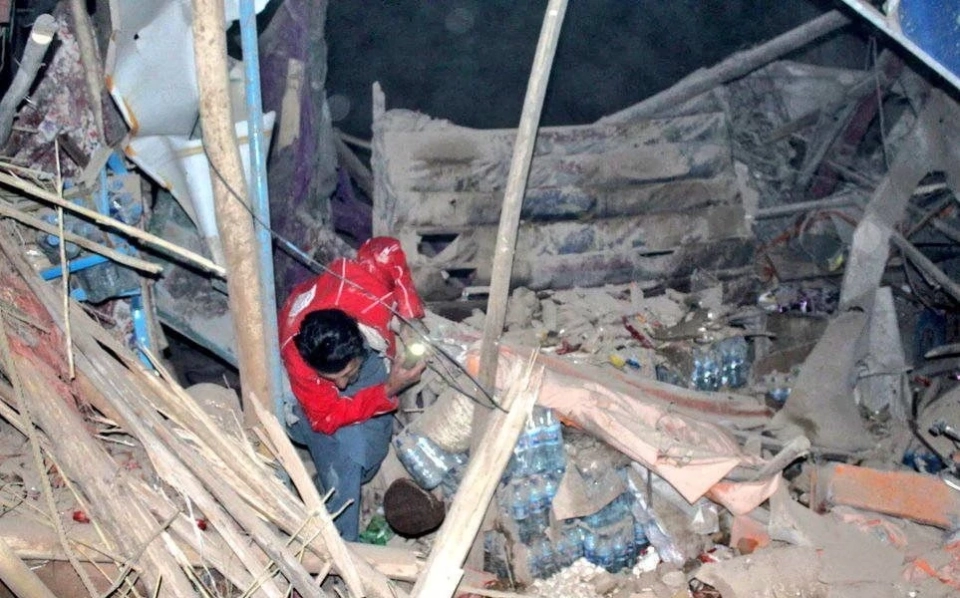
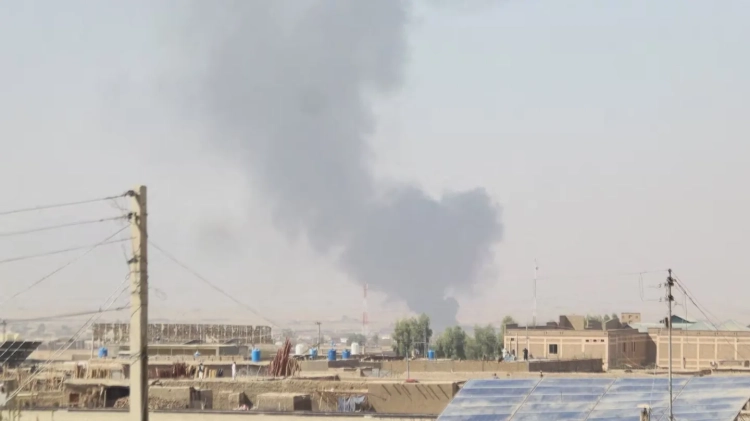
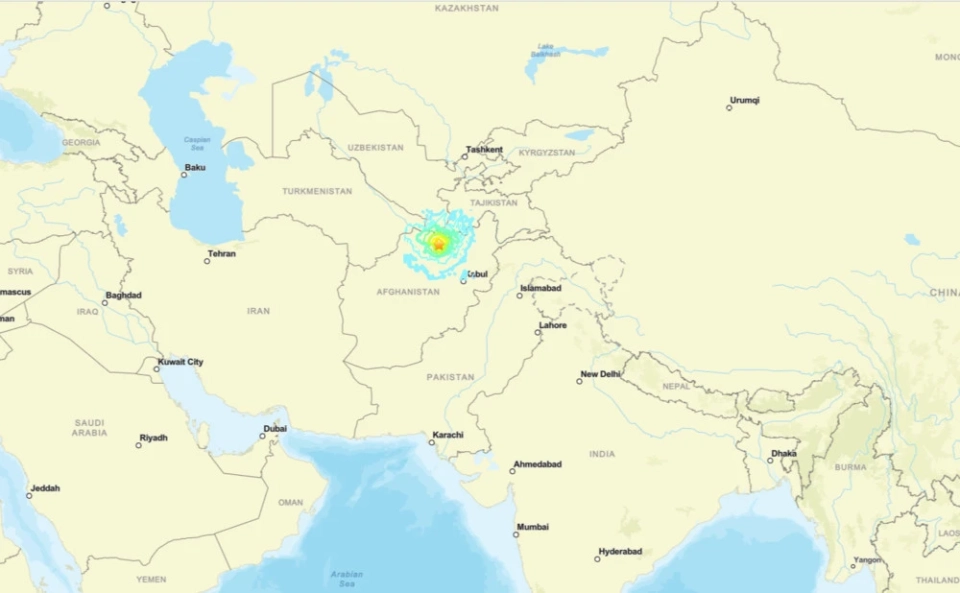
In November 2024, in the Zarbuzhi Gorge, located in the Shamsiddin Shohin district (Southern Tajikistan), one Chinese citizen was killed, and four were injured. All of them were working at a gold mine. The attack was carried out by armed Uyghurs who crossed the border from Afghan Badakhshan. In January 2025, another Chinese citizen, also working in gold mining, was shot dead in the Khodja Bahavodin district of Afghanistan's Takhar province. The responsibility for this attack was claimed by militants from 'Wilayat Khorasan', the Afghan branch of the banned 'Islamic State' in Russia. According to unofficial reports, the deceased was an agent of Chinese intelligence and was returning from a meeting in Takhar. At the end of November 2025, there were two attacks on Chinese citizens, resulting in 10 people being killed or injured. On November 26, militants attacked employees of the Chinese company 'Shahin' using drones, leading to the deaths of three Chinese nationals. On November 30, another attack on Chinese engineers occurred in Badakhshan, resulting in two deaths and five injuries. Reports indicate that the Chinese specialists were attacked under the leadership of the local Taliban commander Mullah Juma Fateh. Thus, from November 2024 to November 2025, at least 16 Chinese citizens became victims of various jihadist groups.
China faces several threats in Afghanistan. First and foremost, there are Uyghur jihadists from the Xinjiang Uyghur Autonomous Region (XUAR). Their exact number in Afghanistan is unknown and may range from several thousand to tens of thousands. These militants have been trained in conflicts in Afghanistan, Pakistan, and Syria and may pose a serious threat to China. They are scattered among various terrorist groups such as 'Al-Qaeda', the Islamic Movement of Eastern Turkestan, and 'Islamic State', and also operate as independent jihadists. The lack of control over them makes the 'Uyghur factor' one of the most long-term threats to Beijing's interests in the region.
Additionally, Pakistani Taliban using Afghanistan as their base also pose a danger to Chinese citizens. Militants from 'Tehrik-i-Taliban Pakistan' are allied with Baloch separatists who view China as an enemy. Baloch groups have already carried out several attacks on Chinese citizens, including using suicide bombers. Although the Pakistani Taliban have not yet carried out direct attacks on Chinese people, there are grounds to believe that they support the Baloch by providing them with weapons and training.
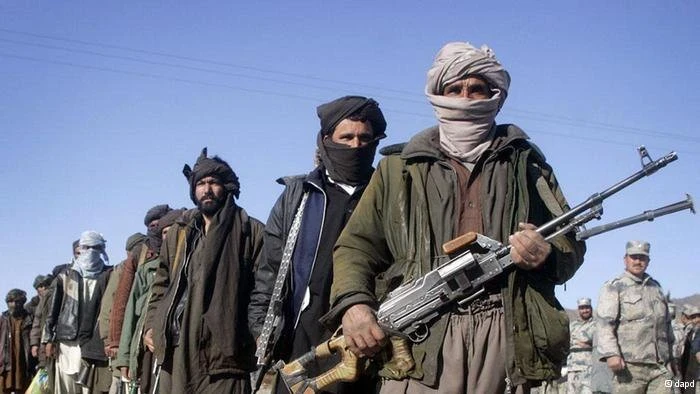
The Afghan Taliban also represent a threat to Chinese citizens. Within the 'Taliban', there is fierce competition among various factions for control over resources, especially gold deposits in Badakhshan and Takhar. This competition leads to violence, with Chinese specialists becoming victims.
Furthermore, Afghan Taliban and Uyghur militants actively interact with each other, despite assurances from official Taliban representatives that they will not allow their territory to be used against China. In practice, many Taliban fighters and commanders cooperate with Uyghurs and are ready for joint actions. Just a few years ago, the 'Islamic State' expressed its intentions to block Chinese projects in the region in response to the repression against Uyghur Muslims. The theme of the oppression of Muslims in the XUAR also concerns militants from other terrorist groups, including the 'Taliban'.
In Kabul and Kandahar, there are many individuals interested in undermining China's position, which can be exploited by the main financial sponsors of the 'Taliban', particularly the United States. Recently, former CIA analyst Sarah Adams reported that Washington provided the Taliban with $1 billion. In the context of increasing geopolitical rivalry between the US and China, the 'Taliban' is unlikely to act against its sponsors.
Afghan experts note that the 'Taliban' claims that the territory of the country will not be used against third countries. However, in the secret appendices of the Doha Agreement of 2020, signed between the 'Taliban' and the US, terrorists are viewed only as a threat to the United States and its allies, with no mention of regional terrorist groups such as the Islamic Movement of Eastern Turkestan.
Some researchers warn that Beijing risks falling into a trap by believing in the 'good Taliban'. This could lead to serious consequences similar to the September 11 attacks, albeit in a different format—possibly a protracted proxy conflict that undermines China's internal stability. Ignoring this threat could have dangerous consequences for the country.