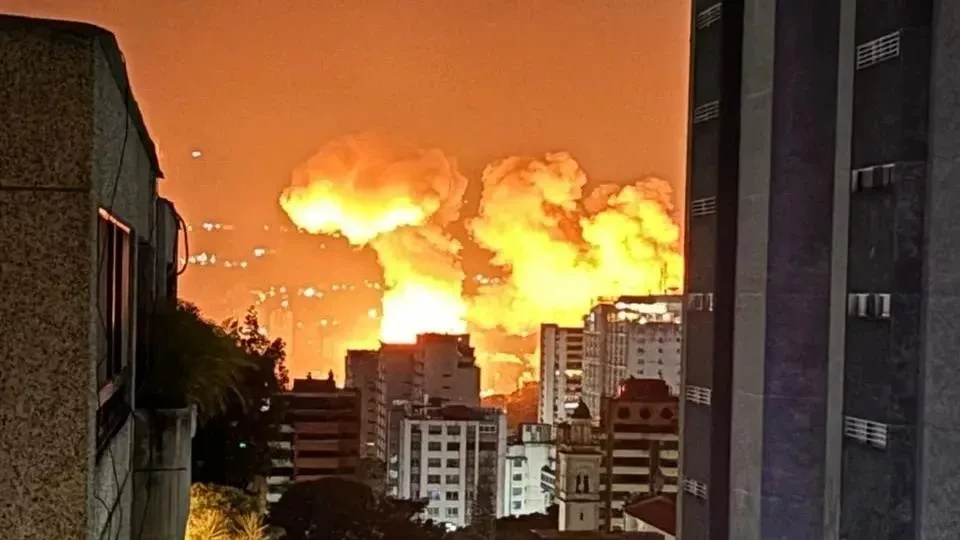
According to Amnesty International, the actions of the United States on January 3 represent a violation of the UN Charter and create additional risks for the international order. At the same time, acts of violence by the Maduro government against Venezuelans continue.
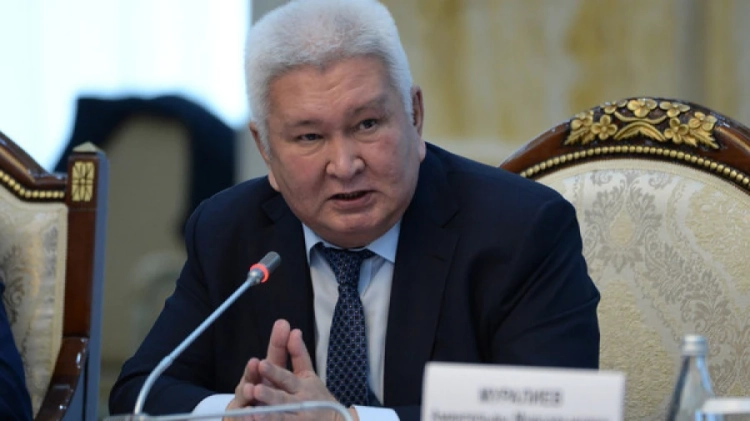
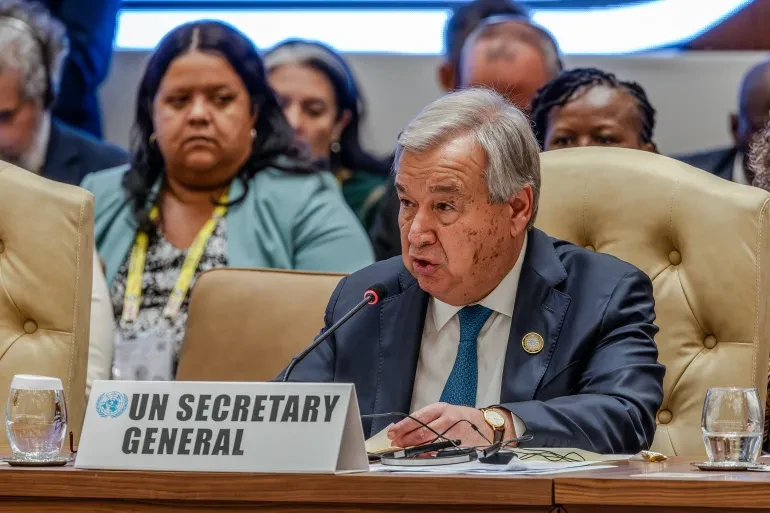
The Secretary General of Amnesty International, Agnes Callamard, stated: “The military actions of the United States in Venezuela are a clear violation of the UN Charter and threaten the safety of civilians, while undermining the protective mechanisms of international law. The use of force by the Trump administration was not only illegal but also poses potential threats to human rights in Venezuela, may encourage similar actions by other states, and could foreshadow new military actions by the United States in the future.”
The military actions of the United States in Venezuela are a clear violation of the UN Charter and threaten the safety of civilians.
Agnes Callamard, Secretary General of Amnesty International
Agnes Callamard, Secretary General of Amnesty International
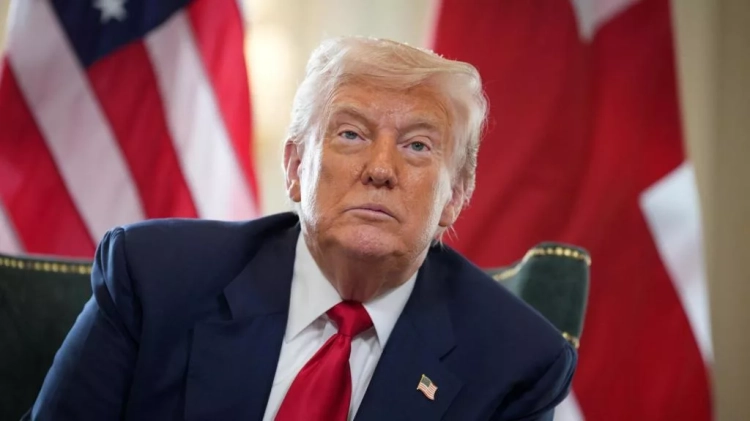
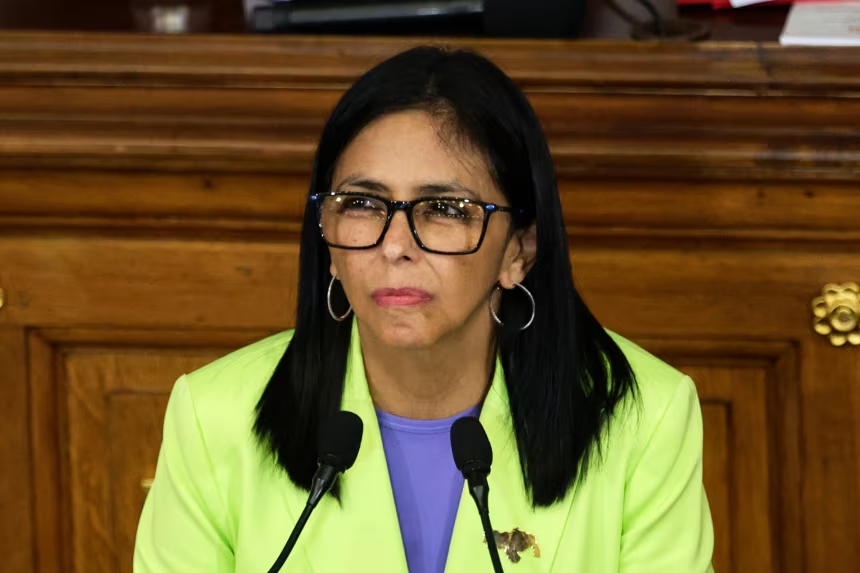
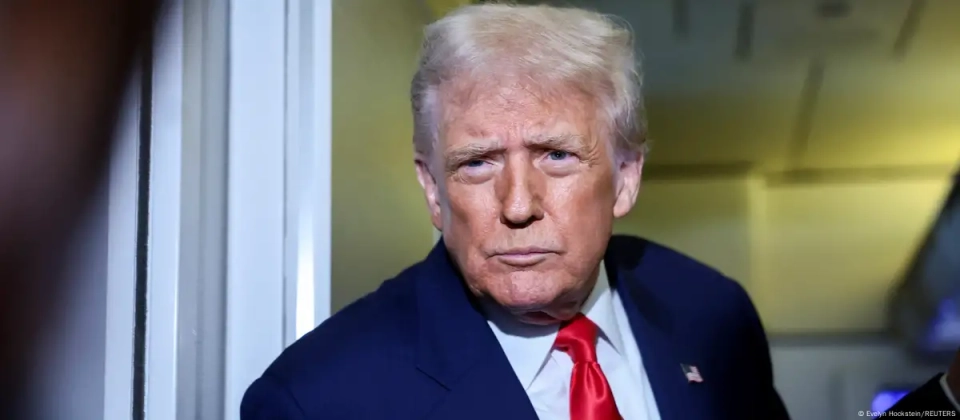
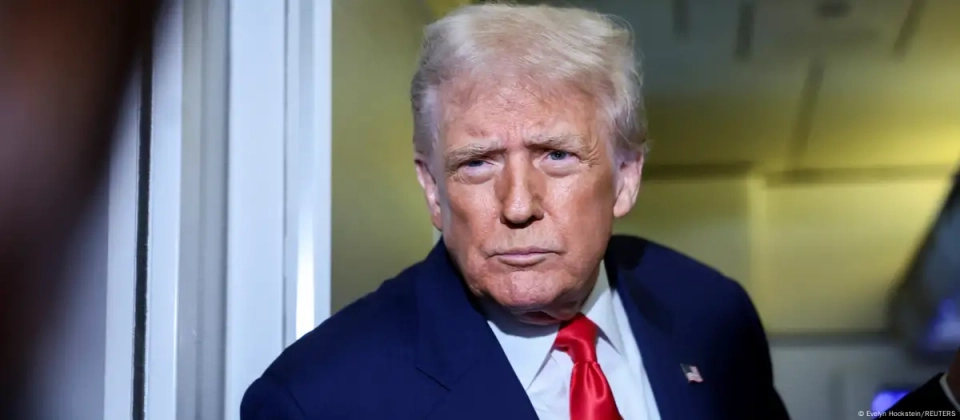
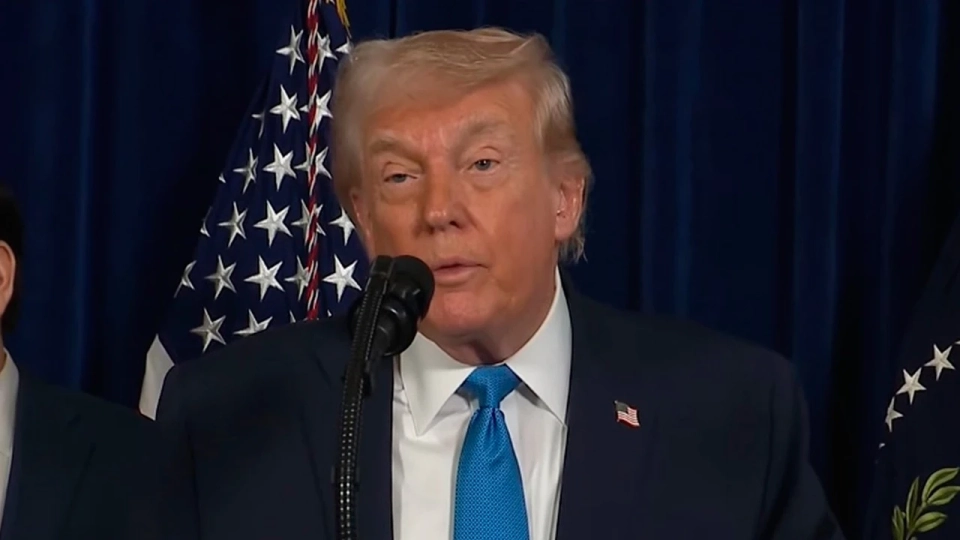
President Trump himself acknowledged that control over resources and geopolitical positioning in the region were the main motives for the strike on January 3. He openly stated his right to determine policy regarding Venezuela, while interim president Delsi Rodriguez continues to demonstrate a rhetoric of resistance, despite actual cooperation with the United States. In conditions of internal instability and ongoing repression, the Venezuelan population faces a new threat — the growing interference of the United States, which threatens their rights and safety.
“Impunity for crimes against humanity committed by the Maduro authorities persists even under the Rodriguez government. Victims continue to await justice: steps towards accountability have yet to be taken, and civil society continues to face repression,” added Agnes Callamard.
Callamard noted: “We condemn both the illegal use of force by the United States and the crimes of the Venezuelan regime against its people. This should not overshadow the necessity of holding accountable those responsible for serious human rights violations committed by the Venezuelan authorities. Two lies do not make a truth. There must be accountability for the actions of the Trump administration, as well as for the crimes under international law committed by the Venezuelan authorities.”
Two lies do not make a truth. There must be full accountability for the illegal attack by the Trump administration on Venezuela and for the crimes of the Venezuelan government.
Agnes Callamard, Secretary General of Amnesty International
Agnes Callamard, Secretary General of Amnesty International
Public threats by President Trump regarding the expansion of unilateral military actions in other regions, accompanied by rhetoric about controlling Venezuela and its oil resources, threaten international legal norms. After the strike on Venezuela, Trump also threatened to use force against Colombia, Cuba, and other countries. At the same time, China continues its actions against Taiwan, and Russia against Ukraine.
“These actions represent attempts to undermine international norms that protect civilian populations and prevent conflicts. Other states must resist these attempts,” emphasized Agnes Callamard.
What makes these actions illegal
International law clearly states that Article 2(4) of the UN Charter prohibits the threat or use of force against the territorial integrity of any state; Article 2(3) requires the peaceful resolution of disputes. The Declaration on Principles of International Law also enshrines the prohibition of armed intervention. UN General Assembly Resolution 3314 defines aggression, emphasizing that the first use of force by a state is prima facie evidence of an act of aggression, including bombings and attacks on the armed forces of another state. The operation on January 3 includes such actions.
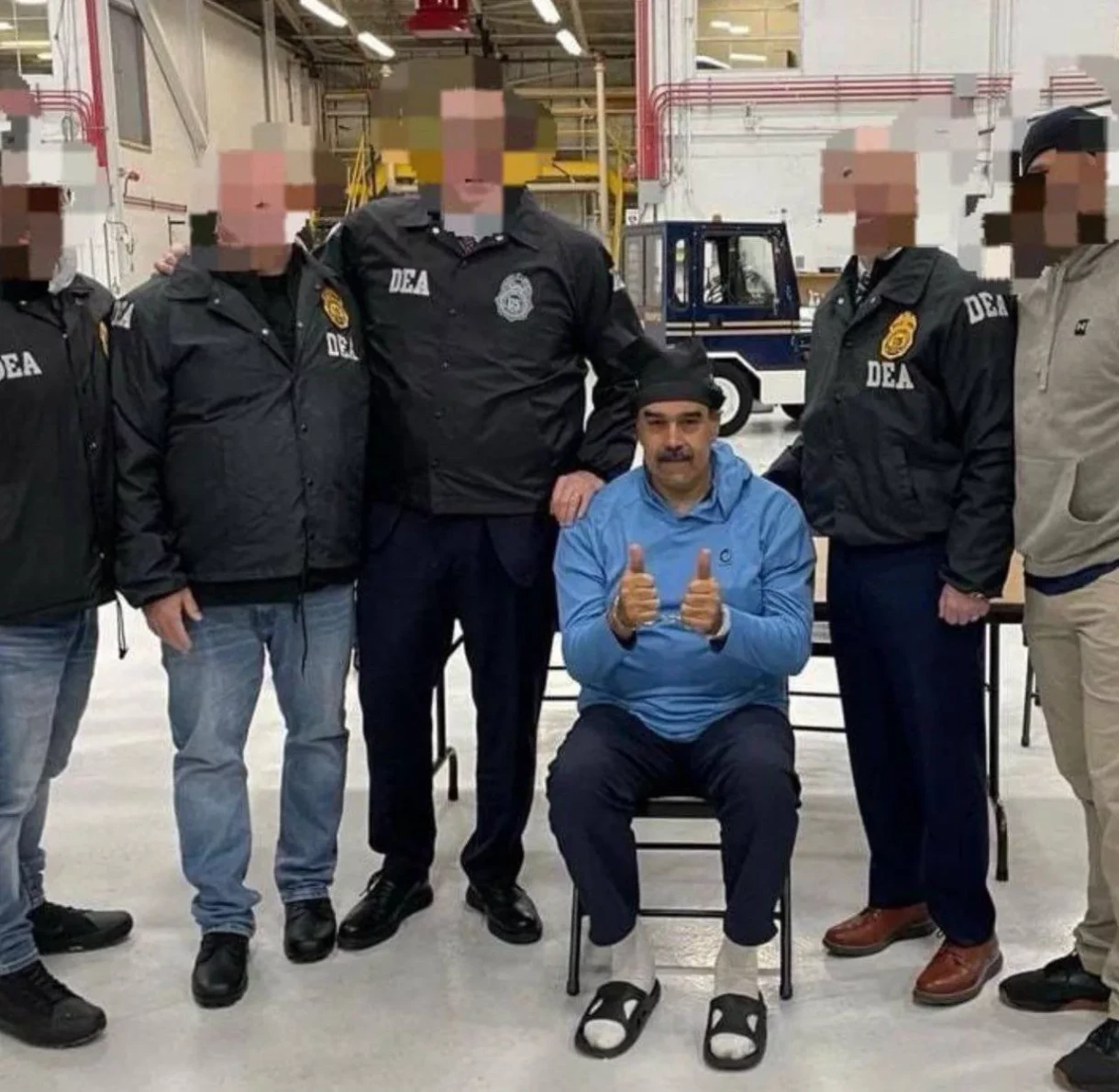
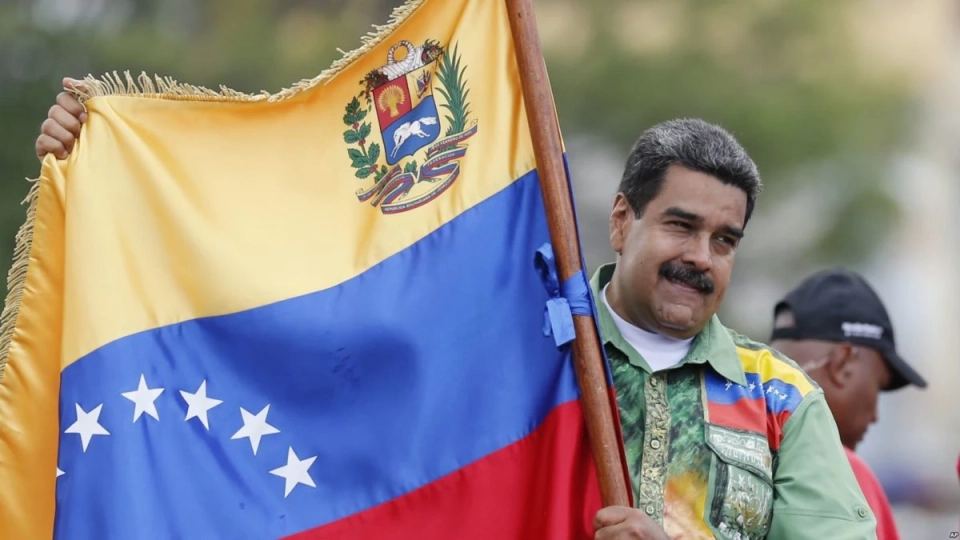
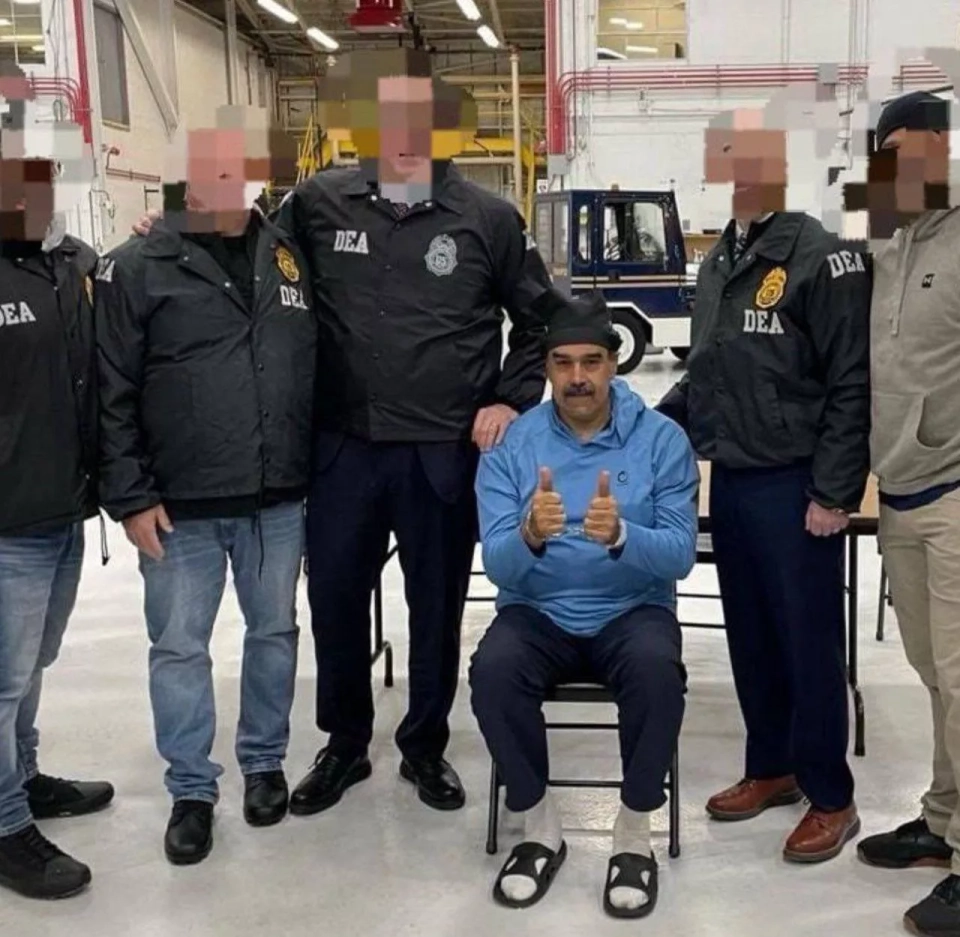
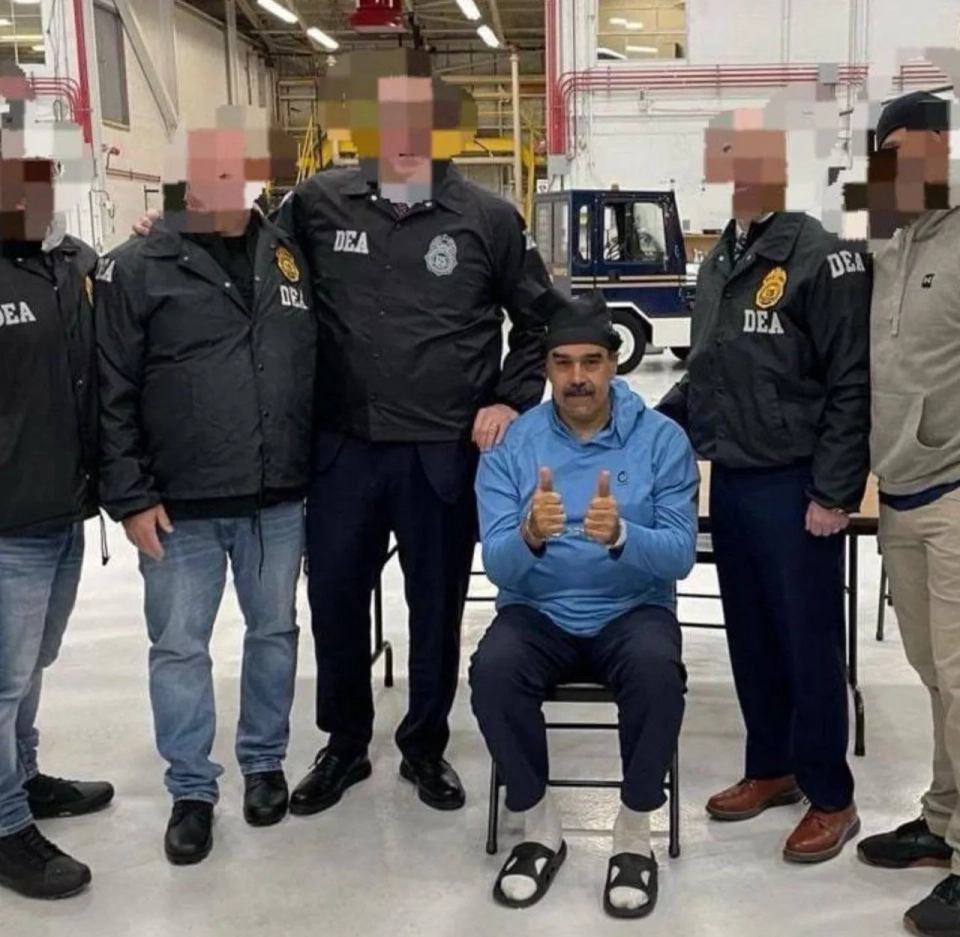
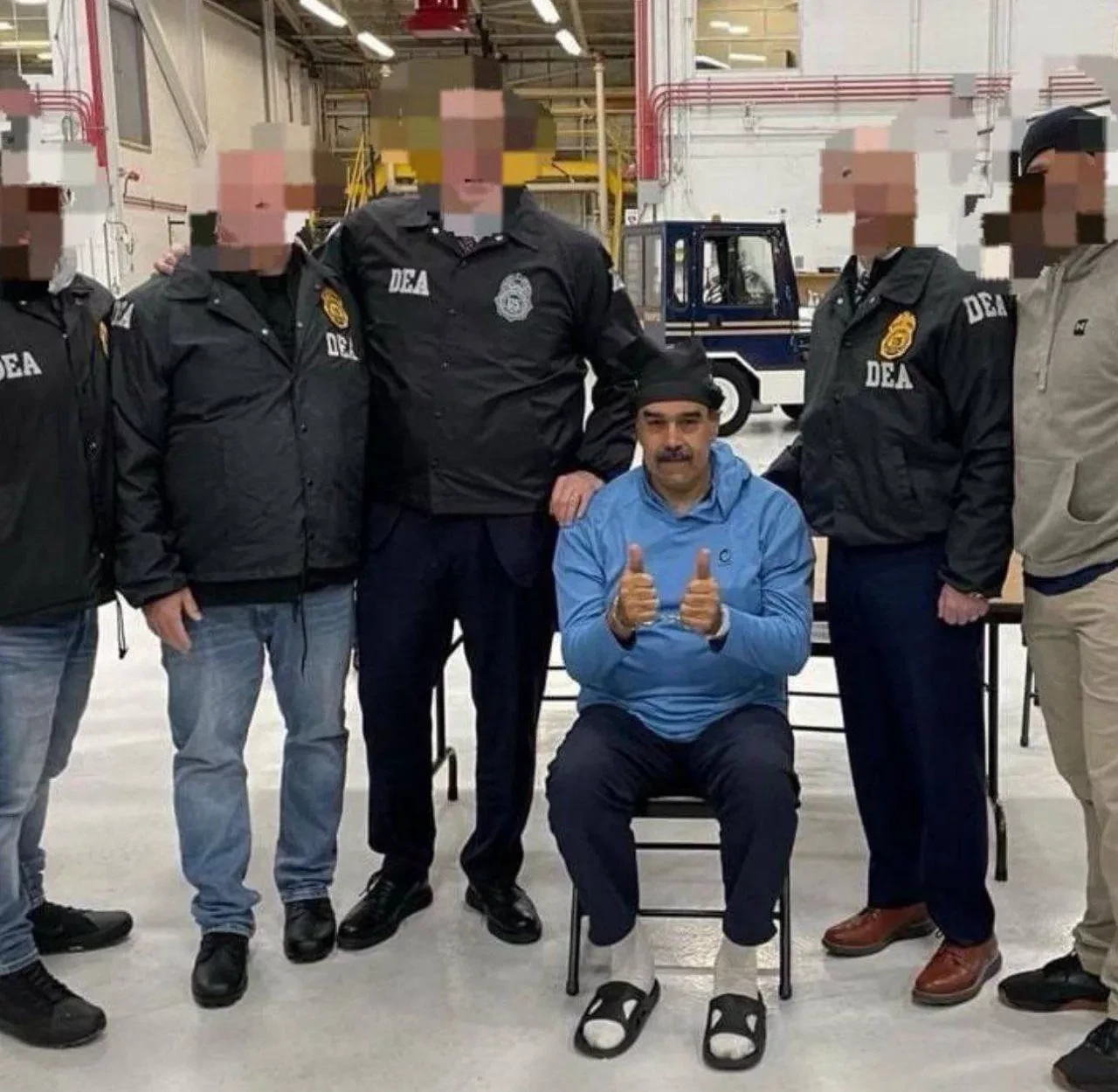
The United States began escalating the conflict with extrajudicial killings and the capture of President Maduro under the pretext of fighting drug trafficking, but it soon became clear that the true goal was control over Venezuela's natural resources. Even if the claims about fighting drug trafficking were true, exercising jurisdiction over the territory of another state without its consent remains illegal and violates sovereignty. Drug trafficking is not an “armed attack” that can justify self-defense under Article 51 of the UN Charter.
The Inter-American Juridical Committee also confirmed that the only exceptions to the prohibition on the use of force are self-defense and authorization by the UN Security Council; these limitations are important for the protection of peace and human rights.
The U.S. attack falls under three of the seven actions that Resolution 3314 defines as acts of aggression: “the invasion or attack by the armed forces of a state on the territory of another state”; “the bombardment of the territory of another state”; “the attack on the armed forces or fleets of another state.”
International human rights law also always applies. The UN Human Rights Committee's General Comment No. 36 clearly states that acts of aggression that lead to loss of life are ipso facto violations of the right to life.
“No name can make a bombing lawful. Law is defined by facts, not political rhetoric. Without the authorization of the Security Council or a legitimate basis for self-defense, the unilateral use of force by the United States against Venezuela was illegal and constitutes an act of aggression,” stated Agnes Callamard.
The situation in Venezuela: repression continues
For many years, Amnesty International and international organizations have documented systematic repression, including arbitrary detentions, enforced disappearances, and torture directed against human rights defenders and political opponents. In 2019, Amnesty International recorded instances of mass attacks by the Venezuelan government on the civilian population and concluded that since 2014, crimes against humanity have been committed. Since then, the organization has published new evidence of enforced disappearances and other crimes, calling for investigations and supporting the work of international bodies investigating in Venezuela.
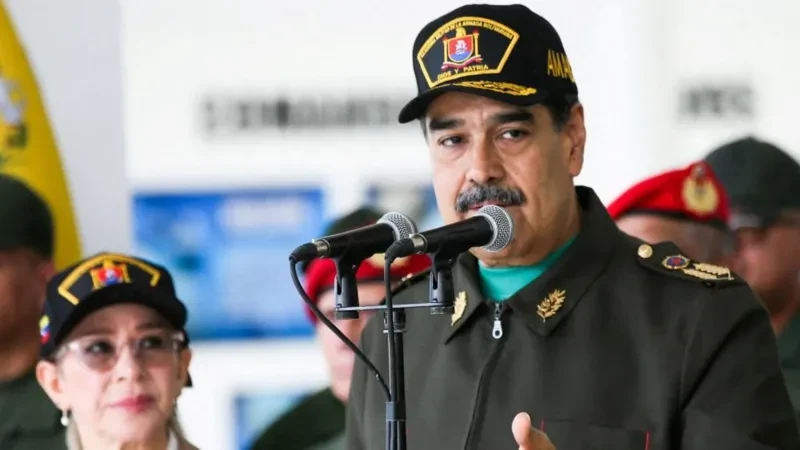
“Crimes against humanity do not cease with Maduro's departure. Venezuelan victims and their families continue to experience physical and psychological trauma. The state apparatus responsible for these crimes remains in place, and U.S. intervention only exacerbates the situation,” added Callamard.
Crimes against humanity do not cease with Maduro's departure. Venezuelan victims and their families continue to experience physical and psychological trauma.
Agnes Callamard, Secretary General of Amnesty International
Agnes Callamard, Secretary General of Amnesty International
After Maduro's capture, Venezuelan authorities announced the release of several detainees; however, in practice, this only affected a small group. The released individuals are under arbitrary supervision, making this decision merely a gesture that brings no real benefit. The use of force by the U.S. may lead to increased repression by the Venezuelan government against any alleged critics.
Under Delsi Rodriguez's government, detentions and persecutions of those supporting the opposition continue. Reports confirm new instances of arbitrary detentions, including 14 journalists detained during a press conference, as well as threats and repression that repeat the practices of the last ten years.
“The Venezuelan authorities must immediately release all arbitrarily detained individuals, end enforced disappearances and torture, and guarantee the rights to freedom of expression, assembly, and association. Any other actions will only exacerbate violations and strengthen impunity,” concluded Agnes Callamard.
In 2020, the Office of the Prosecutor of the International Criminal Court confirmed that crimes against humanity have been committed in Venezuela since 2017, and an official investigation has been initiated. Despite attempts by the Venezuelan authorities to stop it, investigations continue.
Given the scale of violations, Nicolás Maduro may become the subject of criminal prosecution by the International Criminal Court if sufficient evidence is gathered.
“Victims have the right to justice and reparation. We urge the International Criminal Court to expedite its work and issue arrest warrants when sufficient evidence is available,” added Callamard.
A dangerous precedent for international law
After the strike on January 3, President Trump effectively stated that the U.S. does not intend to adhere to international legal norms and that the Western Hemisphere is a region that the U.S. can control at its discretion. This position has become known as the “Trump-Monroe Doctrine.” The actions of the U.S. are not the first unilateral military actions, but this may be the first case where they attempt to justify their actions so blatantly contrary to the principles of international law.
The strike on January 3 concluded a series of U.S. attacks on “narco-submarines,” which Amnesty International and experts consider extrajudicial killings. The escalation of U.S. military presence in the Caribbean region and threats of force against criminal groups blur the lines between law enforcement and war.
Our demands for the protection of human rights
All states must reaffirm the supremacy of the UN Charter and the necessity of prohibiting the use of force in international relations. In multilateral forums and bilateral negotiations, governments must reject unilateral use of force and emphasize the protection of civilian populations and human rights.
“Today’s silence will become tomorrow’s approval of violence. States must draw a clear line. The suffering of those affected by the illegal use of force and those facing repression are not competing tragedies. The only path that respects the dignity of all is adherence to international law and investigation of violations,” concluded Agnes Callamard.
The U.S. must cease the use of force against Venezuela and conduct independent investigations into cases of civilian casualties. These steps are necessary not only in accordance with international law but also to restore trust that civilians are not bargaining chips in geopolitical games.
The Venezuelan authorities must end crimes against humanity, guarantee the right to life, and release all arbitrarily detained individuals; cease enforced disappearances, torture, and other forms of cruel treatment; dismantle pro-government armed groups, and guarantee rights to freedom of expression, assembly, and political participation. Those responsible for these crimes must be held accountable, and victims must be granted the right to justice and reparation. A new context cannot serve as a justification for repressive policies.