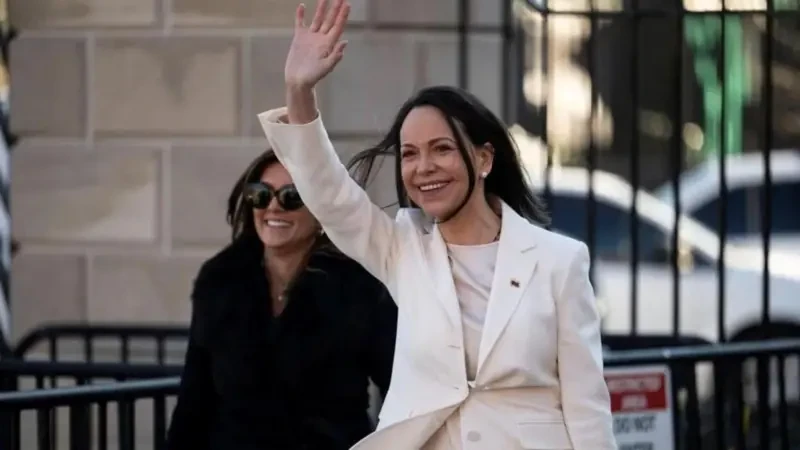
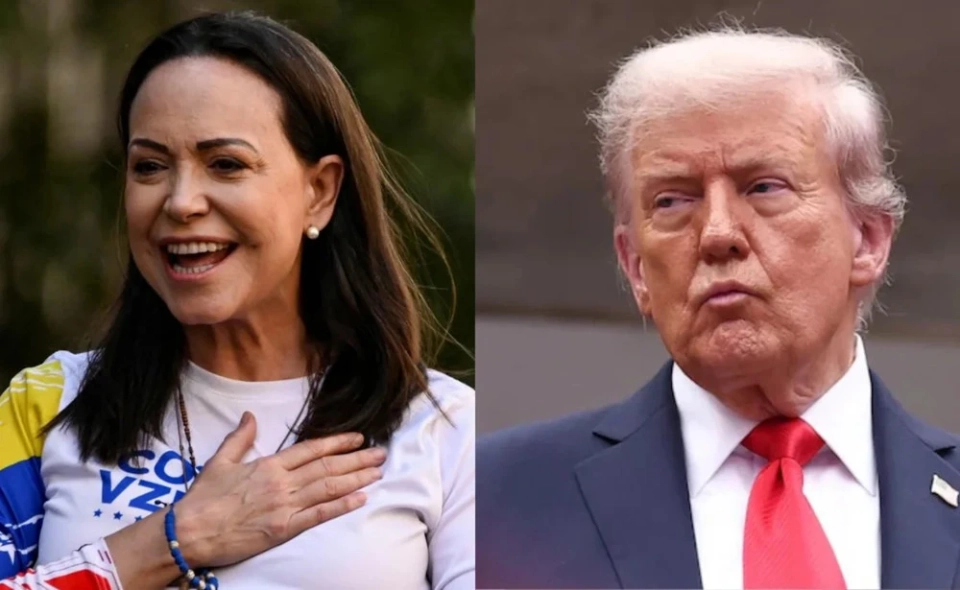
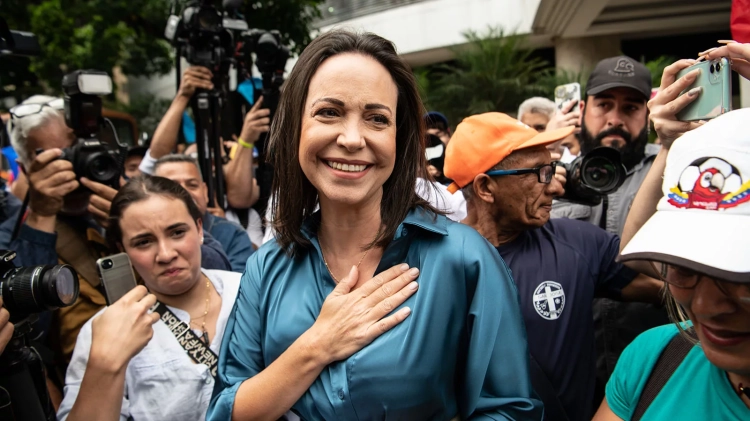
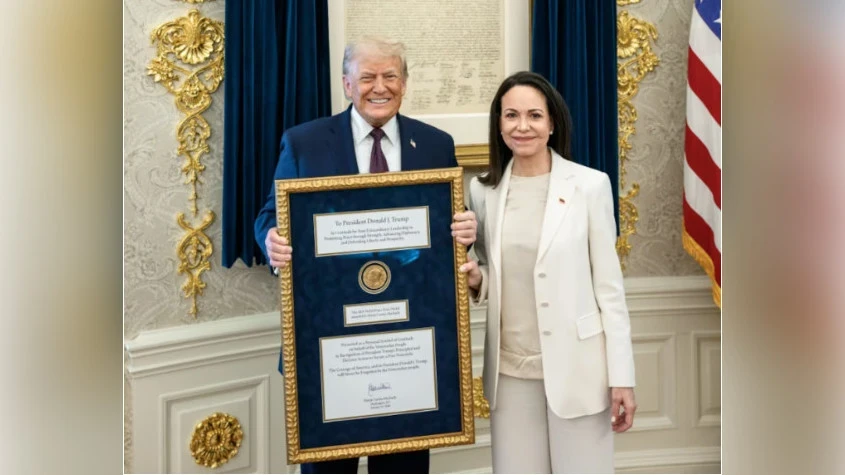
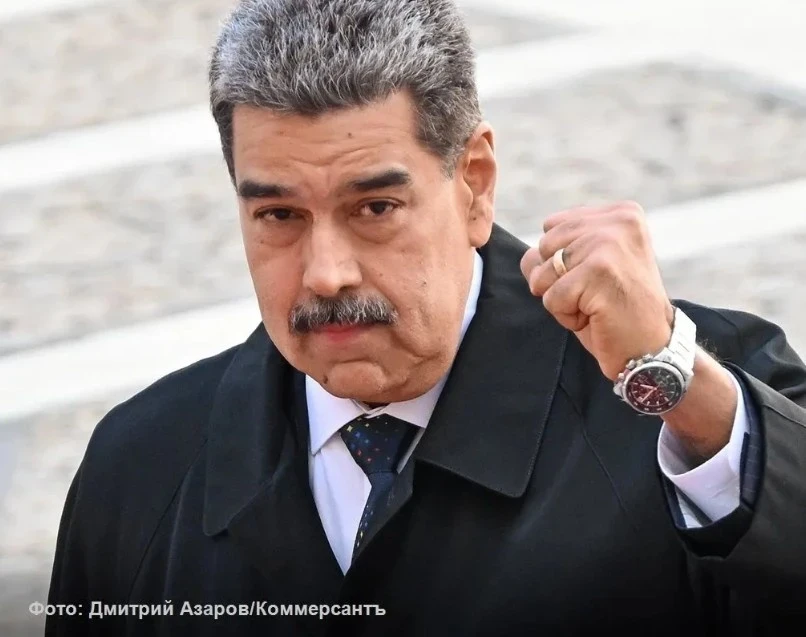
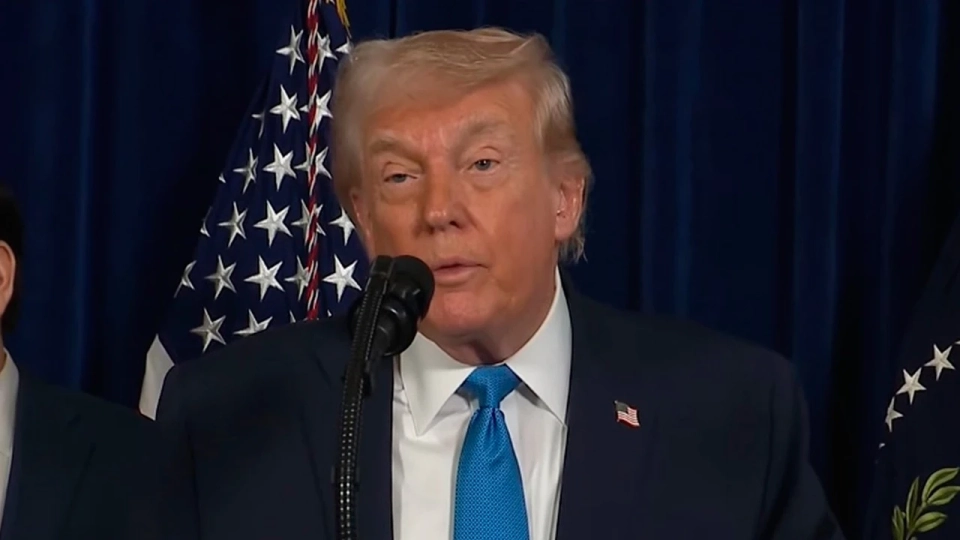
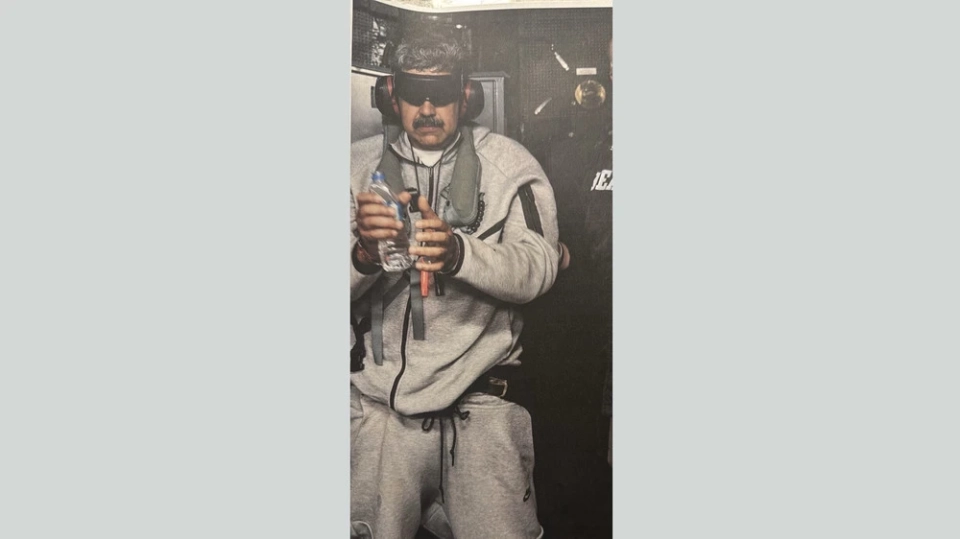
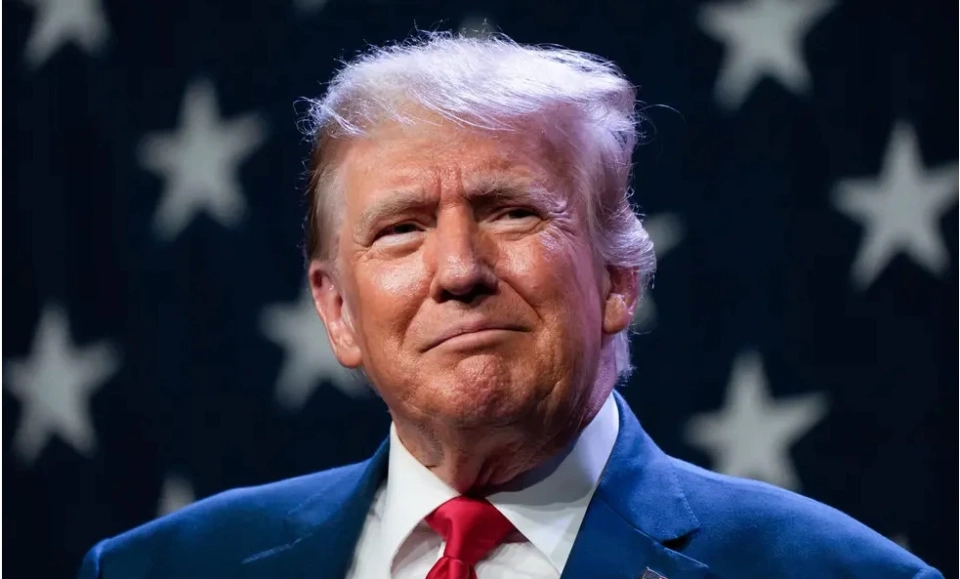
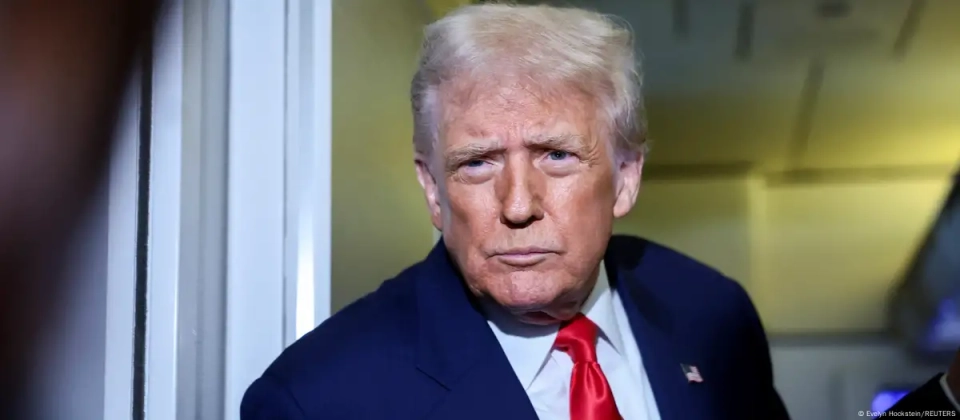
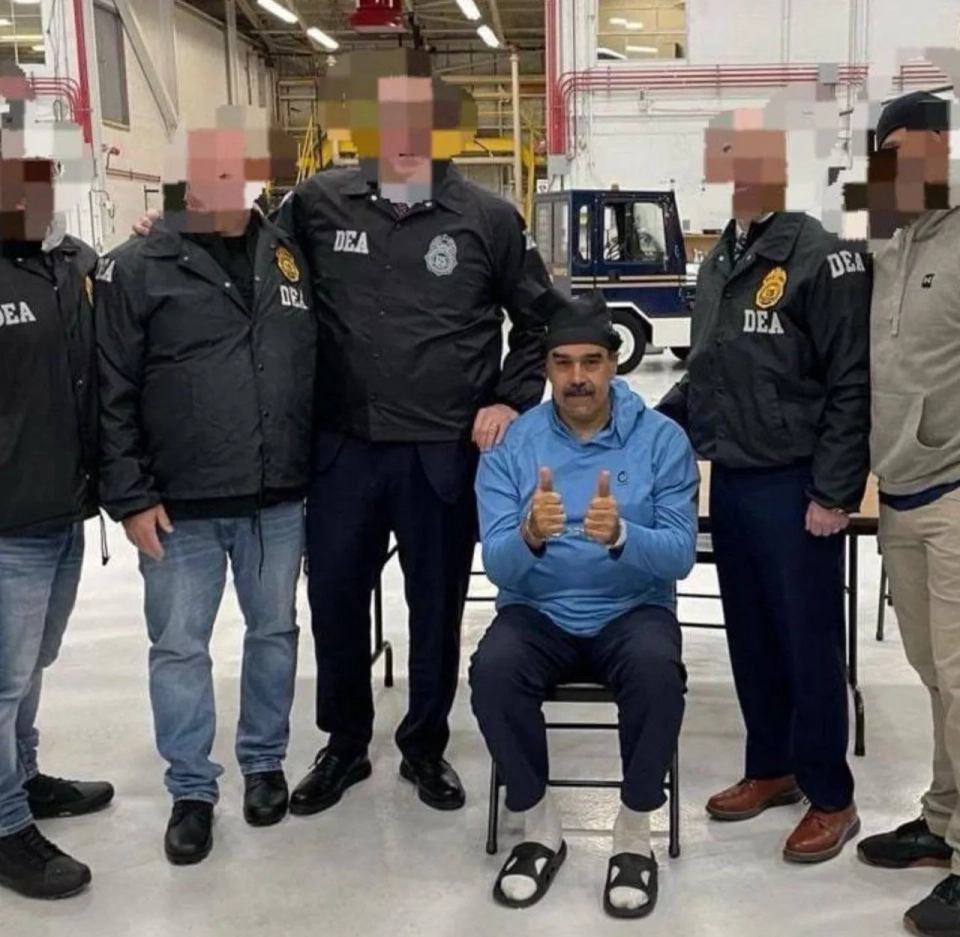
On January 3, when Venezuelan President Nicolás Maduro was detained in the U.S. on his way to New York, María Corina Machado, a Nobel Peace Prize laureate, declared: “The hour of freedom has come.” However, the joy of her supporters quickly turned to concern when Trump announced that his administration would “govern the country until a safe and reasonable transition,” effectively ignoring the democratic forces in Venezuela. Trump's meeting with Machado on Thursday brought no changes to the country's fate.
What now awaits Venezuelans in their quest for freedom? Will the U.S. restore the popular sovereignty that was suppressed by Maduro, who many say stole the elections from the legitimate winner Edmundo González?
Reminding of her authority, Machado stated: “We have an elected president, and we are ready to serve the people.” The Vatican expressed its support for her, releasing photographs with Pope Leo XIV after a private audience.
Nevertheless, nearly two weeks after the U.S. intervention in Caracas, it became clear that Trump intends to suspend the development of democracy in the country to preserve the regime. Despite González being elected by a clear majority, Trump seems unwilling to take this into account.
Even the Nobel Peace Prize awarded to Machado did not impress Trump. On the contrary, he perceived it as a challenge. As the Washington Post reported: “If she had rejected the prize, she could have become president.” This sparked rumors that the U.S. forced Machado to leave the country to prevent her influence on events.
According to the Wall Street Journal, the CIA believes that the Venezuelan opposition will not be able to withstand Chavista forces. Secretary of State Marco Rubio supported this view, noting that most of the opposition is no longer in the country. The administration is focused on “urgent issues” that require resolution.
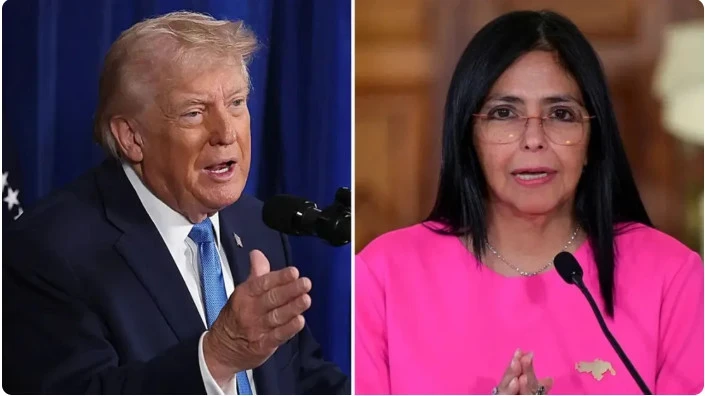
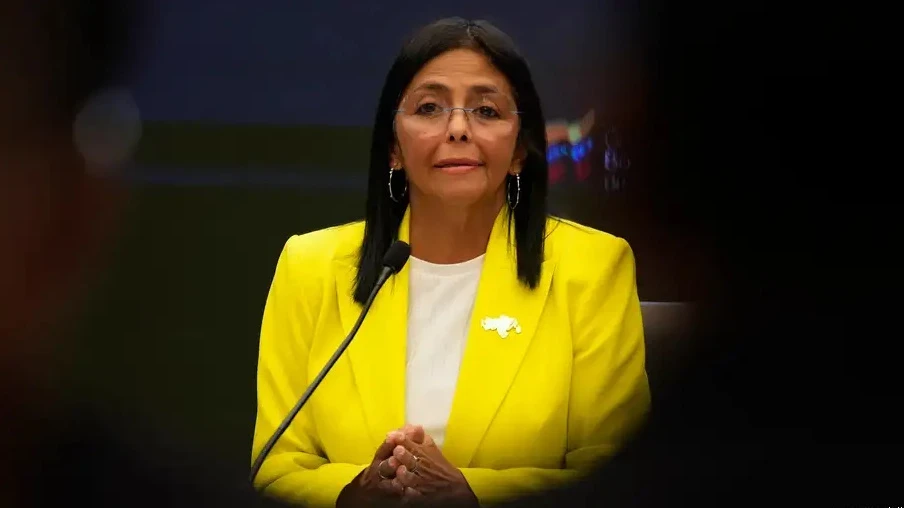
Rubio's three-phase plan begins with a “stabilization” phase that will last two to three months. During this period, the country will be governed by Delcy Rodríguez, Maduro's former vice president, without promising any steps toward a democratic transition. Her position remains unstable due to the power of figures like the head of the secret police Diosdado Cabello and Defense Minister Vladimir Padrino López.
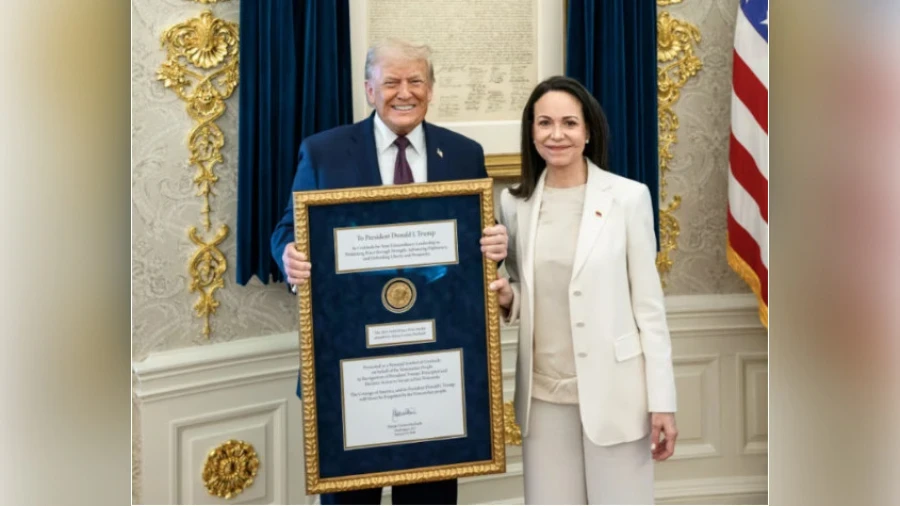
As noted by the Caracas Chronicles, this leads to a “delay in the transition period.” Although Machado characterized her meeting with Trump as “great,” there is no evidence that it influenced the overall situation. In an attempt to please Trump, she even offered him her Nobel Prize during her visit to the White House on January 15, which Trump gladly accepted, although the prize is not transferable. But no obsequious gestures will change the main point: Trump does not support Machado as she focuses on popular sovereignty rather than his interests in Venezuelan oil.
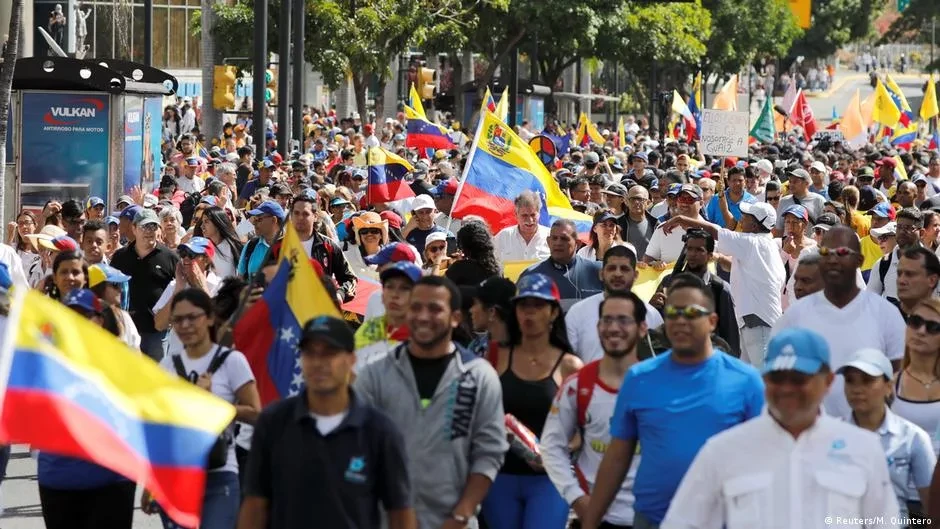
The Venezuelan opposition should not pander to Trump's ambitions. Machado earned her Nobel Prize for working with Venezuelans both inside the country and abroad and must reclaim that role if she wants to maintain influence over the political transition. As one commentator noted, the ability to organize nationwide protests is the only tool that Machado possesses.
The key point is to mobilize resistance without provoking violence from the secret police and associated groups. The only demand that can pressure Rodríguez and Rubio while minimizing risks is the release of all political prisoners. This is also the only point on which Machado and the Trump administration agree after the overthrow of Maduro.
Undoubtedly, returning to the streets carries significant risks. However, well-organized protests can help the opposition regain initiative and garner support from international leaders beyond Trump. Ideologically, Machado is closer to European leaders like German Chancellor Friedrich Merz and Italian Prime Minister Giorgia Meloni than to deal-oriented Trump.
This closeness is not accidental. As a deeply devout Catholic, Machado understands that Christian democracy has historically provided the moral and organizational foundations of Venezuelan civil society. It is no surprise that her values align more closely with those who are not in the White House but in the Vatican. Earlier this month, Pope Leo called on the international community to respect the will of the Venezuelan people and protect human rights.
However, Machado and Trump will never find common ground on issues of values. Therefore, the leader of the Venezuelan opposition needs to return to the strategy that initially earned her international recognition. The time for Venezuelan forces advocating for democracy is running out, and they must assert themselves again to have weight in shaping the country's political future.