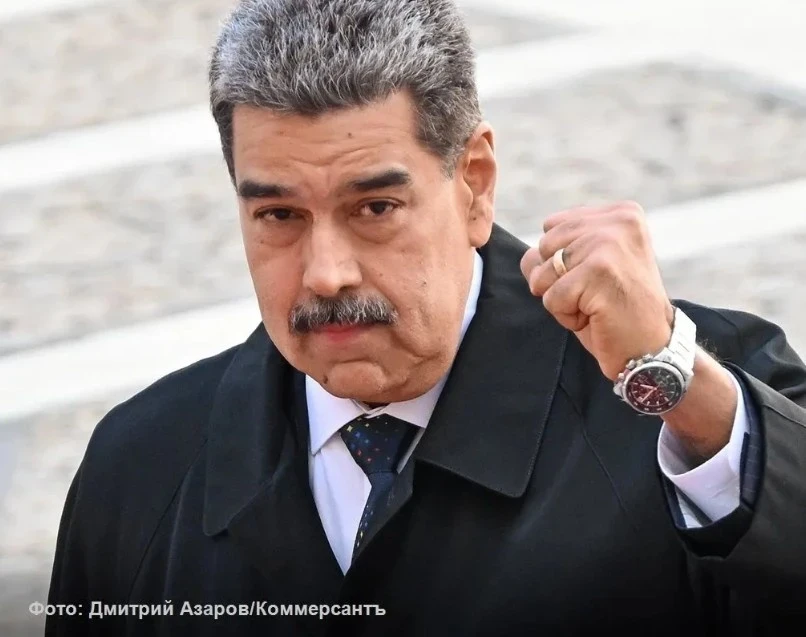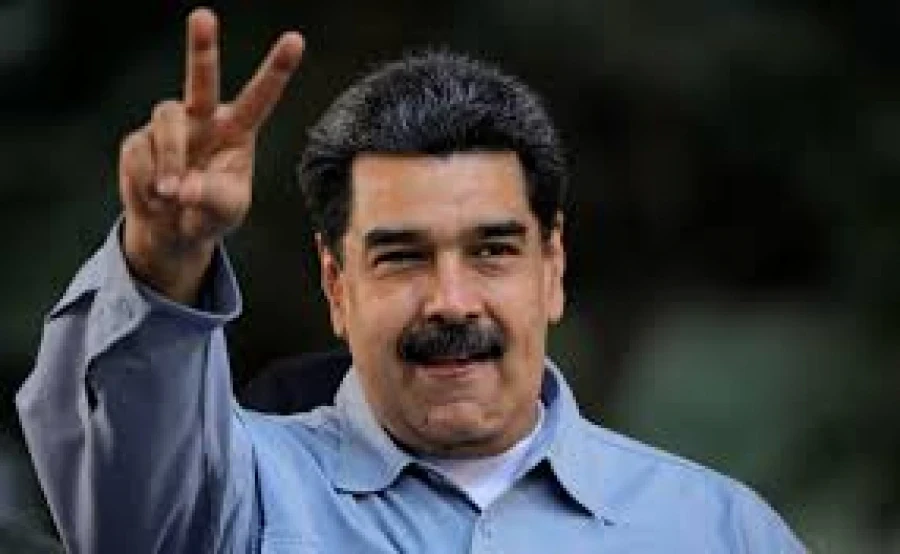
The operation, which represented an unprecedented military act by the US in Latin America since the Cold War, was conducted under strict secrecy. Congress was not informed of the plans and did not participate in their discussion. After finalizing the details, senior military commanders awaited the right moment to execute the plan.
On Saturday, high-ranking officials reported that they aimed to maximize the element of surprise. Four days prior, there was an unsuccessful attempt when President Trump authorized action, but the team decided to postpone the operation until weather conditions improved.
“For several weeks, up until Christmas and New Year’s, US military personnel were on standby, awaiting the president’s command,” General Dan Cain stated at a press conference on Saturday morning.
“Good luck and God’s grace!”
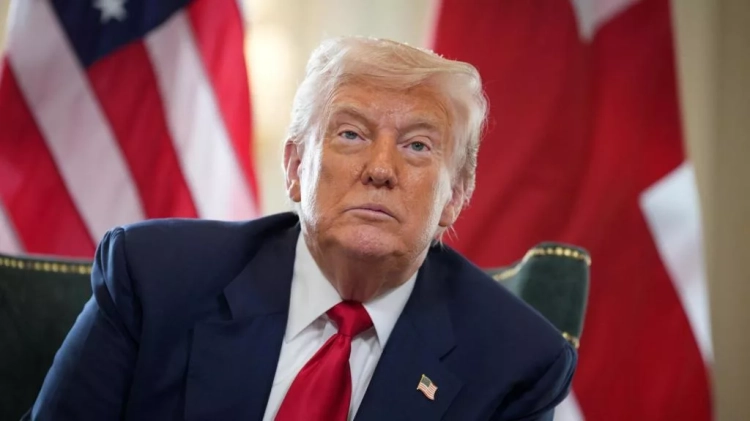
The order to commence the operation was given by the president at 10:46 PM Eastern Time on Friday. “We were going to do this four days ago, three days ago, two days ago, and then an opportunity arose, and we said: let’s go!” Trump said on Fox & Friends a few hours after the operation began.
“He told us, and we appreciate it… good luck and God’s help,” General Cain added. Trump’s order was given shortly before midnight in Caracas, allowing the military to operate under the cover of darkness.
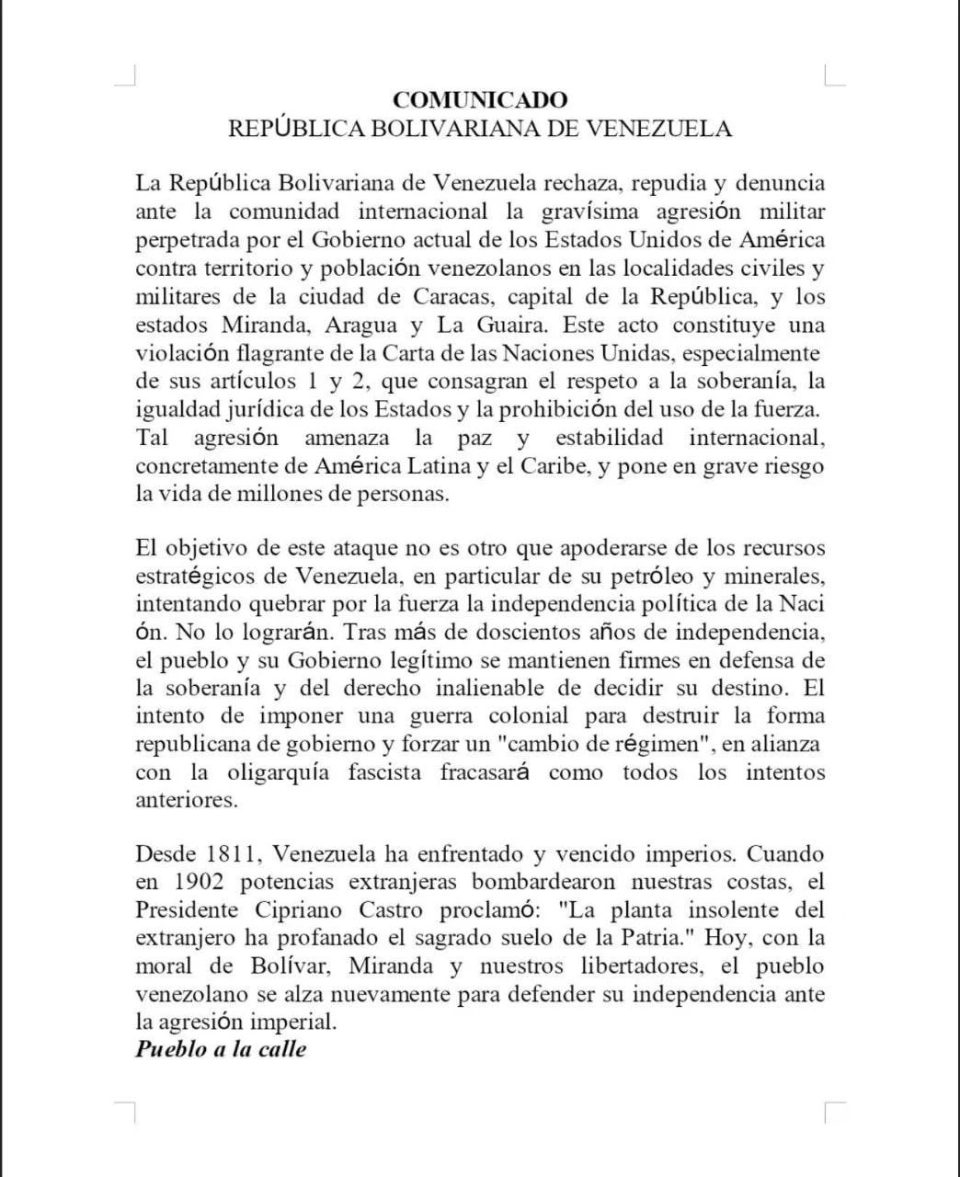
The operation that followed lasted two hours and twenty minutes, utilizing air, ground, and naval forces. The scale and precision of the actions shocked Washington and beyond. Many regions condemned the intervention, particularly Brazilian President Lula da Silva noted that the capture of the Venezuelan leader creates a “dangerous precedent for the entire international community.”
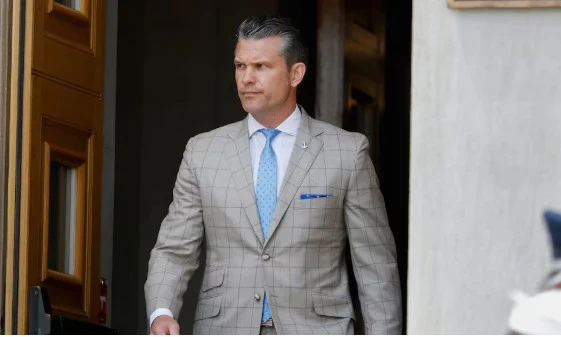
Trump was not in the White House operations center during the operation; he was observing the events from his Mar-a-Lago club in Palm Beach, Florida, accompanied by his advisors, including CIA Director John Ratcliffe and Secretary of State Marco Rubio.
“It was an incredible sight,” Trump commented. “I watched it like a TV show. If you had seen the speed and ferocity of the actions… it’s just amazing what these people did.”
In recent months, thousands of American troops had been deployed to the region, joining aircraft carriers and numerous warships, marking the largest military buildup in decades. This occurred amid Trump’s accusations against Maduro of drug trafficking and narco-terrorism, as well as actions against small vessels suspected of drug smuggling.
The first sign of Operation “Absolute Resolve” appeared in the sky. According to US officials, more than 150 aircraft were involved in the operation, including bombers, fighters, and reconnaissance planes.
“This was an extremely complex maneuver with a large number of aircraft and landings,” Trump emphasized in an interview with Fox News. “We had a fighter jet on standby for any unforeseen circumstances.”
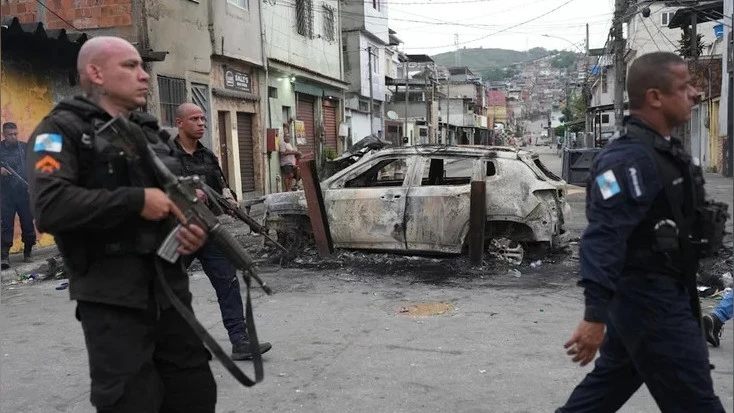
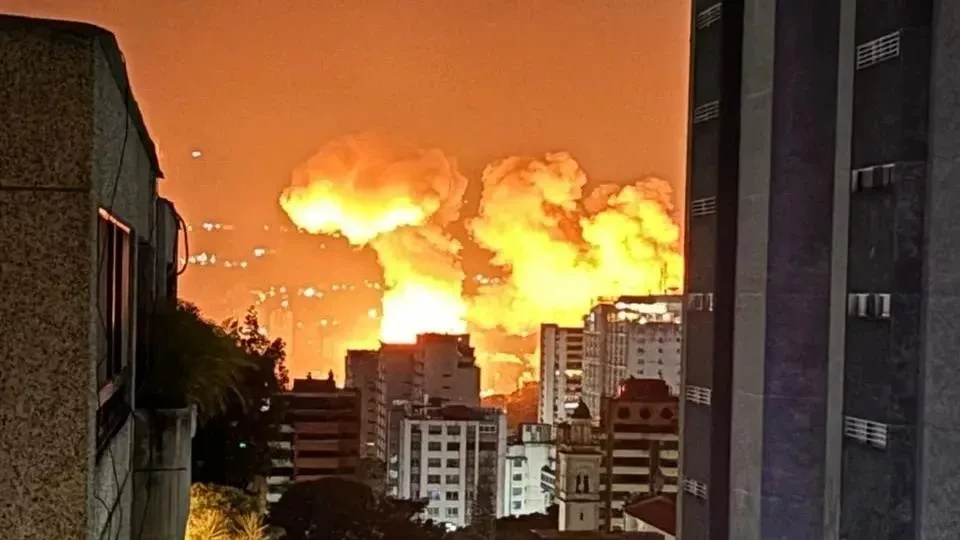
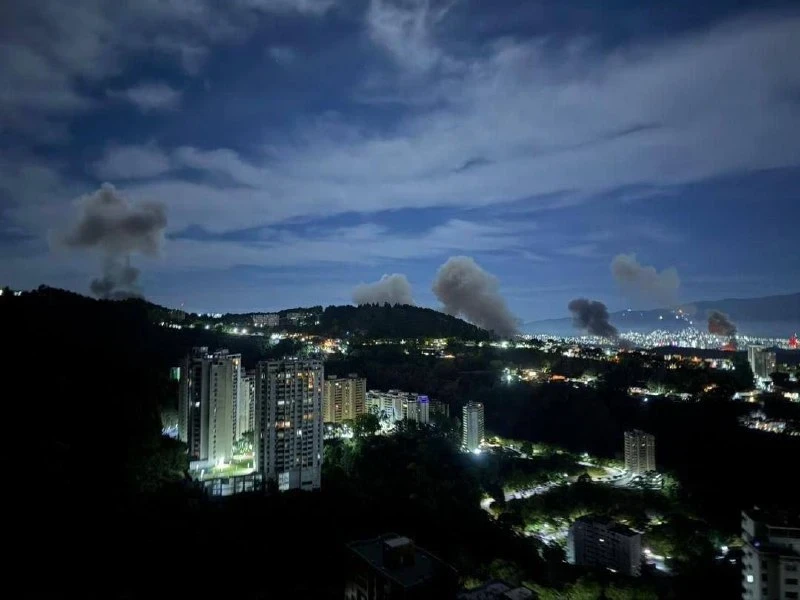
At around 2:00 AM local time in Caracas, powerful explosions were heard, and plumes of smoke rose over the city. “I heard a deafening sound, a loud bang,” reported BBC correspondent Ana Vanessa Herrero. “All the windows shook, then I saw a huge cloud of smoke that almost completely blocked the view.”
“Planes and helicopters were circling over the city,” she added.
Soon, videos began to appear on social media capturing numerous aircraft in the sky, as well as the aftermath of the explosions. One video showed a column of helicopters flying low over Caracas, while smoke from explosions rose above the city.
“We woke up around 1:55 AM from loud explosions and the noise of planes flying over Caracas,” eyewitness Daniela recounted. “Everything was plunged into darkness, only the flashes of explosions illuminated the space.”
“Neighbors were exchanging messages in group chats, everyone was confused and scared by what was happening,” she added.
The BBC Verify program analyzed several videos capturing explosions and smoke in various parts of Caracas to determine which targets were hit.
So far, five locations have been confirmed, including Generalissimo Francisco de Miranda Air Base, La Carlota Airfield, and La Guaira Port, the main transport hub of Caracas connecting to the Caribbean Sea.
A map showing the locations of US strikes in Caracas and its surroundings (Venezuela) highlights La Guaira Port in the north, Fuerte Tiuna and La Carlota in Caracas, as well as the Iguarote Airport in the east.
According to officials, some US strikes targeted anti-aircraft systems and other military facilities. Trump also suggested cutting off electricity in Caracas before the operation began, although he did not specify how this was to be accomplished.
“Thanks to our experience, the lights in Caracas were mostly turned off,” he noted. “This created a dark and dangerous environment.”
“They knew we were coming.”
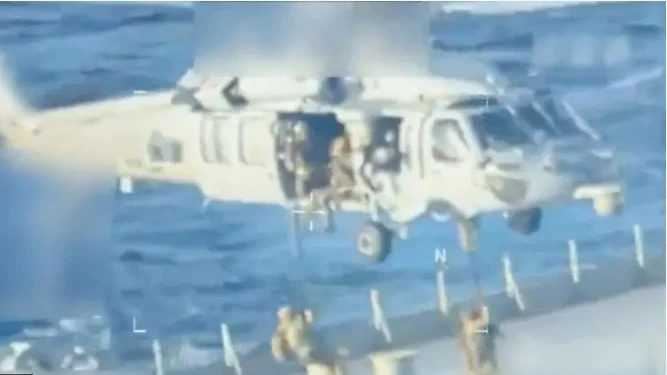
As the sounds of airstrikes echoed over Caracas, American troops began to enter the city. According to information obtained from sources working with CBS, they included fighters from the elite Delta Force unit, the highest special operations unit of the US Army. They were armed and carried tools that might be needed to break into Maduro’s apartment.
General Cain reported that the troops arrived at Maduro’s location shortly after the attacks began at 2:01 AM local time. Trump described the apartment as a securely fortified “fortress” in the center of Caracas. “They were on alert and waiting for us. They knew we were coming,” he added.
Upon arrival at the site, the troops came under fire; one helicopter was hit but continued to fly. “The operational group landed on the grounds of Maduro’s residence and acted quickly and effectively,” General Cain noted.
“They just burst in, overcoming obstacles like steel doors made specifically for this purpose,” Trump explained.
As the operation unfolded, which resulted in the detention of Maduro’s wife, Cilia Flores, Secretary of State Rubio began informing lawmakers about the actions, which caused dissatisfaction among some members of Congress.
“Let me clarify: Nicolás Maduro is an illegitimate dictator. But starting military action without Congressional approval and without a clear plan for further actions is madness,” said Democratic leader Chuck Schumer.
Informing Congress in advance could have jeopardized the operation, Rubio argues, adding that “Congress often becomes a source of information leaks.” “That would not be good,” Trump remarked.
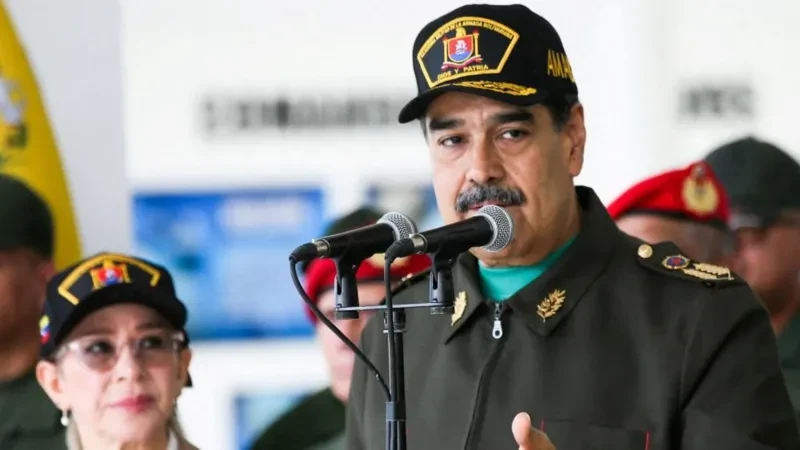
According to Trump, when American troops arrived at Maduro’s residence, the president, who had recently often relied on Cuban bodyguards, was trying to escape. “He was trying to get to a safe place, which was actually not safe because we would have blown the door in about 47 seconds,” he stated.
“He got to the door but couldn’t close it,” Trump added. “He was surrounded so quickly that he didn’t have time to get into that [room].”
When asked if the US could have killed Maduro if he had resisted, Trump replied: “That could have happened.” He also noted that “several people were injured,” but no American servicemen were killed; Venezuelan authorities did not confirm information about casualties.
Earlier, the US had offered a reward of $50 million for information leading to Maduro’s arrest. But by 4:20 AM local time on Saturday, helicopters left Venezuela with Maduro and his wife on board, in the custody of the Department of Justice and heading to New York, where they are expected to face criminal charges.
Nearly an hour later, Trump announced to the world about the detention. “Maduro and his wife will soon face the full power of American justice,” he declared.