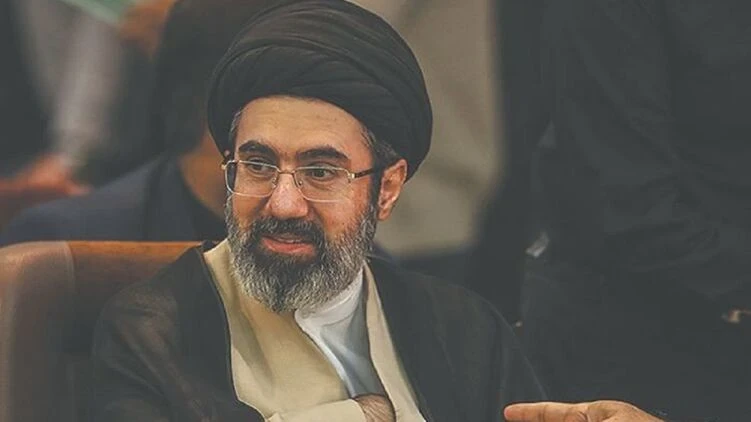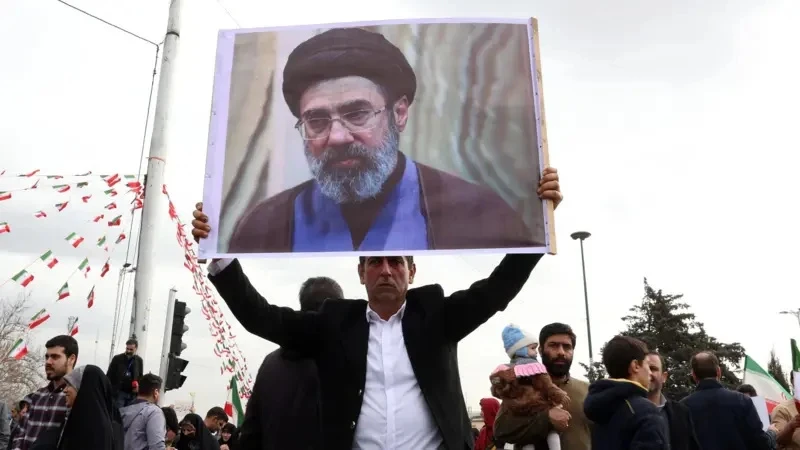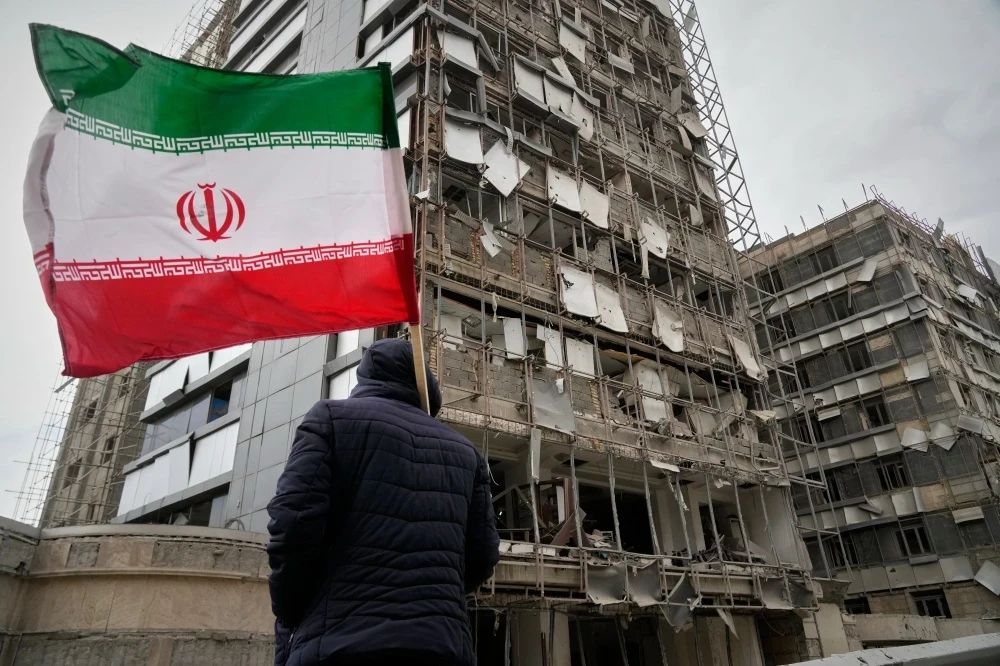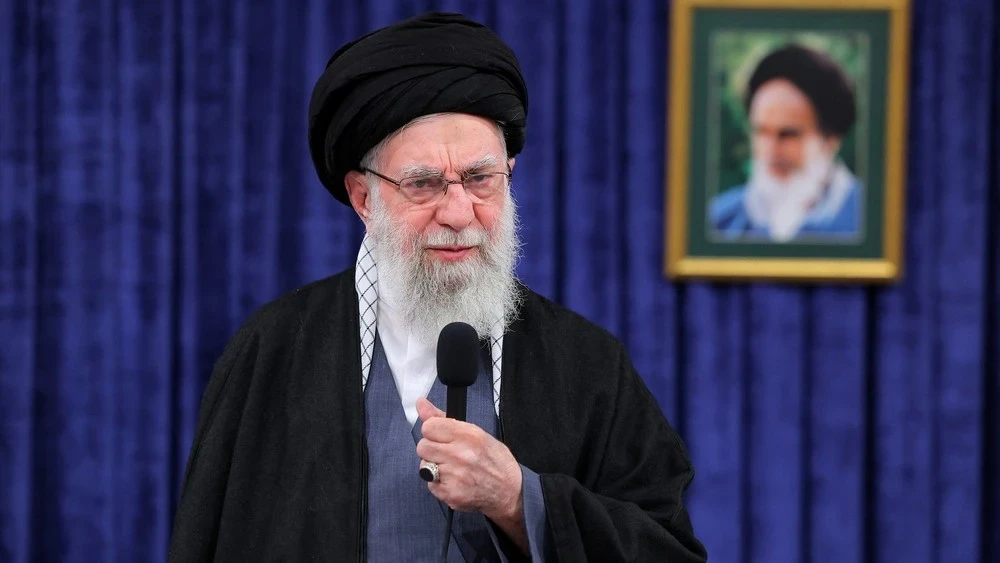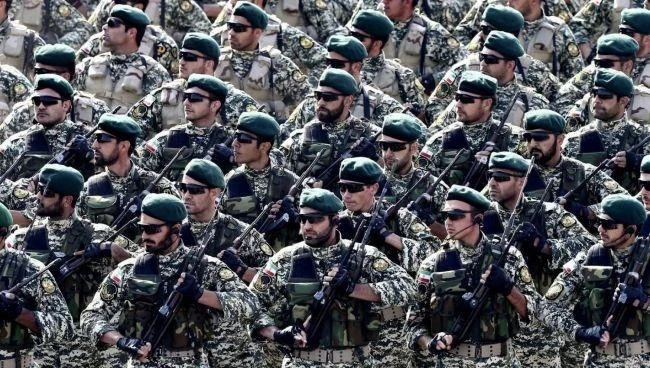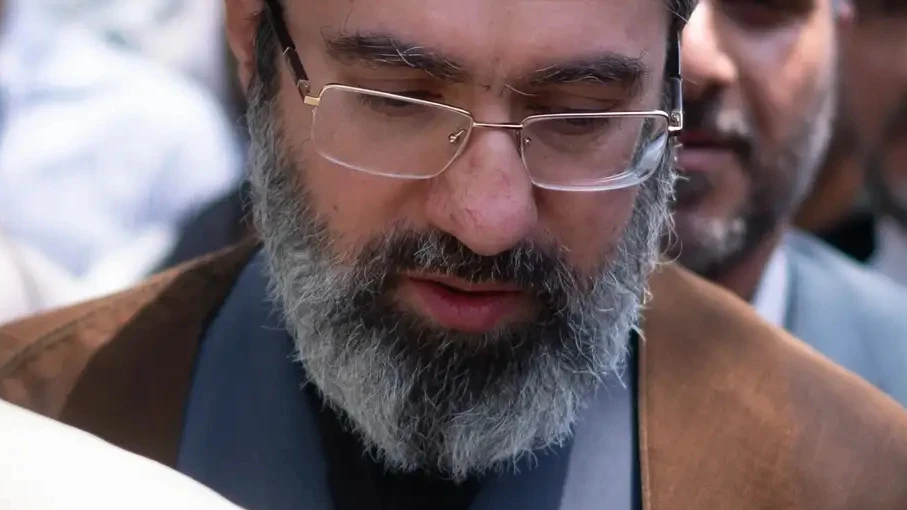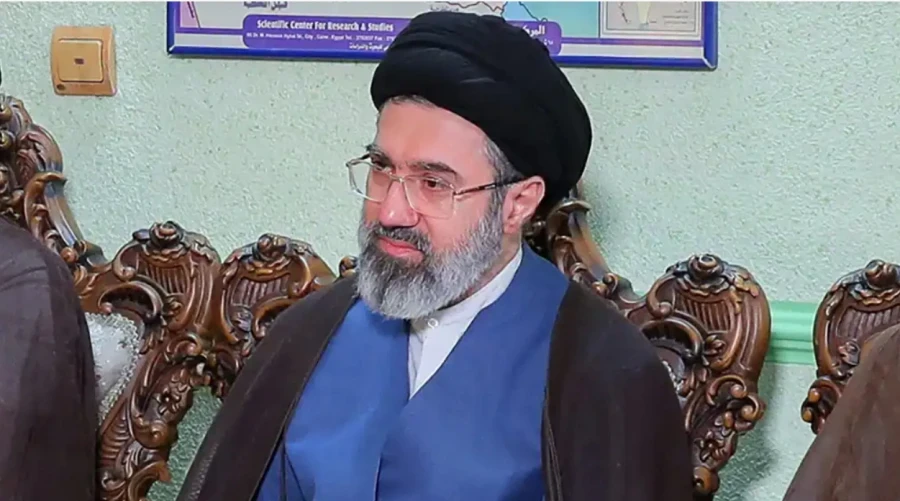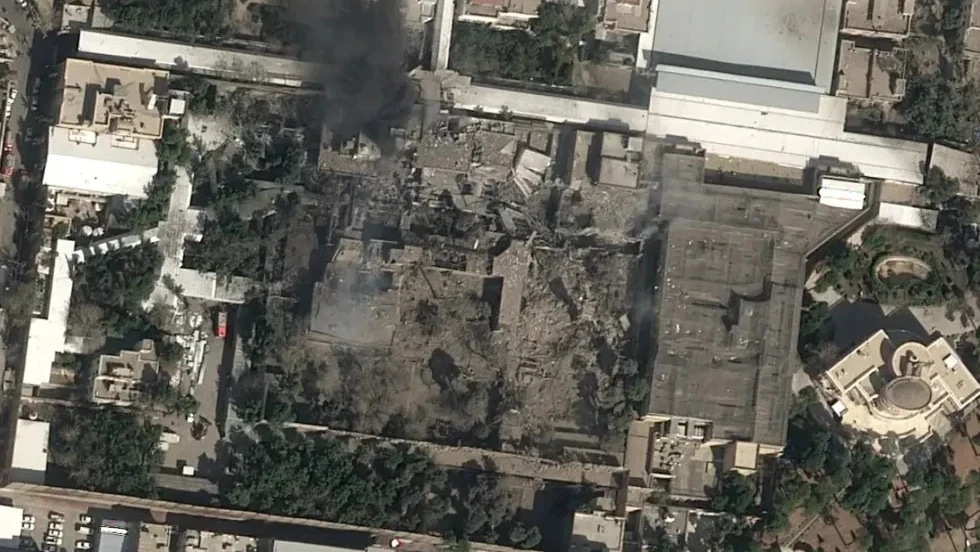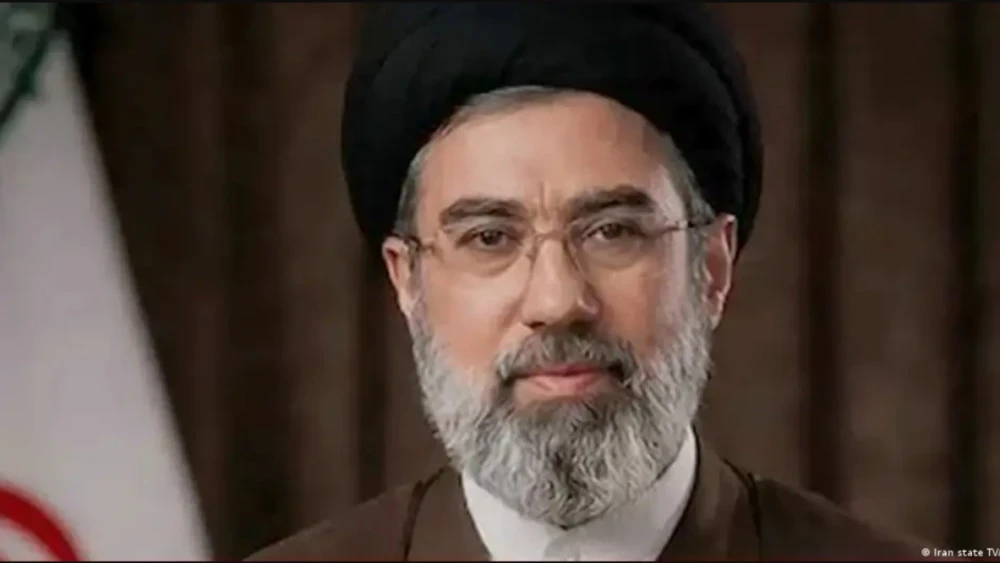
With Khamenei's appointment to this position, control in Iran has fallen into the hands of hardline supporters, while more moderate factions have been pushed out. Tehran will continue its confrontation with the US and Israel, and the new Supreme Leader intends to take tough measures against the West, especially after the loss of his family as a result of the strike on February 28.
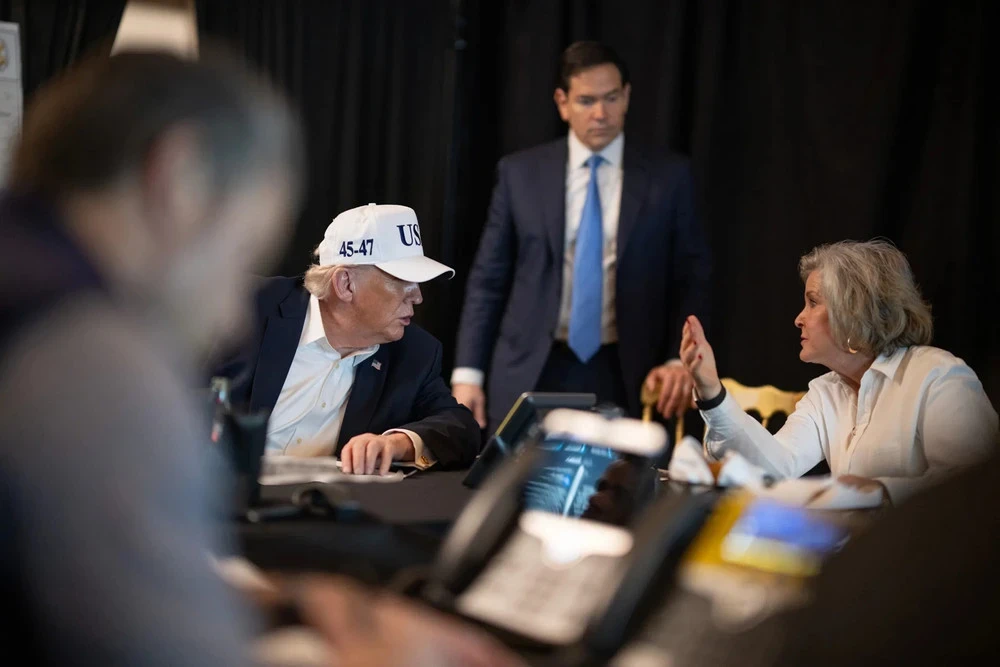
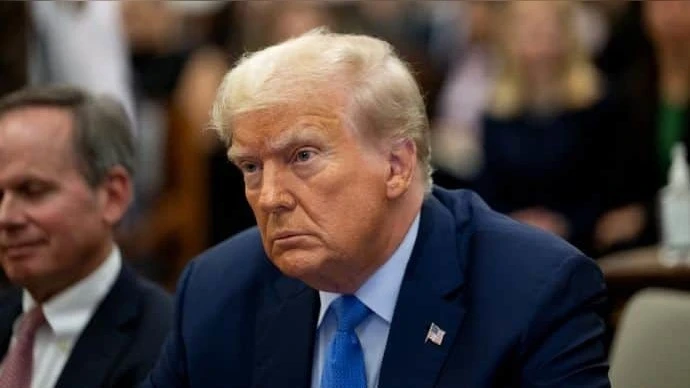
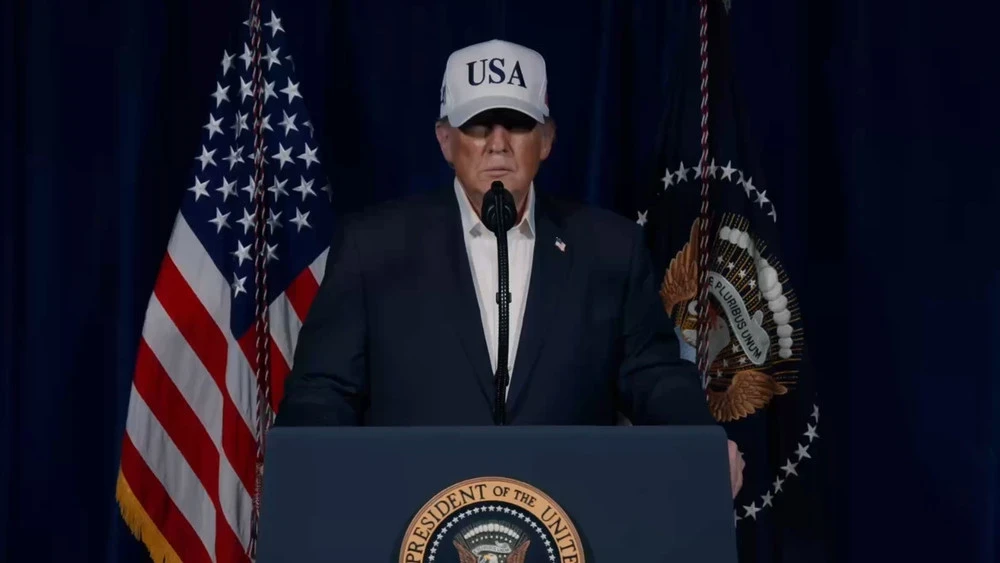
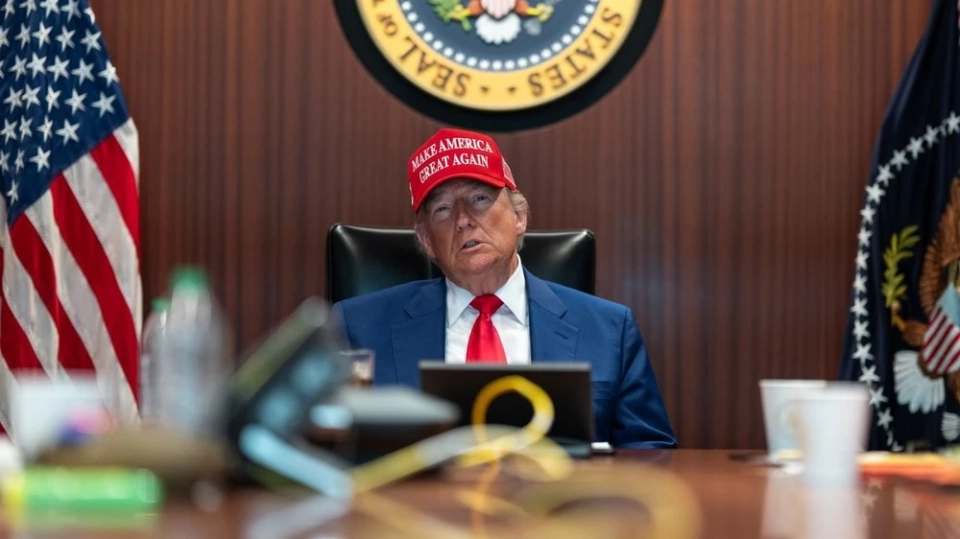
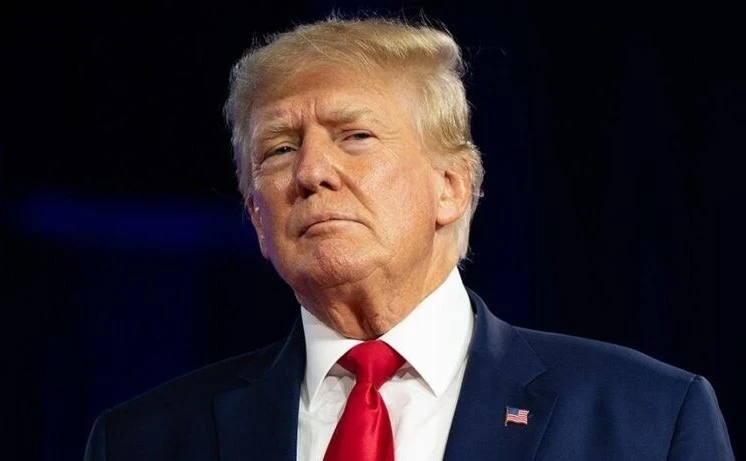
Donald Trump has already expressed his dissatisfaction, calling Khamenei "unacceptable." However, the appointment of a conservative with longstanding ties to the Islamic Revolutionary Guard Corps (IRGC) indicates that Trump's attempts to intimidate the Iranian leadership have not yielded results, as noted by The Wall Street Journal. Khamenei's rise to power implies the continuation of the same strategy – suppressing opposition within the country and confronting on the international stage, as commented by Sanam Vakil from Chatham House.
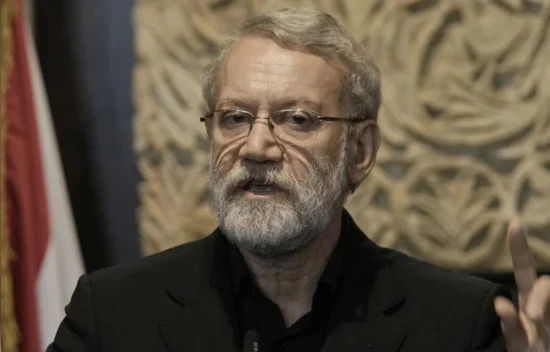
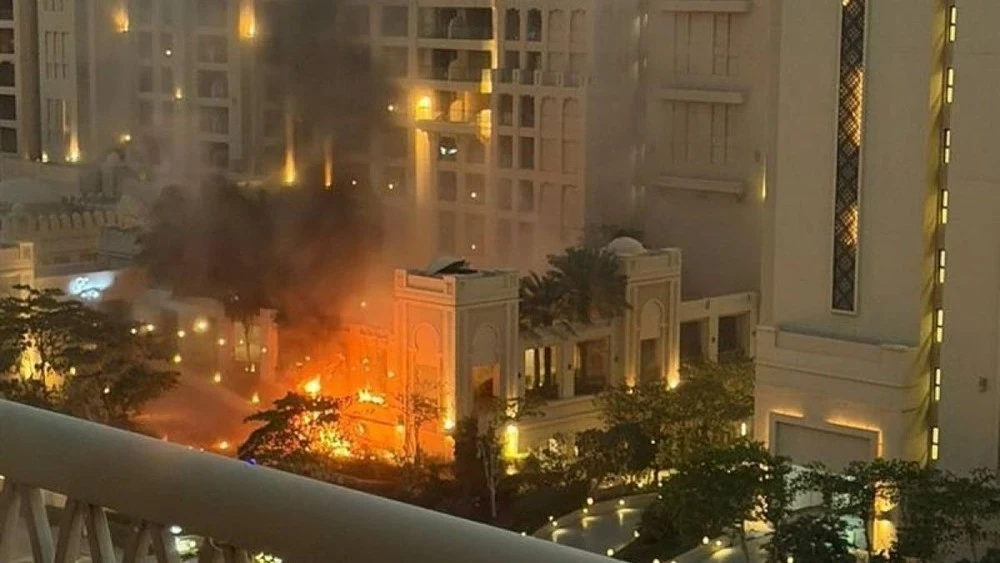
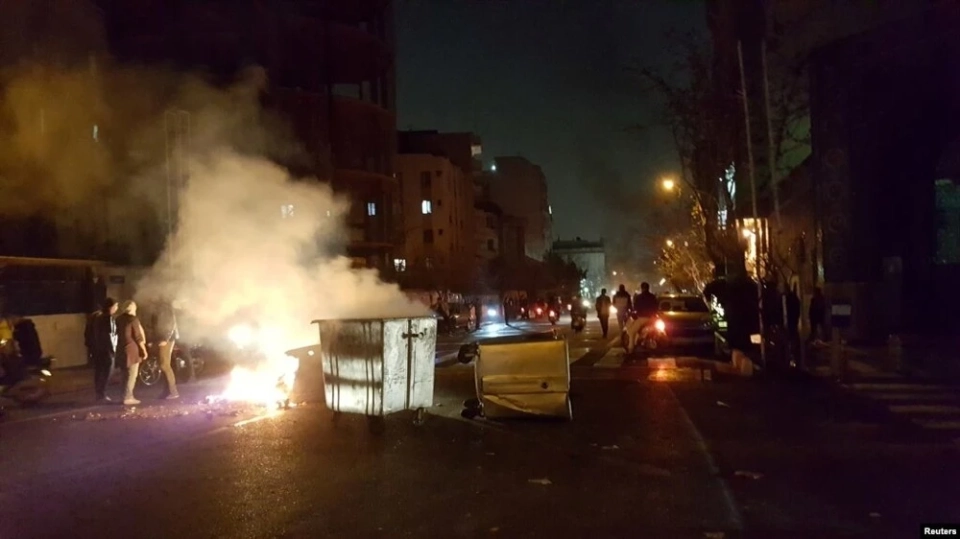
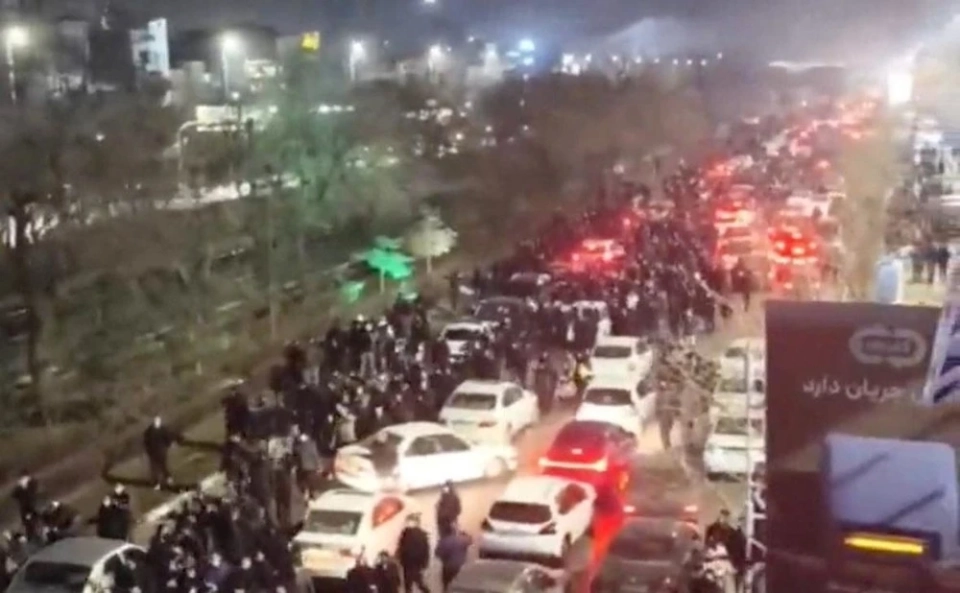
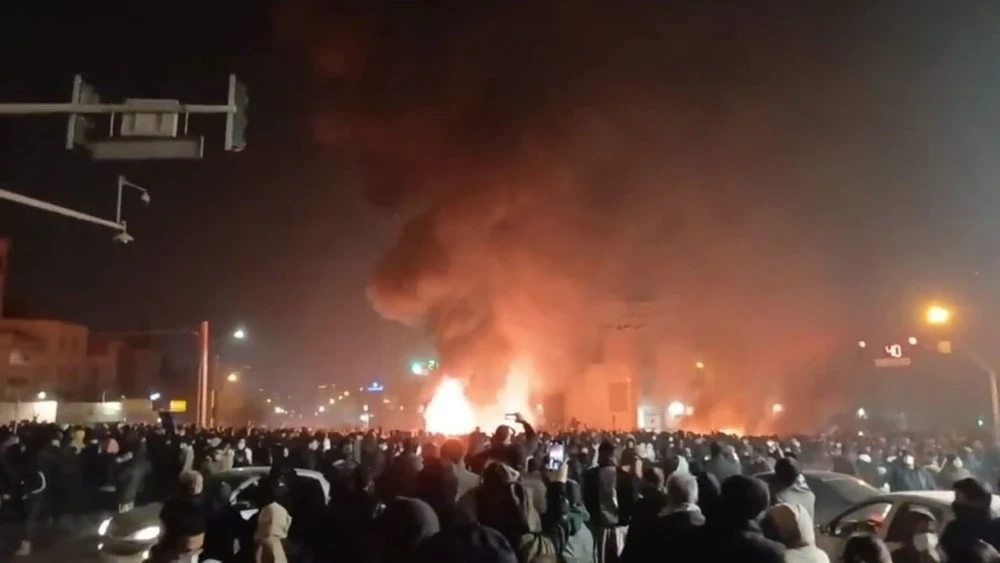
The situation is confirmed by the fact that Ali Larijani, Iran's chief national security official, has become a central figure in the current confrontation with the US and Israel, organizing Iran's military responses. According to officials from Iran, Arab countries, and Europe, Larijani oversees operations against the UAE, Saudi Arabia, and other Gulf states, as well as ensuring that new protests do not arise in the country. In January, he led a brutal crackdown on protests, during which thousands of Iranians were killed, reports WSJ.
Larijani also stated that Trump must "pay" for his actions against Iran.
Although Trump characterized the new leader as "weak," Khamenei, according to Kasra Aarabi from the organization United Against Nuclear Iran, enjoys significant support among the young and radical generation within the IRGC. Khamenei strengthened his influence in 2005 when he facilitated Mahmoud Ahmadinejad's victory, who faced a more reform-minded Ali Rafsanjani. The subsequent elections, in which Ahmadinejad won again, led to mass protests and allegations of fraud, including dissatisfaction over the potential appointment of Khamenei as his father's successor.
The announcement of Mojtaba's appointment, despite threats from Trump and Israel, underscores that Iran will continue its resistance, believes former official Vali Nasr from Johns Hopkins University (according to Financial Times).
Previously, experts believed that the Iranian elite would not appoint the Ayatollah's son to avoid appearing as supporters of dynastic rule. However, the current situation has changed these perceptions, and "the system seeks to demonstrate the continuation of resistance," says Vakil. Given the death of the Supreme Leader and threats to the regime's existence, Mojtaba now represents the "collective interests" of the country.
Larijani also noted that the new leadership should symbolize the unity of the nation.
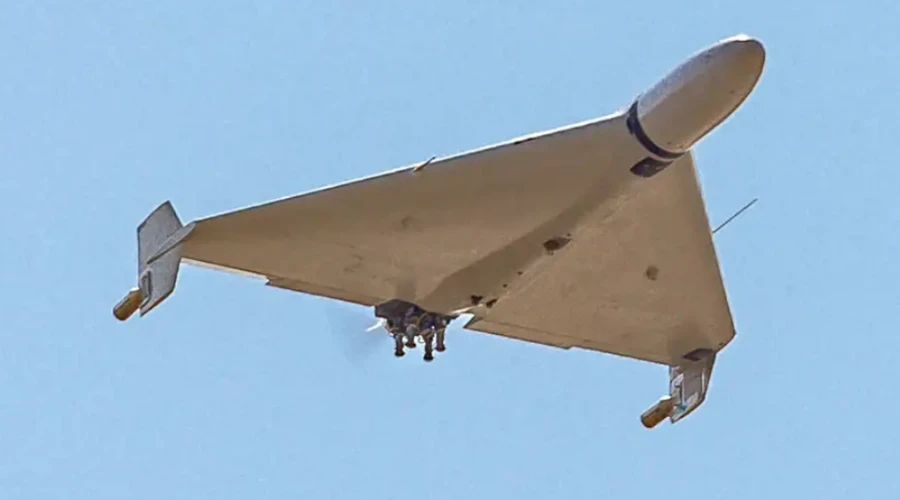
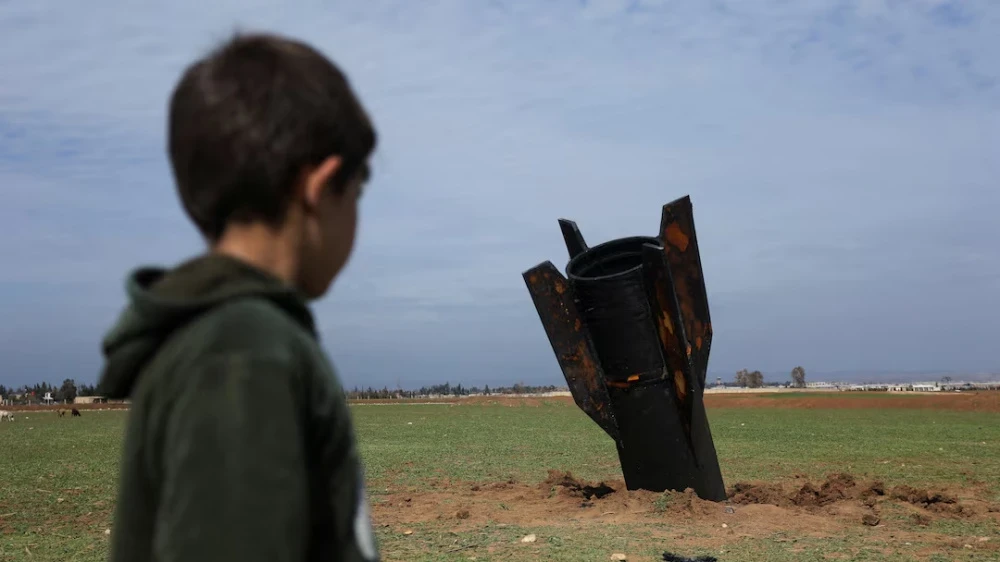
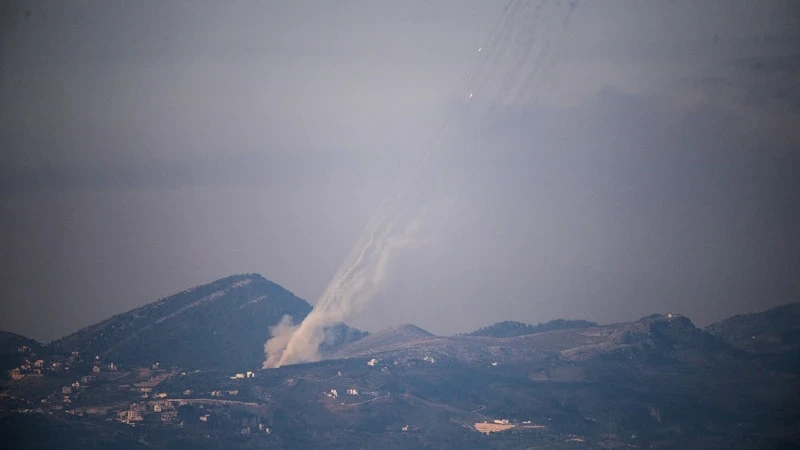
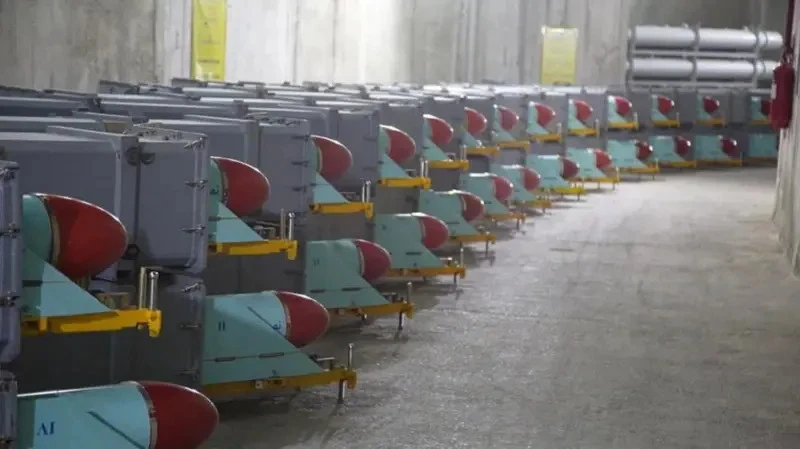
Just hours after Ali Khamenei's death, Iran began launching missiles and drones across the Persian Gulf, indicating that hopes for limiting the war by eliminating the country's leadership have proven futile, as Robert Pape writes in Foreign Affairs.
Iranian actions cannot be viewed as isolated acts of revenge by a weakened regime, Pape asserts. He describes such actions as a "strategy of horizontal escalation," aimed at changing the conditions of the conflict by expanding it, allowing the weaker side to compel the stronger to alter its plans. Pape provides historical examples where such a strategy worked against the US: in Vietnam and Serbia. In both cases, adversaries were able to force the US to change its military plans, leading to serious consequences for the American side.
According to Pape, strikes against leaders create powerful incentives for horizontal escalation: when a regime survives the loss of a leader, it must quickly demonstrate its resilience by expanding the conflict. While the US has inflicted significant damage on Iran, they must consider the potential consequences of Iran's response; otherwise, they may lose control over a war they initiated themselves.
"Khamenei's choice signals continuity and a demonstrative challenge – a commitment to his father's legacy and the core principles of the Islamic Republic, as well as a rejection of attempts by the US and Israel to change the system," asserts Dina Esfandiari, an analyst at Bloomberg Economics. "Khamenei is likely to continue military actions and show resistance."