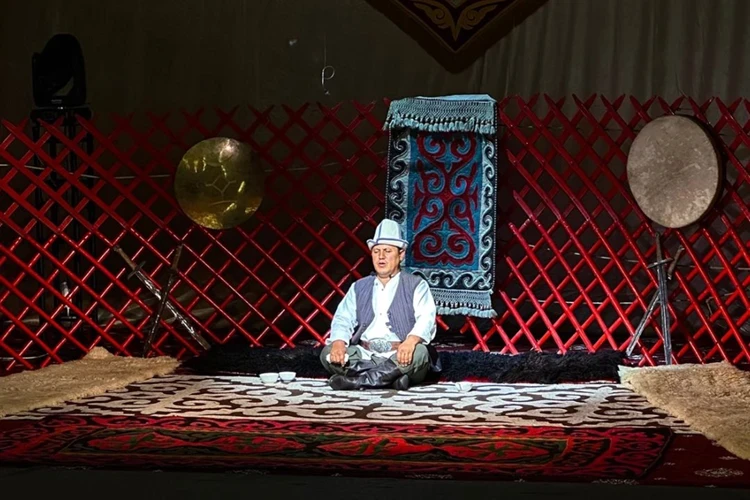
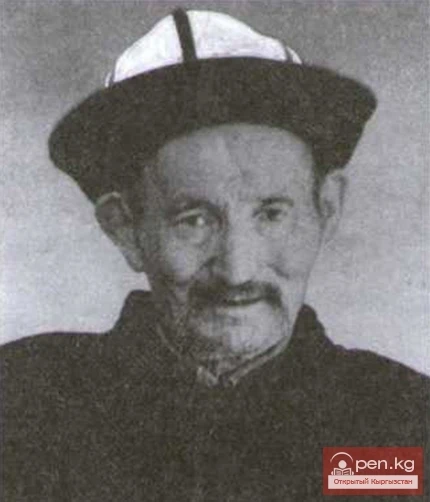
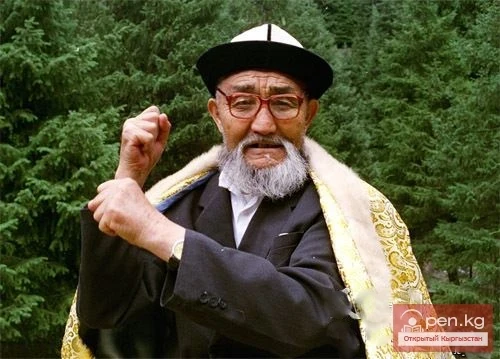
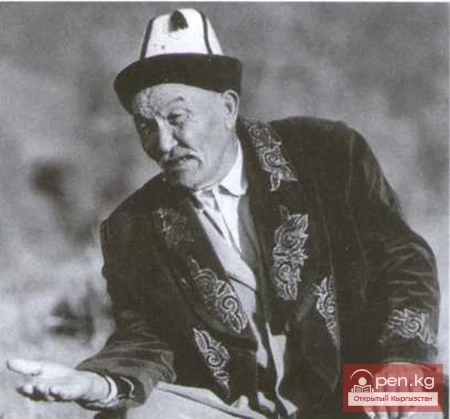
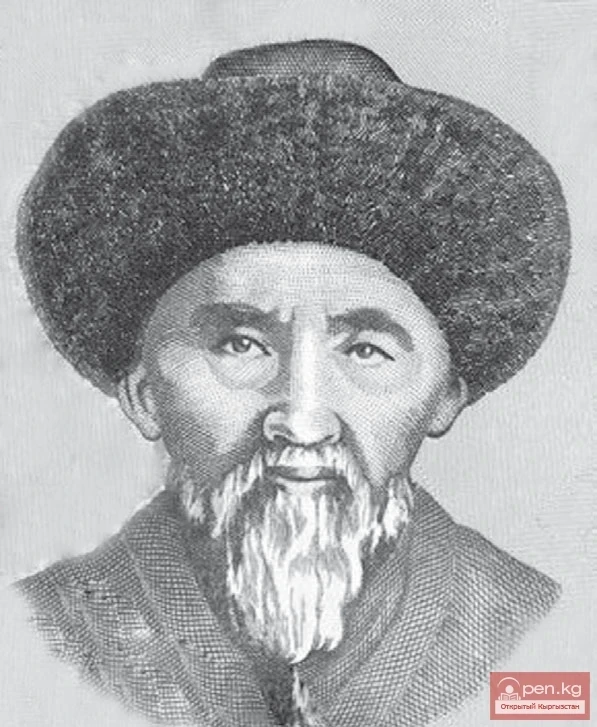
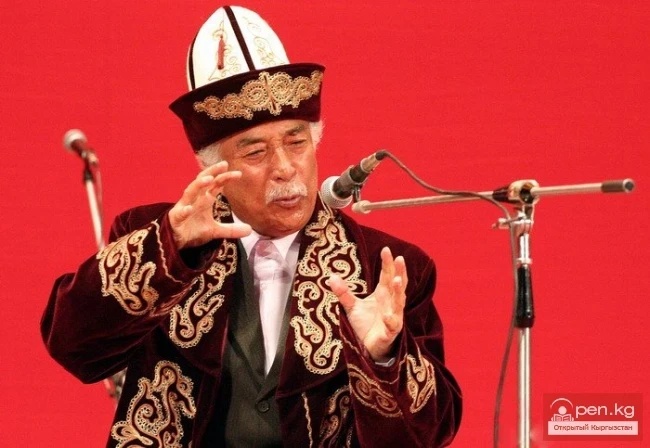
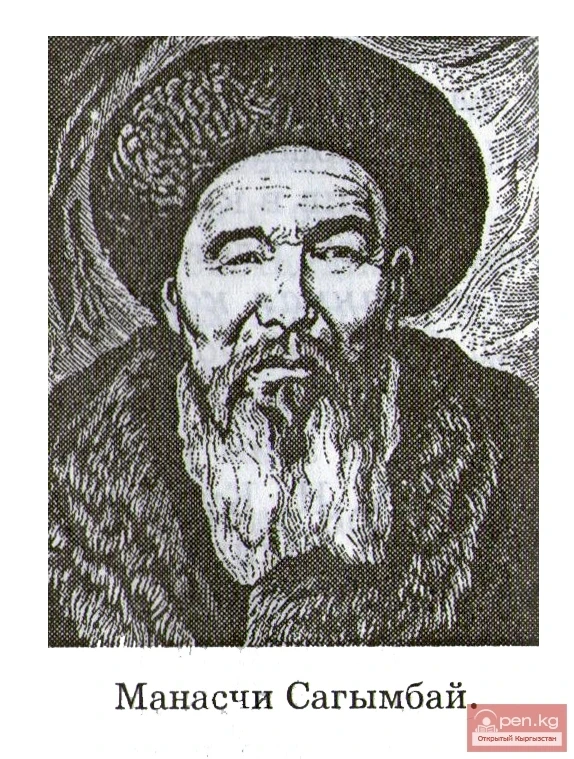
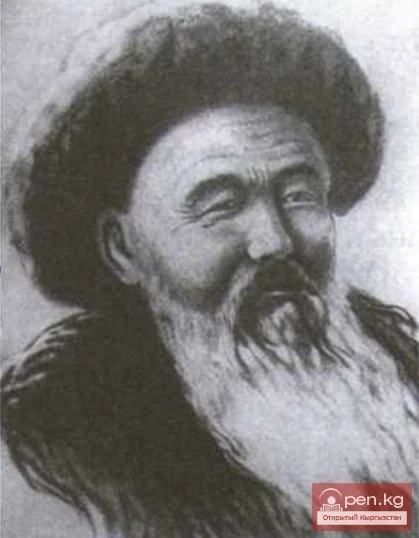
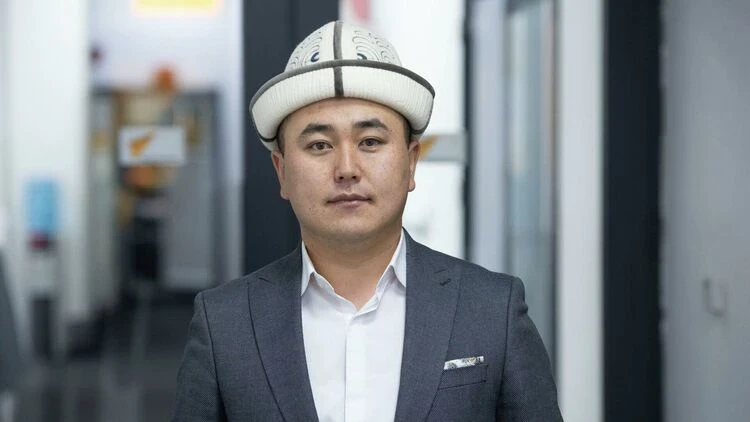
In the book, the list of manaschy is organized chronologically, and the additions in the form of poems to the stories of each of them were prepared by manaschy Rysbay Isakov. Nurbek Talantbekov noted that the art of manaschy goes beyond mere entertainment and represents a profound cultural tradition.
It is interesting to consider how many names of manaschy have remained in history and how many are unknown to contemporaries. At present, the public struggles to determine the exact number of existing manaschy.
According to the author, his goal is to pass on the names of all manaschy to future generations. The list is planned to be expanded in future editions.
As part of the AKIpress column "The History of Manaschy," we will introduce readers to the life and work of each of the 150 manaschy.
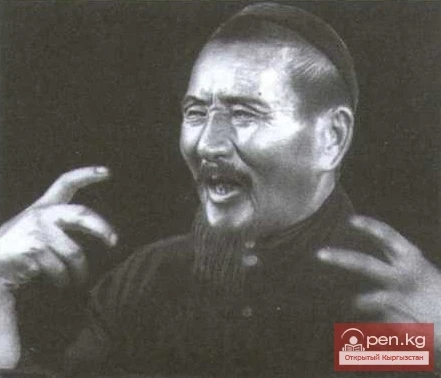
Kumash Uulu Inash (1896–1971)
Inash was born in the village of Aral, where he later passed away. He belonged to the Togunay clan of the Saruu tribe.
As his fellow villagers recount, Inash had an excellent knowledge of the epics "Manas" and "Semetey," but unfortunately, his versions were never recorded. He described his first encounter with the world of "Manas" as follows:
“In my childhood, we had about 10-15 sheep. We grazed them, milked them, and used the milk for food. I helped my older brother Turgunbek, while I took care of the lambs. When I was about thirteen years old, I was grazing the lambs in Kara-Momo and, falling asleep, I had an unusual dream.
In the dream, I heard the loud pounding of horses' hooves and the steps of riders. When I woke up, I saw many riders galloping across the plain. They were being chased by herders, and those they caught were thrown off their horses. One of the riders approached me, and frightened, I could not respond to his greeting. He said, ‘You are a good lad! I have a little chalapa, but I cannot quench my thirst. You better drink it, and I will fetch water for my companions.’ I drank the chalapa and was amazed by its taste.
Then I filled a vessel with water and handed it to the rider. He thanked me and asked to take one of the lambs so they could have dinner. For some reason, I agreed, and he took a large brown lamb. He gave me a treat, explaining that this is what they eat on campaigns. Before disappearing, he said, ‘I Tölök, one of Manas's warriors. Remember us and sing our feats. May we always protect you, and you always sing of us. Oomiyin!’
Waking up, I saw that the lambs had gathered around me. I was so excited that I could not stand still.
When I returned home, my brother Jakyp asked me to sing "Gülgaaky" again. When I opened my mouth, the words of the epic "Manas" flowed out of me spontaneously, and I lost consciousness. My parents brought me to my senses, and I told them about my dream. My father asked which lamb I had given away, and I pointed to the brown one. He sacrificed the lamb, called the neighbors, and held a ceremony where I shared my vision.
Soon, his father Erkebai took him to a manaschy, and for several years, Inash studied the art of storytelling alongside Üsönbai Uulu Alımkul and Sydyk Uulu Ismail. In his recollections, he shared: ‘When I started learning, Alımkul was also studying, and he performed "Manas" much better than I did. When we told the same story, he was more expressive. Later, Sydyk Uulu Ismail joined us, who performed "Semetey." Alımkul stopped telling stories in the 1930s and focused on poetry.’
Additionally, in the 1920s, Inash traveled with Erkebai through Kazakh lands, such as Oluy-Ata, where he participated in various celebrations. Erkebai, a renowned master of words and manaschy, was respected among the Kazakhs but was arrested in 1929 and executed in 1930.
Besides his mastery in the art of storytelling, Inash was also a remarkable storyteller who knew how to make his stories engaging and humorous. Some of his folk tales were recorded.
According to Rysbay Isakov's recollections in the book "Manaschylar," Inash left a significant legacy:
The village of Aral in Talas,
The birthplace of talent.
Every home – a homeland for songs,
Each one – a poet of the people.
The son of Kunash, Inash,
Here lies his roots.
Erkebai was his master,
The light that shone on his people.
In the quest for eloquent words,
From the ordinary Singer-Bulak,
He must have quenched his thirst.
As the tiger Manas is known,
His worth has permeated his people.
Like the disciple Asankhan,
Always leaving behind his words,
Thus, his essence reached us.