This unofficial holiday is celebrated not only in the post-Soviet states but also in Serbia, Montenegro, Greece, Algeria, Tunisia, Switzerland, and several other countries, each of which has its unique traditions.
In the territory of the former USSR, it is customary to carol on January 14, which involves visiting households with songs and distributing wheat or oat grains, symbolizing good wishes. There is also a belief that divinations on this night are the most accurate.
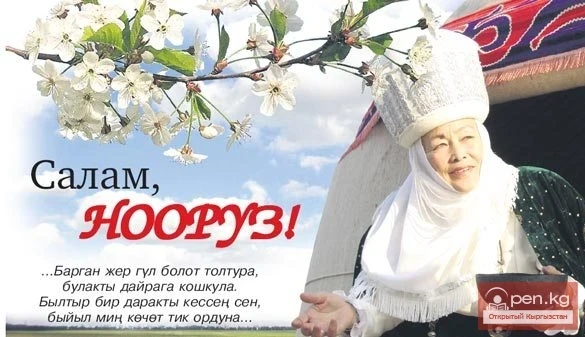
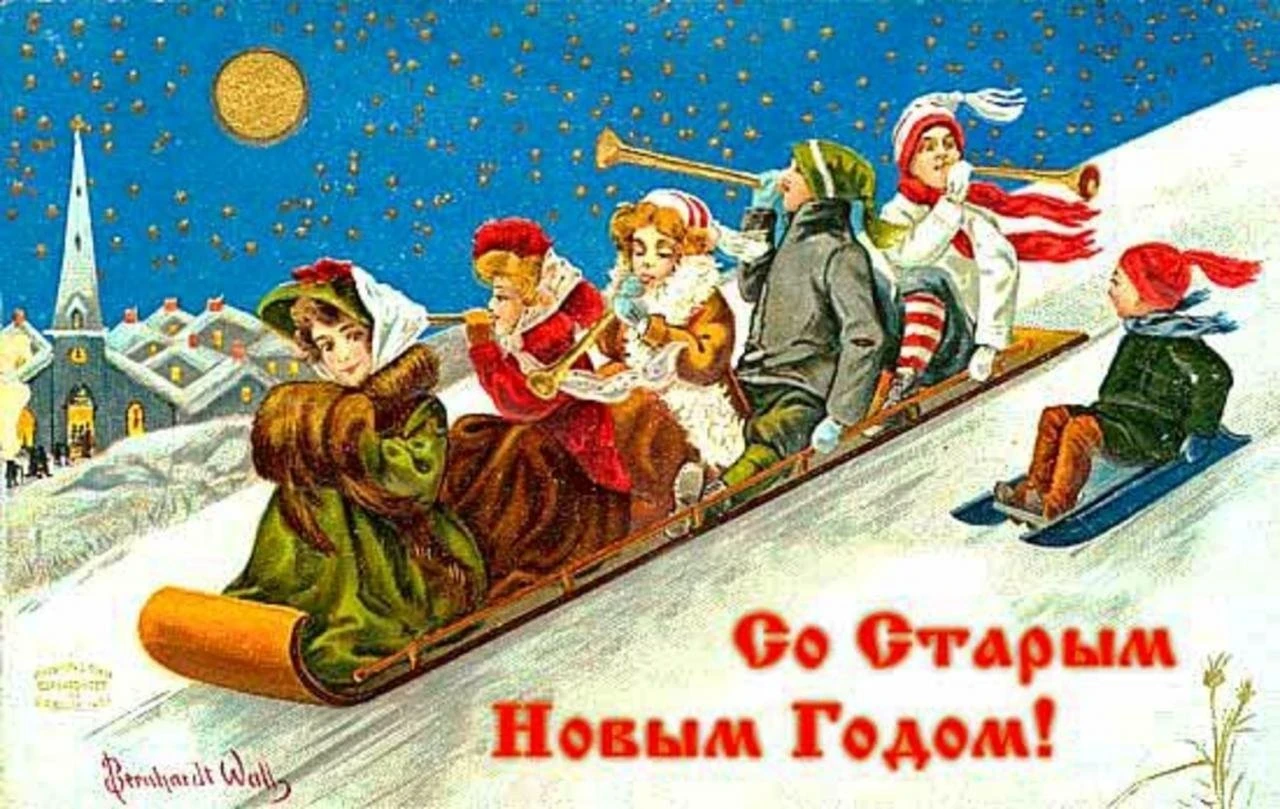
Photo from the internet. Postcard for the Old New Year
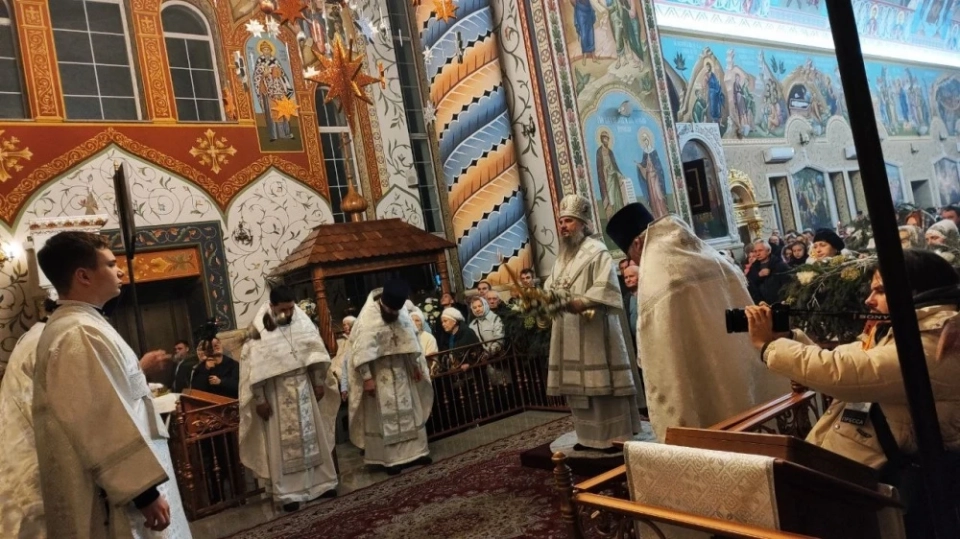
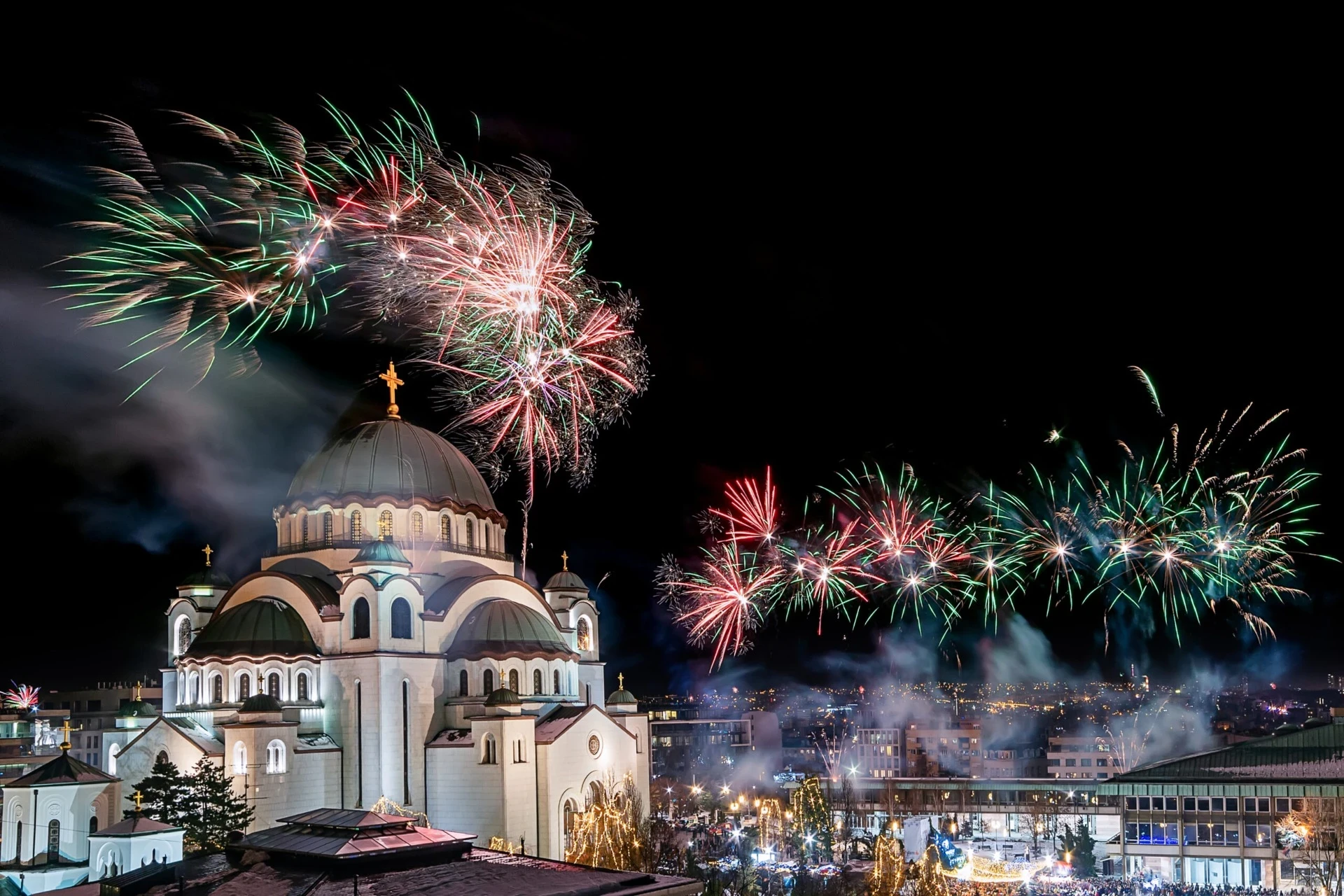
In the countries of the former Yugoslavia, the Old New Year is celebrated with joy and family festivities. In Serbia, it is called the Serbian New Year, and the main celebrations take place at the Temple of Saint Sava in Belgrade, where it is also customary to burn the badnjak — a log left over from Christmas. In the Republic of Srpska, January 14 is declared a public holiday, and in Montenegro, this day is known as "Prava nova godina" or "the correct New Year."
In Abkhazia, January 13, which is also considered the Day of Creation, is a public holiday and is associated with respect for the deity Shashva. On this day, locals sacrifice goats and roosters.
The Greeks celebrate this holiday as Saint Basil's Day, who is the equivalent of Santa Claus. Children place their shoes by the fireplace in hopes of receiving gifts, and arguments on this day are considered a bad omen for the entire year.
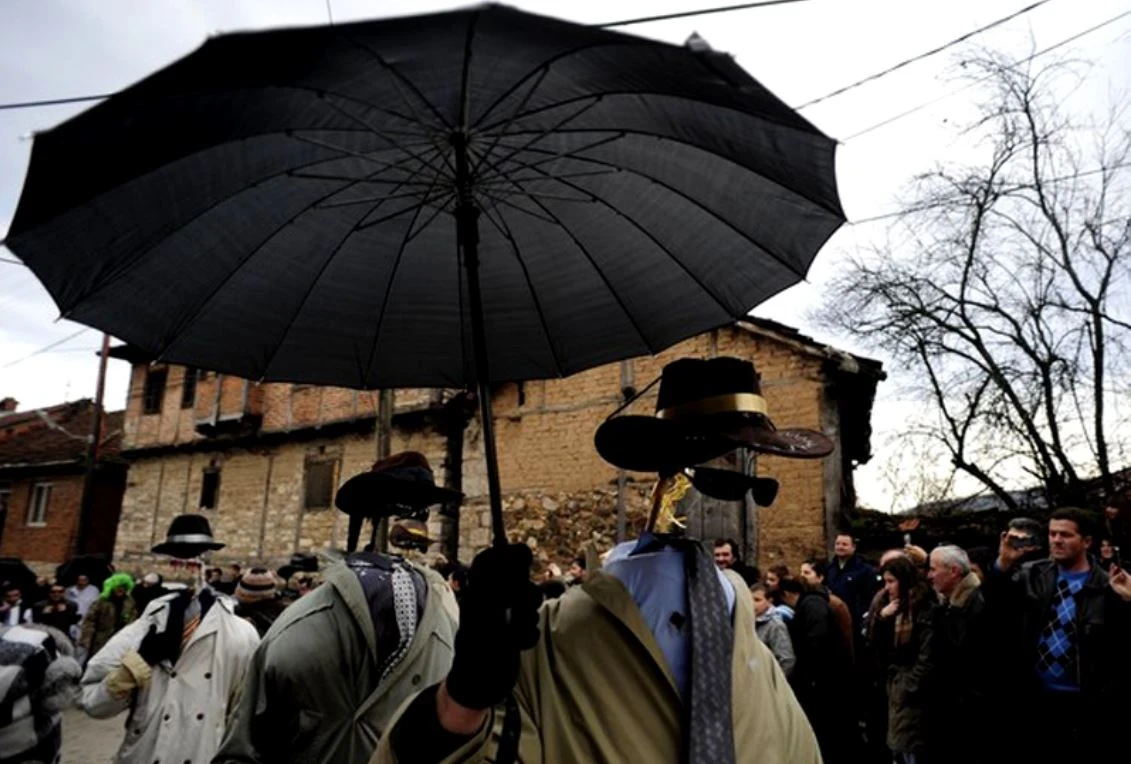
From January 12 to 14, carnivals with dancing around bonfires take place in Macedonia, symbolizing the expulsion of evil spirits.
In Wales, the Hen Galan festival takes place, marking the beginning of the new year according to the Julian calendar, and on this day, children are given gifts.
In some German-speaking regions of Switzerland, the Old New Year is celebrated as Saint Sylvester's Day, in protest against the transition to the Gregorian calendar in the 17th-18th centuries. People dress up in Sylvester Claus costumes and spend time singing yodeling songs.
The indigenous people of North Africa, the Berbers, celebrate the New Year according to the Berber calendar, which is also based on the Julian calendar but with some modifications. In Algeria, the first day of the new year has been declared a paid holiday since 2018, and the celebration is held two days earlier than in other countries. In 2023, the Berber New Year also became an official holiday in Morocco and is celebrated on January 14.
In Japan, the Little New Year, known as Koshogatsu, is celebrated on January 15. On this day, residents visit temples, pray for a good harvest, and replace New Year decorations with bamboo, rice cakes, coins, and amulets.