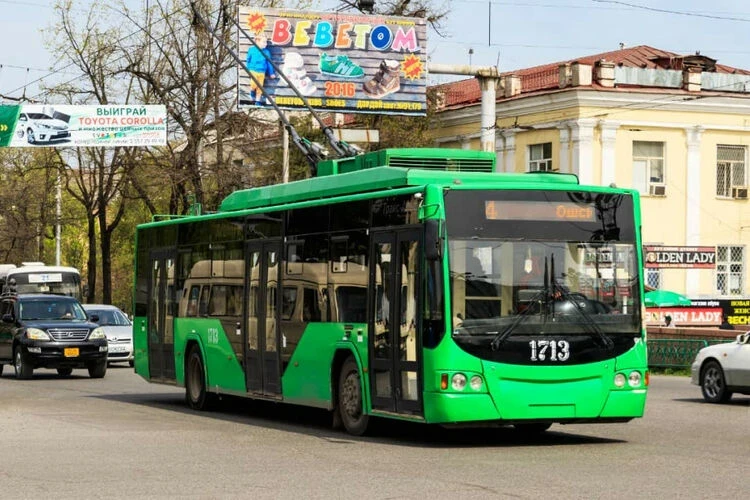
Additionally, the city hall plans to implement a digital payment system for fares. Bishkek will provide the software free of charge, which will allow for the installation of GPS devices on buses. Passengers will be able to track the arrival time of the nearest bus through a mobile application. The system is expected to start functioning in February.
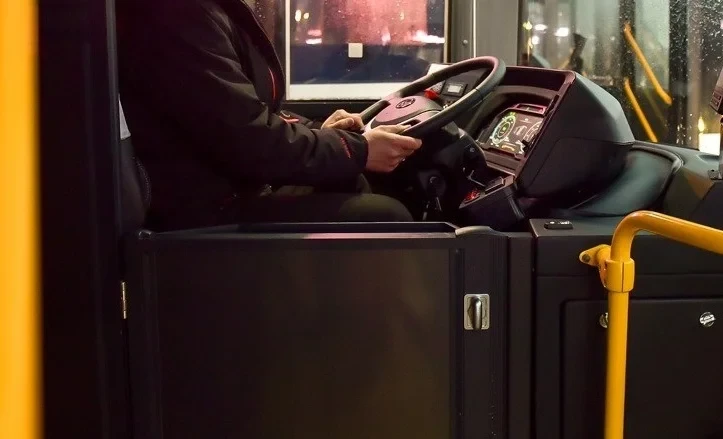
Photo from the internet
In Naryn, there are also plans to introduce a unified transport card called "Tulpar." With this card, adults will pay 17 soms for the fare, schoolchildren will pay 10 soms, while cash payments will amount to 20 soms. The difference between cash and cashless payments is intended to be compensated from the local budget, and calculations have already begun.
The main reason for the tariff revision is cited as the rise in fuel prices and the lack of funds to pay drivers' salaries.
According to the municipal transport service of Naryn, currently, 11 buses are operating, each covering 180–190 kilometers a day and consuming about 70 liters of fuel. With planned expenses of 3,500 soms, actual costs reach 4,700 soms, creating a daily deficit of about 1,200 soms.
Kairat Asanakunov, the head of the transport enterprise, noted that increasing tariffs would help cover expenses and bring all 16 available buses into operation. The system employs 16 drivers, with salaries ranging from 20,000 to 25,000 soms.
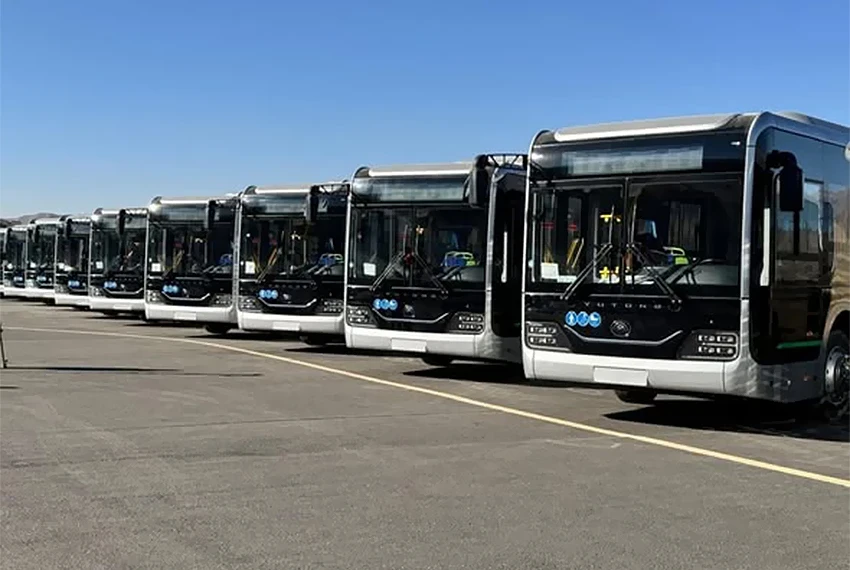
It is also worth noting that last year, Naryn received 5 electric buses, and this year, an additional 11 buses were purchased through the president's stabilization fund.