What is dropperism?
Recently, there have been more frequent news reports about the detention of citizens who seemingly have not committed any crimes. These are the so-called droppers.
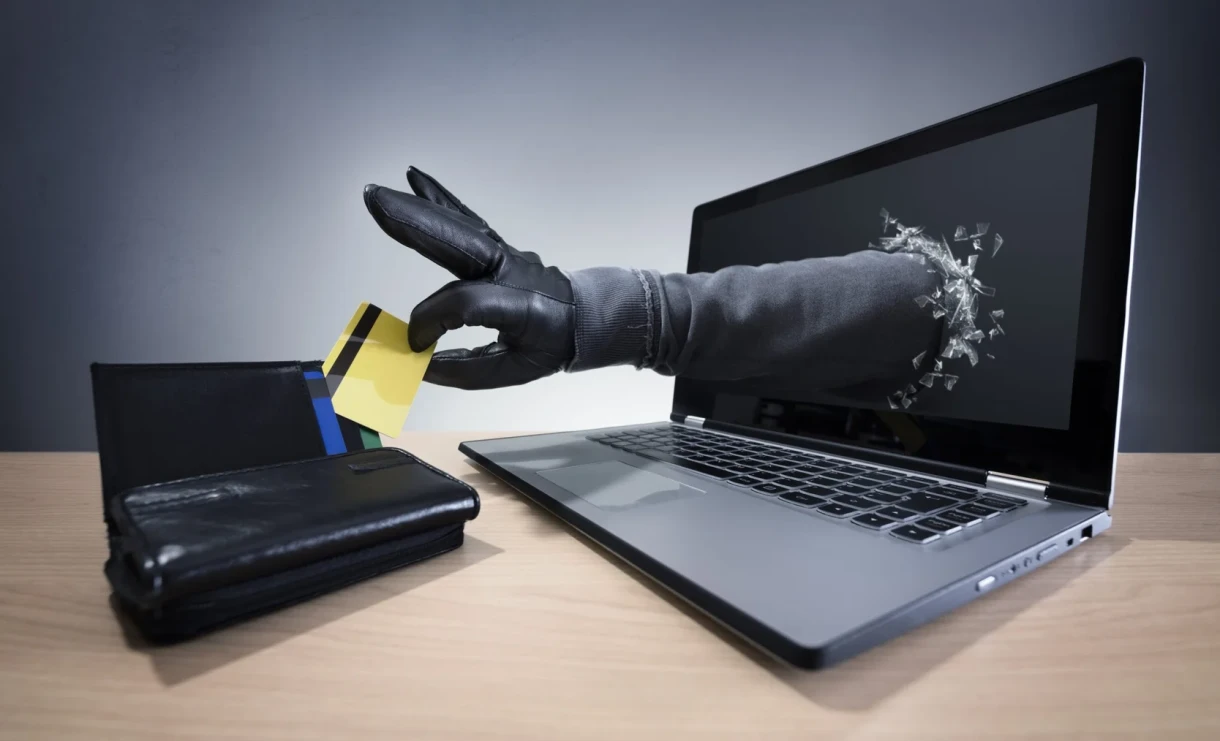
In fact, dropperism is a form of fraud. Droppers are individuals who, for a small reward, provide their bank cards, accounts, or personal data for cashing out and transferring funds stolen from others.
Thus, even if they do not directly participate in fraudulent actions, such individuals become intermediaries in laundering stolen money. They may find themselves accomplices to criminal offenses, even without suspecting the illegality of their actions.
Previously, there were no penalties for dropperism in Kyrgyzstan's legislation. However, in April 2025, lawmakers proposed amendments to the Criminal Code to establish liability for such behavior. In 2024, law enforcement agencies initiated 1,658 criminal cases related to IT technologies, of which only about half were solved.
Ignorance does not exempt from responsibility
Now, the Criminal Code includes a new article stipulating that the transfer or sale of one's bank card, virtual wallet, or SIM card to third parties for committing unlawful acts resulting in minor damage is punishable by a fine of 20,000 to 50,000 soms.
If such an act is accompanied by significant damage or is committed by a group of individuals, the punishment becomes stricter: corrective labor for a period of two months to one year, a fine of 50,000 to 100,000 soms, or imprisonment for up to three years.
Related materials
In Bishkek, more than 40 droppers were detained: damage from schemes — almost 15 million soms
For dropperism committed using official position or causing significant damage, even harsher measures are provided: imprisonment for three to five years or a fine of 100,000 to 200,000 soms, as well as imprisonment for five to ten years with confiscation of property in cases of particularly large damage.
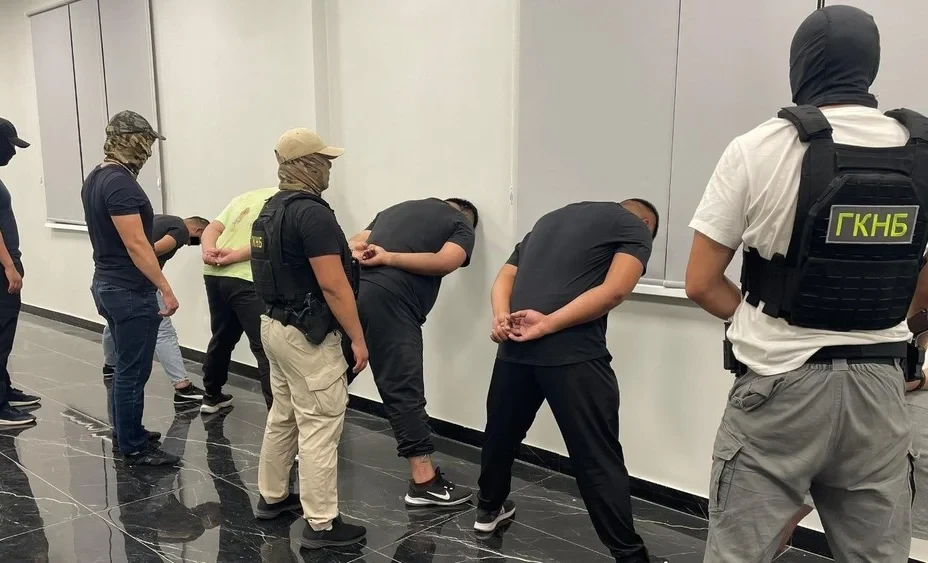
Since the introduction of these norms, law enforcement agencies have increasingly reported detentions of droppers across the country, often involving young people. For example, in October 2025, the police detained more than 40 droppers, with the damage from their actions exceeding 15 million soms. Reports of detentions for transferring their cards are on the rise.
Be cautious of fraudsters
In early February, the Ministry of Internal Affairs issued an official warning about the possibility of criminal liability for dropperism. Some detainees have already been identified, although exact statistics are lacking. The Ministry is actively working to identify all those involved in this crime. The statement included a video where several young people talk about how they sold their bank cards for 2,000-3,000 soms and now must face legal consequences.
This video serves as a reminder: freedom is more important than the 2,000-3,000 soms that can be obtained by selling your card or other personal data.
The National Bank of the Kyrgyz Republic emphasizes that many droppers do not realize their involvement in criminal activity. Fraudsters create a false impression of the legality of their actions.
Droppers are usually recruited through popular messengers like Telegram and WhatsApp, as well as on social networks such as Instagram, TikTok, and Facebook. This often occurs in closed and semi-closed groups offering jobs.
“Fraudsters' advertisements are formulated as neutrally as possible and usually do not contain obvious signs of illegal activity. Most often, terms like ‘assistance in receiving payments’ or ‘working with transfers’ are used, without mentioning the words ‘dropper’ or ‘fraud.’ Fraudsters may even assist in obtaining a bank card or SIM card,” the National Bank notes.
Related materials
How Kyrgyz citizens contribute to the rise of phone fraud
Recruiters use psychological manipulation, convincing victims that this is merely a “way to avoid taxes” or “assistance to foreign businesses.” Students in need of money for tuition or to buy a phone often become victims.
Sometimes droppers are attracted by acquaintances or relatives who do not understand that they are participating in a fraudulent scheme. The use of trusting relationships helps criminals minimize the risk of refusal. In such cases, individuals transferring access to their bank accounts may think they are simply helping, unaware of the possible consequences.
The National Bank constantly reminds the need to enhance financial and legal literacy to avoid fraud and not become lawbreakers.
How to protect yourself from dropperism
- Do not share your card: your bank card is your “financial passport.” Transferring your card or application data (login/password) to third parties is strictly prohibited by the terms of the contract with the bank.
- Beware of “transfer” advertisements: a legitimate business will not use personal cards of strangers for money transit.
- Do not cash out money for strangers: if someone on the street or in a shopping mall offers to “withdraw money from a card, I forgot mine,” it is almost always an attempt to use you as a dropper.
- Check the source: if money arrives on your card from a stranger, do not spend it or transfer it at the request of the “sender.” Contact the bank to report an erroneous payment.
Dropperism is not a way to earn easy money, but a dangerous trap where the organizers remain in the shadows, and the droppers become the first victims of law enforcement.