Experts emphasize that sharing geolocation poses a serious risk, especially for young people who often lack the necessary digital security skills. This openness can lead to various troubles.
- What risks are associated with a teenager sharing their location?
- The main threat lies in the very possibility of sharing geolocation, as location information is considered confidential data. Here are the main threats:
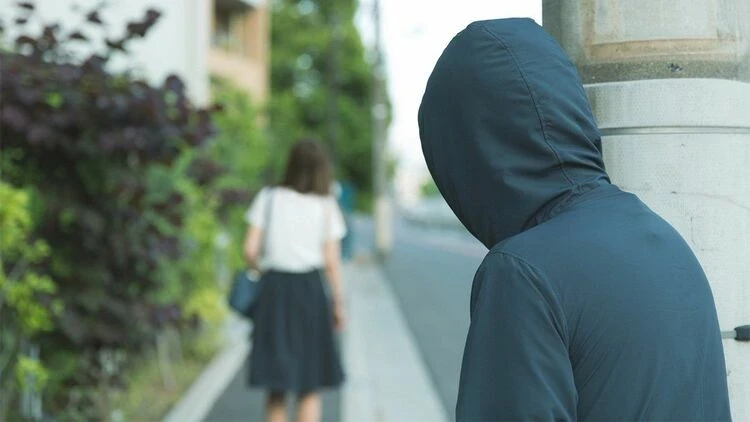
- Stalking and harassment. Even acquaintances can use location data to monitor: tracking where the teenager is and who they are spending time with.
- Social engineering Scammers can use geolocation information for manipulation and intimidation, threatening the safety of the family. Such schemes are becoming increasingly common.
- Physical threat. If an attacker learns about the teenager's habits, it could lead to threats of assault or blackmail. Such data can even be shared by acquaintances who have access to their geolocation.
- Bullying and pressure. In a teenage environment, location information can be used for intimidation: "We know where you are." Offenders may use route data to intimidate the victim.
- Formation of a digital profile. Constant location points create an almost complete picture of the teenager's life: where they study, hang out, and when they are alone. This opens up opportunities for stalking and other crimes.
- Yes, there is a difference. Sharing geolocation one-on-one with a close friend is considered relatively safe, but only if the friend does not have a hacked account or a lost phone.
Posting geolocation on social media is the most dangerous option, as the information becomes accessible to a wide audience.Three levels of risk can be identified:
- Sharing with a close friend - low to medium risk (but the risk still exists). If trust is high and access is temporary, this is a safer method. However, even in this format, sharing geolocation is not recommended.
- Group chat - medium to high risk. There may be unfamiliar people in the group, and it is impossible to control who can take a screenshot or forward the information.
- Posting on social media - maximum risk. In this case, access is granted not only to friends but also to strangers, scammers, and offenders.
Publicly sharing geolocation is the most dangerous scenario.How reliable are geolocation features in popular messengers and social networks?
- Built-in geolocation features cannot be considered safe, as they are susceptible to vulnerabilities, leaks, and human factors. Some platforms may collect location data even without the geolocation feature being activated.
Can geolocation be used by third parties without the teenager's knowledge?
- Yes, location data can be used without the owner's knowledge through hacking, device theft, or data leaks.
What digital habits increase risks?
- Especially dangerous habits include open profiles, weak privacy settings, lack of two-factor authentication, and constant geolocation sharing. Many teenagers do not check who sees their stories or location, which can lead to unwanted consequences. It is recommended to post photos only after changing locations.
Using the same passwords across different platforms is a risk, as hacking one account can grant access to all others.Trusting "internet friends" does not provide real security. Often, online friendships develop quickly, and teenagers easily disclose personal information.
Long-term sharing of geolocation is the most dangerous option, especially if shared constantly.Although sharing geolocation can be dangerous, follow these rules:
- share only with close ones;
- for a short period;
- do not post on open social media;
- check privacy settings;
- use account protection (2FA).
Geodata is a critically important identifier that can be used in both digital and physical attacks.