According to the document proposed by the government, the insurance pool will be transformed into a legal entity and will be formed from a portion of the insurance premiums.
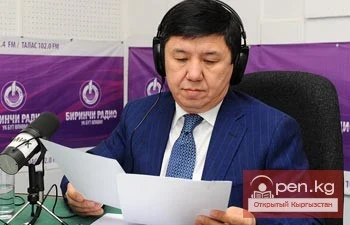
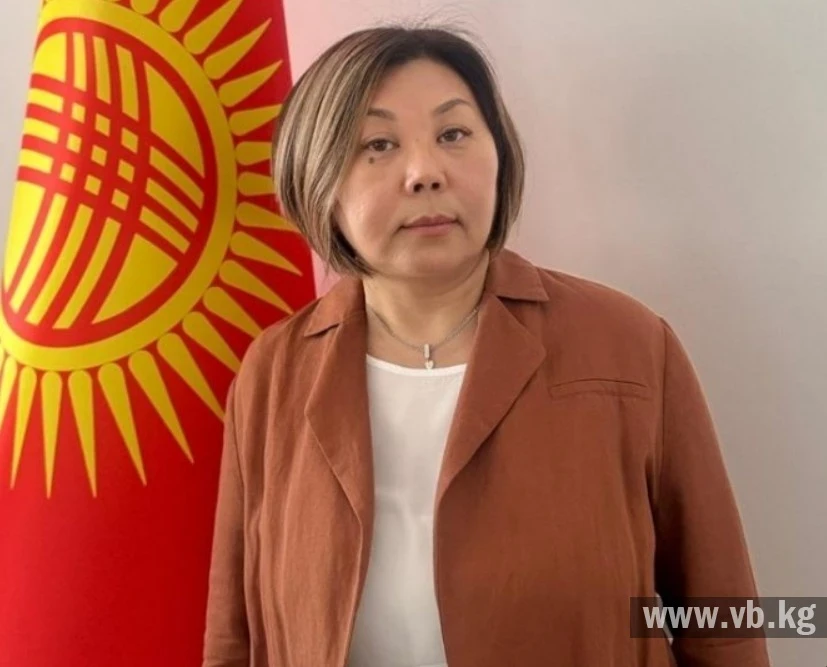
The Chairman of the State Service for Regulation and Supervision of the Financial Market, Marat Pirnazarov, emphasized that this innovation will help ensure compensation payments in the event of major natural disasters. He noted that the creation of the insurance pool was initially planned, but this provision had not been effective previously.
In addition, the bill lowers the thresholds for a number of natural disasters for which citizens will be able to claim insurance payouts:
- Earthquake: the threshold is reduced from 6 to 5 points;
- Strong wind: the threshold is reduced from 25 meters per second to 20 meters per second;
- Heavy snowfall: the threshold is reduced from 200 to 150 millimeters;
- Hail: the requirement for a minimum size (previously 20 millimeters) has been removed;
- Landslides and rockfalls have been combined into the category of "mass ground movements".
According to Marat Pirnazarov, currently, rural residents pay 600 soms per year for housing insurance, while urban residents pay 1,200 soms. However, in the event of a natural disaster, they can receive only up to 500,000 soms for rural residents and up to 1 million soms for urban residents.
"There is an individual rate, which is 0.3 percent of the value of the housing. For example, if a house is valued at 50 million soms, the annual contribution will be 150,000 soms, and in the event of a disaster, one can receive the full value of the house. The basic rates are currently 0.12 percent. According to experts' calculations, this figure should be at least 0.26 percent. However, we do not plan to raise it, as for some citizens even 600 soms is a significant burden. We are keeping social rates, but they will not be able to cover the damage from major disasters like the earthquake in Turkey," the official noted.
Marat Pirnazarov added that this is precisely why the insurance pool is being created, which will be able to assist citizens in the event of large-scale natural disasters.
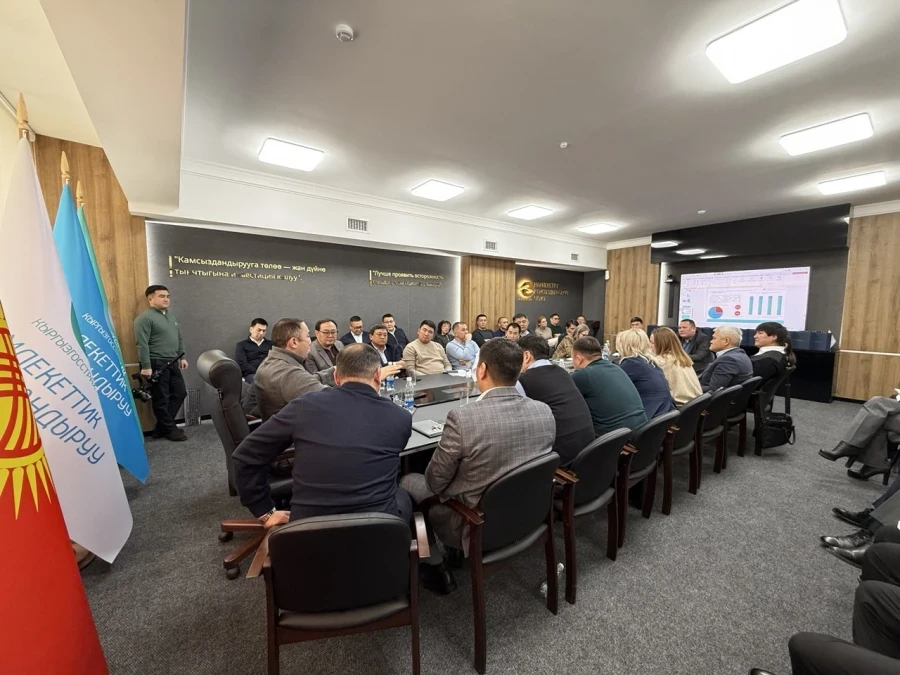
As a result of the discussion, the deputies approved the bill in the first reading.