In the lead-up to International Women's Day, the UN reports that the justice system is failing to protect the rights of women and girls. According to the organization's data, the legal framework in most countries still does not ensure proper equality.
Women globally have only 64% of the legal rights available to men.
The new report from the UN Secretary-General emphasizes that in more than half of the countries in the world, rape is not defined based on the principle of consent, which means that the act of violence may not be recognized as a crime.
Forced marriages of girls are permitted in nearly 75% of countries, and in 44% there are no requirements for equal pay for equal work, leading to wage inequality.
The report also records an increase in violations of the rights of women and girls in courts, online, and in conflict zones. Legislative changes are often aimed at restricting their freedoms and creating conditions for impunity.
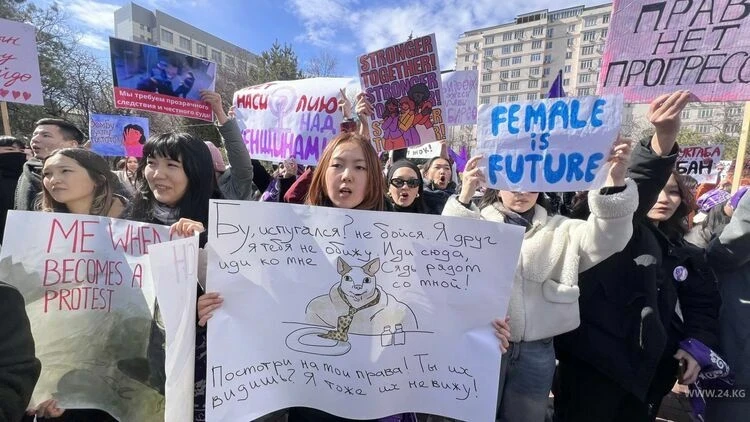
See also Deputy called for not to interfere with the peaceful march on March 8
Given the rapid development of technology, women and girls are increasingly facing digital violence, which occurs in an atmosphere of impunity. During conflicts, rape is used as a weapon of war, and in the last two years, reported cases of sexual violence have increased by 87%.
However, the report also emphasizes that change is possible: 87% of countries have adopted laws aimed at combating domestic violence, and more than 40 countries have strengthened constitutional guarantees for the protection of women's rights over the past decade.
Nevertheless, laws alone are not enough, the UN notes. Discrimination, stigmatization, societal pressure, and fear hinder victims from seeking justice, allowing even the most serious forms of violence, including femicide, to go unpunished.
On International Women's Day, the "UN Women" structure calls for an end to impunity and for the establishment of the rule of law and equality not only in the legal sphere but also in everyday life.
The seventieth session of the Commission on the Status of Women, scheduled from March 9 to 19, will be an important platform for discussing the issue of discrimination against women and seeking pathways to justice.