In these areas, one can encounter reflections of various cultures and eras. Once, Byzantine emperors lived here, and later representatives of many religious communities. Today, Yedikule and Samatya maintain their unique atmosphere: narrow streets, old houses, small shops, and traditional cafes where locals continue to gather, enjoying a cup of Turkish coffee and leisurely conversations. Additionally, these districts are famous for their meyhanes, traditional Turkish taverns with a rich gastronomic history.
The Yedikule Fortress, known as the "Seven Towers," is one of the main attractions of this area. Built in the 5th century during the Eastern Roman Empire to protect the city, it was significantly expanded during the Ottoman period. The Golden Gate plays an important role in the complex, through which emperors ceremoniously returned from military campaigns.
Today, tourists can explore the fortress towers, its underground chambers, armory, and treasury, as well as enjoy panoramic views of the Sea of Marmara and the historical districts of the city.
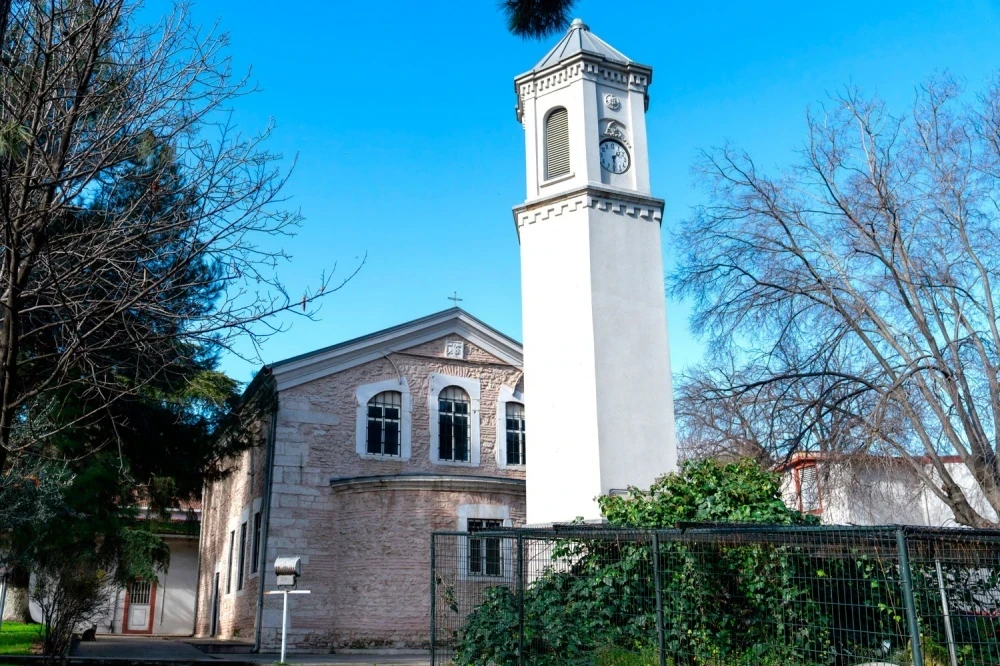
Moving further to Samatya, one can see a variety of architectural monuments, including the Church of Saints Constantine and Helena, belonging to the Rum Orthodox community. Nearby are the ruins of the Studios Monastery, which later became the Imrahor Mosque, highlighting the multilayered Byzantine-Ottoman heritage of Istanbul.
Samatya welcomes its guests with a historic square, familiar to many from popular Turkish TV series. There is a warm and hospitable atmosphere of old Istanbul. The streets are filled with bookstores, cafes, restaurants, and pastry shops, nestled alongside old wooden houses, many of which have been restored and transformed into cozy establishments.
This area also houses important religious monuments, such as the Armenian Church of Surp Kevork, one of the oldest Armenian churches in Istanbul, and the Church of Saint Memas. These structures vividly demonstrate the multicultural history of the region.
Once, Samatya was a small fishing settlement. Today, it is renowned for its gastronomy. Local meyhanes offer fresh fish, traditional rakı, and a variety of mezes, among which the topik stands out—a chickpea paste with caramelized onions, as well as fish börek.
It is also important to visit the Greek Balıklı Hospital, where the Church of Ayia Charalambos is located in the garden, built in the 18th century for patients and staff. This church is dedicated to Saint Charalambos, revered as a protector against epidemics. It symbolizes the spiritual protection of the hospital, founded during the plague, and is still considered a place of hope and comfort for the faithful.