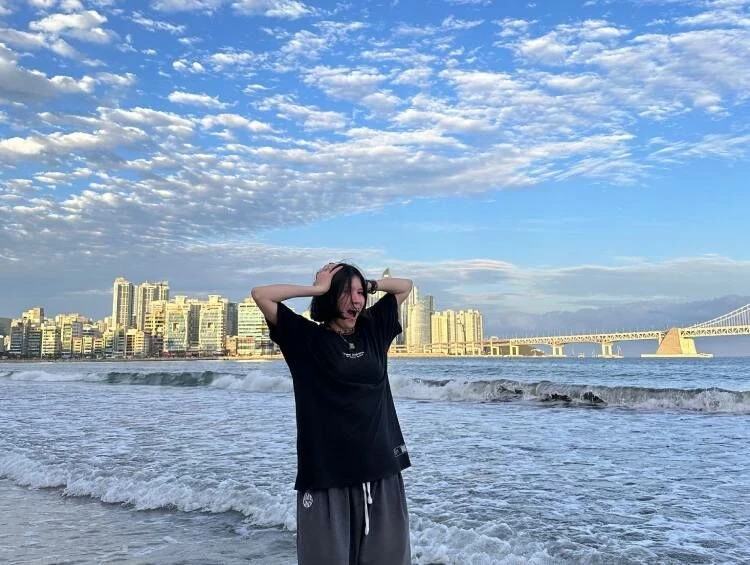
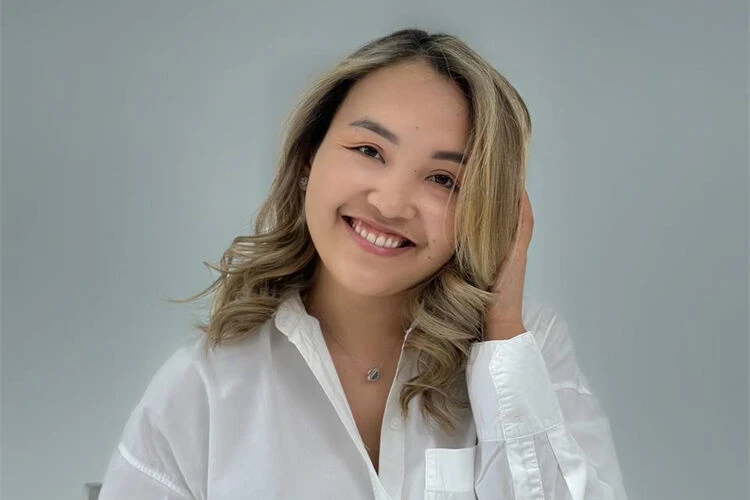
In an interview with a Turmush correspondent, Gulchachar revealed that she was born in 1999 in the village of Koachu. "When my parents got married, their first child did not survive during pregnancy. After a long wait, I was born. At that time, my father's sisters, who came from Kazakhstan, traditionally scattered ash from the hearth around the house and wished for me to become a daughter who 'scatters flowers' in the home. That's how I got the name Gulchachar. During my school years, I didn't always like my name, and I thought about changing it. But after finishing 11th grade, I realized that it is unique, and I decided to keep it. In our family, after me, a younger brother and three sisters were born, so there are four of us in total," she noted.
Currently, Gulchachar is married and raising two daughters. She recounted how she met her husband: "After school, following the times, I got a profession. My future husband Ulukbek and I grew up in the same village. In 2017, we started dating, and in 2019, we got married. My father-in-law has been engaged in beekeeping for 50 years. Since my husband is the youngest son, this business was passed down to us. My father-in-law became our mentor. Every year, my husband and I, along with his three brothers, manage about 500 hives, moving through fields and meadows to produce honey. In 2024, we collected about 7 tons of honey, which we sell for 500 soms per kilogram.
In spring, during the apricot blossom, we transport the hives to the orchards, then to the fields with alfalfa. Later, we head to the mountains — to Jeti-Oguz and the pasture of Karkyra. Last year, we produced five types of honey: spring, alfalfa, mountain, with sea buckthorn and black currant, as well as their mixtures. Tourists passing through Karkyra eagerly bought our honey. In the future, we plan to continue beekeeping and export organic honey abroad," she concluded.
Objects
Satellite
⛶