It is expected that in August 2026, a modern wastewater treatment plant will be put into operation in Karakol, as reported by the local administration's press service.
According to the information provided, at the first stage of operation, the capacity of the facility will be 12,000 cubic meters per day, which will serve about 75,000 residents of the city. After the completion of the second stage in 2027, it is planned to double this capacity to 24,000 cubic meters, ensuring wastewater treatment for 150,000 people with full connection to the sewage system.
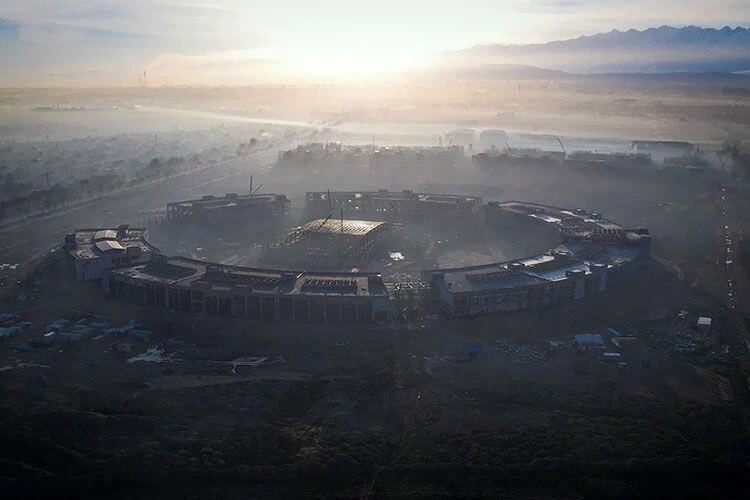
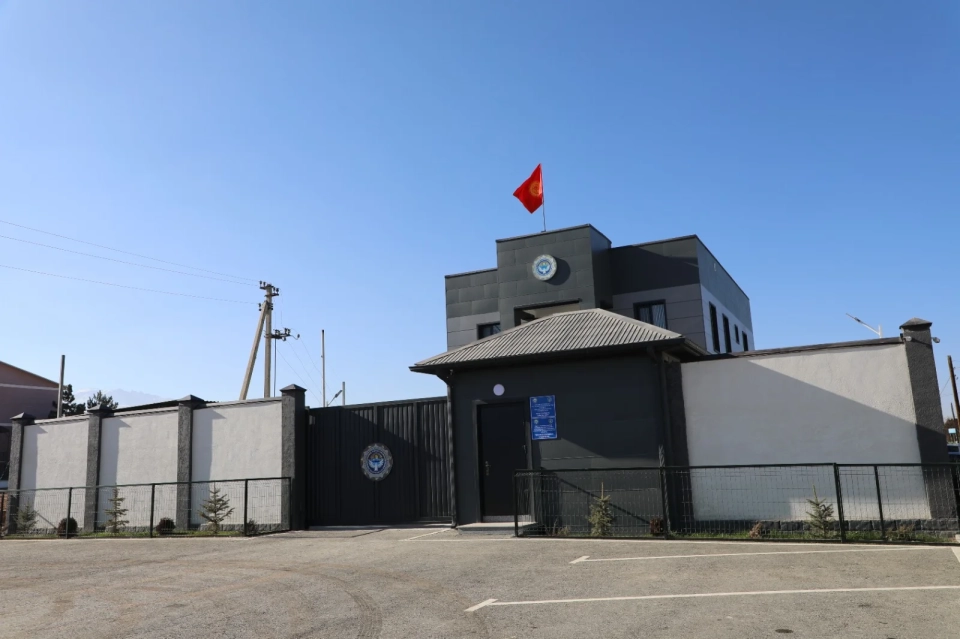
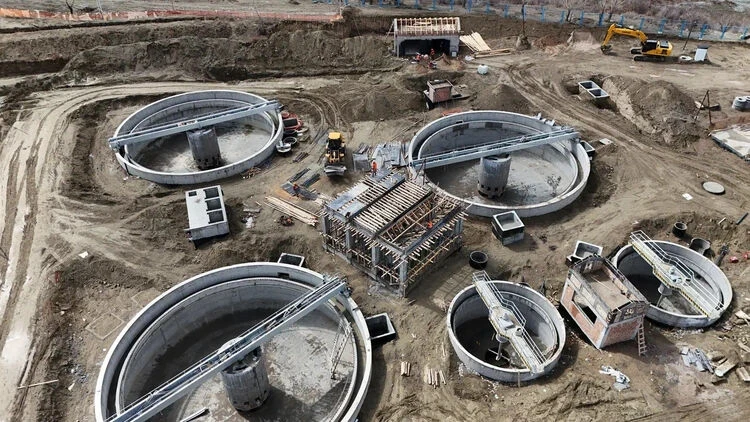
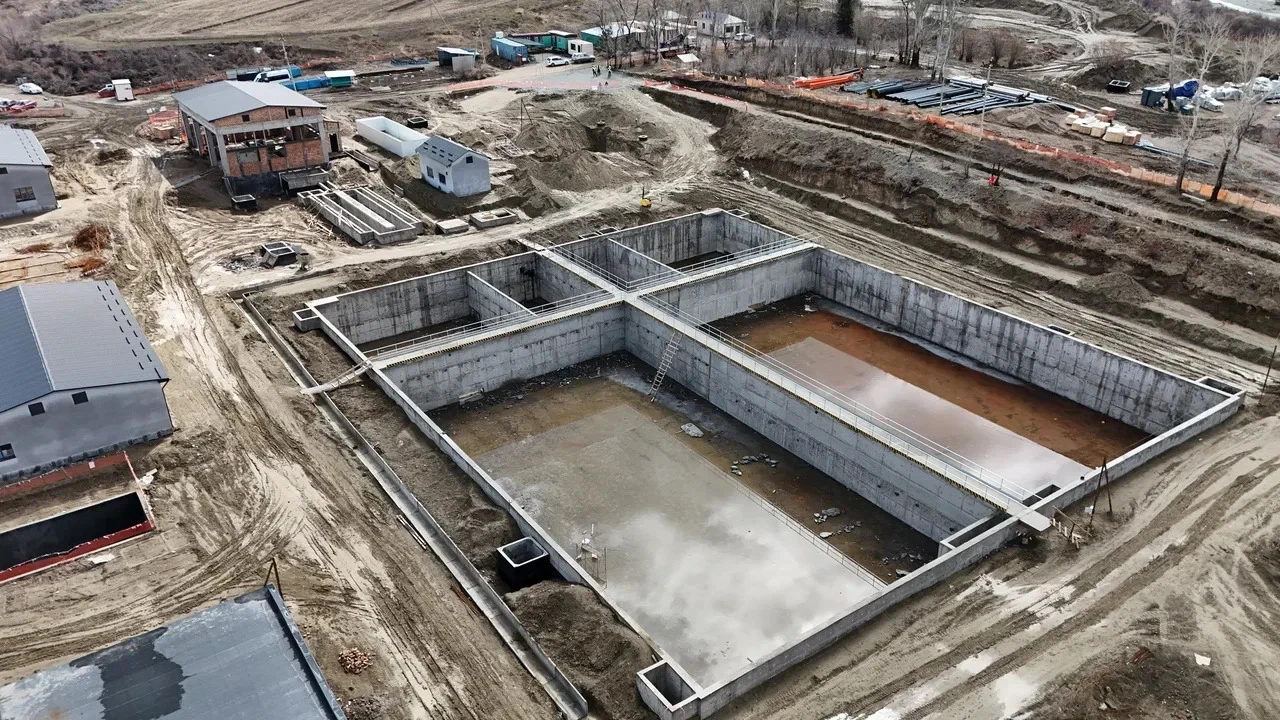
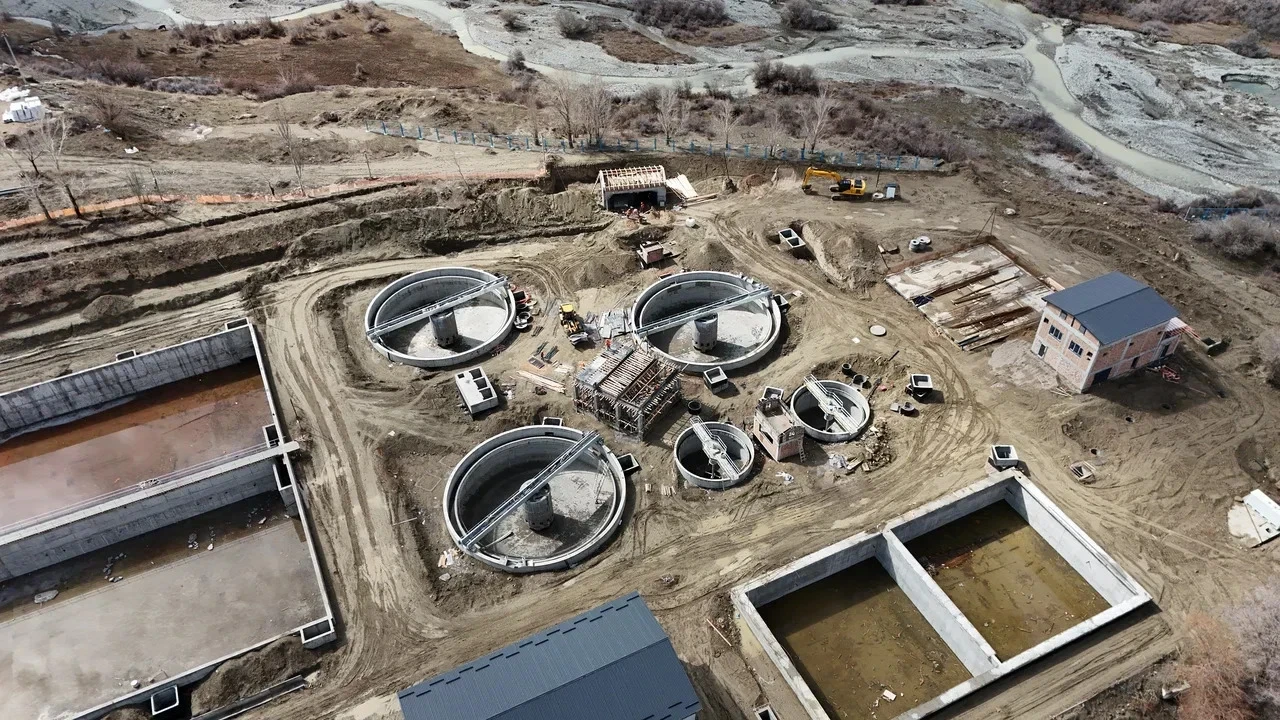
Currently, construction work is in the final stages: the main structures, such as aeration tanks and sedimentation tanks, as well as an administrative building with a laboratory, have already been erected. Commissioning tests are scheduled for May 2026.
Currently, only 35–40% of Karakol's facilities are connected to the centralized sewage system. After the new plant is launched, municipal authorities intend to achieve 100% connectivity. At the same time, 12.7 kilometers of sewage networks have been expanded in the city.
It is worth noting that the construction project is being implemented with the support of the Asian Development Bank. The main goal of the initiative is to improve sanitary conditions in the city and reduce the negative impact on the environment.