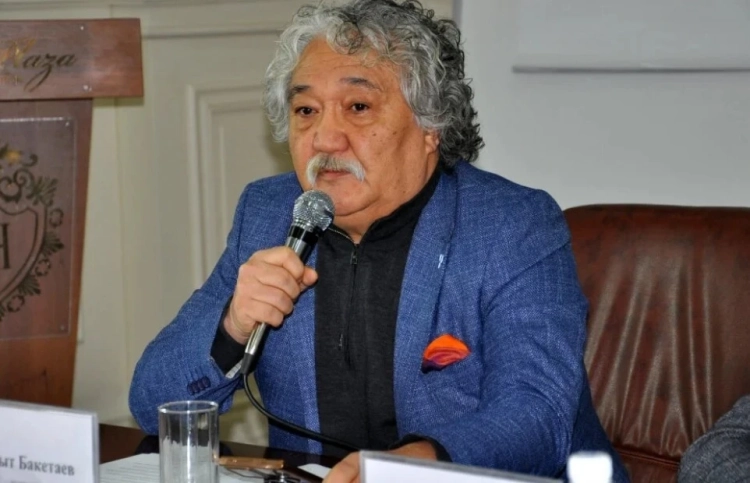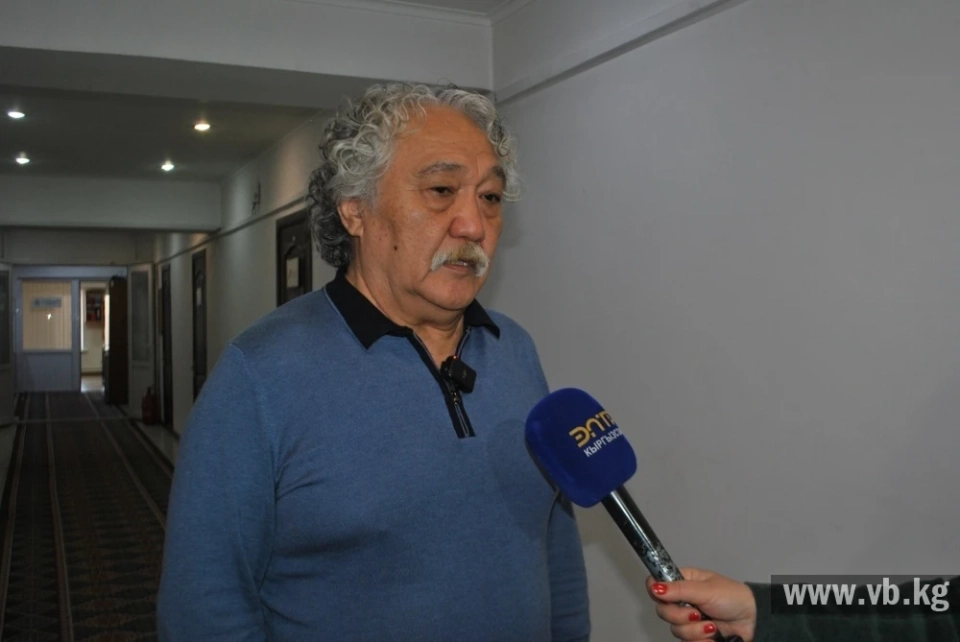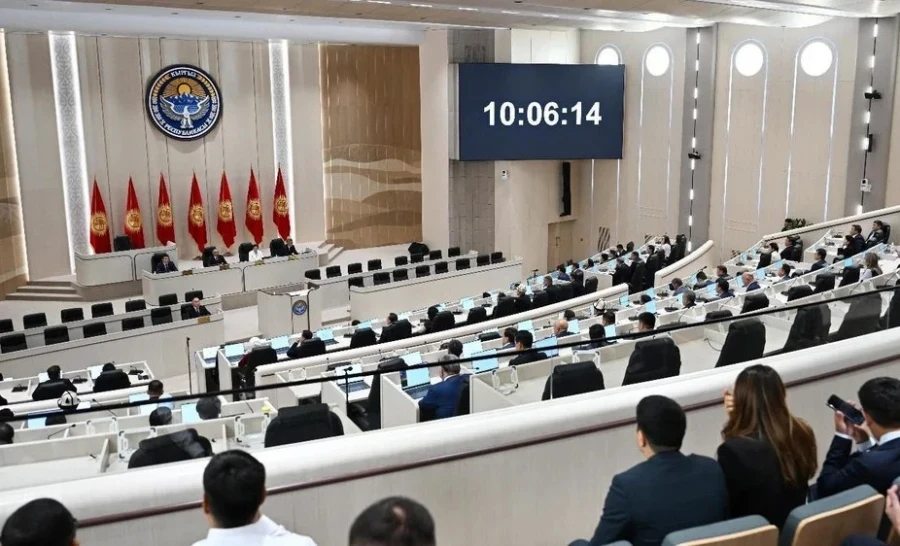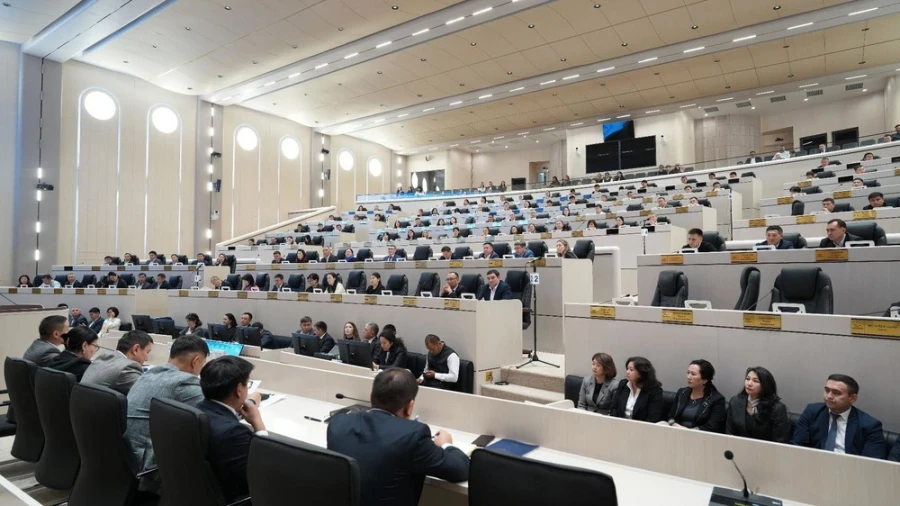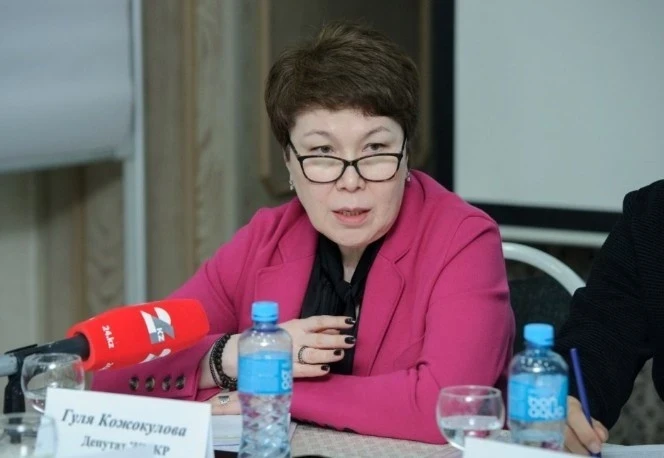
This is a bold comparison, of course, but if the poet were among us, his lines could describe the current electoral campaign. Political scientist Bakyt Baketaev, sharing his opinion with the editorial team of VB.KG, noted that even without poetic talents, the events taking place are impressive. The new composition of the parliament will include 30 women’s seats, which can be compared to the British tradition of hereditary peers, but here it is more about the representation of maternal wisdom.
In many developed countries, women have long held key positions in government and even lead ministries of defense. Practice shows that where women participate in governance, there is less chaos and more order, and the decisions made often turn out to be wiser.
Arkady Raikin once said: "Women are created to bring us joy, and just try to refuse such a gift."
Thus, the significant presence of women in the Jogorku Kenesh is not just a fulfillment of legal requirements, but a real opportunity. It is a chance to make the parliament more attentive to the needs of society — to children, the elderly, and those who often remain unnoticed in the corridors of power. Women can bring into politics what many offices lack: patience, gentleness, the ability to make decisions with the heart, while still maintaining cold calculation.
I would like to wish the newly elected female deputies to have both a cool mind and a warm heart, as well as confidence that kindness is also a strength in politics.
Male deputies should remember one friendly piece of advice: listen to your colleagues. The female voice in parliament is not just about quotas; it is a matter of humanism, moral guidelines, and that maternal tenderness which often proves to be more powerful than any political technology.
As Mikhail Zhvanetsky noted: "Smart men respect women. The others are just training." Let us build a country where wisdom and kindness are not in short supply.