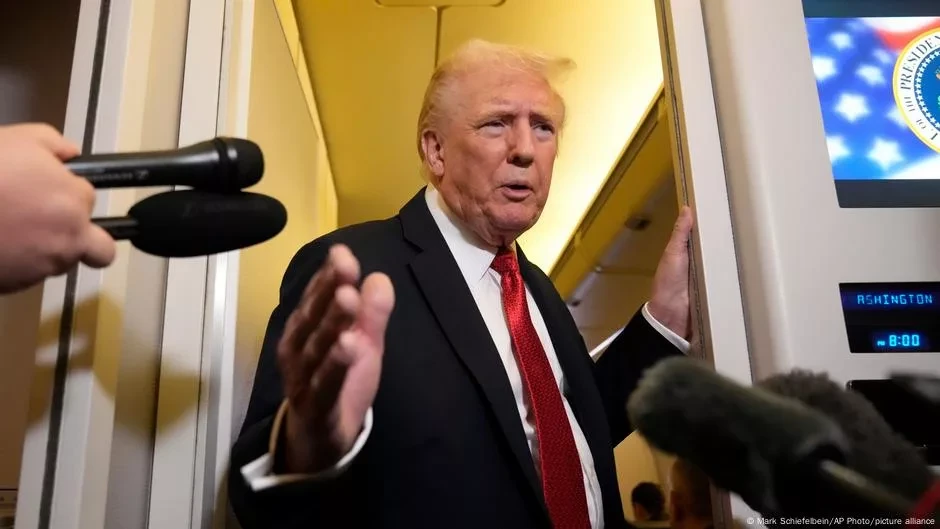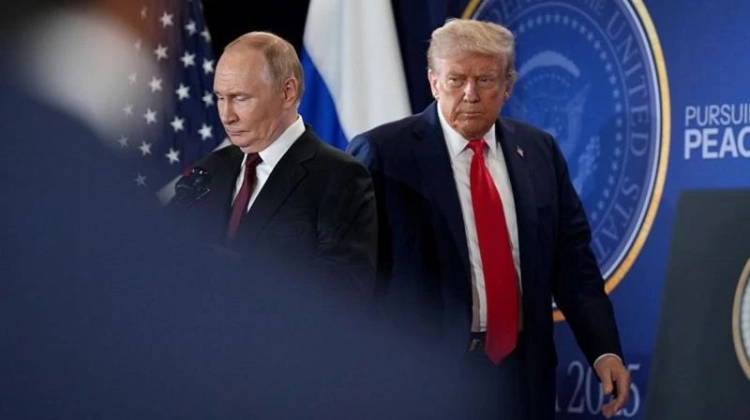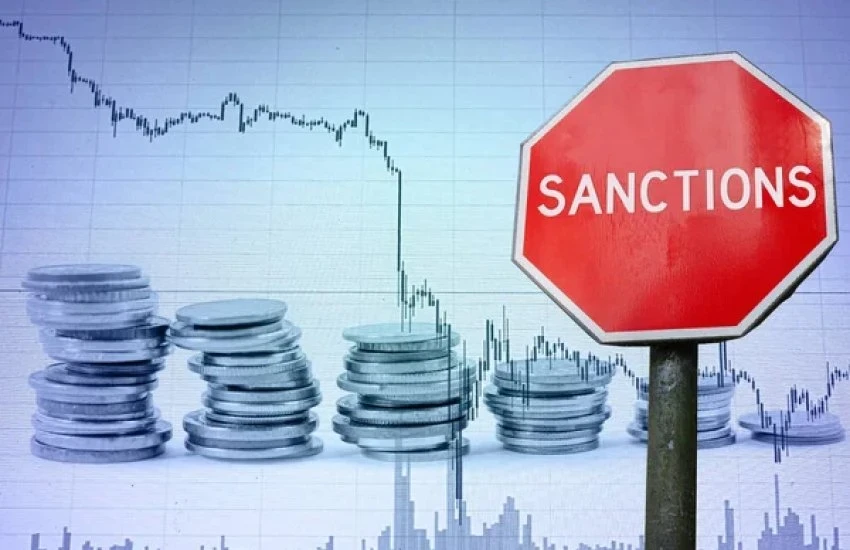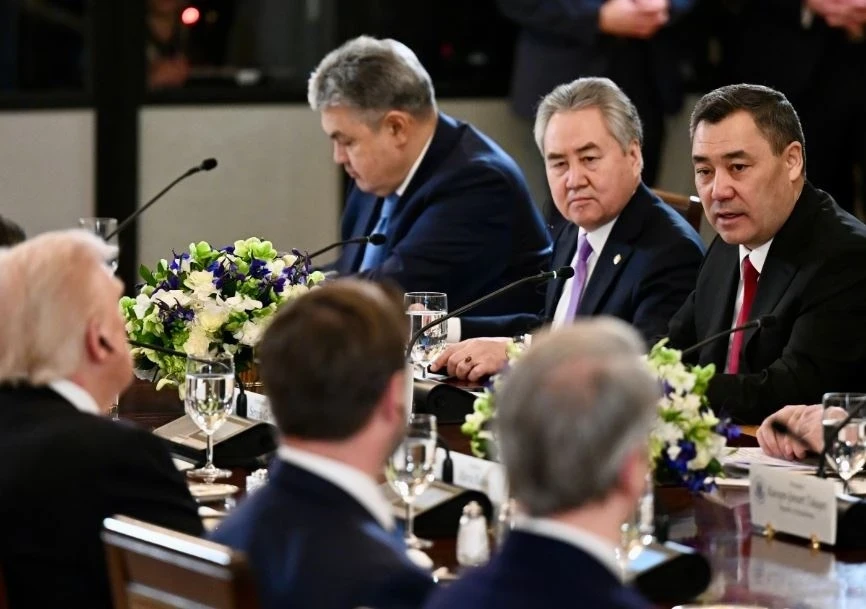
U.S. President Donald Trump expressed readiness to support new sanctions against Russia, referred to as "deadly." These measures will target countries that provide economic support to Russia.
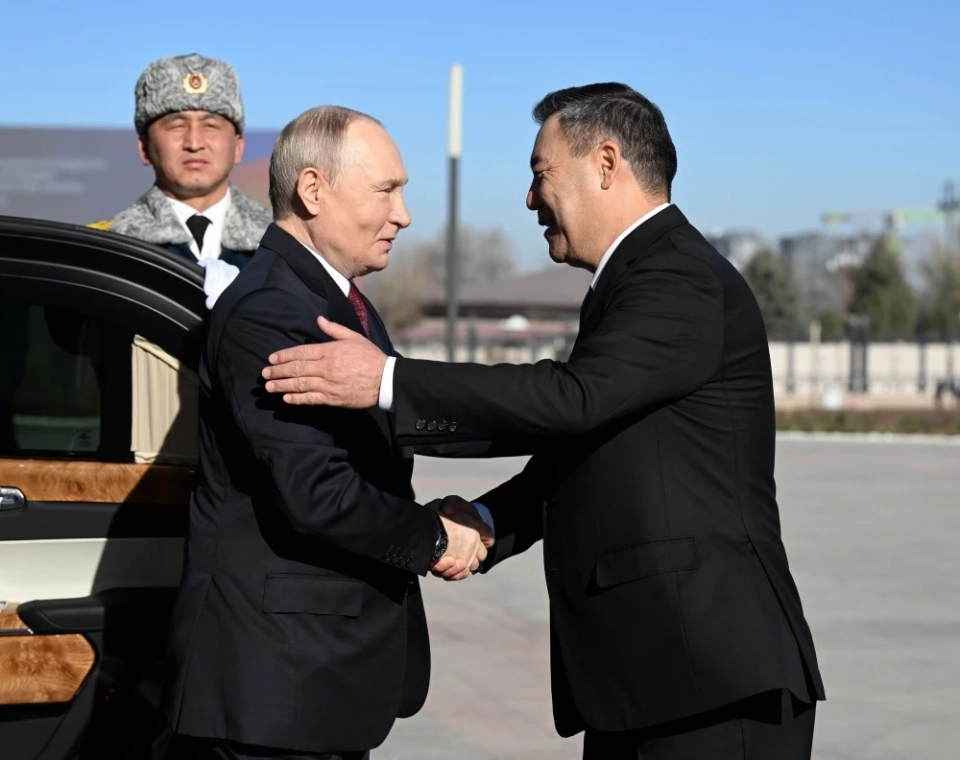
VB.KG conducted an analysis of the risks that may arise for Kyrgyzstan in light of this situation.
Kyrgyzstan is a country with an economy valued at less than $10 billion and a population of just over 7 million people, with no access to the sea. The domestic market of the republic is too small to ensure sustainable economic growth. Since gaining independence, Kyrgyzstan has built its economic model based on three key realities: labor migration as a source of household existence, processing and re-export as the foundation of small business, and geopolitical neutrality necessary for survival amid competing interests of major powers. In the context of a systemic split in the global economy into sanctioned zones and independent ones, the choice of foreign economic partners has become not just a technical issue but a matter of structural stability. Therefore, comparing trade and economic relations with Russia and the USA becomes critically important, allowing for the separation of political rhetoric from economic rationality.
In 2024, Kyrgyzstan's foreign trade turnover amounted to between $16.0 and $17.6 billion, indicating growth of 0.9–10.9% compared to 2023. The main factor behind this growth was a significant increase in exports (by 13.1–50%), while imports remained at the same level or slightly decreased.
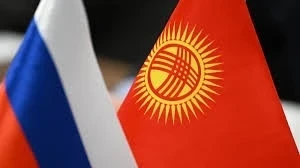
The largest share of foreign trade turnover was with the Russian Federation, while the share of the USA was significantly smaller.
The trade turnover between Kyrgyzstan and Russia in 2024 was nearly $4 billion. According to other data, it reached about $3.5 billion, which is 14.5% more than the previous year. Russia occupies one of the leading positions among Kyrgyzstan's trading partners, with its share in the total foreign trade turnover of the republic amounting to 22%.
Specific data on the trade turnover between Kyrgyzstan and the USA in 2024 is absent from open sources; however, it is known to be significantly less than with major partners—Russia and China.
Nevertheless, what is more important is not so much the quantitative indicators but the content of trade flows. Russia supplies Kyrgyzstan with oil and petroleum products, which account for 85% of all fuel and lubricants needs. Additionally, electricity is imported under partnership agreements at lower prices. Without these supplies, Kyrgyzstan would not be able to ensure basic functions of transportation, heating, and industry. Furthermore, nearly half of the required volume of wheat and flour, 90% of mineral fertilizers, and 35% of medicines come from Russia. These goods are critical for the country's food, energy, and social security. Replacing them with supplies from other countries is theoretically possible but entails a sharp increase in costs: logistics through third countries, incompatibility of standards, currency risks, and lack of long-term credit lines, which in turn will lead to higher prices for these essential goods. The USA, for its part, does not import similar goods into the Kyrgyz Republic and Central Asia.
The USA primarily supplies medical equipment, software, and some components for the IT sector to Kyrgyzstan. These goods are useful but do not affect the basic functionality of the economy. The export situation looks even more one-sided. Kyrgyzstan exports fresh fruits, vegetables, dairy products, meat, and clothing to Russia. According to the National Statistical Committee, for the first 10 months of 2024, Kyrgyzstan's exports to Russia amounted to $937.4 million, which is 46.3% more than in the same period of 2023. According to other data, the total export for the entire year of 2024 was $976.06 million, with Russia's share in Kyrgyzstan's total exports amounting to 30%.
Exports of goods from Kyrgyzstan to the USA in 2024 amounted to only about $4.98 - $5 million, a decrease compared to 2023 when the volume of supplies was $5.3 million.
Goods from Russia, unlike those from the USA, adapt more easily to standards due to the common regulatory space of the Eurasian Economic Union and enjoy stable demand in the mass market. Exports to the USA are limited to fiberglass, copper scrap, and cotton fabric totaling less than $80 million, with access to these niche markets constantly under threat from anti-dumping investigations or political decisions, such as the suspension of preferences under the GSP program.
The financial architecture of relations with Russia is of particular importance. In 2024, Kyrgyzstan received remittances from Russia amounting to approximately $2.6 - $2.8 billion. In the first six months of this year, the volume of remittances was approximately $1.857 billion. These funds help cover the current account deficit, ensure consumer demand, and serve as a social safety net for millions of citizens. No grant, including assistance from USAID, can replace this flow. Moreover, Russia provides nearly a thousand quotas for education in universities, medical quotas, and professional development programs, creating long-term ties in human capital that are not dependent on political circumstances.
Institutional integration within the framework of the Eurasian Economic Union since 2015 has become a key factor in reducing transaction costs. Membership in the EAEU has given Kyrgyzstan a unified customs space, mutual recognition of certificates, common sanitary rules, and, importantly, freedom of movement for labor. Almost 500,000 citizens of Kyrgyzstan work legally in Russia without visas and quotas. The USA does not offer anything similar: neither a market for mass products, nor legal migration corridors, nor institutional platforms for long-term integration. American aid remains conditional and depends on meeting political requirements, making it unpredictable and vulnerable to diplomatic conflicts.
As for sanctions against Russia, Kyrgyzstan is virtually unaffected by their secondary consequences. The country is not a transit hub for re-exporting sanctioned goods: according to customs and law enforcement data, in 2024, there were fewer than 20 recorded attempts at illegal turnover, none of which involved dual-use goods. Kyrgyzstan's exports to Russia consist of food and light industry products that are not subject to export control. Settlements between the countries are increasingly being conducted in national currencies: the share of dollar transactions has decreased from 60% in 2020 to less than 20% in 2024. Since 2023, a direct corridor for remittances in "som-ruble" has been in operation, allowing avoidance of correspondent accounts in "third" jurisdictions. This provides the financial system of Kyrgyzstan with resilience to external pressure while remaining fully legal under national legislation.
The only target for Americans under such sanctions could be payment systems. However, this is a minor influence compared to operations with Russia.
Thus, for Kyrgyzstan, relations with Russia represent not so much a geopolitical choice as an economic necessity dictated by the structural limitations of a small closed economy. The USA remains an important but episodic partner in areas unrelated to the foundations of economic stability. Sanctions against Russia do not create systemic risk for Kyrgyzstan; on the contrary, they emphasize the strategic value of pragmatic and neutral Central Asia as a stable hub amid global fragmentation.
Kyrgyzstan does not need to choose between poles; it is important for it to make the most of its geographical and institutional position. In this context, deepening ties with Russia is a matter of survival rationality, regardless of the sanctions that may threaten from foreign and European partners.