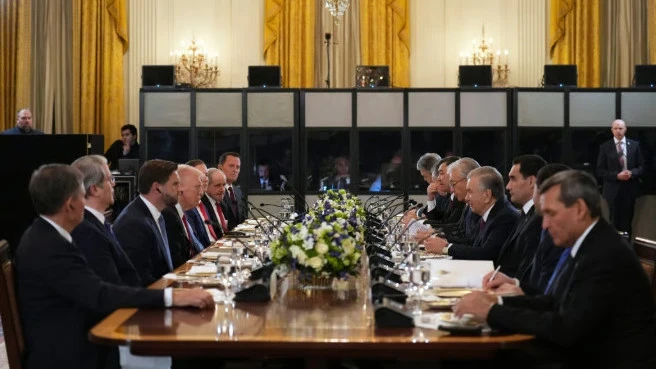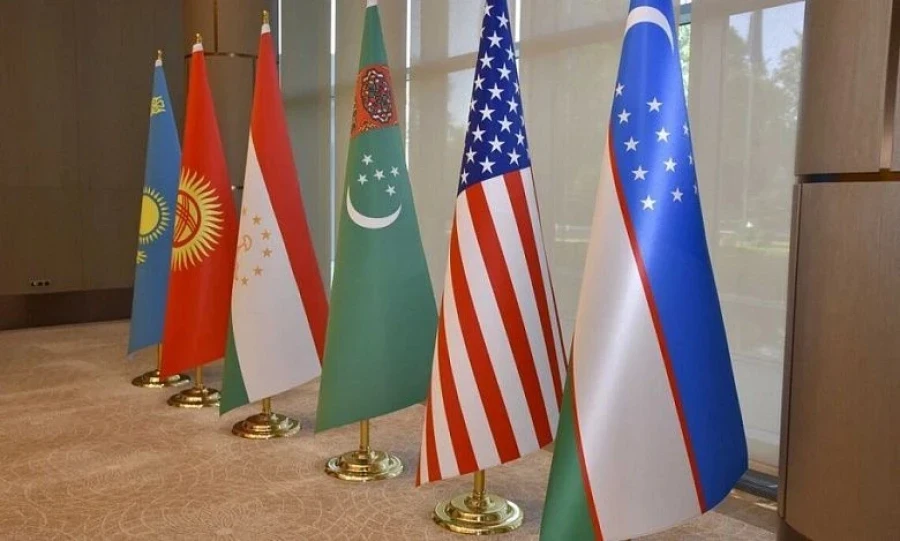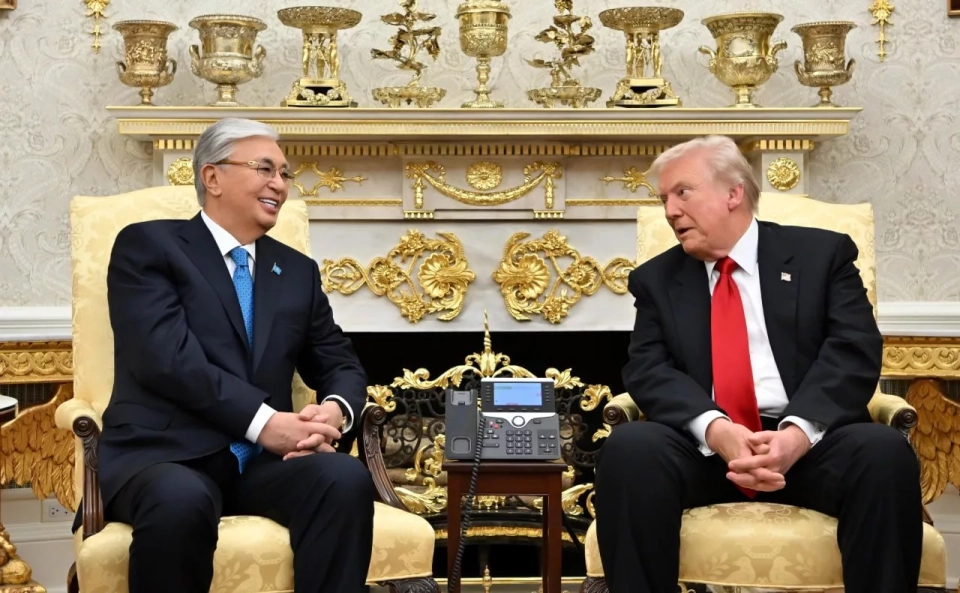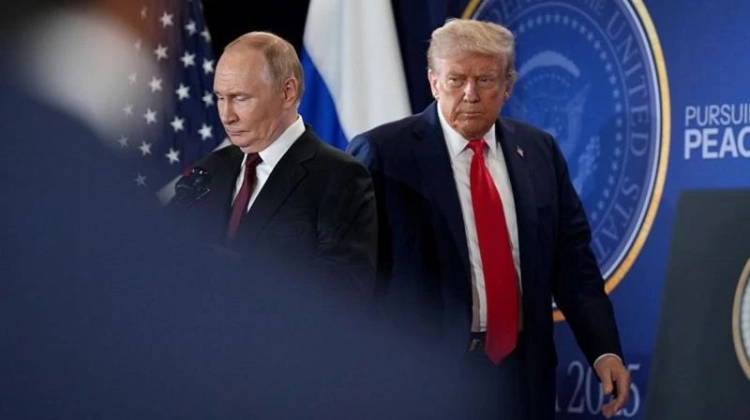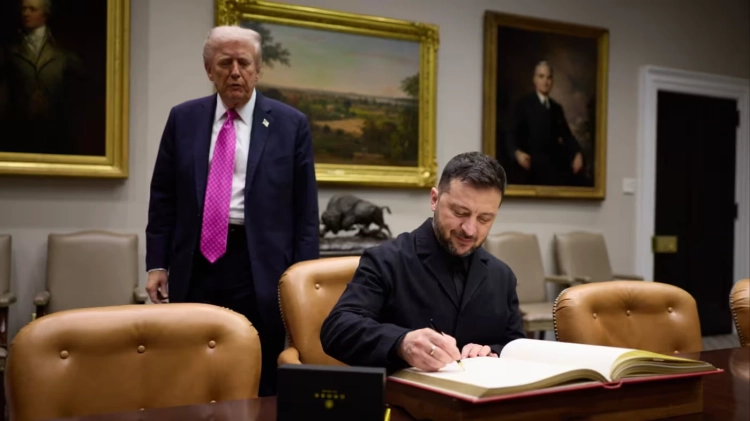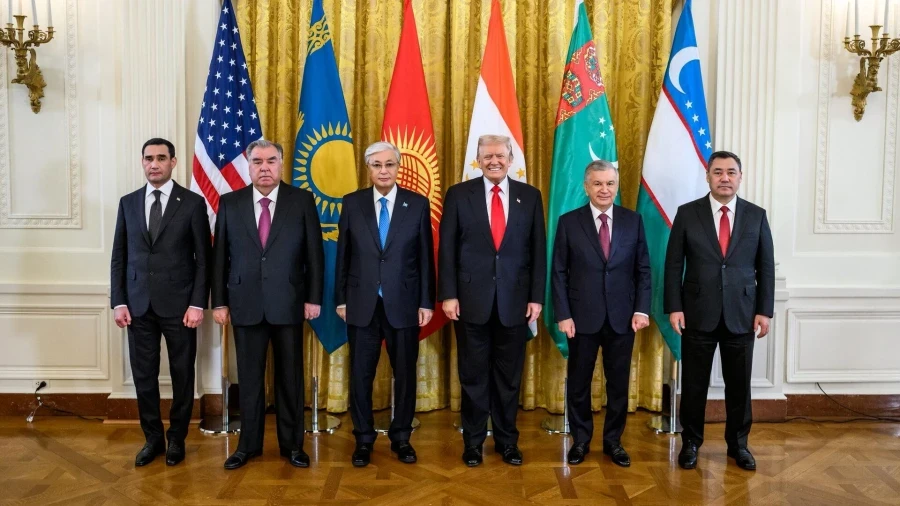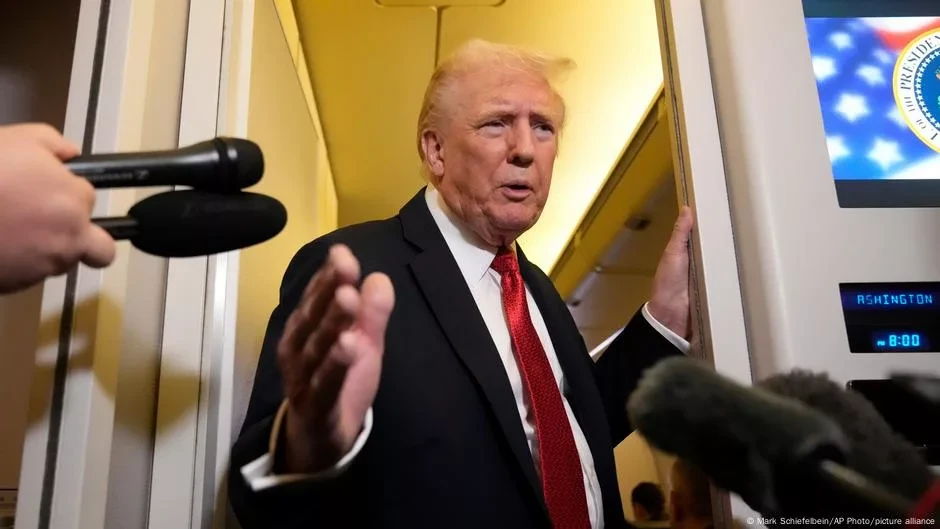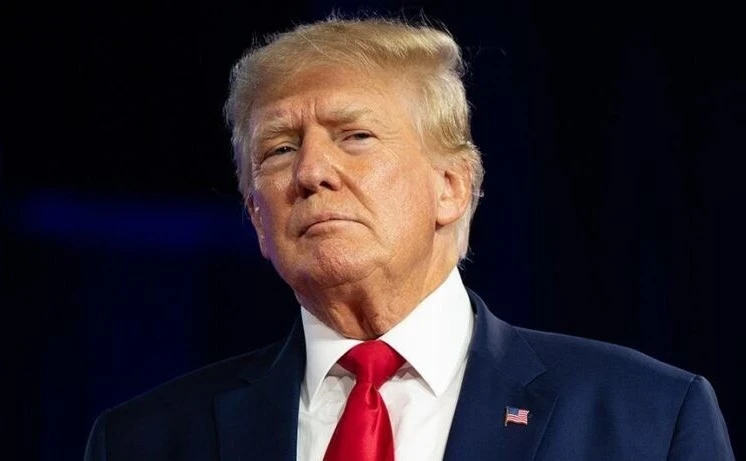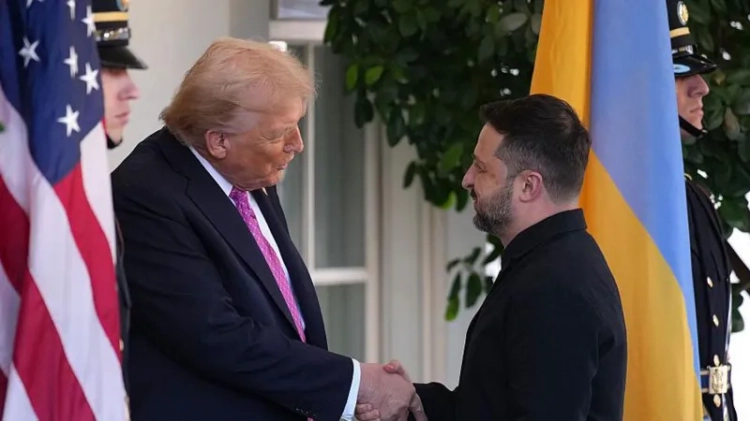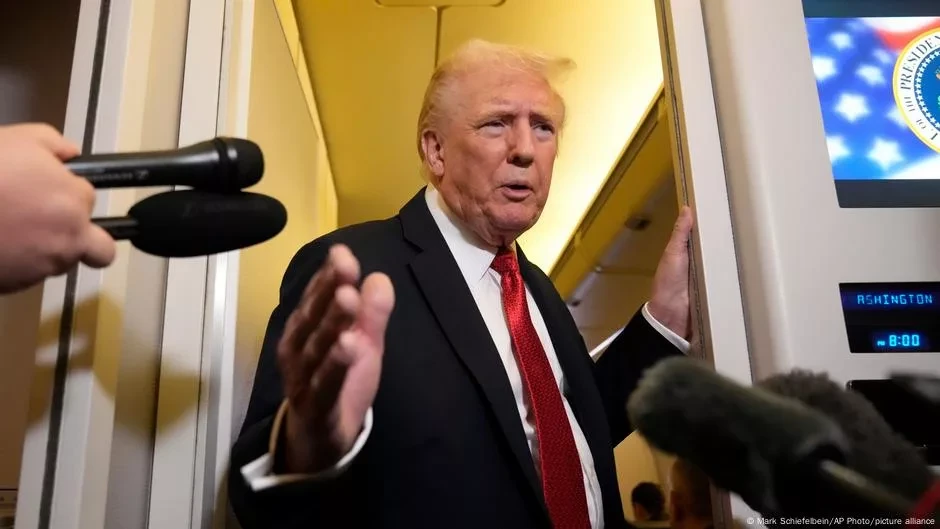
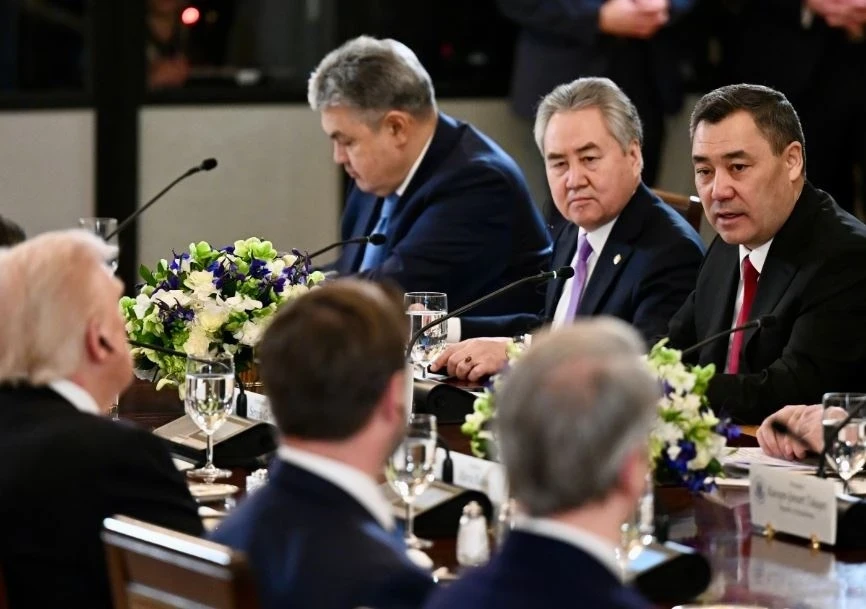
In November, a significant C5+1 summit was expected at the White House, where Donald Trump met with the leaders of five Central Asian countries. His goal was to regain U.S. influence in the region, where the power of Russia and China is growing, through large contracts and statements about a "new era."
However, the response from Central Asian countries, particularly Kyrgyzstan, showed that the impact of the summit did not correspond to real political influence.
While Washington relied on symbolism and grand promises, Bishkek focused on the solid ties that have been built over many years.
Kyrgyzstan in Washington: Decisions Made at Home
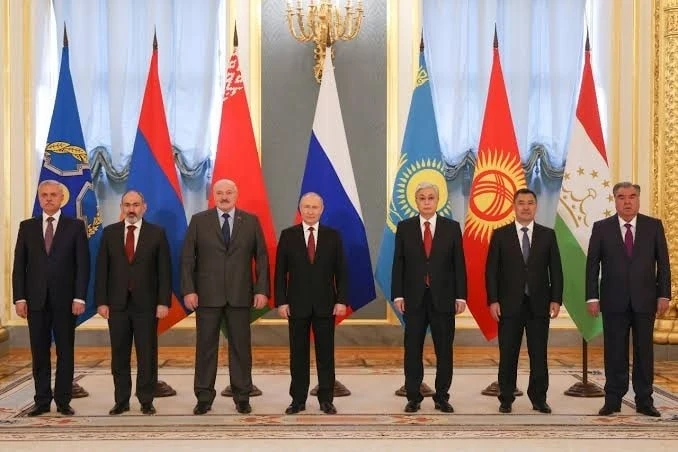
Kyrgyzstan's participation in C5+1 is not a signal of a change in foreign policy. It is part of the country's usual practice, which seeks to maintain connections with all partners and not miss opportunities. Compliments to Trump were loud, but such diplomatic politeness has long been the norm in the region, including dialogues with Xi Jinping, Erdogan, and Putin. What matters is not so much what is said, but what lies behind those words, and Kyrgyzstan's relationship structure is different.
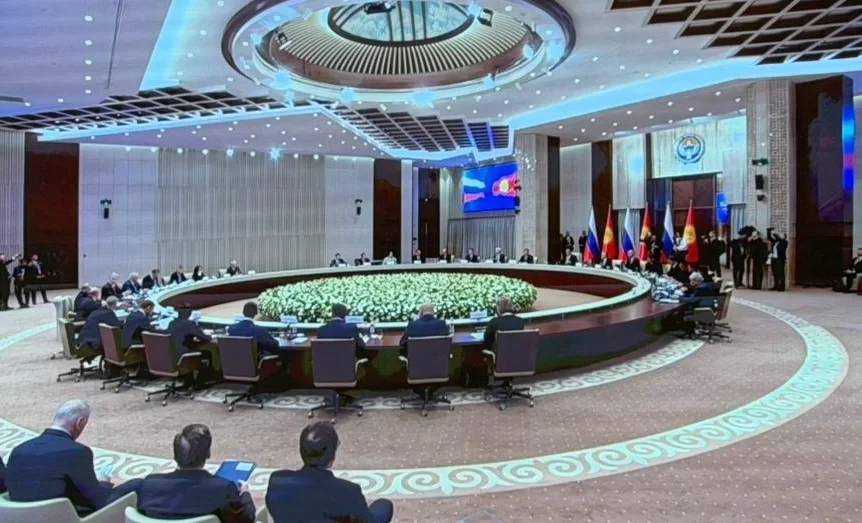
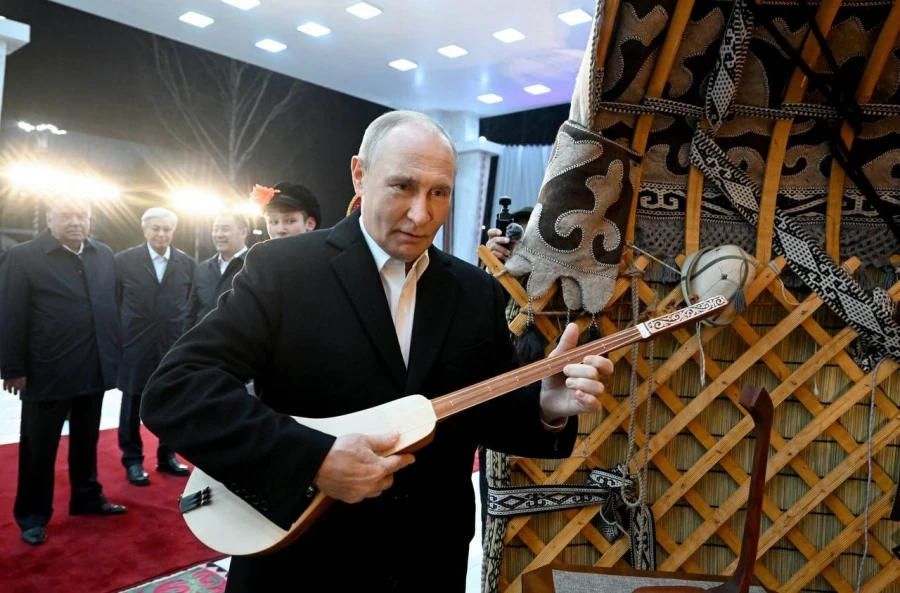
Putin's Visit to Bishkek: Practical Significance
Vladimir Putin arrived in Bishkek with the largest delegation in recent years, including ministers and representatives of state corporations. This is not just a photo opportunity — it is a chance to conclude deals and continue ongoing projects. Japarov meets Putin in person, and negotiations take place in both narrow and expanded formats, covering topics such as hydroelectric power stations, energy systems, migration, and transport corridors.
These are not just symbolic gestures, but real documents that will impact the country's future. This visit shows elements of the Mongolian model: historical ties and pragmatism prove stronger than external attempts to change the region.
Aviation Routes Reflect Real Dynamics
Aviation communication shows where the country is actually heading. Dozens of flights depart daily from Kyrgyz airports to Russia — to Moscow, St. Petersburg, Siberia, and the Urals. These are not just tourist trips; they are part of life: work, study, connections, and culture.
Migration as the Foundation of the Economy
Migration is a key element of Kyrgyzstan's economy. In this context, the U.S. does not play a significant role. Kyrgyz citizens work in Russia, creating families and sending remittances home, which make up a substantial part of GDP. The American labor market cannot offer comparable opportunities in terms of scale and accessibility.
Language Barrier
Kyrgyzstan is a bilingual country where Russian is a working tool for the state, business, and education. Language is not just words; it is a network of mutual understanding.
Ensuring Security
The U.S. offers training and equipment, while Russia provides mechanisms for collective response, exercises, and experience. For Kyrgyzstan, this is a matter of practicality: in conditions of instability on the southern borders, partners capable of responding quickly are important. In this aspect, Washington cannot replace Moscow.
Long-term Infrastructure
Energy, gas, rail lines, and migration structures — all of this is a legacy that cannot simply be changed with one agreement. The U.S. offers something new, but any new initiative must integrate into the existing structure oriented towards Russia.
Thus, Washington is trying to catch up with the infrastructure that Moscow has built over half a century.
High-profile Events Do Not Change Established Ties
Washington made a flashy move, but the reality is simpler: the structures that Kyrgyzstan relies on have been formed over decades and extend far beyond a single diplomatic event.
America offers opportunities, but Kyrgyzstan makes decisions based on what works in everyday life: labor market, language, security, infrastructure, and human connections. As long as these key factors remain unchanged, no "reset" of Central Asia will be possible.