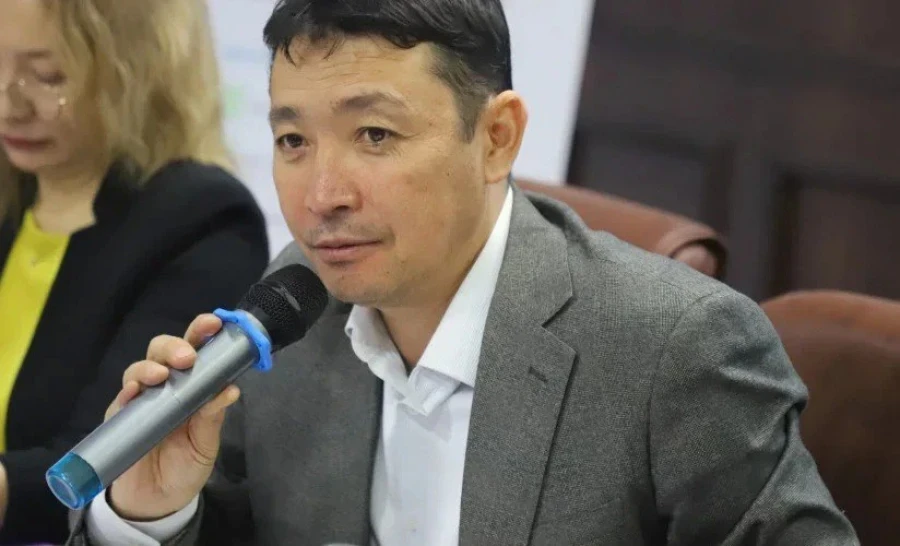
Opinions of lawyer Tattuu Bububu Ergeshbaeva on the presidential structure, parliament, and potential constitutional risks
A draft of a new Constitution has been presented in Kazakhstan, created by the Constitutional Reform Commission taking into account the opinions of citizens, experts, and the results of public discussions. The new Fundamental Law aims to strengthen the state structure, improve the functioning of political institutions, and adapt constitutional norms to modern challenges, including digitalization and the reform of public authority.
Lawyer Tattuu Bububu Ergeshbaeva, founder of the Tandem Lawyers' Community, believes that the draft of the new Constitution generally supports the model of a strong presidential republic, emphasizing institutional stability and centralized accountability.
"The document conceptually forms a strong presidential model, where the main role of the president is connected with formal mechanisms of constitutional control and parliamentary participation. This should enhance state governance and reduce institutional risks," she explains.
The expert emphasizes that the draft strengthens the legal structure of the state, clearly defining the presidential form of government and enshrining important constitutional values such as sovereignty, independence, unitarity, and territorial integrity.
"The secular nature of the state, the principle of separation of religion and state power, as well as a secular approach to education are now more strictly enshrined. This contributes to strengthening centralized governance and reduces the risks of ideological fluctuations," adds Ergeshbaeva.
Discussing human rights and freedoms, the expert notes that the general approach of the current constitutional model is maintained, allowing for the limitation of certain rights by law. In particular, this concerns the rights to peaceful assembly and demonstrations.
"The potential risks are not so much related to the text of the Constitution as to subsequent regulation in specific areas. An expansive interpretation of the grounds for restrictions may lead to a narrowing of the space for the realization of political rights," she explains.
The lawyer also draws attention to norms concerning digital transformation. She emphasizes that enshrining the right to protect personal data and the inviolability of private life in the digital space at the constitutional level is an important innovation of the Fundamental Law.
"These norms are framework in nature and will require further detailing in legislation. If there are no clear constitutional guarantees of proportionality and effective judicial control, there is a risk of expansive application of digital restrictions under the pretext of national security and public order," the expert emphasizes.
Ergeshbaeva also notes that the status of the President as a key figure in the executive power will remain unchanged, while his personal responsibility will be strengthened. The introduction of the Vice-President institution and the mechanism of power succession should enhance the predictability and stability of the governance system.
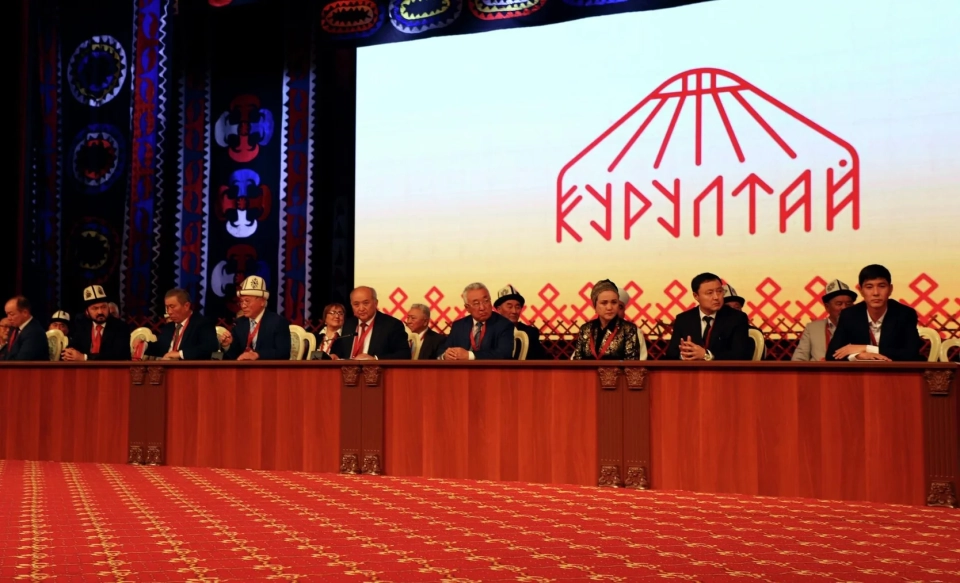
Discussing parliamentary reforms, the expert emphasizes the transition to a unicameral Kurultai as a significant institutional change.
"Although the control functions of the parliament and the role of political parties are formally strengthened, the abolition of the Senate means the loss of an independent institution for regional representation. At the same time, the final decision on the budget remains with the President, which enhances his influence on the budgetary process," she adds.
The increase in the powers of the Constitutional Court and access to constitutional justice is positively assessed by Ergeshbaeva.
"Strengthening the Constitutional Court contributes to the creation of additional elements of institutional balance and possible mechanisms of checks and balances that can limit deviations from fundamental constitutional principles," asserts the lawyer.
Comparing changes in Kazakhstan with the experience of Kyrgyzstan, Ergeshbaeva reminds that after the adoption of the Constitution of the Kyrgyz Republic in 2021, there was also a phase of strengthening the presidential model of power and a large-scale inventory of legislation.
"This experience demonstrates that such constitutional changes can have long-term institutional consequences, especially in the context of the redistribution of powers and the strengthening of the role of executive power," she concludes.
Overall, the expert believes that the proposed draft of the new Constitution of Kazakhstan, developed under the leadership of Kassym-Jomart Tokayev, reflects a strategic course towards transforming the political and legal space while maintaining institutional stability and state sovereignty.