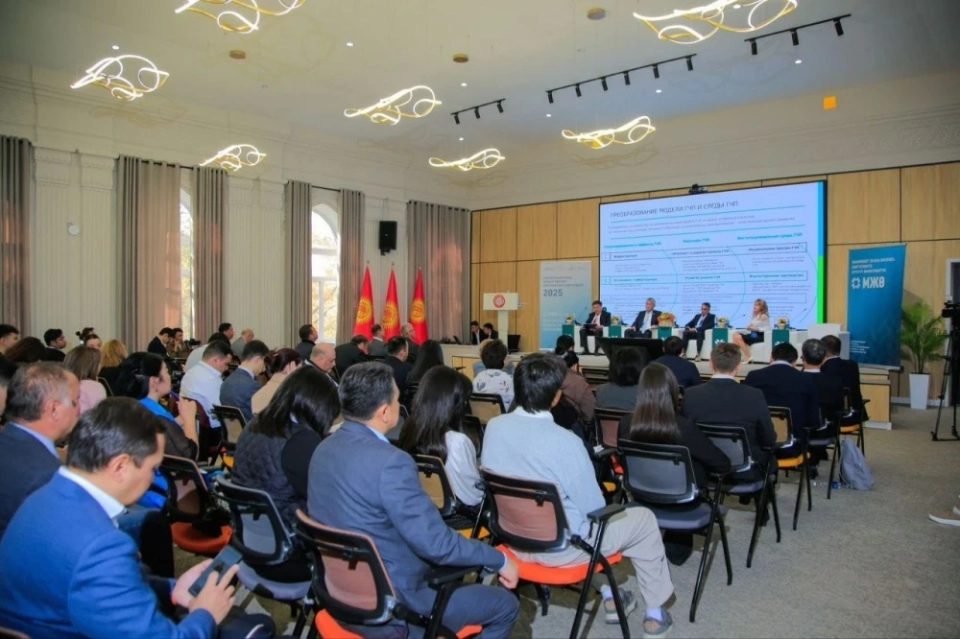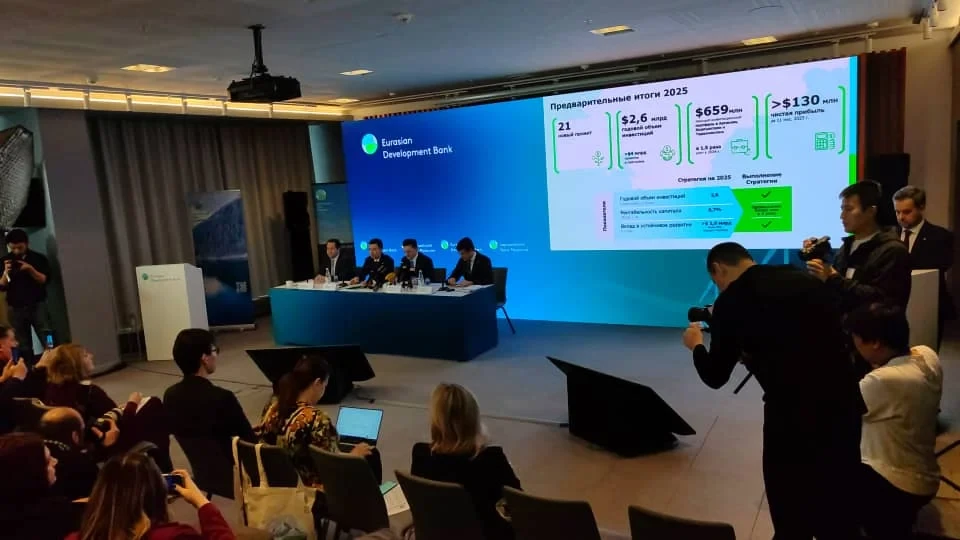
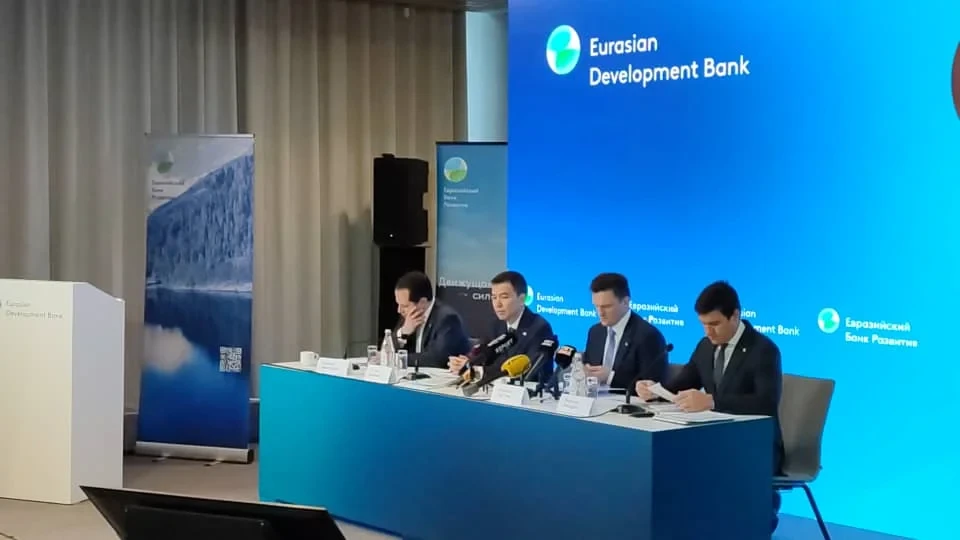



The Eurasian Development Bank (EDB) presented a forecast for the economic development of partner countries for the next three years, expecting stable and sustainable growth. According to the report, Kyrgyzstan will continue to hold leading positions in key economic indicators. The presentation took place in Almaty.
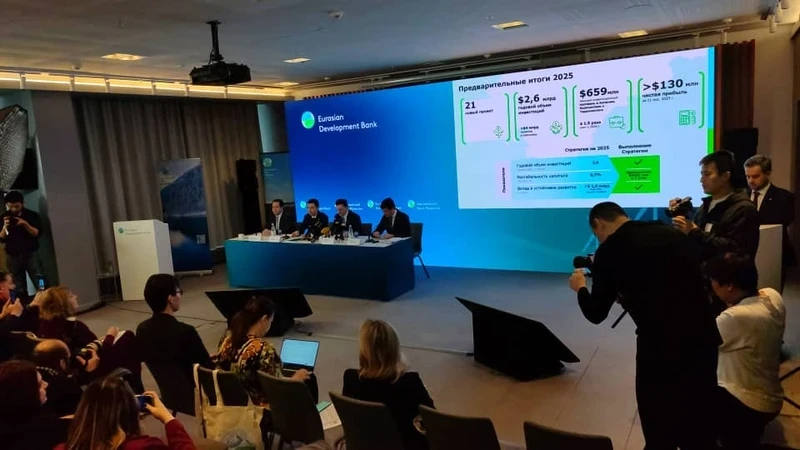
Key findings from EDB analysts:
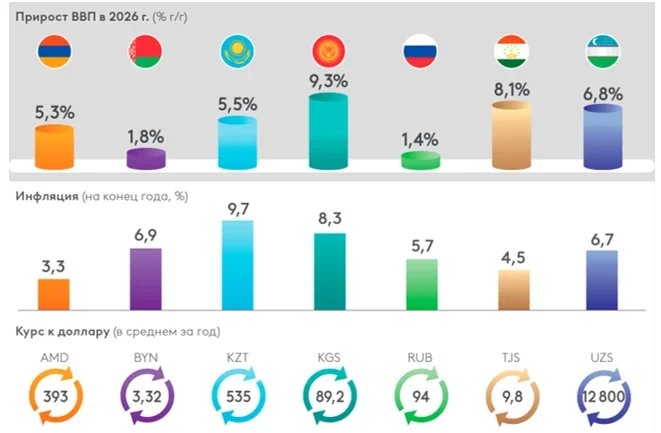
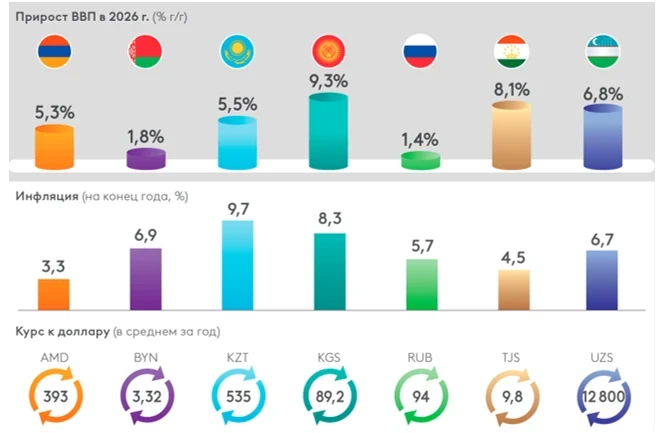
- The region's GDP will grow by 2.3% in 2026, with Kyrgyzstan (9.3%), Tajikistan (8.1%), Uzbekistan (6.8%), and Kazakhstan (5.5%) remaining leaders.
- Inflation will slow to 6.4% in 2026 due to a balanced monetary policy.
- Investments will remain the main growth factor, especially in manufacturing and extraction industries, energy, and construction.
- Commodity markets will show mixed trends: oil prices will slightly decrease, while prices for metals and gold will remain high.
- The dollar is gradually losing its share in central bank reserves but maintains a stable role.
“The growth rates of Central Asian countries are among the highest in recent years. We expect that in 2025, growth will be 6.6%. In Kyrgyzstan - 10.3%, in Tajikistan - 8.3%, in Uzbekistan - 7.4%, and in Kazakhstan - 5.6%,” he added.
Forecasts for 2026 also predict confident growth of around 6.1%, exceeding global averages. The total GDP of Central Asian countries will exceed 600 billion dollars due to active investments and strong consumer demand. Kazakhstan will grow by 5.5%, Kyrgyzstan by 9.3%, Tajikistan by 8.1%, and Uzbekistan by 6.8%.
Regarding inflation, positive dynamics are expected, with a gradual slowdown in price growth in most Central Asian countries,” emphasized the chief analyst of the EDB.
According to forecasts, inflation in Kyrgyzstan at the end of next year will be 8.3%, indicating a gradual decrease in rates. It is expected that in the medium term, inflation will continue to slow down. “Stabilization of the som exchange rate and a decrease in oil prices compared to previous years will be additional factors that will help bring inflation back to the target range of 5-7%,” the report states.
The EDB predicts that the som exchange rate next year will be in the range of 87-90 per dollar, and the discount rate by the end of 2026 will be around 11%.
The overall picture in the countries of the Eurasian partnership is stable, with positive trends. The economies of all countries in the region are showing growth, and key indicators are in the "green zone" with positive growth.
Experts note that cooperation in the region is structured in such a way that the economies of partner countries complement each other. Joint infrastructure projects, such as "Kambar-Ata - 1", have a significant impact on these processes. The EDB is ready to participate in the construction of the largest hydroelectric power station in the region.
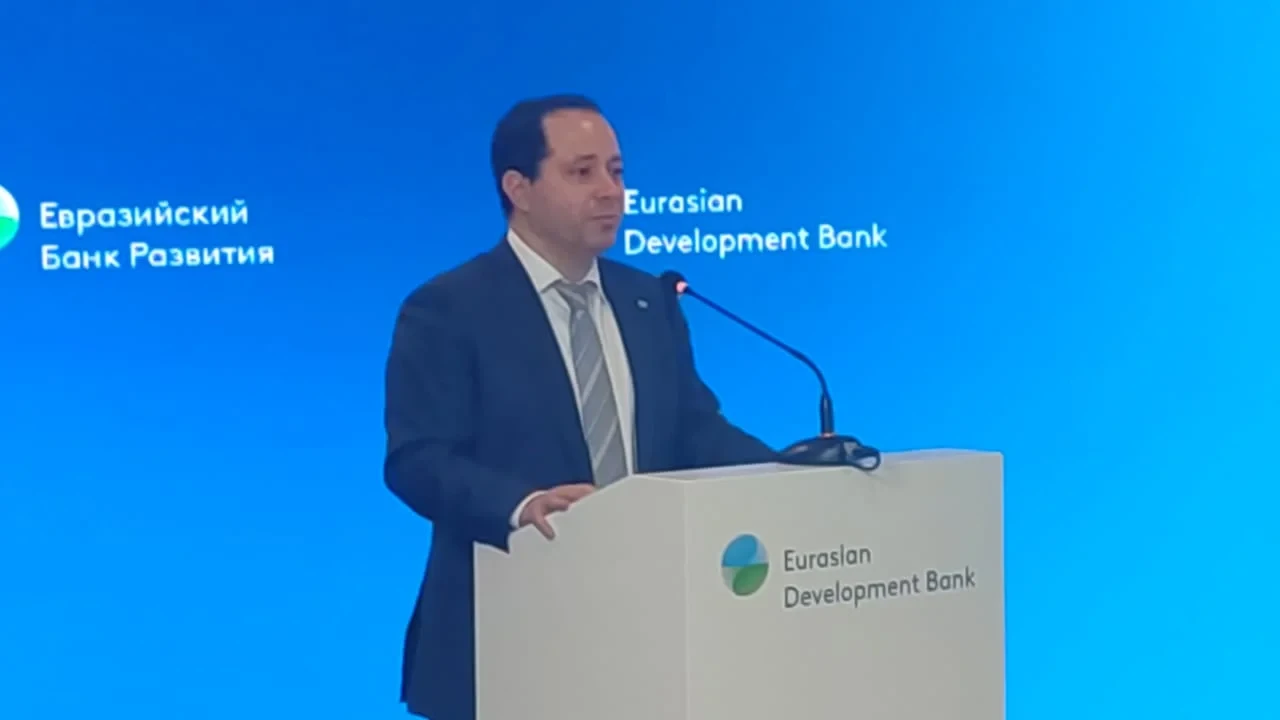
EDB Chairman Nikolai Podguzov emphasized that infrastructure projects address not only economic tasks but also contribute to the integration of countries.
“The partnership model of cooperation between EAEU countries and broader formats of interaction in Central Asia are developing productively. There is mutual understanding at the level of governments and companies,” he noted.
“We have a multinational team with representatives in each country. Contacts have been established with businesses and governments, allowing us to work effectively on projects,” Nikolai Podguzov added in an interview with IA "Kabar".
According to experts, the model of interaction in which the economies of the region's countries complement each other creates new incentives for development and opportunities for the implementation of large-scale projects. Central Asia is gradually transforming into a macro-region where foundations are being laid for sustainable and long-term growth together with neighbors. The creation of the Eurasian transport framework and large-scale projects in energy will become the pillars for a new economy.