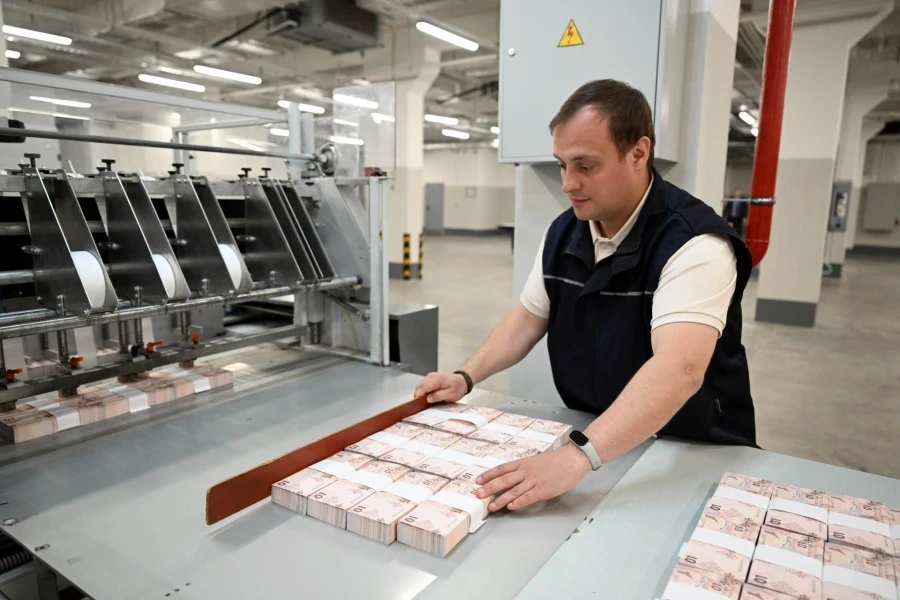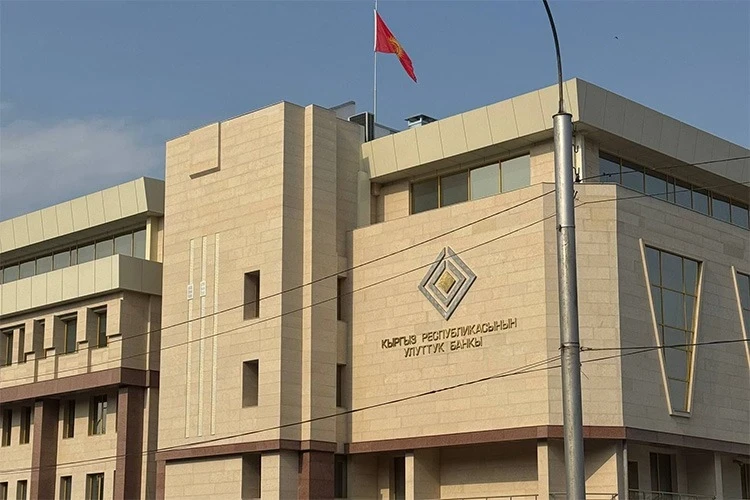
Kyrgyzstan is experiencing a real boom in cashless transactions, which the Chairman of the National Bank of the Kyrgyz Republic, Melis Turgunbaev, characterized as a "snowball effect."
Since the introduction of the ELQR standard, the use of digital payments has become widespread, significantly changing the financial habits of both citizens and businesses.

Turgunbaev noted that digitalization is changing the structure of cash flows. In the first quarter of 2025, the following trends are observed:
- the volume of cash withdrawals from cards decreased by 33%,
- the number of withdrawal transactions fell by 26.3%.
"Money remains in the system — this is an important indicator of the maturity of the financial market," emphasized the Chairman of the National Bank.
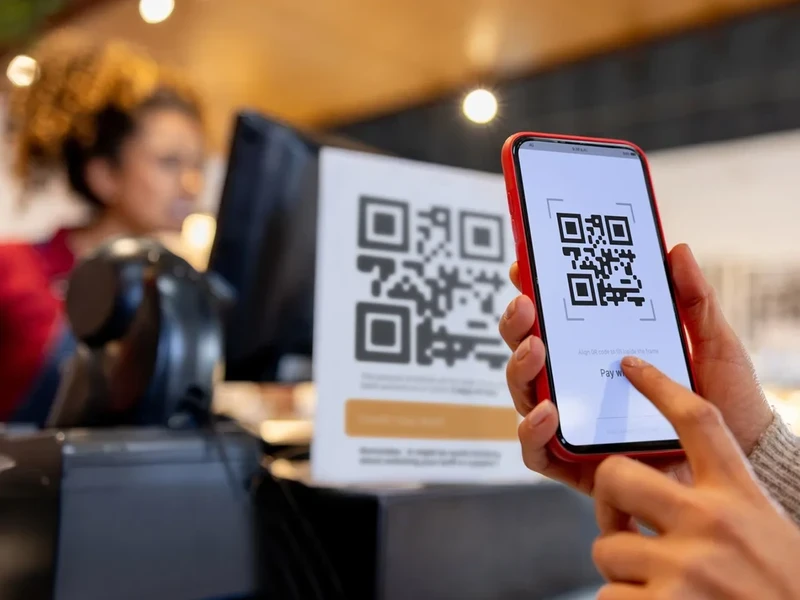
- 2022: introduction of the ELQR standard;
- 2024: cancellation of fees for domestic transfers;
- obligation for entrepreneurs to accept QR payments;
- creation of a broad ecosystem: 20 banks, 14 payment organizations, 32 applications, 15 million accounts, 9.8 million cards, 3.5 million electronic wallets.
"It can be confidently stated that the country has almost completely switched to QR payments," added Turgunbaev.According to the Chairman of the National Bank, the rapid growth of cashless transactions has led to three significant changes. Payments are recorded automatically, which facilitates budget control and reduces the number of impulsive purchases. "Seeing their finances in real-time makes a person more disciplined," he noted.

Interbank transfers take just seconds, and their volume has increased 49 times. Installments, microloans, and savings products are available in mobile applications — opportunities that are difficult to realize in a cash-based economy.
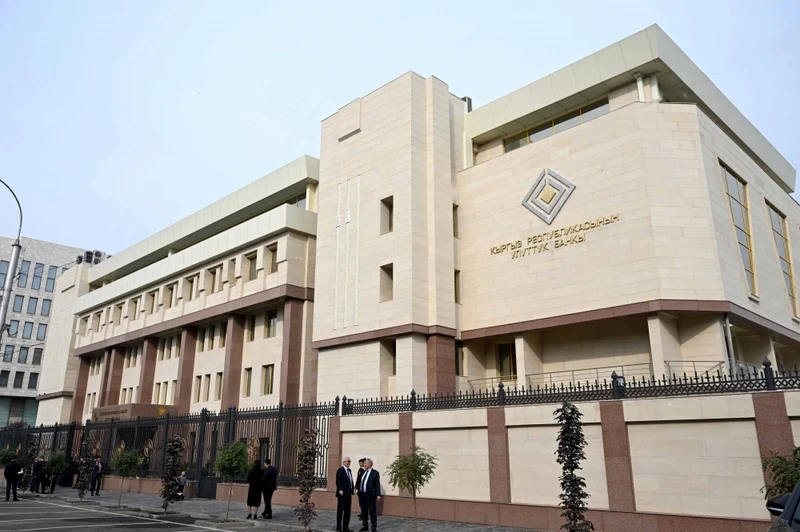
"Digital payments are becoming commonplace. Trust in financial institutions is increasing, and citizens' decisions are becoming more conscious. This is not just convenience — it is a transformation of the country's financial structure," he concluded.