Nevertheless, energy workers continue to operate under strict restrictions, and complaints from consumers about faulty meters are growing. While this is not yet as noticeable in cities, the situation regarding electricity conservation is felt much more acutely in the regions.
Kaktus.media conducted a survey on the current situation in the energy sector, based on the opinions of both energy workers and residents of the country.
Growth in Consumption
According to the Open Joint Stock Company "National Electric Network of Kyrgyzstan," electricity consumption in the republic continues to increase. This is due to both the growing number of consumers and seasonal factors. However, overall consumption remains within the calculated values considered during the planning of the energy system's operation.During the reporting period, 15.4 billion kWh of electricity was produced, of which:
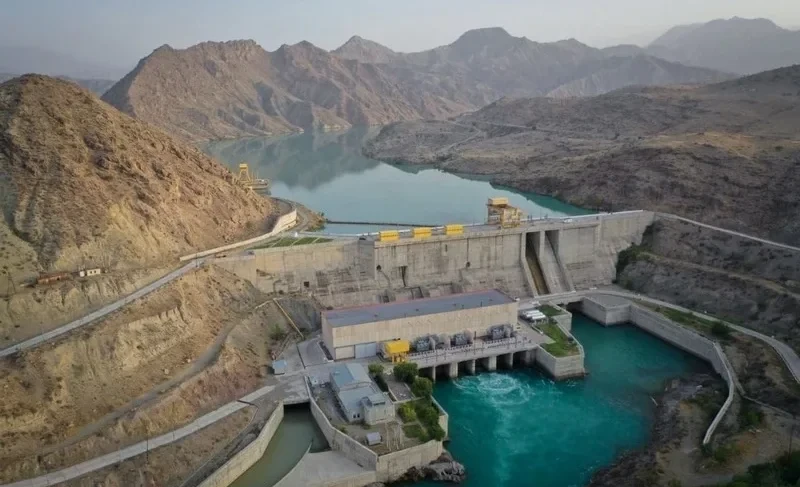
- from large hydropower plants - 12.9 billion kWh;
- from small hydropower plants - 0.223 billion kWh;
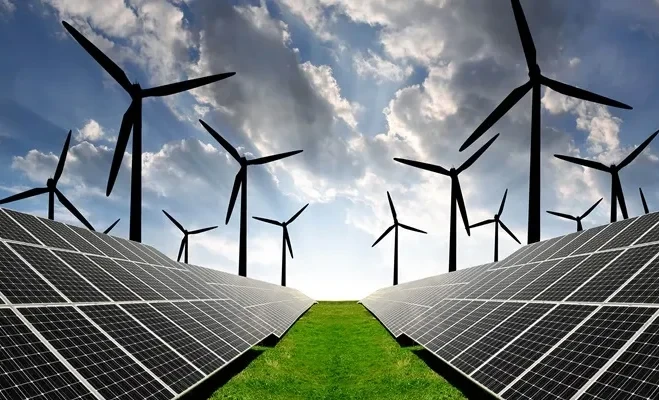
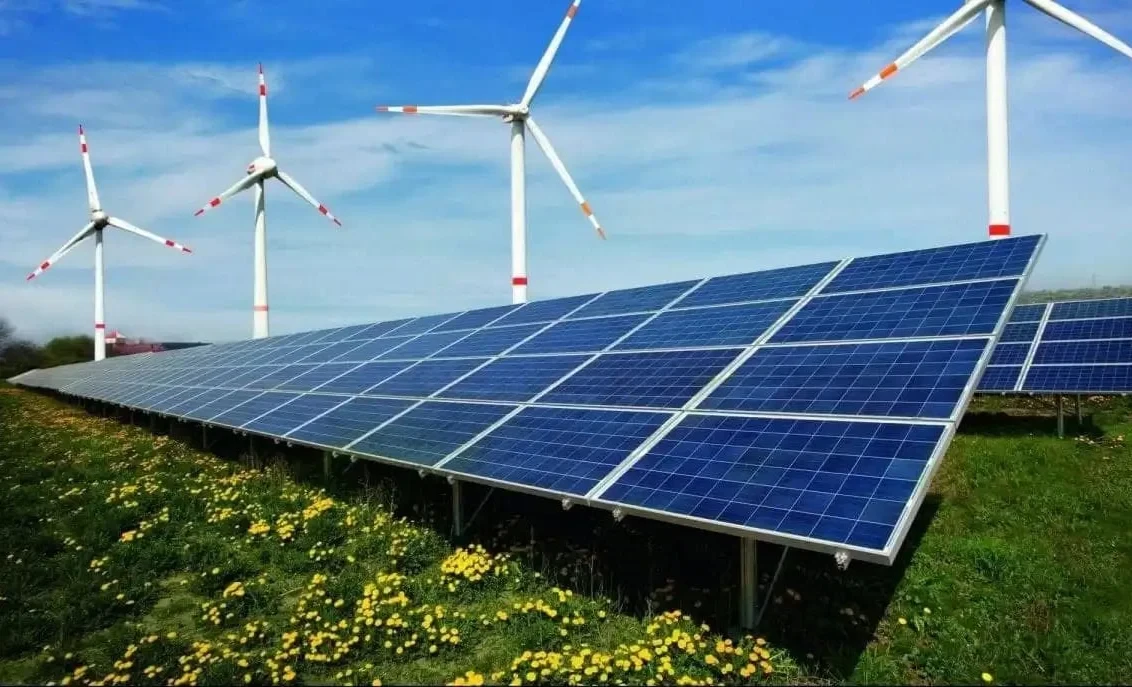
- from mini-hydropower plants and renewable energy sources (solar and wind power plants) - 0.234 billion kWh;
- from thermal power plants - 2.01 billion kWh.
Compliance with Limits
The level of electricity consumption remains within calculated indicators, largely thanks to strict adherence to limits by energy workers. It should be noted that this winter, the capacity of electric meters was reduced by half during peak hours.“We monitor compliance with the established limits. Continuous monitoring of loads and operational management of the energy system's modes allow us to respond promptly to deviations and minimize excesses beyond the limits,” noted the Open Joint Stock Company "NESC".
As of April–December 2025, an excess of the consumption limit of 365.2 million kWh was recorded, which is 3.98% of the approved volume.In this regard, the Open Joint Stock Company "NESC" is working together with representatives of the president in the regions and the mayors of Bishkek and Osh for more accurate compliance with limits.
“These measures help reduce peak demand, which, in turn, contributes to the reliable operation of the energy system under high loads. As a result of implementing these measures, a 10% reduction in electricity consumption compared to calculated indicators has been achieved,” the energy workers reported.
However, in practice, the situation does not look so rosy. Here are some comments from residents of the regions:
- We have stove heating. We cook on the stove or gas burner, and we don't have powerful electrical appliances. But even so, during peak hours, the power drops so much that energy-saving bulbs start to flicker, and the refrigerator makes noise. We need energy, but we worry about our household appliances.
- We live in a private sector with a three-phase connection and a smart meter. This winter has been a real test. We turn on the kettle and are afraid to even charge our phones so that the lights don’t go out. If we cook on the electric stove, we have to turn off everything else. Even the light is only on in a few rooms. When will this end?
- We return from work after 6:00 PM, during the peak consumption period. We don’t know what to prioritize — whether to do laundry, boil water, or cook dinner. It’s hard to even combine two tasks. It’s very inconvenient.
And this is just part of the problems associated with meter power restrictions. Regulatory measures remain relevant this winter.
“Planned power outages usually occur with prior notice, while unplanned outages and voltage spikes can happen due to accidents in the electrical networks and are not always predictable,” commented the Open Joint Stock Company "NESC".
Problems with Smart Meters
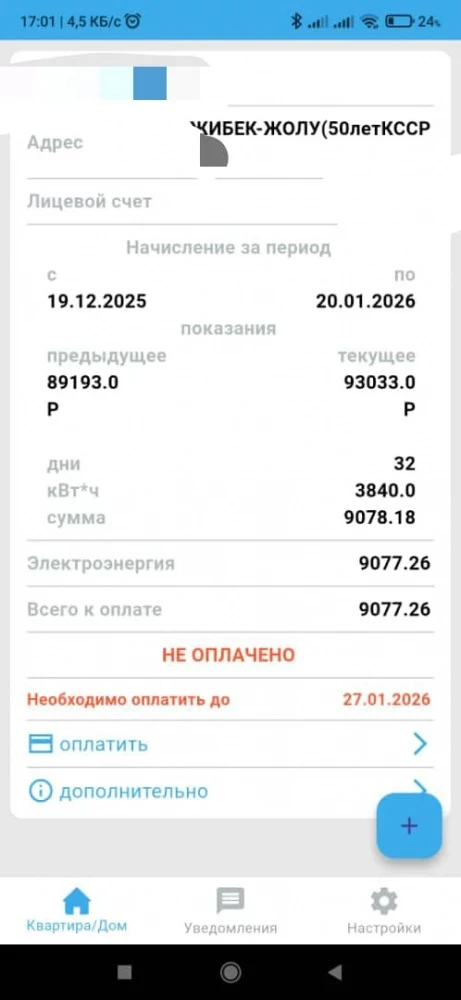
Some subscribers this year have also encountered incorrect meter readings. At the end of January, when bills started coming in, many noticed that they were significantly higher than in December.“I received a bill for 9,077 soms through the 'My Light' app. We have gas heating, and the meter readings did not match the figures on the bill. We contacted the inspector, and they recalculated, saying that due to the cold, the meter might have transmitted incorrect data. Many on the street had similar problems. If we hadn’t investigated, we would have just paid. Why wasn’t there a warning about possible failures?” shared a reader with Kaktus.media.
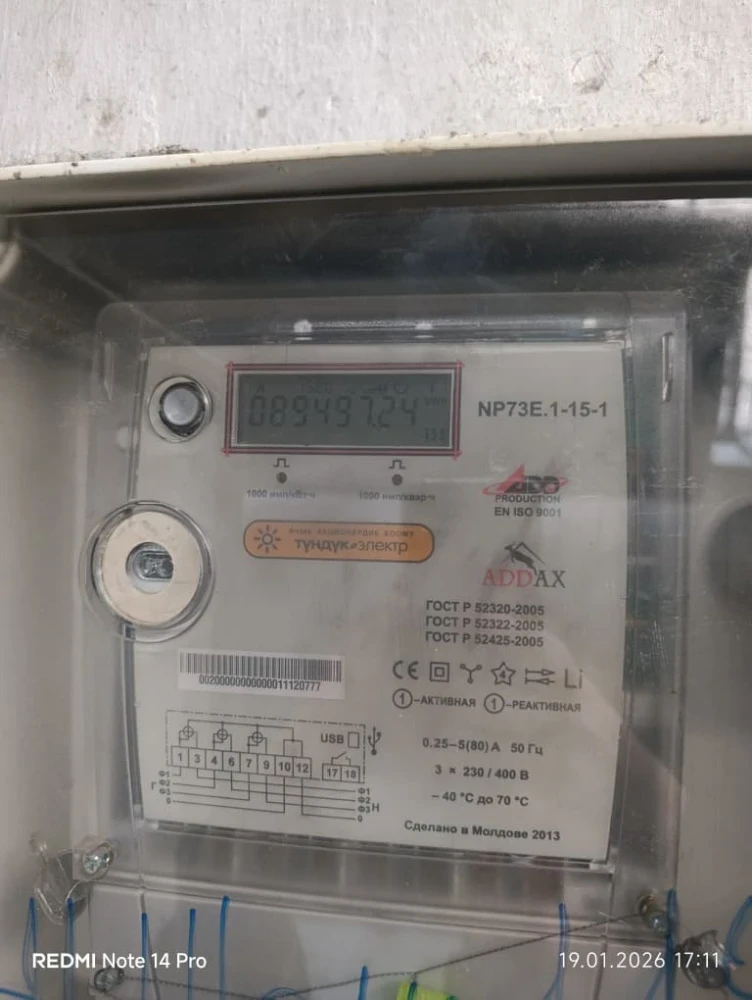
In the Open Joint Stock Company "NESC," it was reported that smart meters (automated commercial accounting systems) are certified and designed to operate at low temperatures. Low temperatures are not a reason for incorrect operation of the devices; however, possible failures cannot be ruled out.
The increase in charges during winter is usually associated with increased electricity consumption due to the use of electric heating devices and the duration of their operation.“In some cases, during temporary technical failures, data may be charged based on average monthly consumption with subsequent adjustments. This can create the impression of a sharp increase in charges. However, there have been no mass confirmed cases of incorrect operation of smart meters,” they added in the "National Electric Network".
In Conclusion
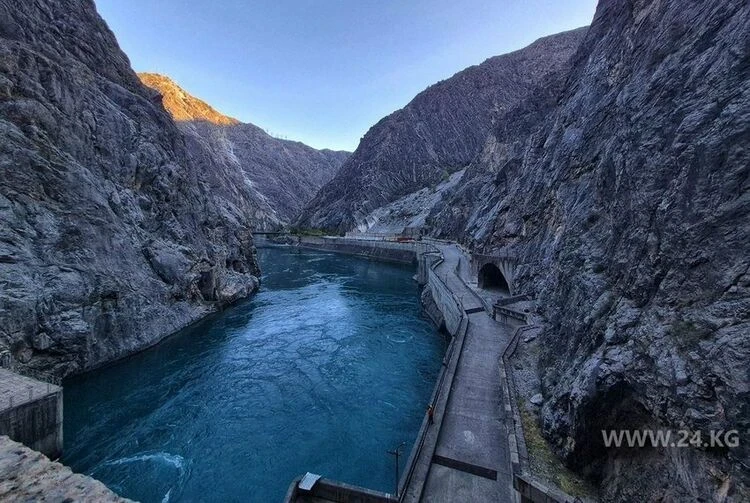
If it seems that the winter difficulties are already behind, this may be misleading. In mid-January, the government reported a decrease in the water level in the Toktogul reservoir to just over 9 billion cubic meters, which is 1.6 billion cubic meters less than last year.This necessitates that energy workers conserve the resources of the Toktogul reservoir — a key element of the country's energy system. Consequently, control over compliance with limits will be strengthened. Hope for an improvement in the situation remains — favorable weather, precipitation, and replenishment of the reservoir.