Rising Electricity Tariffs
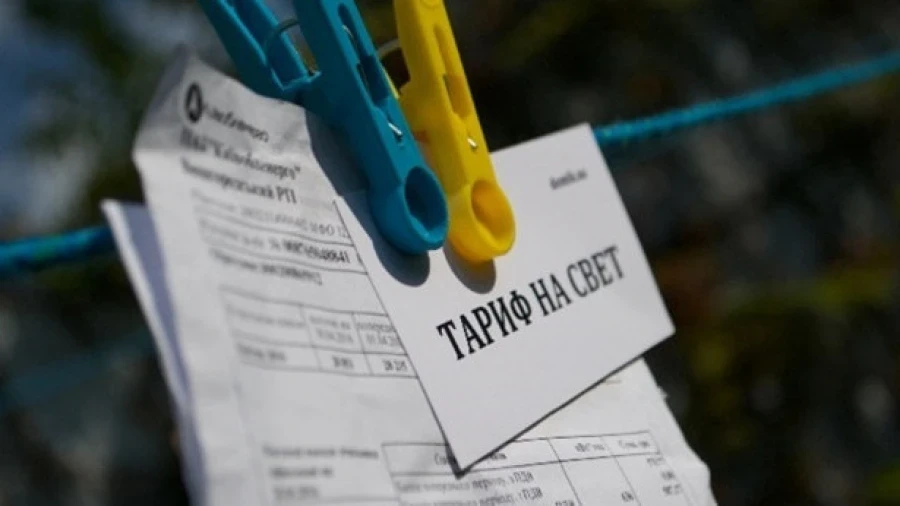
Starting May 1, 2025, electricity tariffs in Kyrgyzstan were raised again. The new prices are as follows:1. For households:
- For consumption up to 700 kWh, the tariff increased from 1.11 to 1.37 som/kWh (by 23.8%), with subsequent annual increases of 20%;
- For consumption over 700 kWh, the tariff rose from 2.39 to 2.60 som/kWh (by 8.5%).
Additionally, the Ministry of Energy decided that the standard annual tariff increases were insufficient. The agency now proposes to implement differentiated tariffs for three categories of consumers: "Electric Vehicle Charging Stations," "Industrial Consumers," and "Commercial Consumers." The cost of electricity will depend on the time of day; however, this is still just a proposal, and there have been no announcements regarding the implementation of new tariffs.
Power Outages and Restrictions During the Crisis
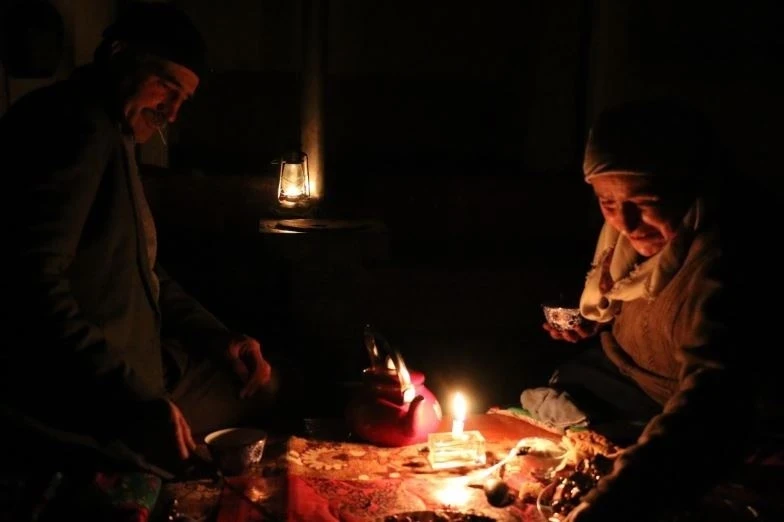
Despite two years of tariff increases, issues with electricity supply during the winter period continue to be a concern. The lack of capacity in the energy sector is particularly acute with the onset of cold weather, and 2025 was no exception.The situation became critical as early as September when Energy Minister Talaybek Ibraev reported low water levels in reservoirs. He stated that the upcoming winter would be extremely challenging. This announcement triggered a wave of complaints from residents of villages about regular power outages. The Chui Electric Networks Company later reported temporary regulatory measures due to equipment repairs.
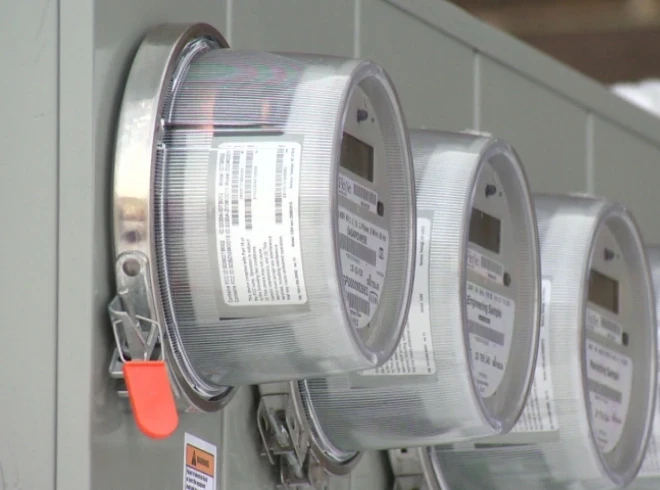
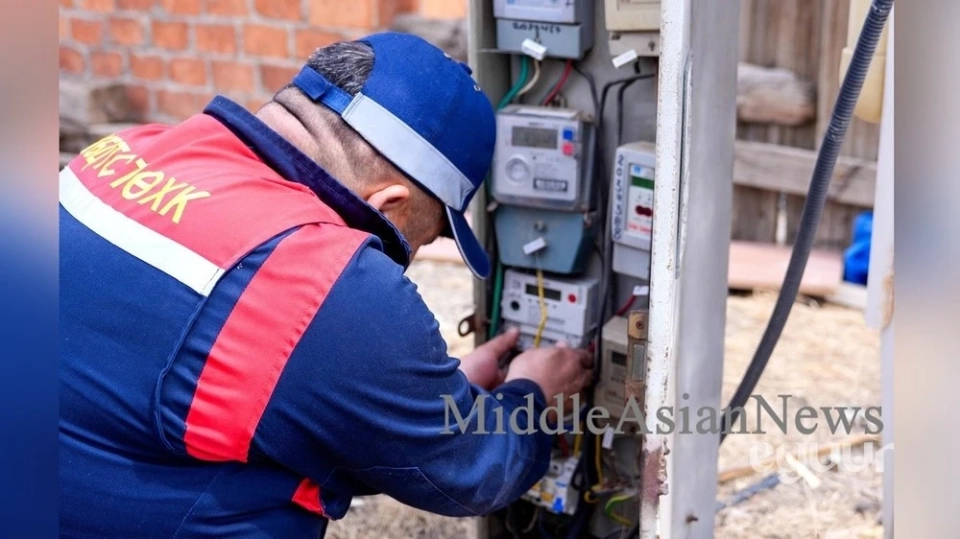
By November, the situation worsened, and energy companies reduced the capacity of electricity meters by half. In response to mass complaints, they only acknowledged this later. At the same time, commercial entities were prohibited from turning on outdoor lighting and using it altogether.
In early November, the government introduced additional measures to conserve electricity, banning lighting in government buildings after 6 PM, which also affected schools. They were switched to energy-saving mode. The head of the State Committee for National Security, Kamchybek Tashiev, banned evening events in cafes and restaurants after 10 PM, which prompted active actions from local authorities. However, President Sadyr Japarov intervened and called for moderation in such measures, leading to a softening of requirements for businesses.
Despite all the difficulties, Energy Minister Talaybek Ibraev asserted that there is no energy crisis in the country and urged citizens not to panic, citing experience in overcoming similar situations.
As of now, no new energy-saving measures have been introduced. Due to warm weather, consumption remains stable, but it is unclear what might happen in the event of severe cold.
Constructed and Modernized Power Plants
Despite the challenges, new energy capacities continue to be built in the country. While most large projects are in the development stage, small stations are already being commissioned.In 2025, Kaktus.media reported the launch of the following power plants:
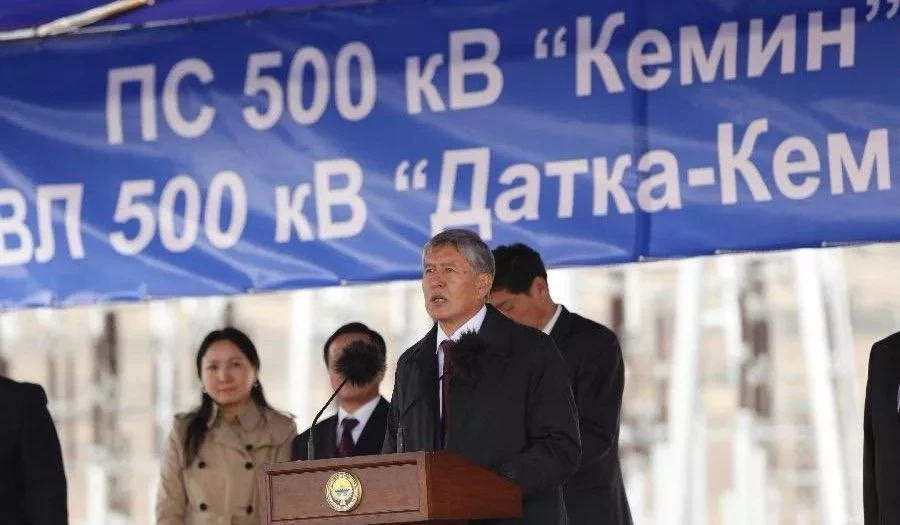
- On December 24, President Sadyr Japarov opened the first solar power plant with a capacity of 100 MW in the Kemin district, with investments of $56 million;
- A small hydropower plant "Shamshy" began operations in the Chui region, for which the Russian-Kyrgyz Development Fund allocated $1 million;
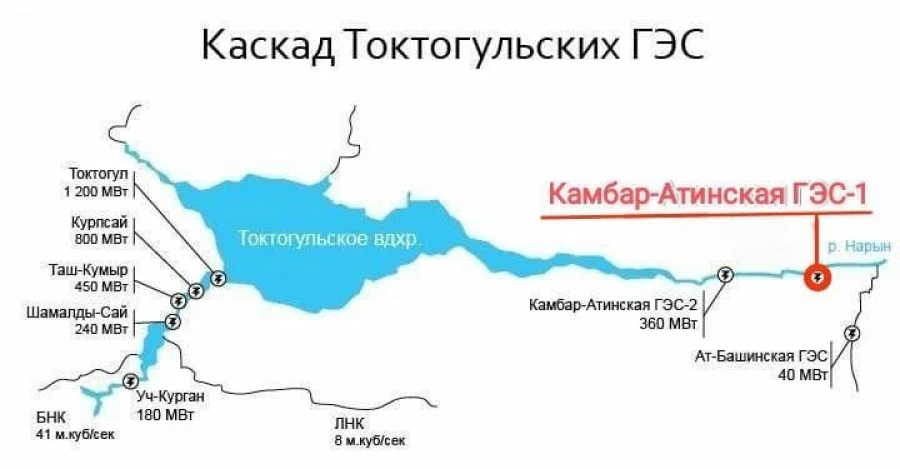
- Reconstruction of hydro units at the Toktogul and Uch-Kurgan hydropower plants was completed, increasing the capacity of the Toktogul hydropower plant from 1,200 to 1,440 MW;
- The Kara-Kul hydropower plant, equipped with two hydro units with a total capacity of 18 MW, was commissioned by a domestic investor for $25 million;
- In anticipation of Independence Day, hydropower plants "Ysyk-Ata-2" in the Ysyk-Ata district and on the Boz-Uchuk River were completed.
Status of the Kambar-Ata-1 Project
The construction of the Kambar-Ata-1 Hydroelectric Power Plant has become a key energy project for 2025. The attempt to launch the project began in 2020, and since then Kyrgyzstan has been actively discussing financing for the large-scale construction with neighboring countries and donors.The master plan for the Kambar-Ata-1 Hydroelectric Power Plant includes a dam, a power plant building with four hydro units, spillway structures, transport tunnels, a residential complex, and reservoir sites. Construction is expected to take nine years, with the first hydro unit to be commissioned in seven years, provided there is continuous funding. The construction of the 256-meter-high dam is considered the most challenging part of the project.
In January 2023, the energy ministers of Kyrgyzstan, Kazakhstan, and Uzbekistan signed an agreement on the Kambar-Ata-1 Hydroelectric Power Plant. In June 2024, the three countries signed a memorandum on the joint implementation of the project and established a Coordinating Donor Committee.
In 2025, an updated feasibility study for the project was presented; however, its actual cost remains unknown. In October of last year, it became known that the European Union would allocate $2.4 billion for the implementation of the project for Kyrgyzstan, Uzbekistan, and Kazakhstan as part of the Global Gateway forum held on October 9-10, 2025, in Brussels. In December, President of Uzbekistan Shavkat Mirziyoyev announced the start of project financing in 2026.