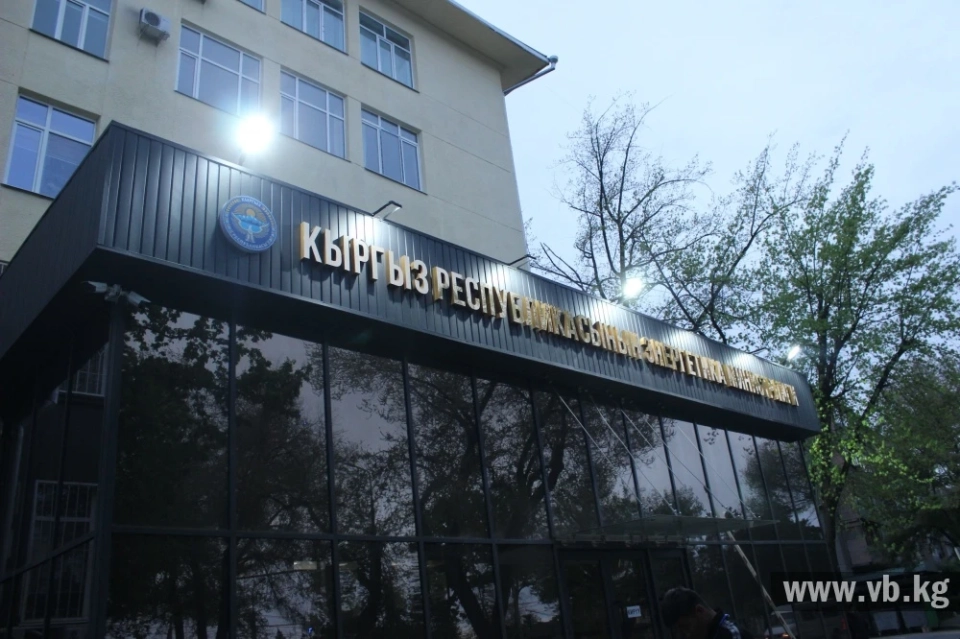
The Ministry of Energy has presented for discussion a draft resolution concerning "Amendments to Resolution No. 227 dated April 24, 2025," which establishes the Medium-Term Tariff Policy for electricity for the period from 2025 to 2030. The main goal of these changes is to improve the reliability of electricity supply and mitigate peak loads.
According to information from the initiators, the energy system of Kyrgyzstan has been facing limitations in generating capacities and a persistent electricity deficit in recent years, especially during the autumn-winter period. Energy companies report the highest peak loads occurring in the morning from 07:00 to 10:00 and in the evening from 17:00 to 20:00. This necessitates the involvement of additional generating capacities, accelerates equipment wear, and increases operating costs. As a result, an uneven electricity consumption schedule is formed, complicating the stable operation of the energy system.
Given the ongoing electricity deficit, during the winter period, energy companies are forced to impose restrictions on the permitted capacity for certain categories of consumers, for example, reducing the limit from 5 kW to 3 kW during peak load hours. This negatively affects their ability to provide consumers with the necessary volumes of electricity, requiring additional measures to regulate consumption.
To cover the electricity deficit, it is necessary to resort to imports from neighboring countries, which increases the financial burden on energy companies. In 2024, the import volume was 3.84 billion kWh, and for 2025, it is planned to be 3.8 billion kWh.
The main problems of the energy system include:
- high load during peak consumption hours;
- uneven electricity consumption schedule;
- insufficient own generating capacities;
- increasing electricity deficit and costs to cover it.
The Cabinet of Ministers' resolution dated April 24, 2025, No. 227 establishes the Medium-Term Tariff Policy for electricity in Kyrgyzstan for 2025-2030 (MTTP). This policy implies an annual adjustment of electricity tariffs for the population consuming up to 700 kWh per month by 20%, for industrial and commercial consumers in accordance with the actual inflation of the previous year, and for other groups at the level of actual inflation plus 3.5%. The implementation of the MTTP aims to eliminate the cash deficit in the energy sector by the end of 2030.
According to the current version of the MTTP, differentiated tariffs by time of day apply only to the "Population" group that has automated accounting systems (AAIS). The following coefficients are established:
- for the night zone (from 00:00 to 06:00) — 0.5;
- for the day zone (from 06:00 to 00:00) — 1.5;
- for peak hours (from 07:00 to 10:00 and from 17:00 to 20:00) — 2.0.
To enhance load management efficiency in the energy system, the draft resolution proposes to introduce differentiated tariffs for the groups "Electric Vehicle Charging Stations," "Industrial Consumers," and "Commercial Consumers," provided they have accounting devices that record consumption by time zones (AAIS). These consumer groups are characterized by high energy consumption levels and significant influence on peak load formation.
The draft also proposes to change the consumption zone coefficients for a more accurate reflection of the economic feasibility of tariffs. Thus, the coefficient for the night zone will be increased from 0.5 to 0.75, the day zone coefficient will be reduced from 1.5 to 1.0, while the coefficient for peak hours will remain at 2.0.
As a result of these changes, the coefficients will look as follows:
- coefficient for the night zone (from 00:00 to 06:00) — 0.75;
- coefficient for the day zone (from 06:00 to 00:00) — 1.0;
- coefficient during peak hours (from 07:00 to 10:00 and from 17:00 to 20:00) — 2.0.
These changes will help adjust tariff ratios and maintain an incentive effect for consumers who shift their load to nighttime hours, as well as ensure a more equitable distribution of electricity costs across different time intervals.
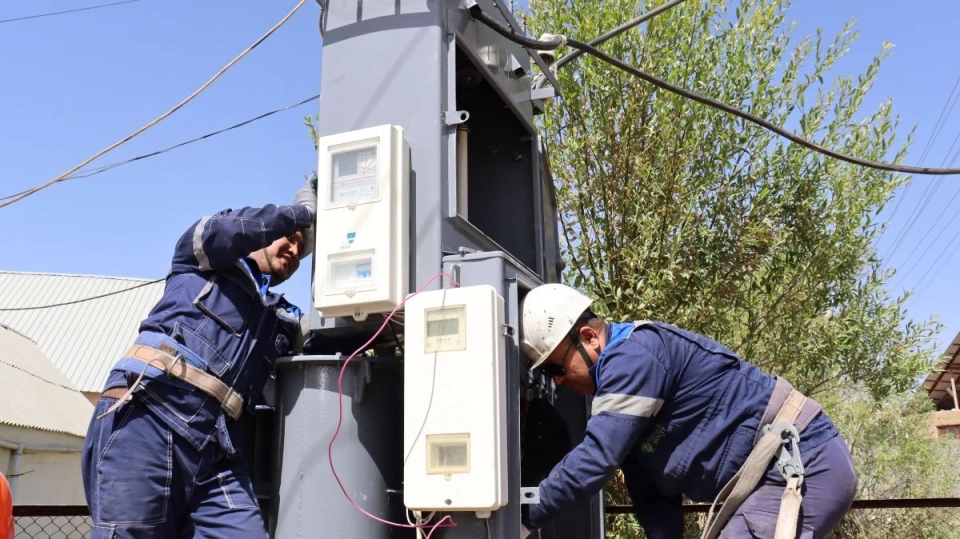
The implementation of this project aims to reduce the load during peak consumption hours, smooth out the electricity consumption schedule, enhance the stability of the energy system under limited generating capacities, and create incentives for modernizing electricity accounting systems and implementing AAIS. However, it should be noted that the application of these tariffs will only be possible if there is technical capability on the part of electricity supply organizations and on a voluntary basis for consumers.