Every year, electricity consumption in Kyrgyzstan is increasing. The deficit is covered by imports from neighboring countries. According to the Ministry of Energy, in 2025, electricity consumption amounted to 19.3 billion kWh, while 15.4 billion kWh was produced in the republic, and the remaining 3.8 billion kWh was imported.
Hydropower is the backbone of the country's energy sector; however, its operation depends on water levels, especially in winter, leading to electricity shortages and the need for imports. Although the infrastructure is outdated, Kyrgyzstan has significant potential for the development of hydropower and "green" energy.

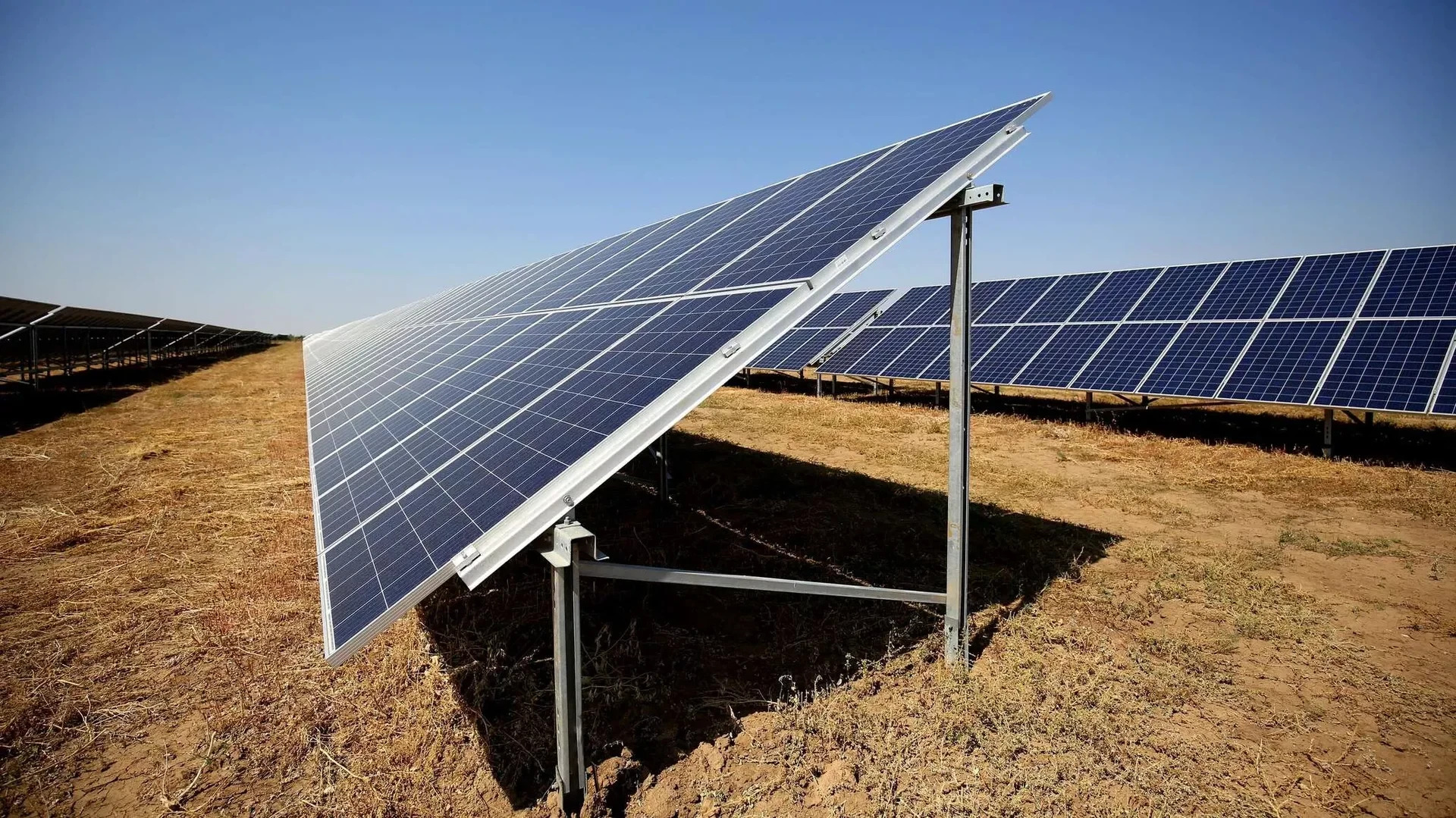
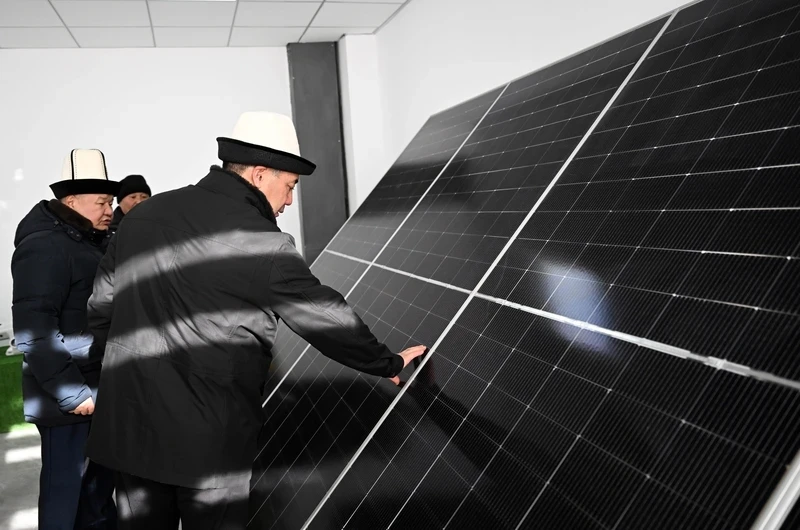
“The launch of the solar power plant is an important step towards the energy independence of our country and the development of renewable energy sources,”
— emphasized Sadyr Japarov. — “We have realized that without actively developing renewable energy sources, it is impossible to provide the population and the economy with stable electricity supply.”
In January of this year, a meeting was held at the Ministry of Energy to discuss plans for 2026, including the commissioning of new power plants.
In the coming months, the construction of solar power plants in the Issyk-Kul region is expected to be completed and put into operation. Ularbek Duysho uulu, Deputy General Director for Commercial Affairs of the National Electric Network of Kyrgyzstan, reported this to the Kabar agency.
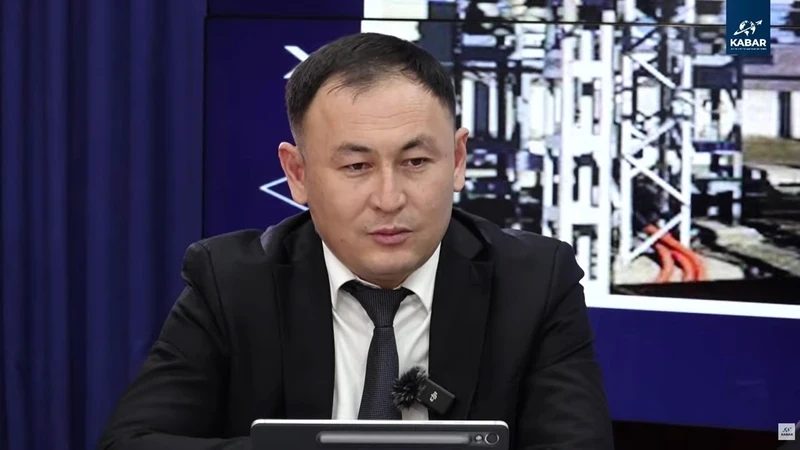
“The solar stations in the Issyk-Kul region will be completed in the coming months, and we plan to launch them this year. These projects will help us reduce the electricity deficit,” he noted.Emilbek Orozbaev, Director of the Green Energy Fund, also spoke about plans to commission high-capacity solar power plants in 2026, aimed at developing "green" energy and increasing the share of renewable sources in the country's energy balance.

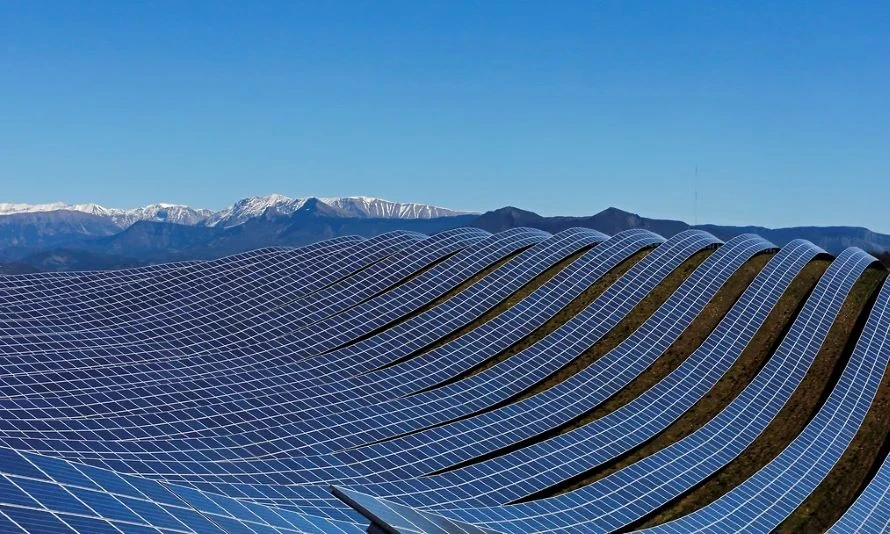
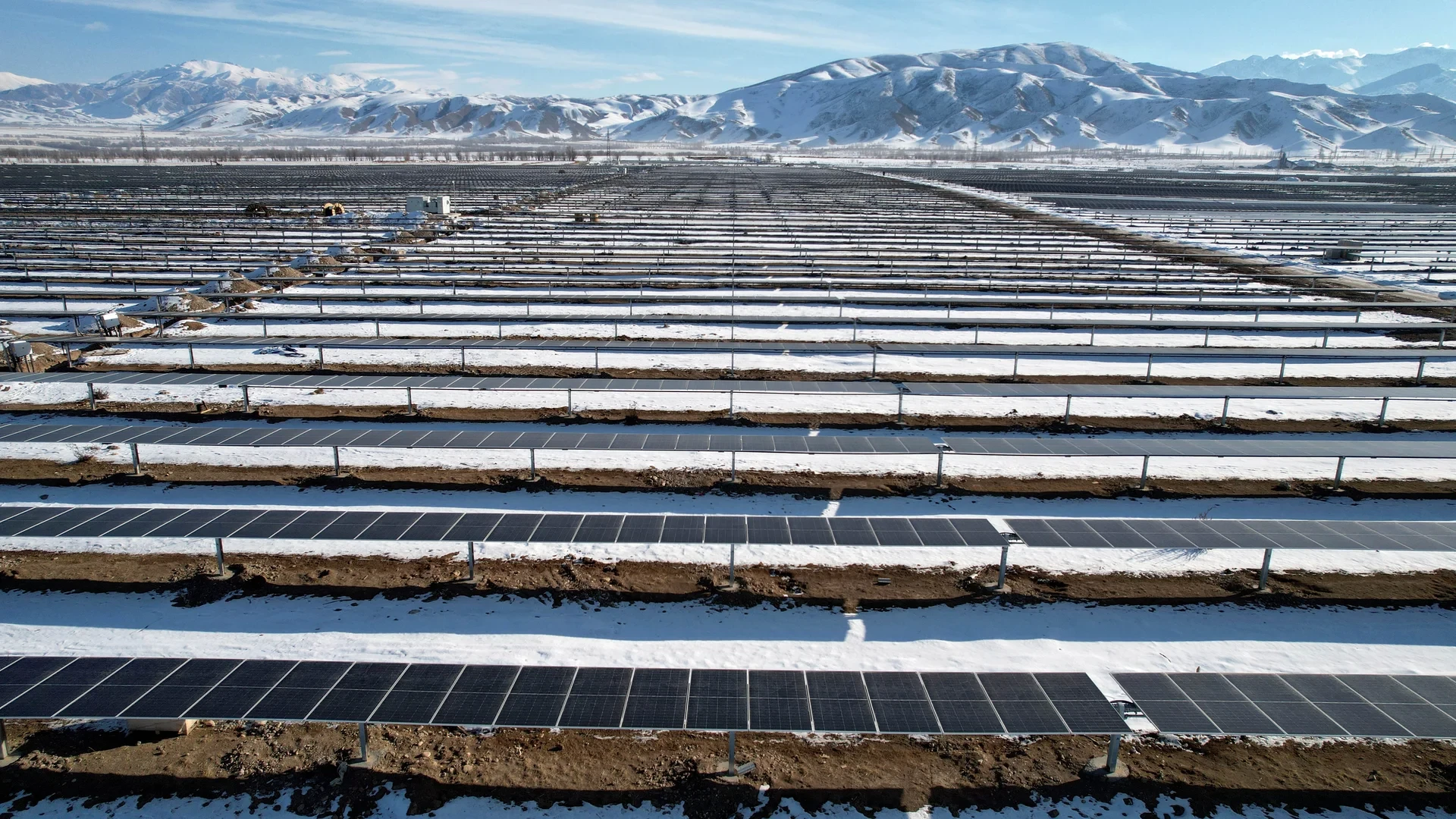
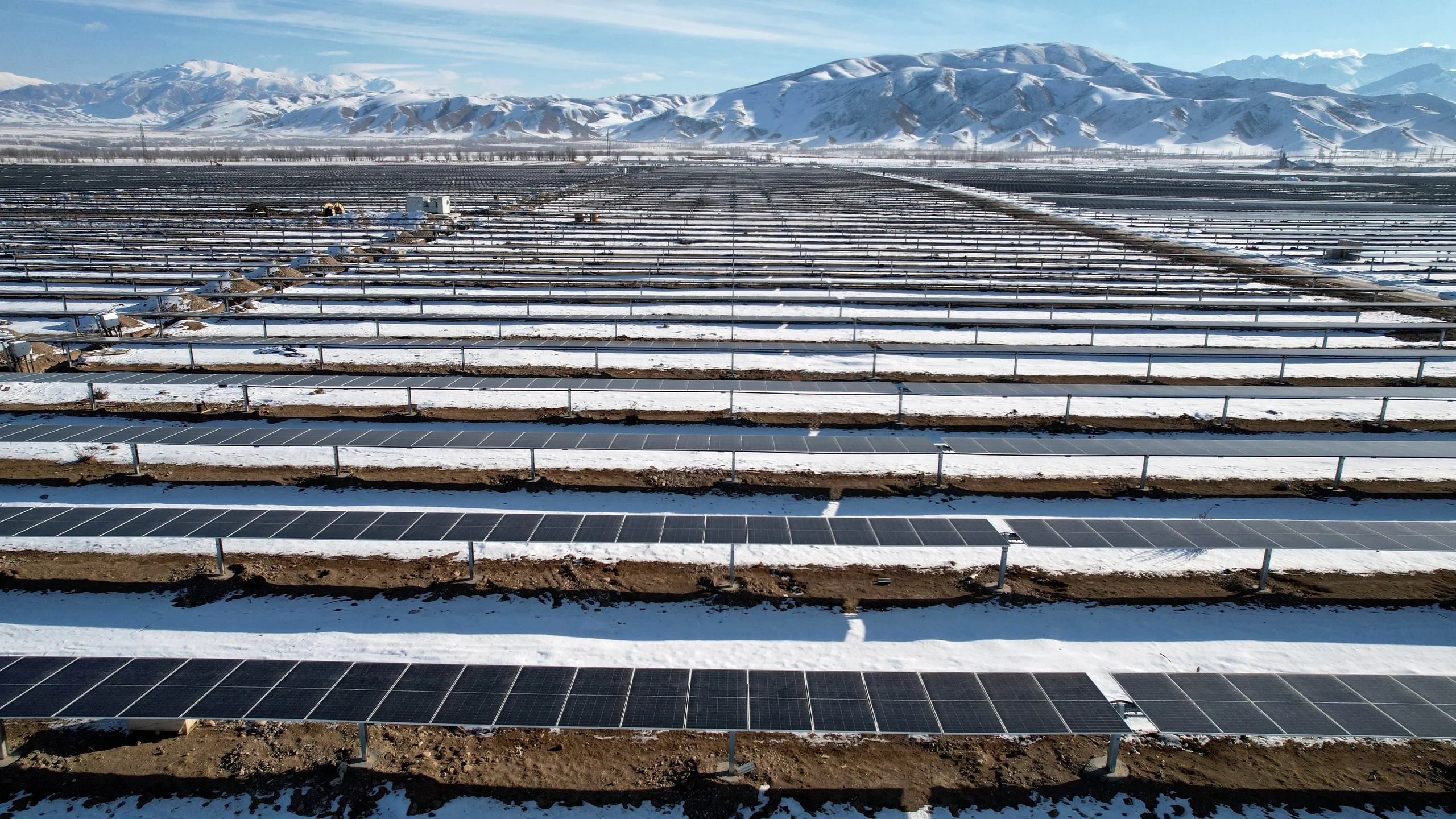
The company Reca LLC is building a solar power plant with a capacity of 1900 MW in the village of Kyzyl-Oruk in the Issyk-Kul district. The first phase, with a capacity of 150 MW, is scheduled to launch in April 2026.
Another project is being implemented by Bishkek-Solar LLC in the village of Toru-Aygyr, where a solar station with a total capacity of 300 MW is planned, with the first phase of 100 MW to be commissioned in August 2026.
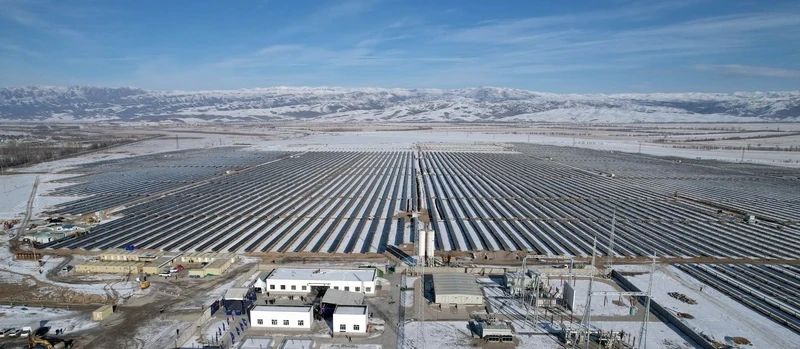
“These projects will reduce dependence on traditional energy sources, increase the production of clean electricity, and ensure stable electricity supply. Earlier, the Ministry of Energy reported plans to modernize electrical networks and repair transformers, which, combined with the development of solar energy, will help meet the growing energy needs of the country and strengthen energy security,” said Emilbek Orozbaev.The launch of new stations will also create opportunities for the development of green tourism and the renewable energy industry, attracting investments and implementing modern technologies in Kyrgyzstan's energy sector.
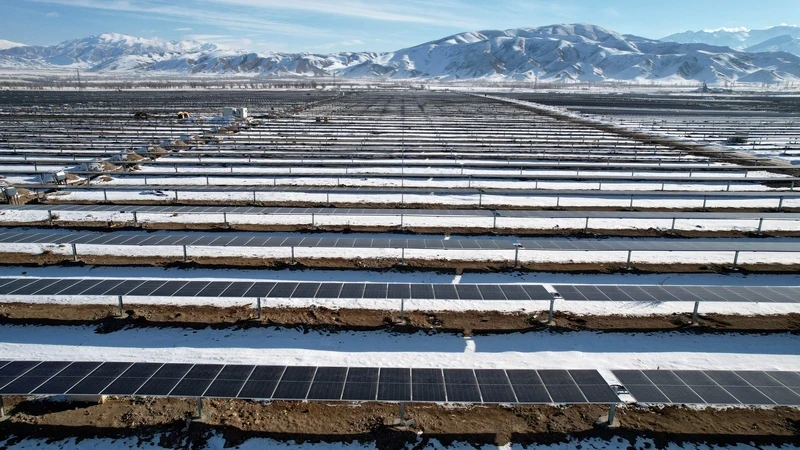
According to the national energy strategy, by 2030-2035, the share of renewable sources (excluding large hydropower) should significantly increase in the country's energy balance, with solar energy becoming the second most important source after hydropower. The potential for solar energy in Kyrgyzstan is tens of gigawatts, which significantly exceeds existing capacities.
These factors indicate the country's active movement towards a more sustainable, environmentally friendly, and energy-efficient energy system.