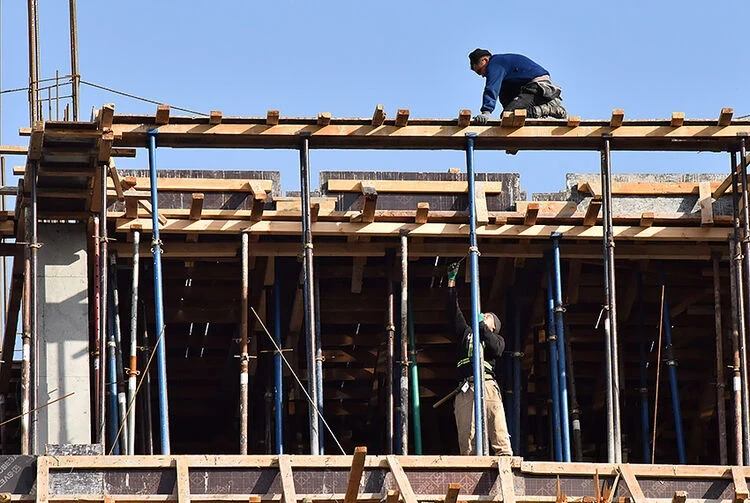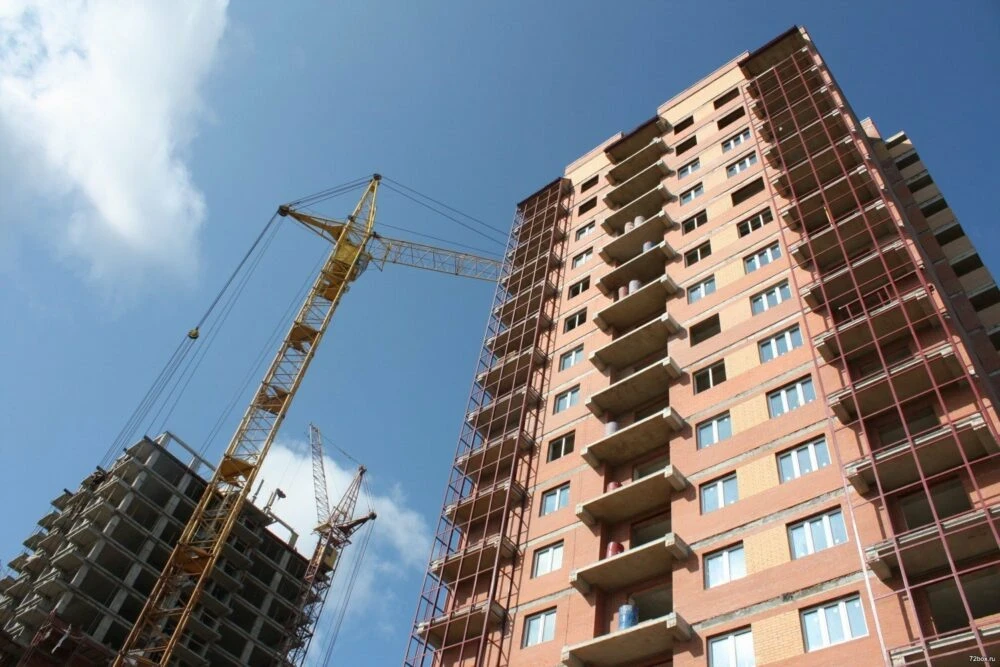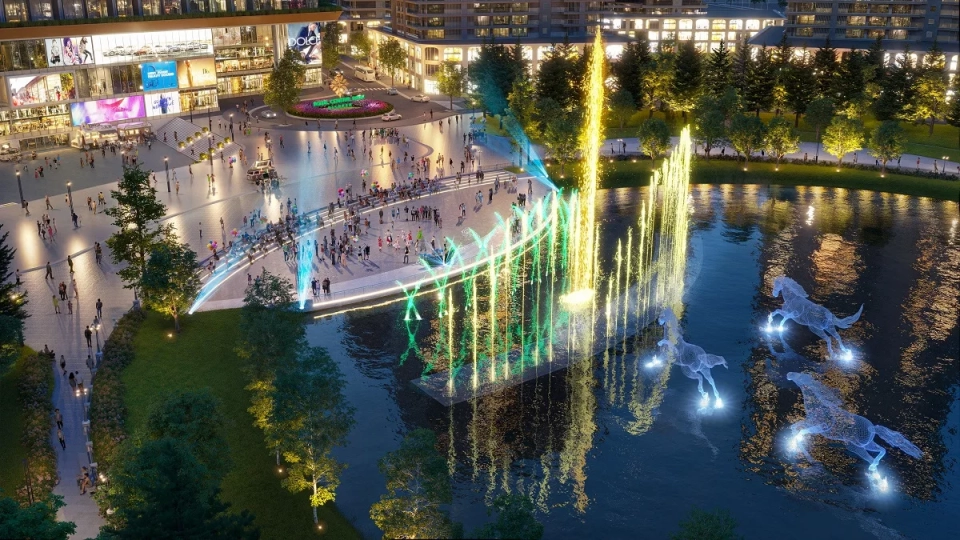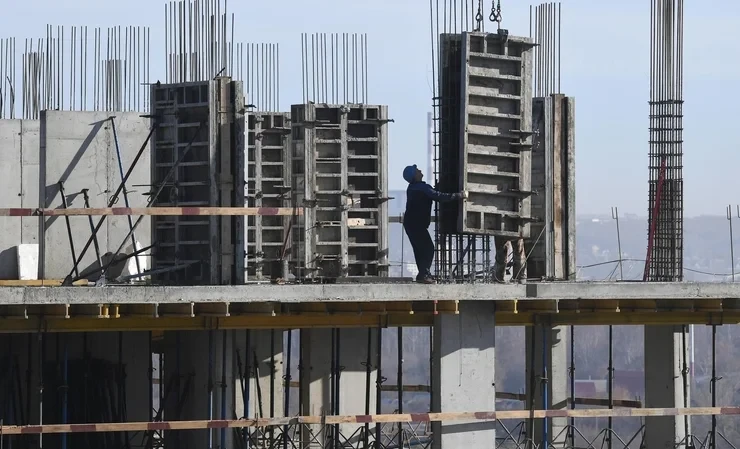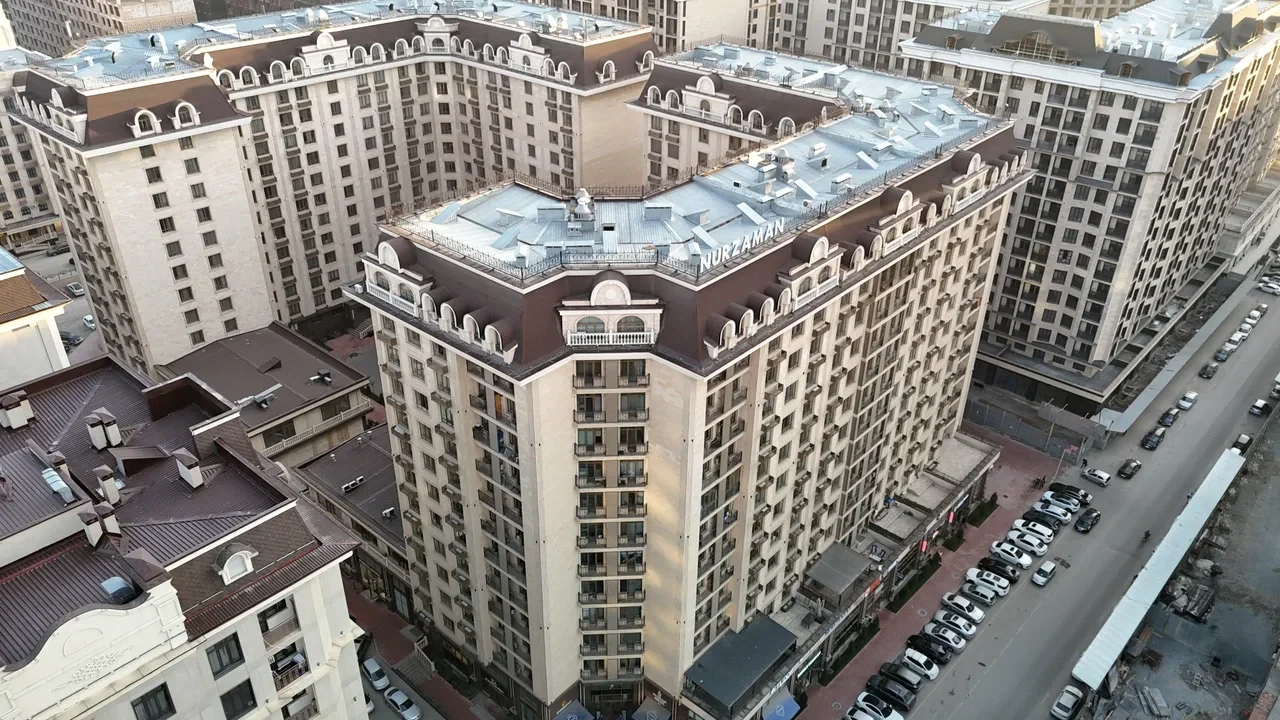
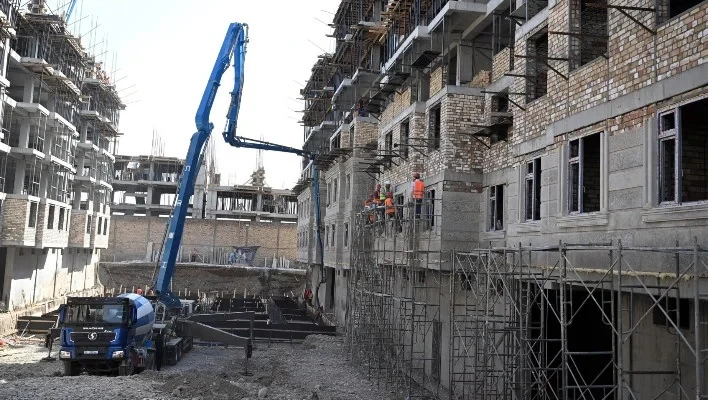
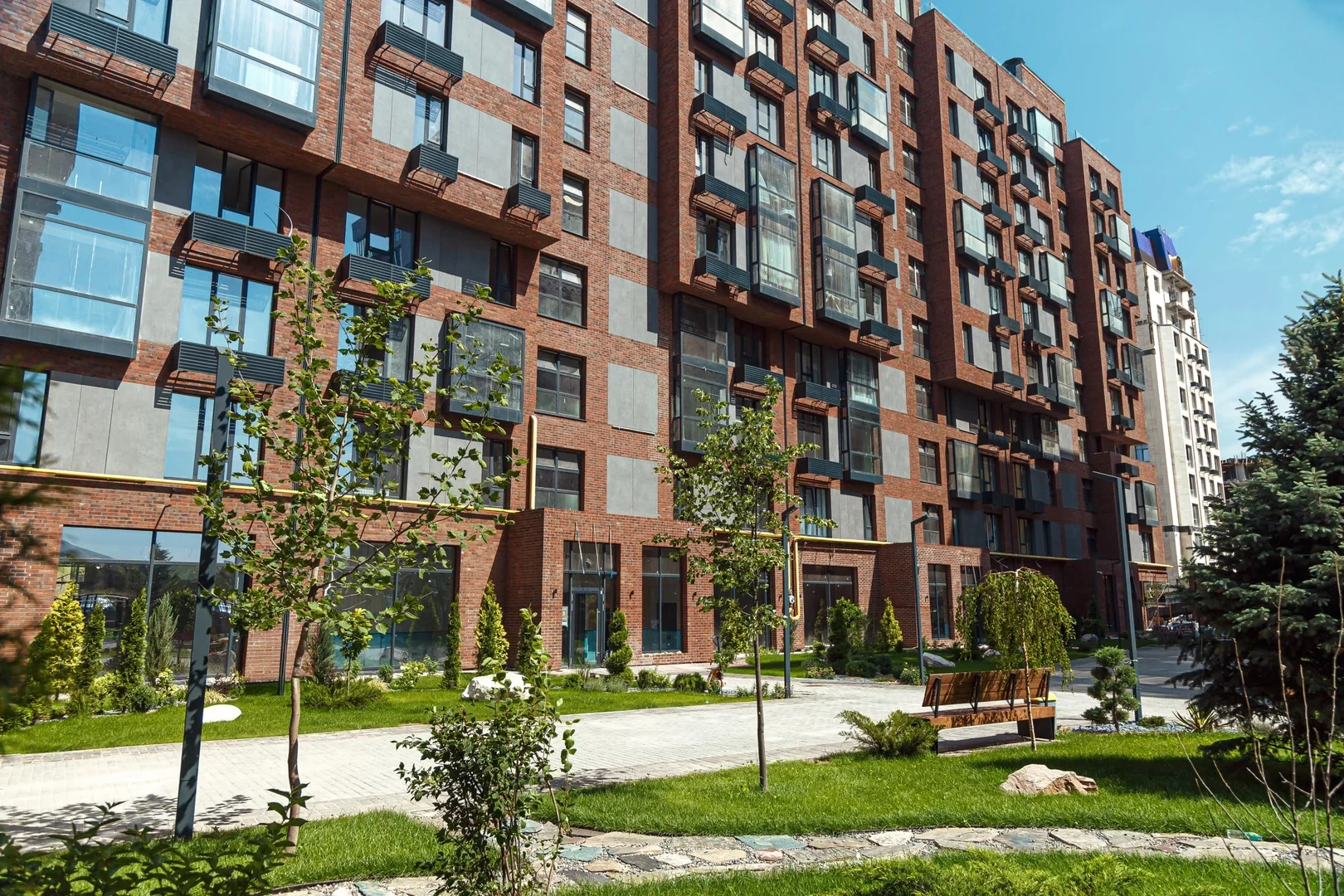
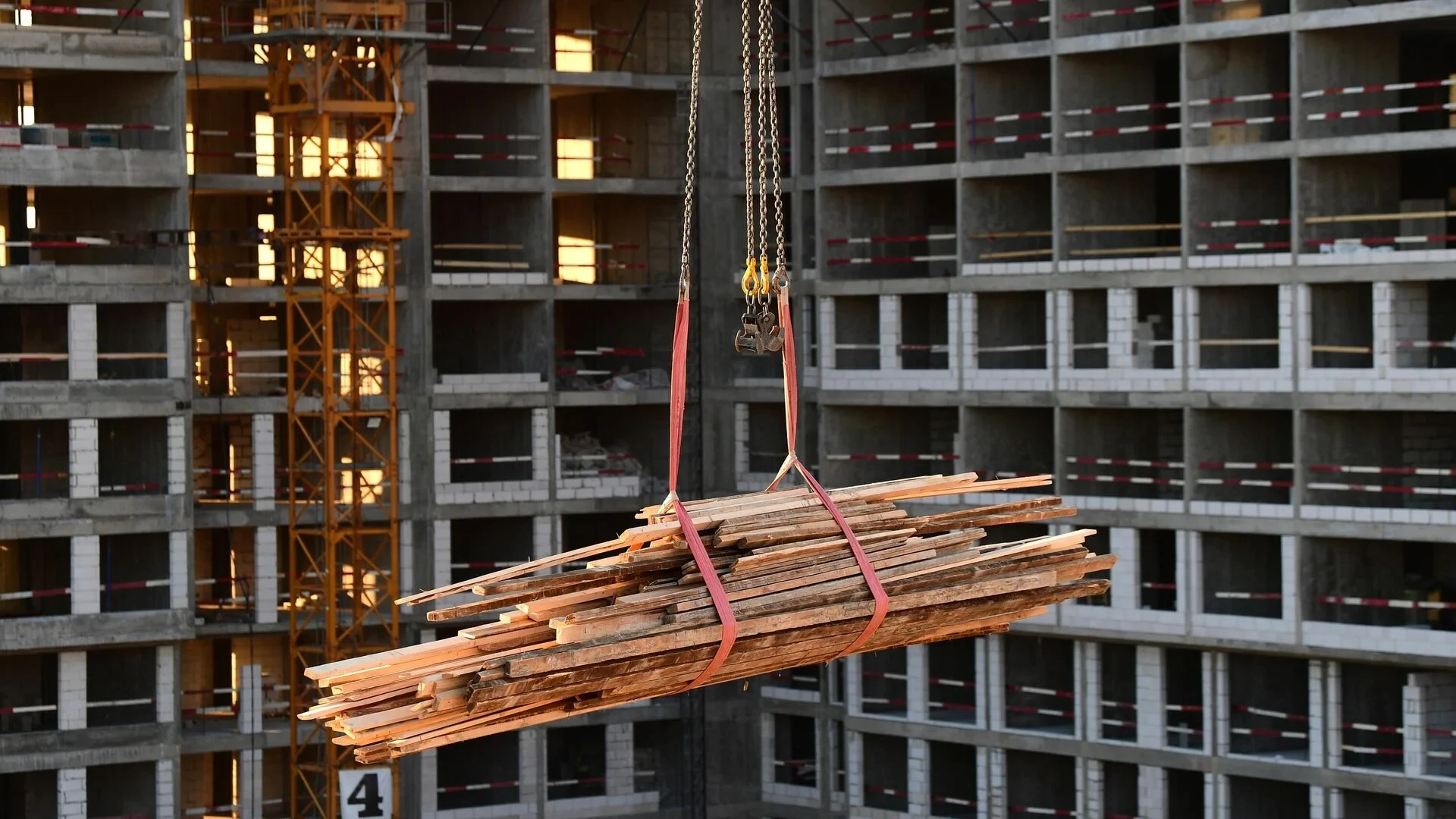
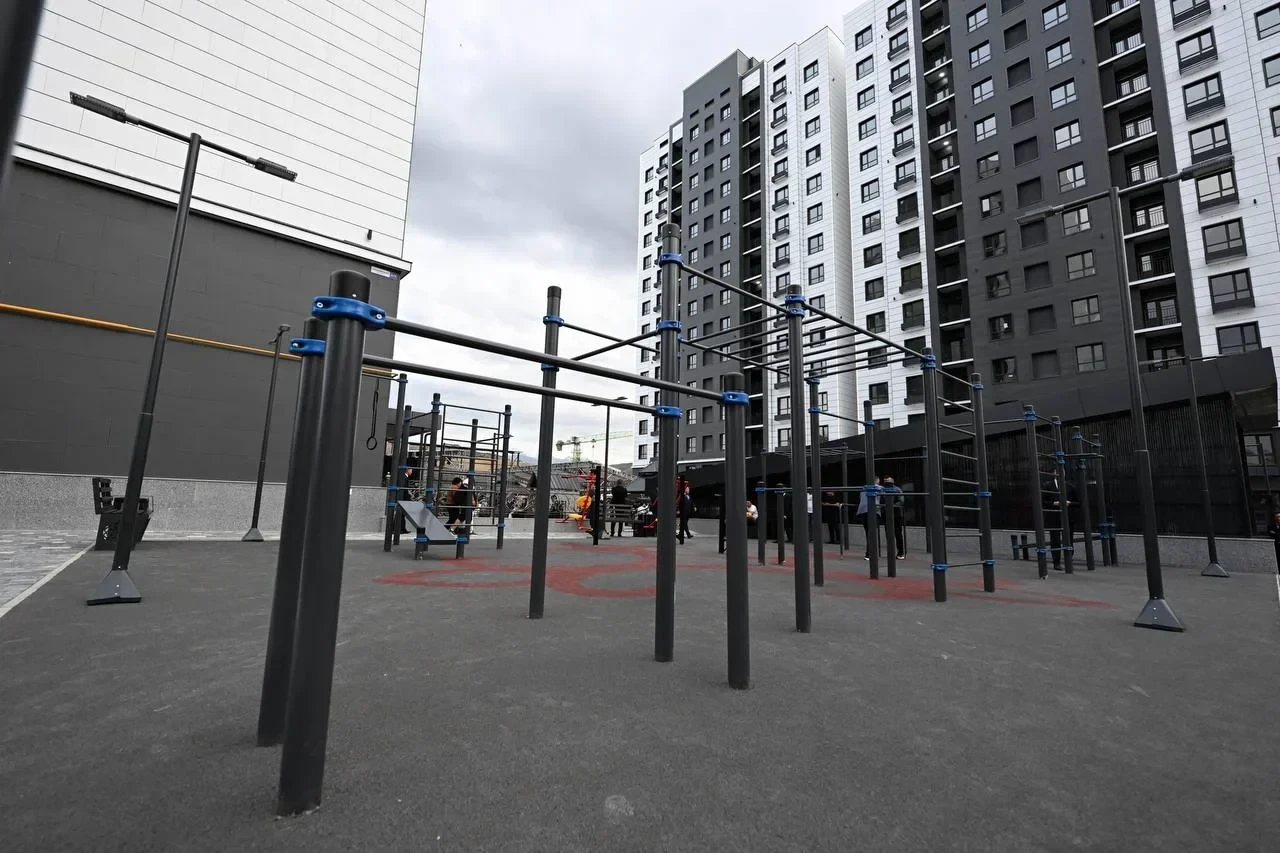
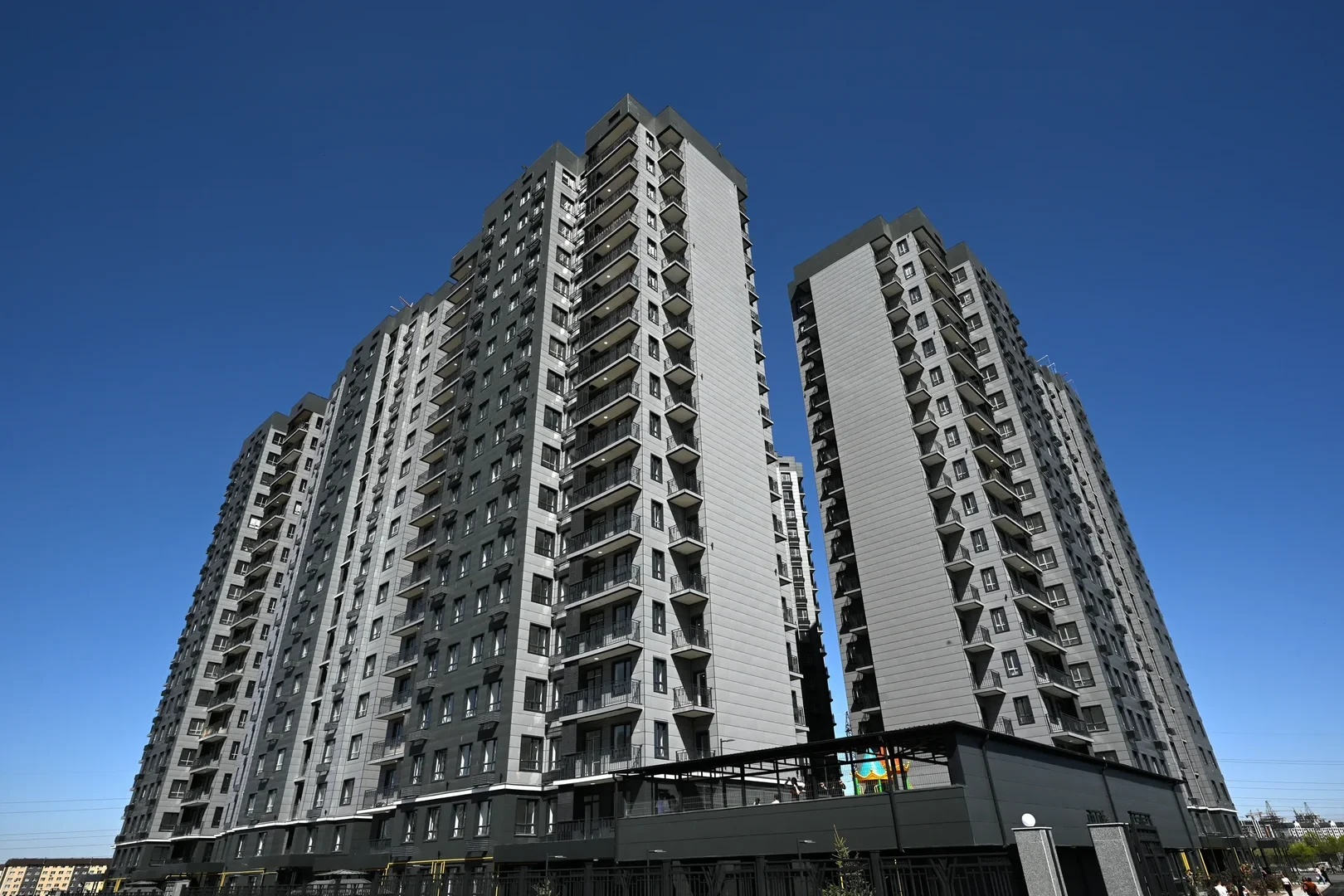
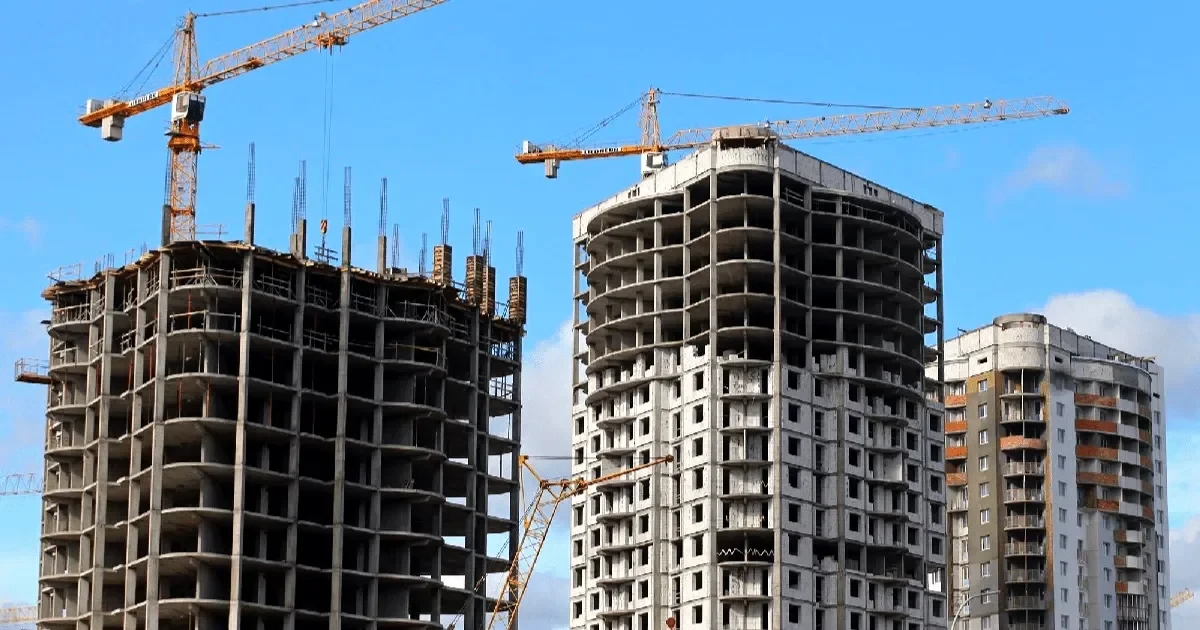
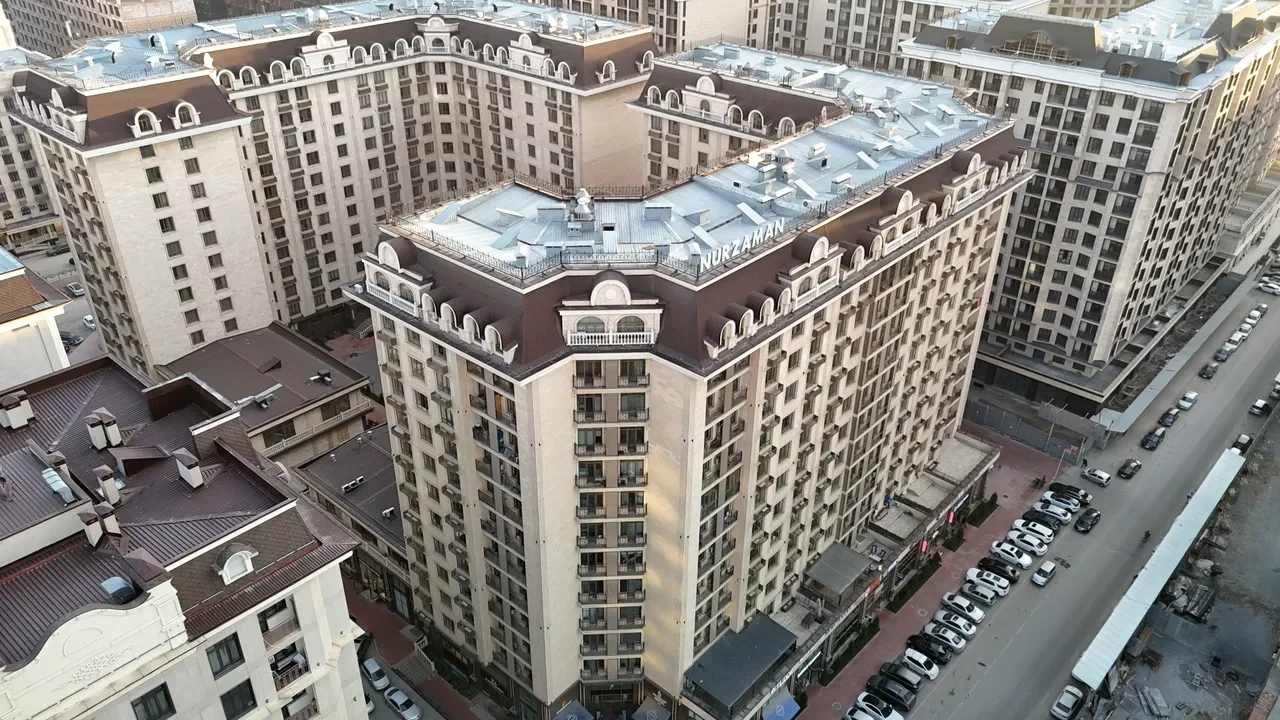
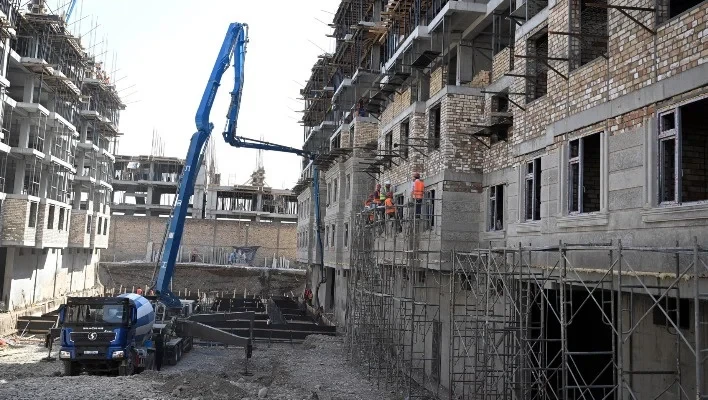
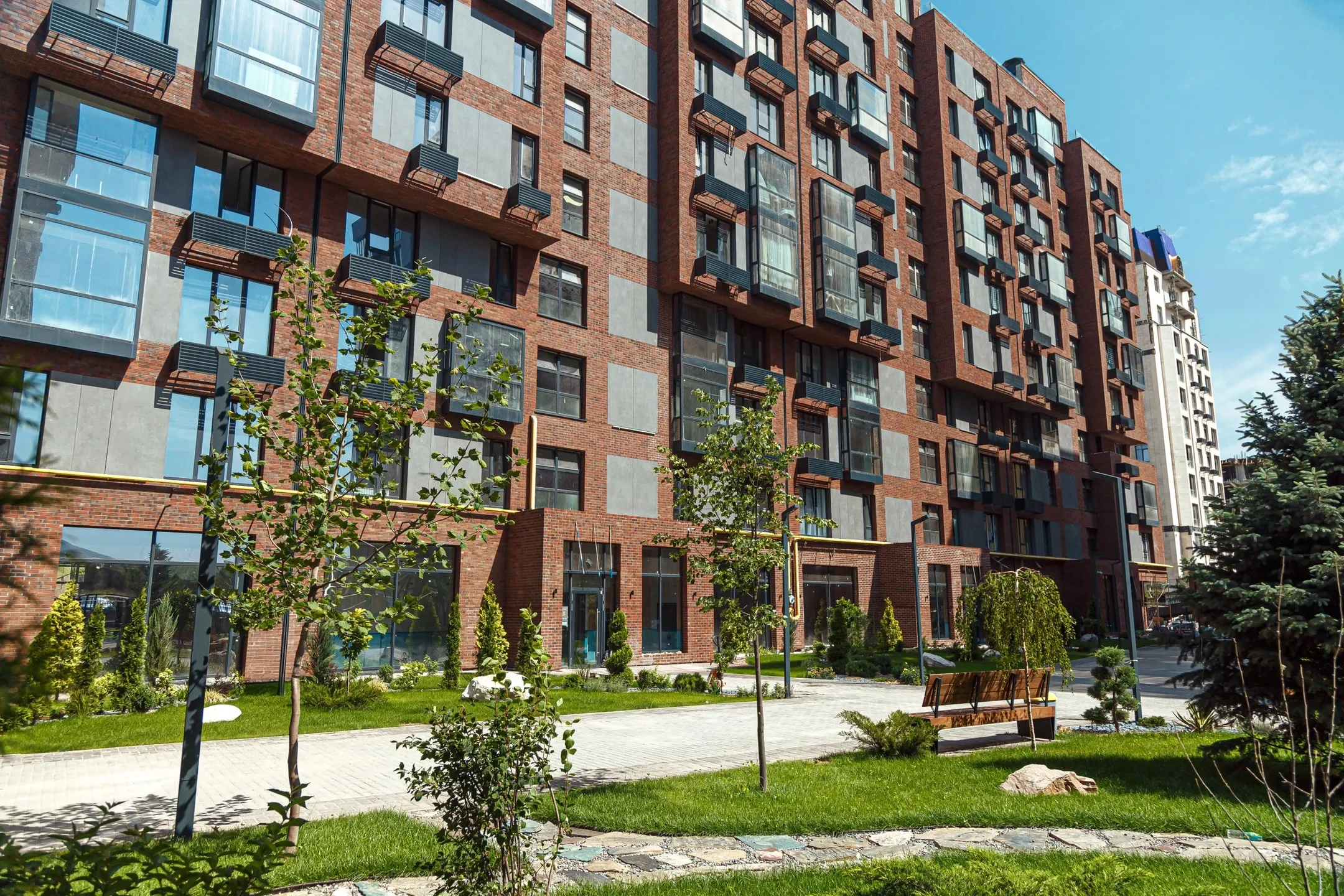
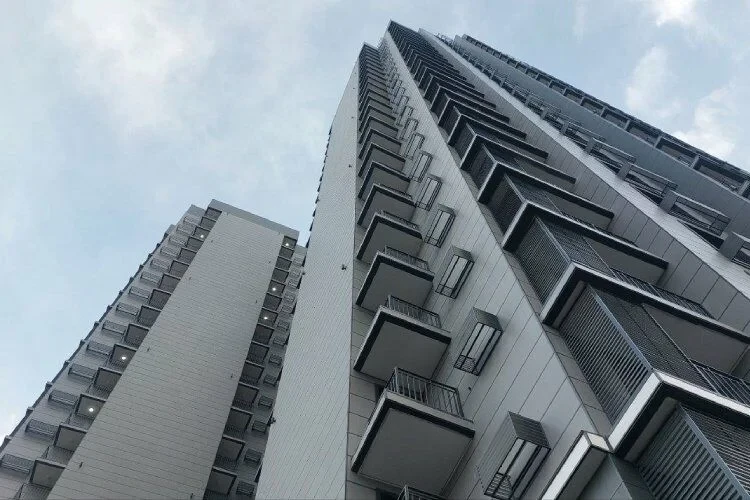
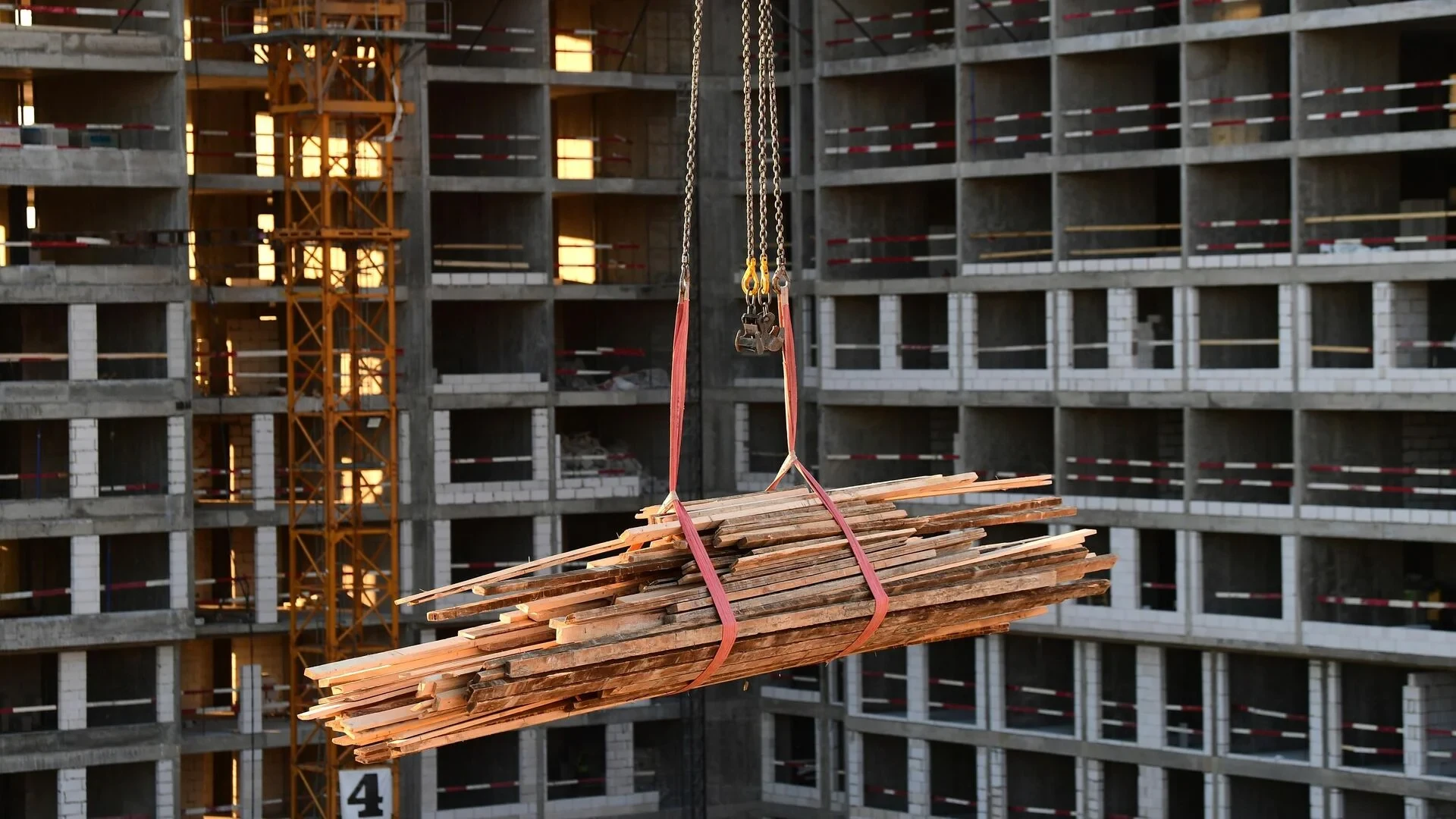
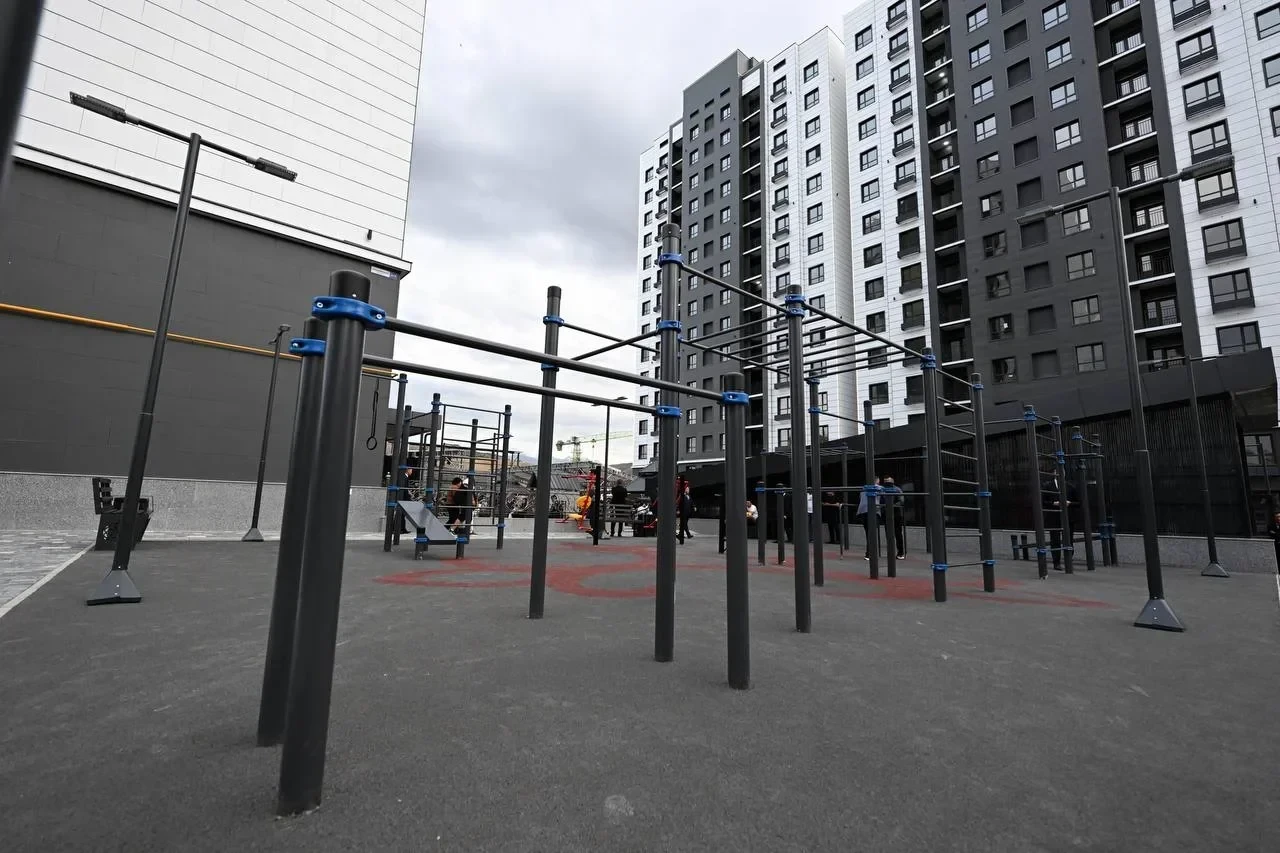
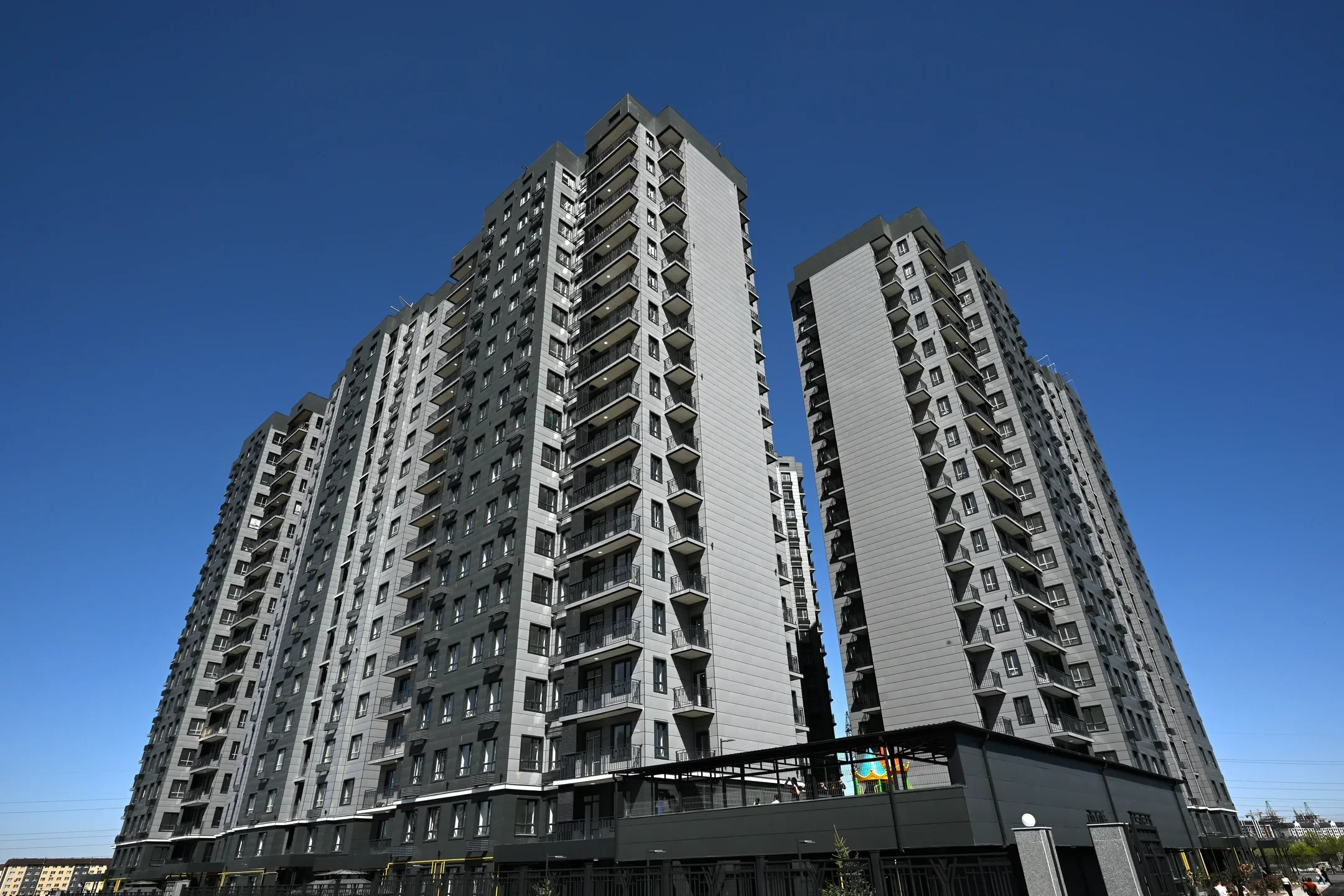
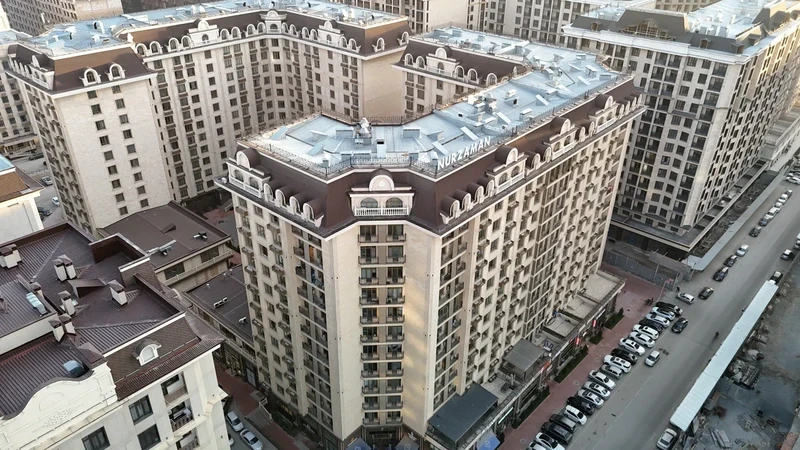
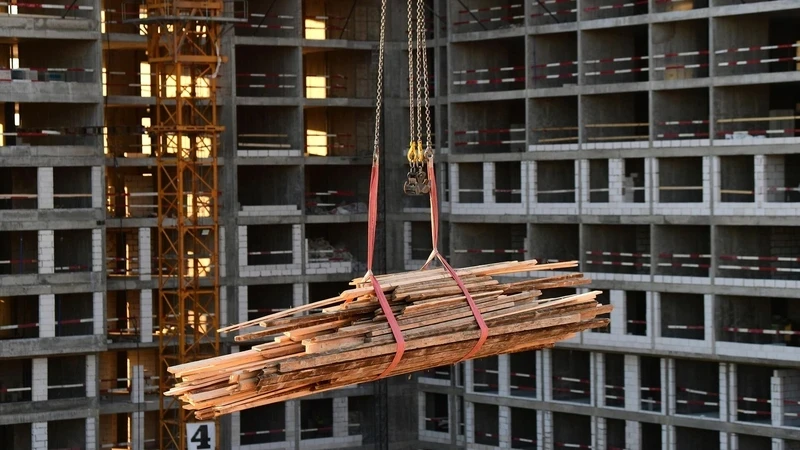
In Bishkek, between 100 to 200 residential complexes are actively under construction, which amounts to tens of thousands of apartments.
Currently, about 17,400 apartments are being built, and by the end of 2026, the completion of more than 120 residential complexes is planned. In total, the country has registered 3,720 objects, of which 2,257 were commissioned in 2025.
The most active construction is taking place in the southern and southeastern districts of the capital, as well as in the Lenin district, where multi-story buildings are being erected. The Pervomaisky district is characterized by medium-rise construction, while the Sverdlovsk and Oktyabrsky districts are seeing an increase in spot projects.
The Ministry of Construction notes that the new general plan for the city emphasizes multi-story construction specifically in these areas. In the regions, the predominant housing is of the economy class, accounting for about 90-95%, while business class is found in a few projects, and elite housing is virtually absent. In Bishkek, 80-90% of the market is occupied by economy and comfort classes, 10-15% by business class, and less than 5% by elite housing.
On average, about 1.8 million square meters of housing are commissioned annually in the country, with 70-80% consisting of individual constructions.
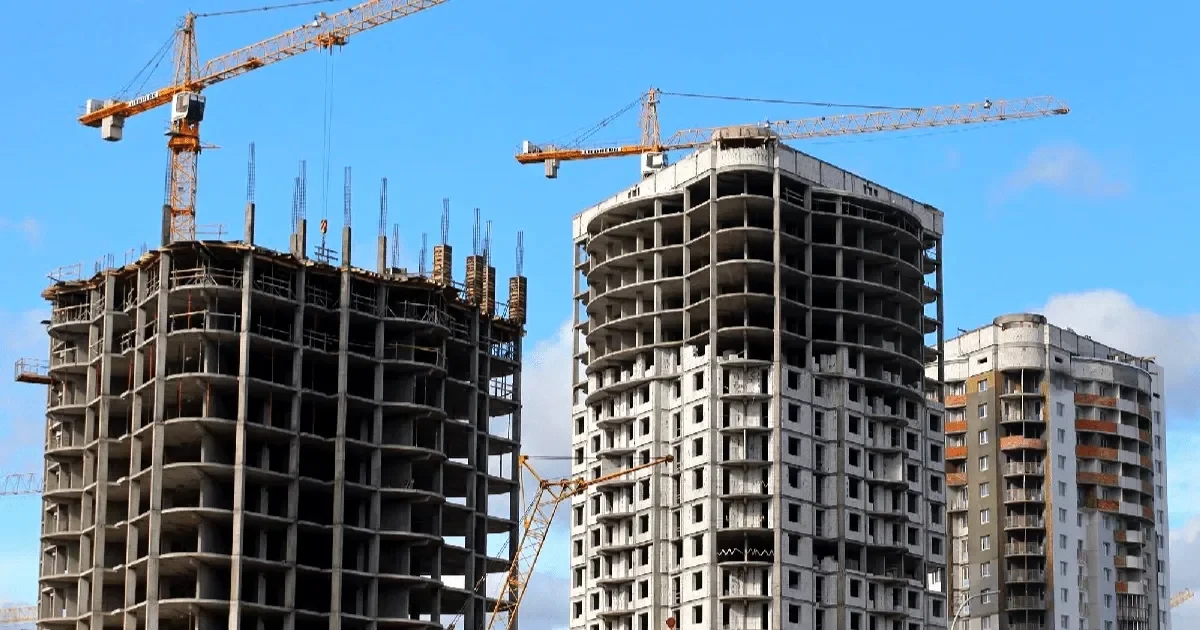
Building Materials
Various materials are used for construction, including concrete, brick, gas blocks, foam blocks, glass, asbestos-cement products, cement, drywall, dry mixes, and finishing materials.
The main supplies of building materials come from Russia, Uzbekistan, Kazakhstan, and China. Kyrgyzstan is completely dependent on the import of bitumen and partially on reinforcement, which affects the cost of construction.
Apartment Prices
Housing pricing in the country occurs on a market basis, without state regulation.
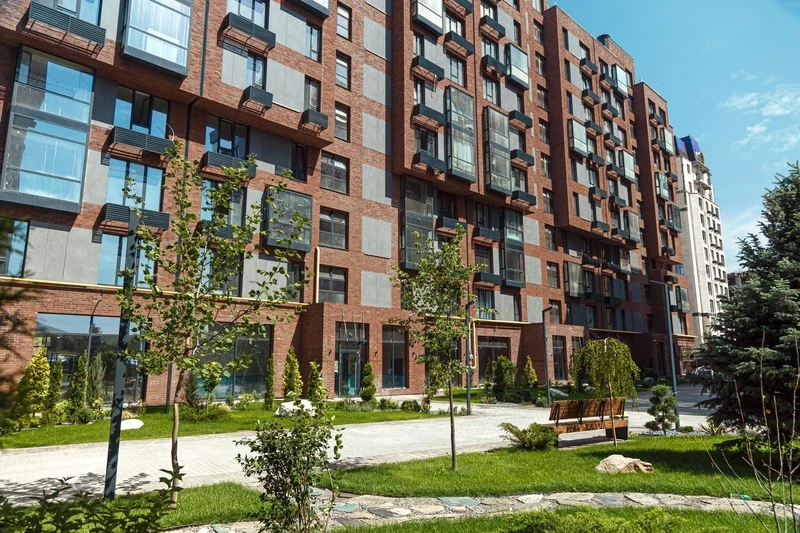
The average prices in Bishkek range from $1,400 to $1,800 per square meter, which is equivalent to 95,000–110,000 soms; in some new buildings, the price reaches $1,600 per square meter.
In the regions, the cost of housing ranges from $450 to $900 per square meter, which amounts to about 40,000–80,000 soms. The price increase is due to rising demand, increasing population wealth, high land costs, a shortage of qualified workers, and rising prices for building materials, especially imported ones.
Prices are also influenced by investment factors, as real estate is viewed as a reliable way to invest capital.
The real estate market in Kyrgyzstan continues to grow, especially in Bishkek, where the main multi-story projects are concentrated.
The demand for housing exceeds supply, especially in the business and elite segments, creating a constant trend of rising prices and making real estate an attractive investment object.
Government Initiatives in Housing
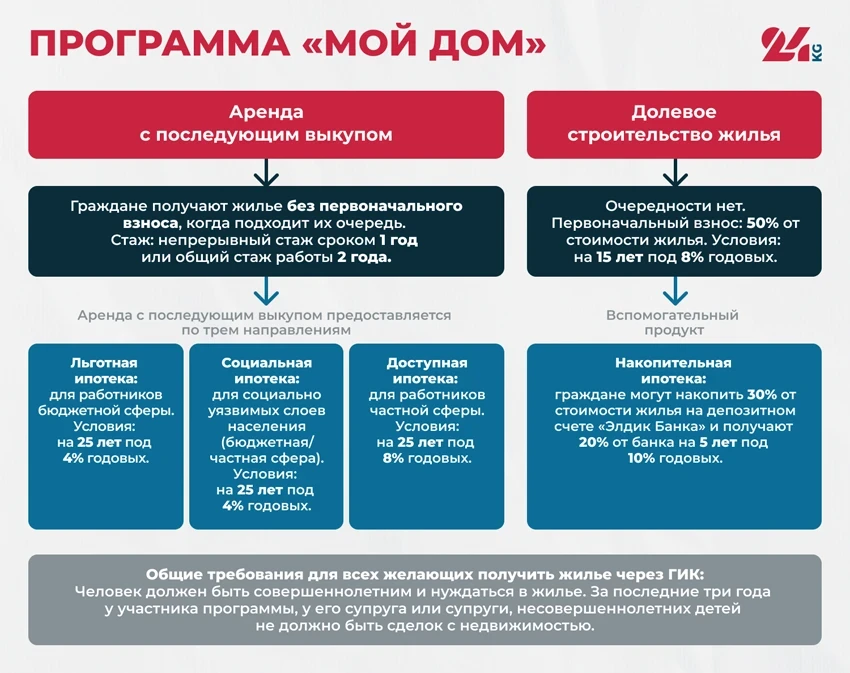
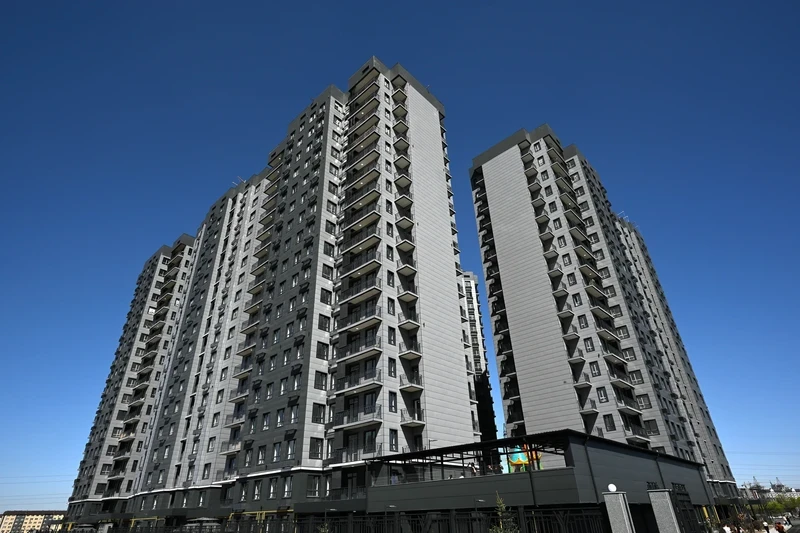
The government is taking steps to improve housing accessibility for citizens, including budget sector workers. In this regard, the State Mortgage Company (GIK) has been established, which implements affordable housing programs and builds residential buildings not only in Bishkek and Osh but also in other regions — Talas, Batken, Naryn, Issyk-Kul, and Jalal-Abad, helping to reduce the burden on the real estate market in major cities.
As of today, the authorized capital of GIK amounts to 2 billion US dollars.
In 2026, GIK plans to provide about 6,300 mortgage apartments in Bishkek, while in 2025 more than 4,600 families received mortgage apartments from GIK. Overall, during its operation, the state company has provided housing for about 13,000 families. In 2026, it is planned to provide housing for 10,000 to 20,000 families across the country. ```