Essence of the Proposals
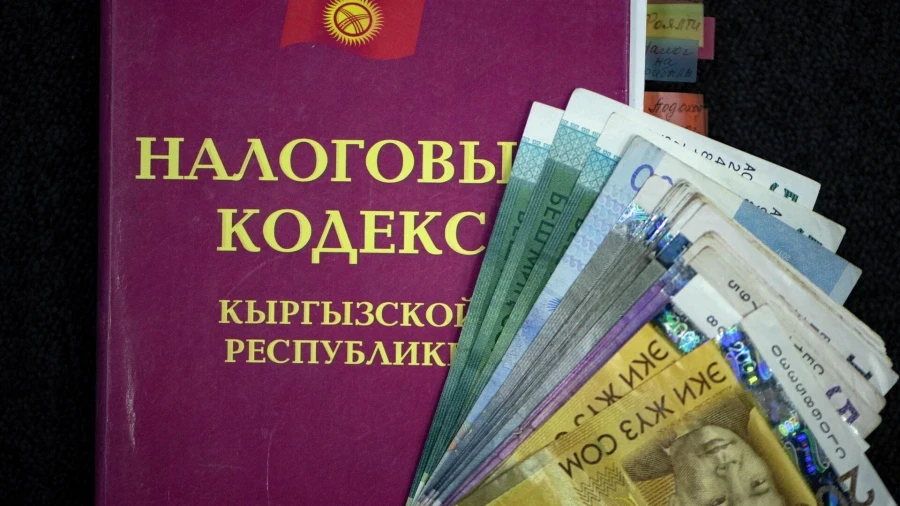
According to the draft, the government has the right to introduce state price regulation for a period of up to 90 days a year with the possibility of extension. This applies to:- socially significant goods and services, the list of which will be approved by the Cabinet of Ministers;
- goods and services provided by dominant economic entities.
According to her, this will allow businesses to set prices for goods, works, and services within the established profitability limit, which should not exceed 25% of the cost price.
Deputy Dastan Bekeshev asked what specific services would fall under this regulation. Jenaly Orozbaev, chairman of the Antimonopoly Regulation Service, replied that these could include various socially significant services, including tuition payments at universities.
He expressed support for the bill, provided that not every service would be regulated. "It is necessary to determine the list to which the profitability rules will apply. It is important for the state to take measures to organize the market; otherwise, the question arises: why do we need state regulation if the market can control itself?" he concluded.
Economic Consequences
The project proposes a significant expansion of state powers in regulating prices in Kyrgyzstan. The introduction of profitability control for social goods and services has serious macroeconomic implications.The proposed changes indicate a trend towards more active state intervention in pricing.What does a 25% limit mean? It means that with a cost price of 100 soms, a business is not allowed to set a price higher than 125 soms. Thus, despite fluctuations in purchase prices, sales will be strictly controlled.
Who will fall under these new rules? Essentially, this will affect all sectors of the economy, even if the initial focus is on "socially significant goods." The amendments stipulate that "the list of such goods is established by the Cabinet of Ministers." Today it includes bread and milk, but tomorrow it could include electronics and financial services.
Economist Yuri Ruzavin expressed the opinion that the National Bank is already taking preemptive measures in connection with the expected increase in the interest rate, which is currently 11%. He predicts that in February the rate may rise by 200 basis points, due to an increase in the money supply and imported inflation.
Inflation is putting pressure on the economy, and it is expected that the rise in wholesale prices in the food sector will soon reflect on retail inflation. The devaluation of the ruble may also affect the som, leading to an increase in demand for foreign currency.In light of the current risks to Kyrgyzstan's economy, experts believe that the government is trying to prevent an inflationary spiral by limiting profitability to avoid hyperinflation in the next two years.
Global experience shows that similar measures in other developing countries have led to shortages of goods and an increase in the gray economy within a year of the introduction of strict regulation.Yuri Ruzavin believes that the amendment is necessary to provide the Ministry of Finance and the National Bank with non-monetary tools to regulate macroeconomic parameters. However, he warns of an impending storm in the economy.
Inflation as an Economic Factor
Sergey Ponomarev, head of the Association of Markets, notes that the government's initiative is understandable — to curb rising prices. However, it is necessary to conduct a thorough analysis of the reasons for price increases.It is important to determine whether this is a local problem or a global trend, as a similar situation is observed in many countries.
"The National Bank has tools to combat inflation. For example, it can gradually raise the average interest rate, which will make loans more expensive and reduce lending to the private sector, slowing down demand," says Ponomarev.
He also points to an important factor — bringing businesses out of the shadows. Previously, many firms operated in the "gray" zone, allowing them to set low prices. With an increasing number of legal players in the market, tax revenues also rise, which naturally affects prices.
An increase in the money supply leads to inflation, which, in turn, stimulates the economy. However, the scale of inflation is another question, as it is observed worldwide.Ponomarev believes that inflation can be a positive phenomenon, but the scale of its growth requires careful monitoring.
Pricing Issues
Nevertheless, the business community perceives the proposed amendments to the Law "On Pricing" extremely negatively.At the same time, logistics costs, taxes, marketing, and salaries are not taken into account, which can exceed even the stated 25%. There is no clarity on whether the government is ready to compensate for these costs.
"Business was shocked by this initiative. We believed that we had a market economy where prices change depending on market conditions. Kyrgyzstan still heavily depends on imports, and resources for full-fledged production are limited," emphasized Gulnara Uskenbaeva, head of the Suppliers Association.
The cost of logistics remains high due to the geopolitical situation.
Often, the manufacturer's price does not include transportation costs borne by suppliers. These costs are not taken into account when discussing profitability, nor are salaries, storage costs, and loans. If we are talking about excise goods, the price does not include excise taxes and VAT, which is 12%.How should businesses cope with these costs? "Buy for 1000 soms, sell for 1100, and then add another 500? This approach will lead to bankruptcy," added Uskenbaeva.
She also noted that the government already has negative experience in price regulation, where the situation only worsened. "We are concerned about this initiative," she noted.
Ponomarev also confirmed that the initiative was discussed last summer, but many entrepreneurs were not informed about it.
I believe that this legislative project contains anti-market mechanisms of regulation. Their application is impractical.Ponomarev reminded that the price is determined by the relationship between supply and demand, but the project may contain ideas that contradict market principles.
He also emphasized that the profitability limit could be set at 5% or 10%, and the methodology for determining profitability is not specified. This will create additional administrative barriers and corruption risks.
The head of the Association of Markets also points out that the government can independently set prices, which may lead to undesirable consequences.
Possible Negative Consequences
"Before developing such legislative proposals, it is necessary to conduct serious research on the consequences in other countries. As far as we know, there is no positive experience. It would be important to discuss the concept with business representatives," concluded Ponomarev.He believes that the adoption of the bill could reduce the investment attractiveness of the country, as investors may prefer other countries without such strict norms.
The state should only control key socially significant goods, but intervention in other sectors can lead to problems.Sergey Ponomarev emphasizes that excessive powers will be delegated to the government, which may negatively affect the investment climate. He warns that reducing profitability could lead to the bankruptcy of small and medium-sized businesses, which in turn threatens the financial system.
If this happens on a large scale, the consequences could also affect the banking sector, which would negatively impact citizens' deposits.Gulnara Uskenbaeva also noted that such legislative proposals could return the country to a planned economy, as it was during the USSR, when the state had resources for investments. "Now, however, we have not been explained how the implementation of these measures will take place," she added.
The Need to Repeal the Bill
The bill has already passed its first reading in the Jogorku Kenesh, and there is little time left for its revision. Business associations are preparing an appeal to the country's leadership requesting the document be revised.This is a serious problem. The bill contradicts the country's development strategy and the president's decrees. It would be logical for the deputies to listen to us and return the document for revision with the participation of business."We will insist on the repeal of the profitability section; it is necessary to carefully weigh all the pros and cons and study international experience. This also creates corruption risks and reduces investment attractiveness," concluded Sergey Ponomarev.