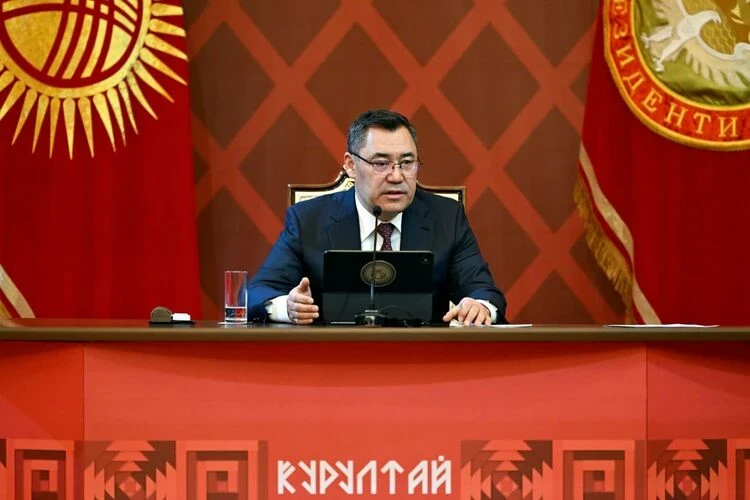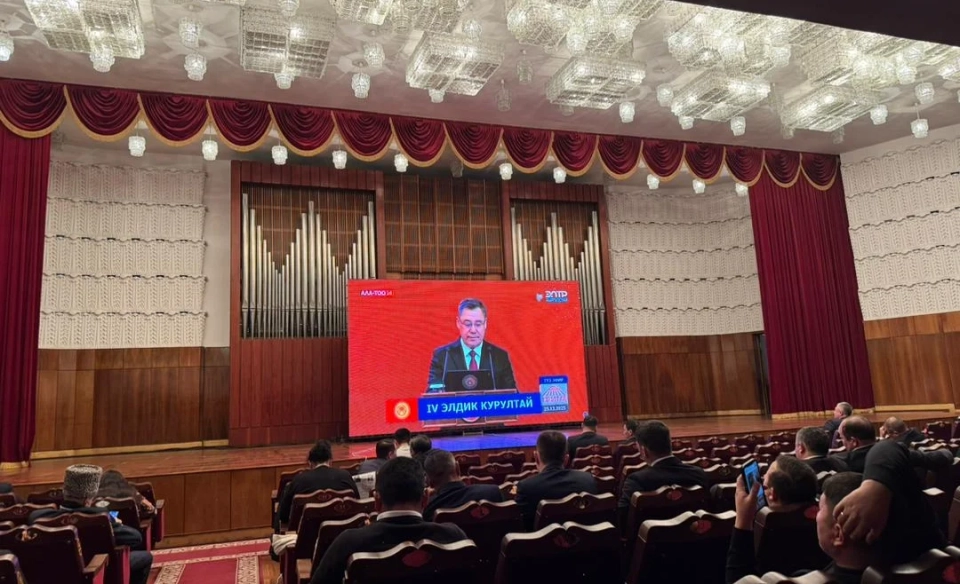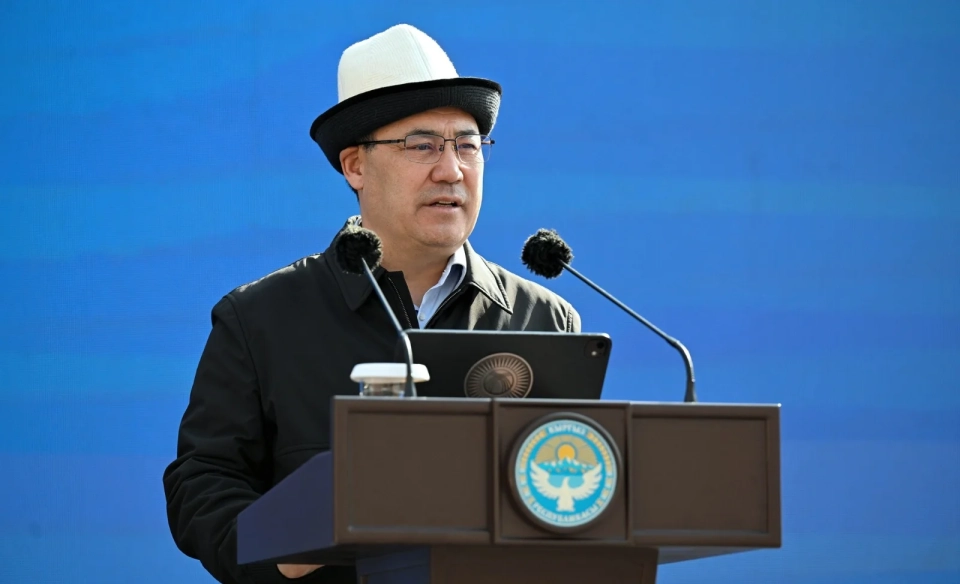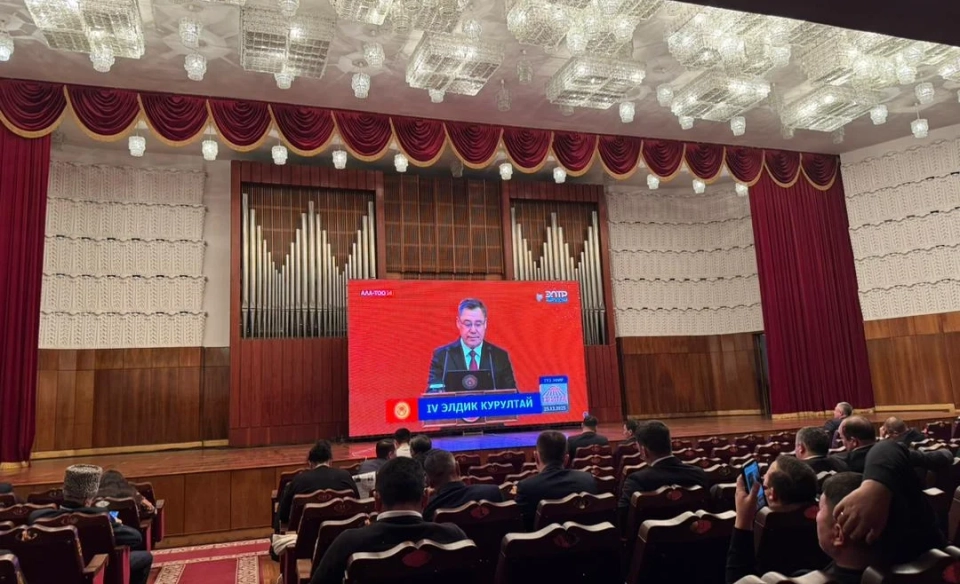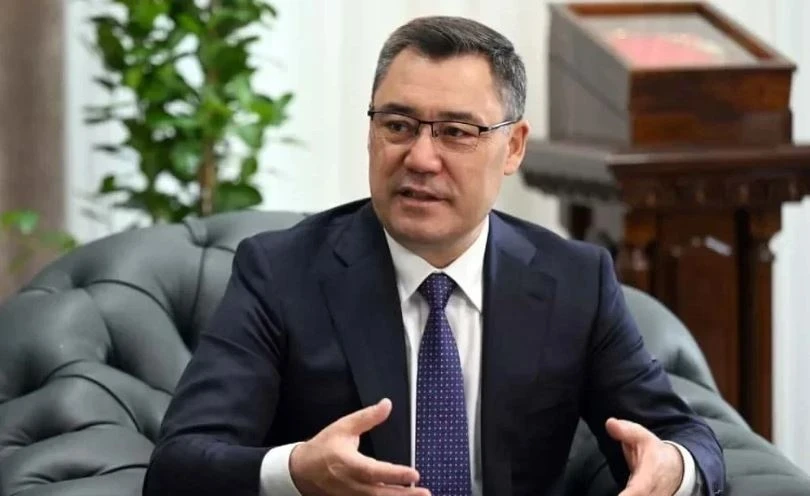
At the IV People's Kurultai, delegates actively discussed the issues of school shortages and housing accessibility through the State Housing Corporation (GIK). President Sadyr Japarov responded to these questions, providing clarifications regarding the transition to a 12-year educational system, population growth, and pricing policies in the mortgage sector, as reported by IA "Kabar".
- Hello, Sadyr Nurgoyevich!
- Hello!
- We would like to discuss the issues raised at the IV People's Kurultai.
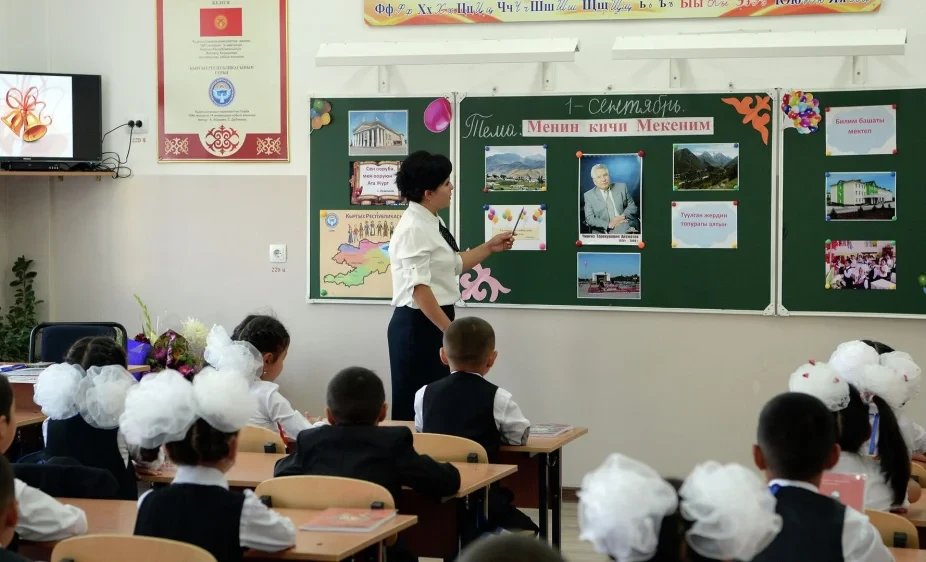
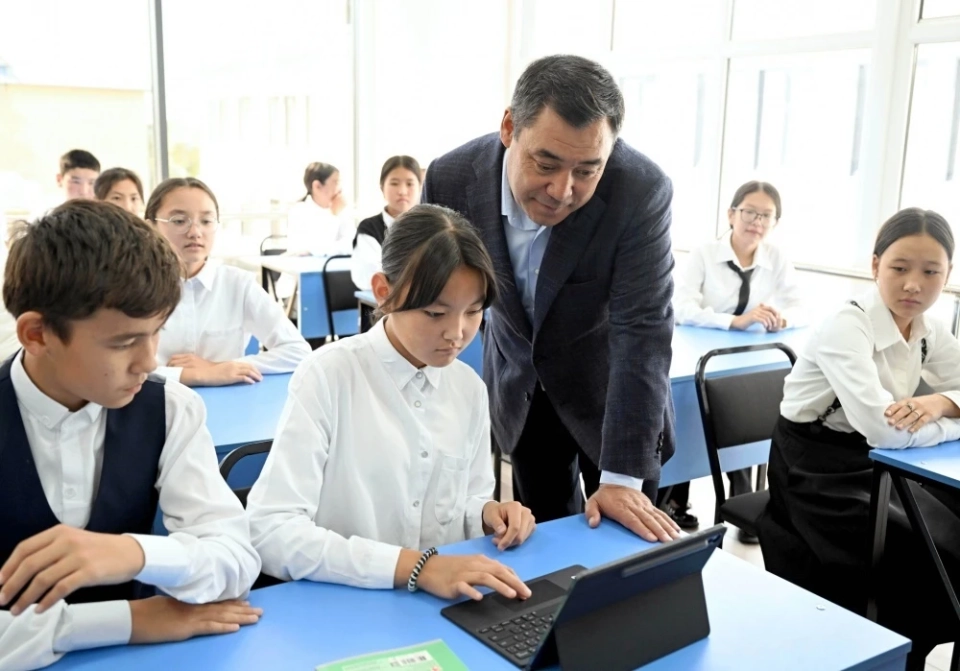
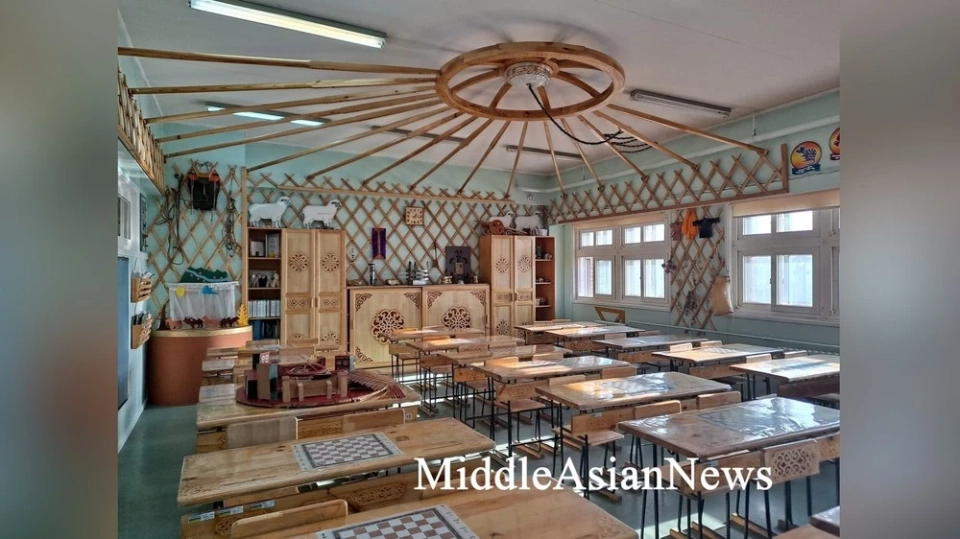
One of the central topics raised by the delegates was the shortage of educational institutions. It was pointed out that in some classes there are 40-50 children, and the delegates called for a solution to this issue. Is this situation related to the transition to a 12-year education?
No, it is not related to the transition to the 12-year system.
I have already spoken about this in previous interviews.
The problem of school shortages arose long before the introduction of 12-year education.
For example, in recent years, about 140,000 to 150,000 children have entered the 1st and 2nd grades.
According to data from the electronic journal "E-Kündölük", for the 2025-2026 academic year, the number of students will be as follows:
1st grade - 106,015 students,
2nd grade - 124,593 students.
For comparison, in 2015, the total number of students was 1,043,356, and by 2025, in 10 years, this number will grow to 1,536,633, an increase of almost 500,000.
This is related to demographic growth in the country and increased migration to urban centers, which creates the need for the construction of new schools and kindergartens.
Currently, systematic work is being carried out in this direction.
Since the beginning of 2025, the construction of 134 educational facilities has been completed with funds from the republican budget, including 60 schools and 28 kindergartens, as well as major repairs in 41 schools and 5 kindergartens.
Additionally, with various sources of funding, 16 schools and 13 kindergartens (a total of 29 facilities) have been built.
In total, 163 educational facilities have been completed across the country, of which 117 are new constructions and 46 are major repairs.
If in 2022, 15 schools were built in Bishkek, this year the construction of 20 schools is planned in the capital, 10 in Osh, and 6 in Manas.
Construction will begin in February and will be completed in September, as these cities have the highest demand for educational institutions.
Thus, this issue will be addressed in stages.
Furthermore, currently, 216 schools and 107 kindergartens are being built across the country, and it is planned to complete and put into operation at least half of them by 2026.
As for the transition to 12-year education, this is a necessity of the time.
Firstly, it is a global standard; secondly, it is a requirement of the global education market.
In modern conditions, we cannot lag behind the integration of our educational system into the global space.
Neighboring countries have already gone through this stage or are on the path to its implementation.
In 2029, the first graduates of the 12-year system will receive their diplomas.
Otherwise, our graduates, having completed schools that do not meet global standards, will be forced to undergo an additional year of preparation when applying to foreign universities.
The transition to the 12-year system has become an objective necessity.
This is a global demand. Without access to global educational standards, we face difficulties in training specialists who meet the requirements of the international labor market.
For Kyrgyzstan, it is extremely important to form human capital that can compete in the global economy.
The 10-11 year education system has fulfilled its role; it was oriented towards a planned-command economy.
Today, it is necessary to prepare competitive specialists for a market economy, and we cannot remain aloof from these processes. This is a system that promotes early professional self-determination.
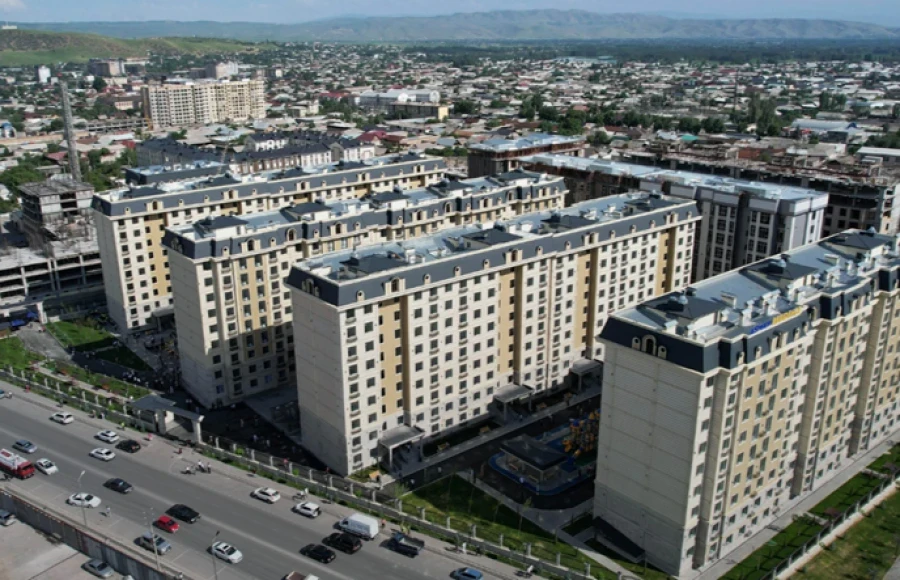
- Another question discussed by the delegates concerns housing being built by GIK.
Some citizens, including labor migrants, believe that the prices for GIK apartments are high. Is there any consideration for reducing these prices or expanding the list of social categories?
- We approach this issue with a long-term perspective.
Firstly, the housing offered through GIK is arranged for 25 years without a down payment.
In Bishkek, under the state program for citizens on the waiting list, the cost of one square meter of housing ranges from $900 to $1,000 depending on the area.
For the "Social Mortgage" (for single mothers, people with disabilities, guardians) and "Preferential Mortgage" (for teachers, doctors, and other budget workers), housing is provided at 4% per annum for 25 years without a down payment.
For "Affordable Mortgage" (for private sector workers) - at 8% per annum for the same term.
The cost of housing under the shared construction mechanism ranges from $1,000 to $1,400 per square meter depending on the location, with apartments delivered in a "turnkey" format.
In suburban areas, prices are lower, while in central and "elite" zones, they are higher.
Housing under the shared principle is mainly offered to compatriots working abroad, and in this case, citizens do not stand in line as they pay 50% of the apartment's cost as a down payment, while the remaining amount is paid in installments for up to 15 years.
Compared to market prices, in the same areas, the cost per square meter in newly constructed buildings without finishing reaches $2,000-3,000.
At the same time, GIK apartments are offered in fully finished form and at a much more affordable price.
GIK is forced to sell housing with a small markup on the cost price; otherwise, the company would not be able to carry out construction on the scale it does today. Funds from citizens receiving apartments in line and those purchasing housing out of turn go to finance GIK's activities and continue the construction of new facilities.
By the end of 2025, housing has been provided for 4,662 families, while in 2024 this figure was 1,197 families. Currently, 80,245 apartments with a total area of 5.4 million square meters are under construction in the republic.
In 2026, it is planned to put into operation 20,021 apartments, of which:
Bishkek - 6,323,
Chui region - 3,129,
Manas - 3,219,
Issyk-Kul region - 2,266,
Osh region - 1,458,
city of Osh - 1,454,
Batken region - 1,420,
Naryn region - 433,
Talas region - 319 apartments.
Thus, we are focusing on long-term goals. GIK has set the task of providing the construction of modern residential buildings with European conditions not only in cities but also in the villages of the country over the next 10-15 years. This is a historical mission entrusted to GIK. If the company were to sell housing exclusively at cost price, it would not be able to fulfill this task in the future.
To date, GIK has transformed into a large institution with a charter capital of 87.5 billion soms, which is planned to be increased to 200 billion soms.
If housing were sold exclusively at cost price, the company would soon face bankruptcy, considering the 25-year mortgage lending term, inflation, and minimal profitability. Therefore, the current pricing policy is justified.
At the same time, the possibility of creating a separate queue or providing additional benefits for labor migrants, as well as analyzing the possibility of reducing prices for people with disabilities, is being considered.