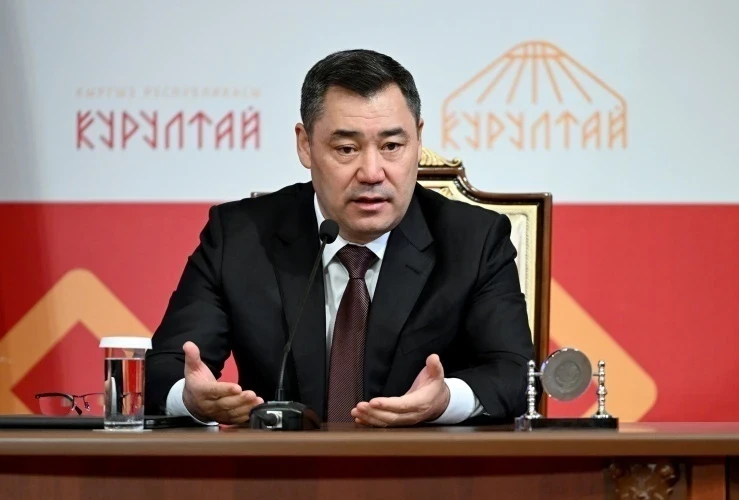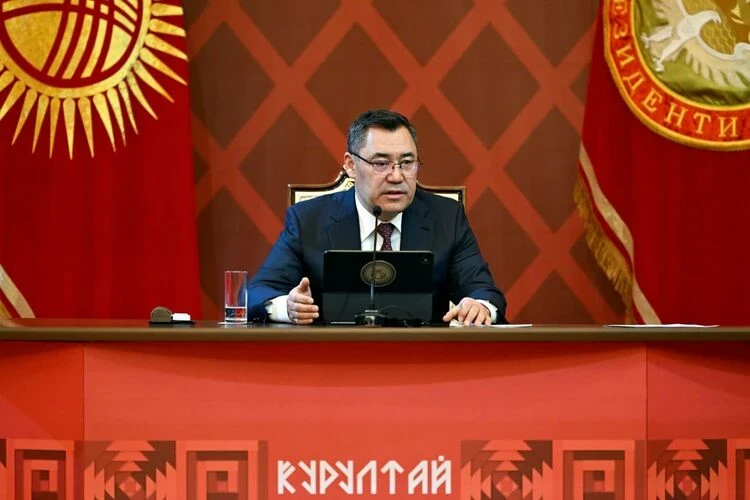
During the IV People's Kurultai, the President of Kyrgyzstan, Sadyr Japarov, noted that the transition to a 12-year educational system is an important step towards meeting global standards. This change will allow graduates to enroll directly in foreign universities for their first year, without the need to take preparatory courses.
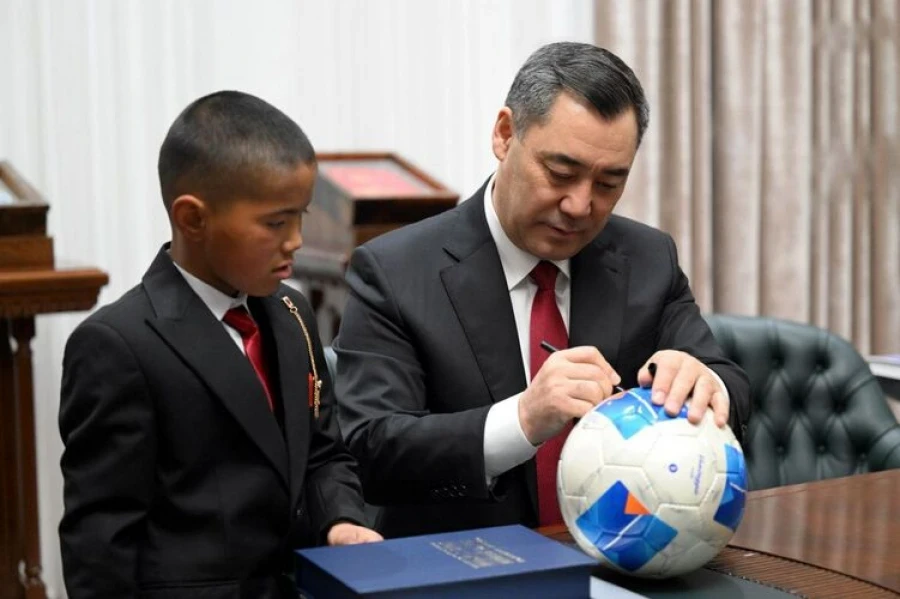
Japarov provided a personal example, recalling how his son, after finishing school, faced the necessity of completing a preparatory course to enroll in the University of Warsaw. “This is a practice adopted worldwide. In 2013, my family and I moved to Europe, and that was when we encountered this problem,” he shared.
According to him, after returning to power, he instructed the Minister of Education to transition to a 12-year program, but this work had not begun. “I have approached several ministers, and I have now instructed the current minister to expedite the process,” the president added.
One of the delegates at the kurultai expressed concern that, despite the reform, students' interest in studying continues to decline, and in some schools, classrooms have up to 50 children.
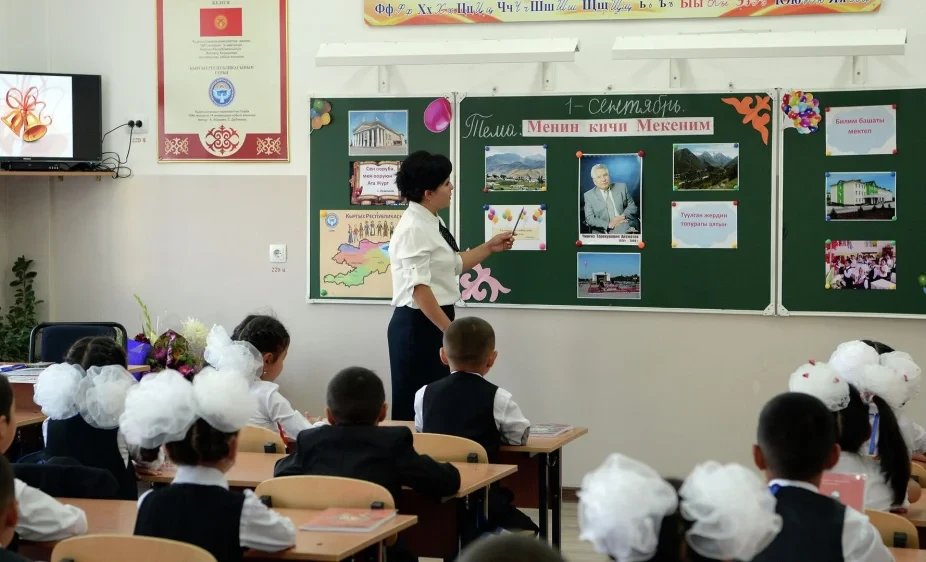
School is starting soon. What should parents and children expect with the transition to a 12-year system?
In response, Japarov stated that the issue of overcrowded classrooms is not related to the transition to the 12-year system. He pointed to internal and external migration, especially in large cities like Bishkek and Osh, as the main reasons. He also noted that many parents are eager to send their children to schools with Russian as the language of instruction, which results in some classes having only 15–20 students.
“Parents, fearing the low level of teachers' knowledge, send their children to the same educational institutions. I have instructed to ensure equal conditions for teachers in every school. We have raised salaries, and we hope this will attract teachers to vacant positions. Similar problems are observed in the medical field as well,” the president added.
He emphasized that the transition to 12-year education aligns with global standards, and difficulties in the initial years are inevitable.
“In the next two to three years, challenges may arise, but we will still achieve international standards, and our graduates will be able to enroll in the first year of foreign universities without any problems,” concluded Sadyr Japarov.
We remind you that in the 2025–2026 academic year, as part of the state program "Altyn Kazyq," a 12-year education system was implemented in Kyrgyzstan, according to which children are required to attend school from the age of six, and in grades 10–11–12, career guidance and training in 11 professions are provided.