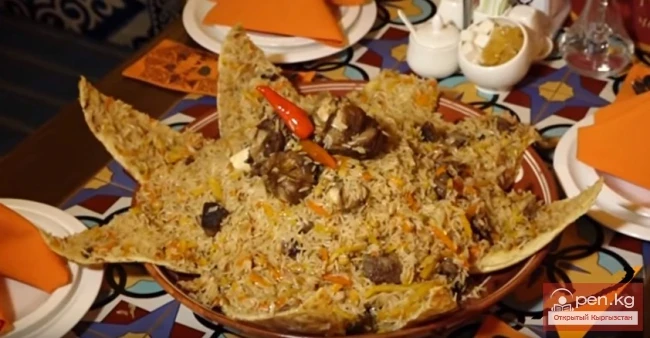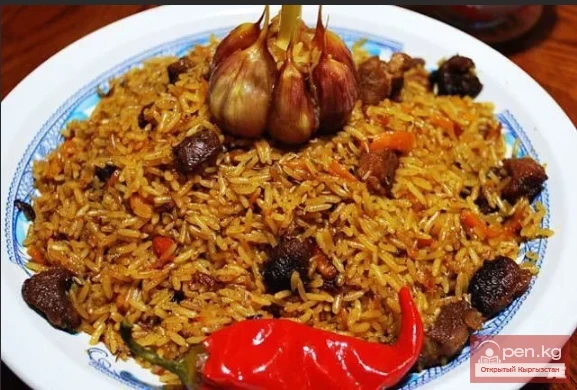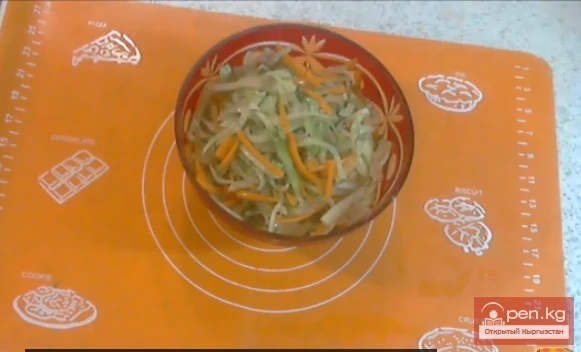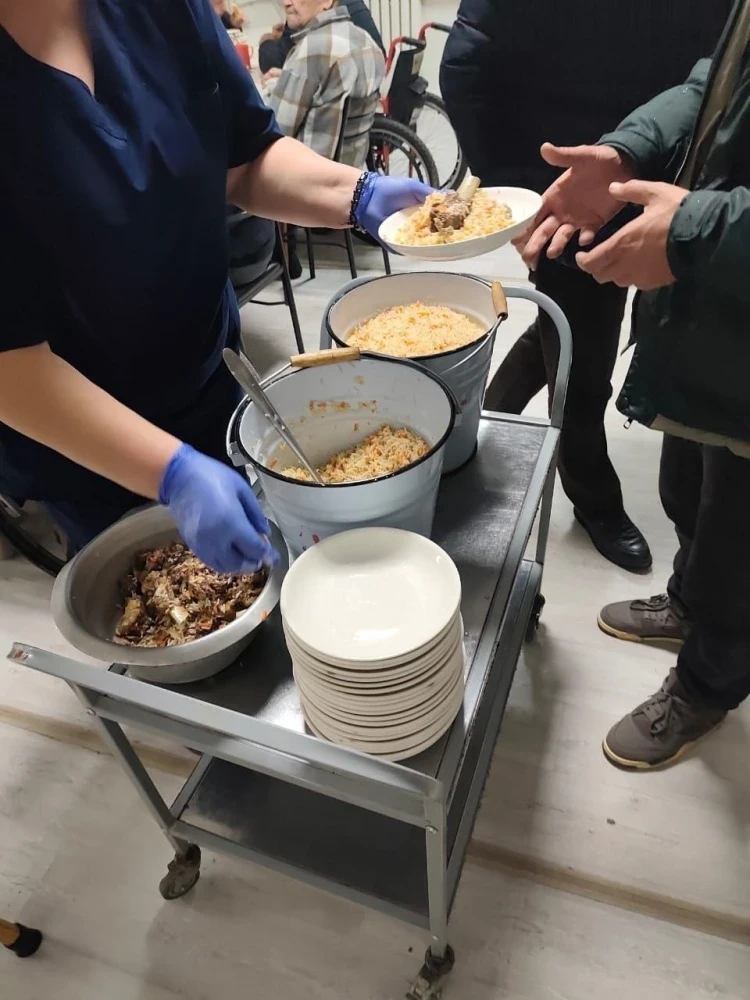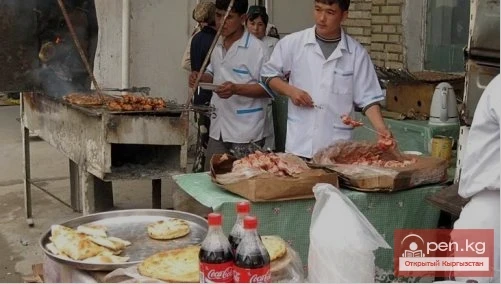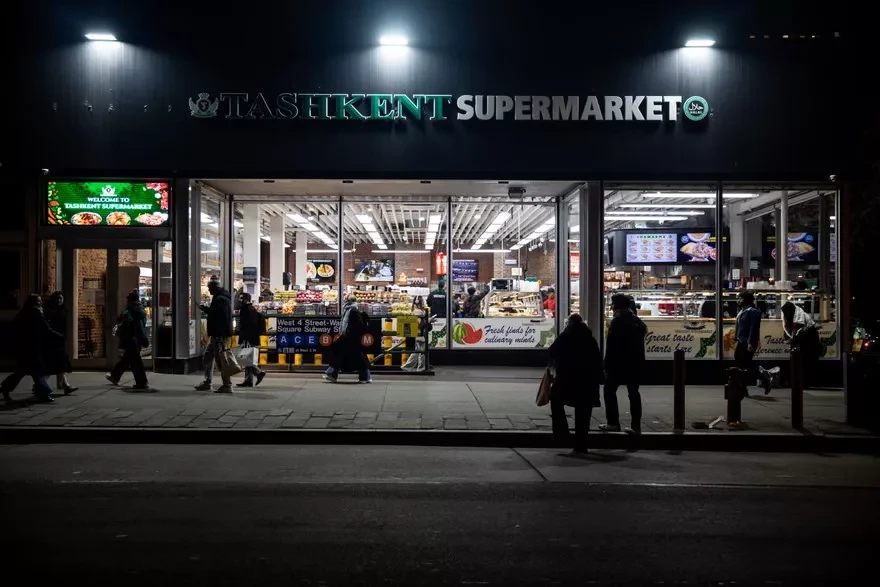
According to The Guardian, the new store in West Village has opened its doors, offering freshly prepared dishes such as pilaf and samsa. The article mentions that the author, visiting Tashkent for the first time in Brighton Beach, felt the bustling atmosphere and found many familiar faces.
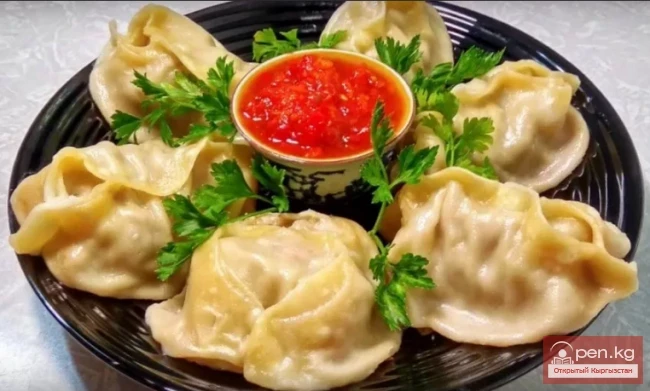
The author shares her memories of childhood days in Kazakhstan, when manti, chak-chak, and compote were an integral part of her diet. Manti, which she learned to cook with her mother, were one of the first dishes she mastered. Unlike soda, compote made from local berries and fruits was always available. As she grew up, traveling through other post-Soviet countries, she found comfort in familiar dishes like pilaf and samsa.
After moving to New York in 2019, the author began to regularly visit Tashkent, the largest supermarket specializing in Central Asian products. The hour-and-a-half trip to Brighton Beach became part of her routine, where she would buy her favorite spices and grains before heading home.
With the opening of a new branch in West Village, it has become much easier to access thanks to its convenient location and the popularity the supermarket gained through food bloggers. Since March of this year, Central Asian cuisine has become a real hit among New Yorkers, particularly highlighted by the "hot bar" featuring pilaf and samsa.
However, Tashkent's success is attributed not only to its cuisine but also to active promotion on social media. Accounts like sistersnacking and babytamago have drawn attention to the dishes offered in the store, and the elected mayor Zoran Mamdani also shared his enthusiastic opinion about manti.
The family of Odiljon Tursunov, the founder of the supermarket, arrived in the USA in the early 2000s, struggling to find familiar products. In 2012, they opened their first store after Hurricane Sandy, which over time became popular among immigrants from Central Asia. Today, the chain has expanded to five stores in New York and includes a wholesale sausage company.
As of 2019, there are over 1.2 million people from former Soviet republics living in the USA, which explains Tashkent's success, especially in areas with a high concentration of immigrants. Misa Khayriddinova, who works at the supermarket, noted that many Uzbeks live in Forest Hills, while Brighton Beach and Coney Island have many immigrants from Russia and Ukraine.
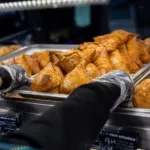
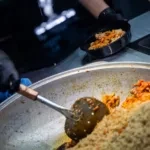

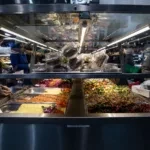
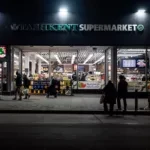
The owners of Tashkent hope that the new restaurant will attract both regular customers and new visitors eager to try authentic Central Asian cuisine.
For centuries, the peoples inhabiting the territory now known as Kazakhstan, Kyrgyzstan, and Turkmenistan led a nomadic lifestyle, while the settled inhabitants of Uzbekistan and Tajikistan engaged in agriculture. The influence of China and Iran is also reflected in the culinary traditions of the region, which was on the route of the Great Silk Road. However, the greatest impact on the cuisine came from the formation of the Soviet Union in 1922, which changed the food and agricultural traditions in Central Asia.
Tashkent Supermarket sources products from former USSR countries: cheeses from Georgia, bread from Ukraine, and nuts with raisins from Uzbekistan. "It's a combination of American and Central Asian products," Khayriddinova added.
Considering the high housing prices in Manhattan and the entry fees, Tashkent Supermarket has raised prices on hot dishes. Visitors, such as Aziz Muzdybaev, noted that there are fewer discounts at the new branch. "When we miss home-cooked food, we love to stop by Brighton and buy a portion of pilaf," he shared.
Jesse Badash, who lives in Queens, expressed hope for the opening of a branch in West Village. "Prices are a bit higher than in Brighton, but quite reasonable," he noted while browsing the store.
For Khayriddinova, seeing branded Tashkent bags is a great pride. "Central Asia is rarely in the spotlight, and it's important for us to showcase its unique culture and cuisine," she concluded.
On one Tuesday, I visited Tashkent in West Village during rush hour. Russian and Central Asian languages were not as frequently heard as in Brooklyn, but I noticed people trying traditional dishes and saw regular customers searching for familiar tastes. It reminded me of my roots and culture, which, despite the influence and legacy of the Soviet Union, have their unique identity.