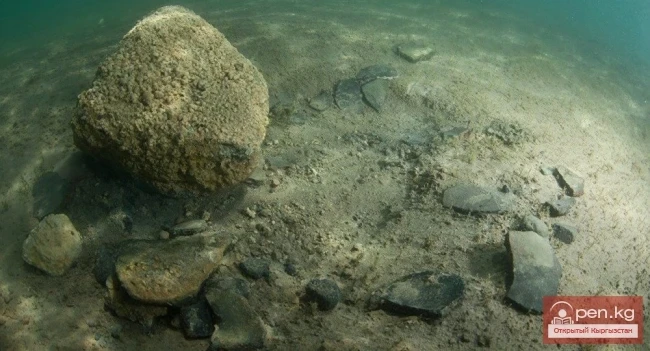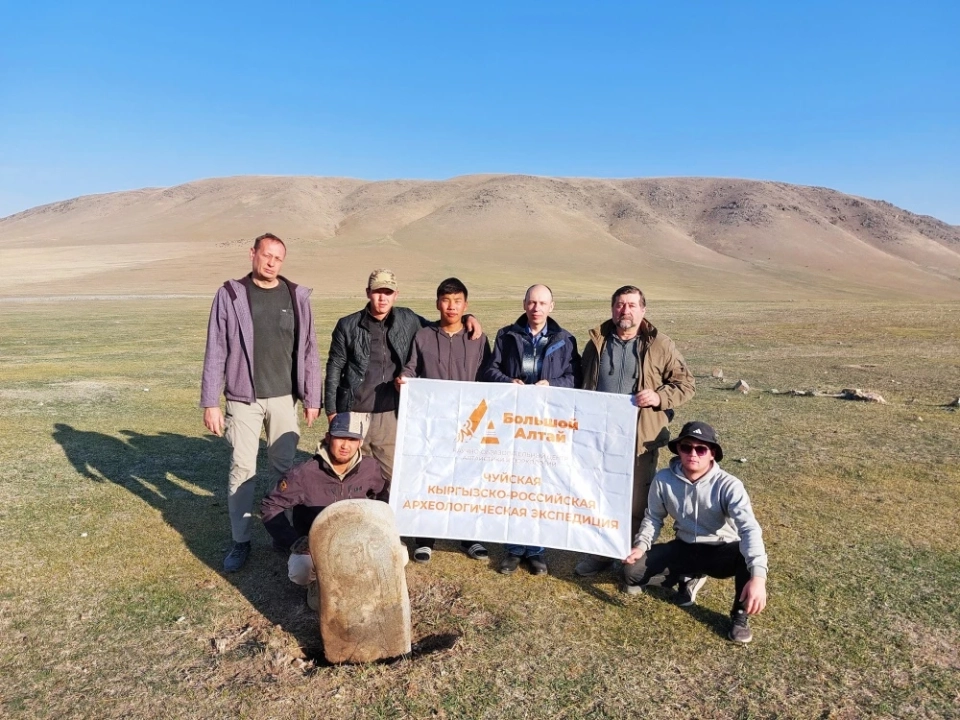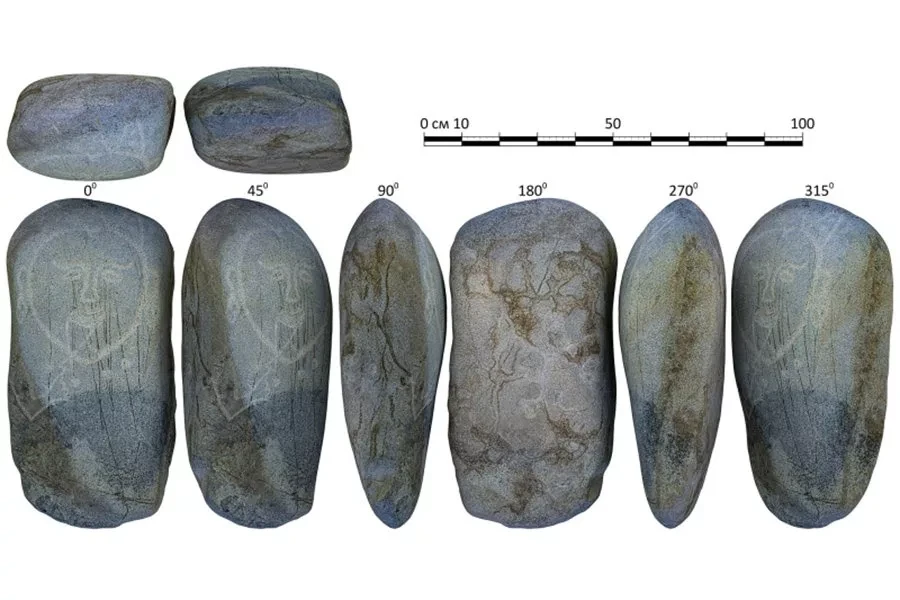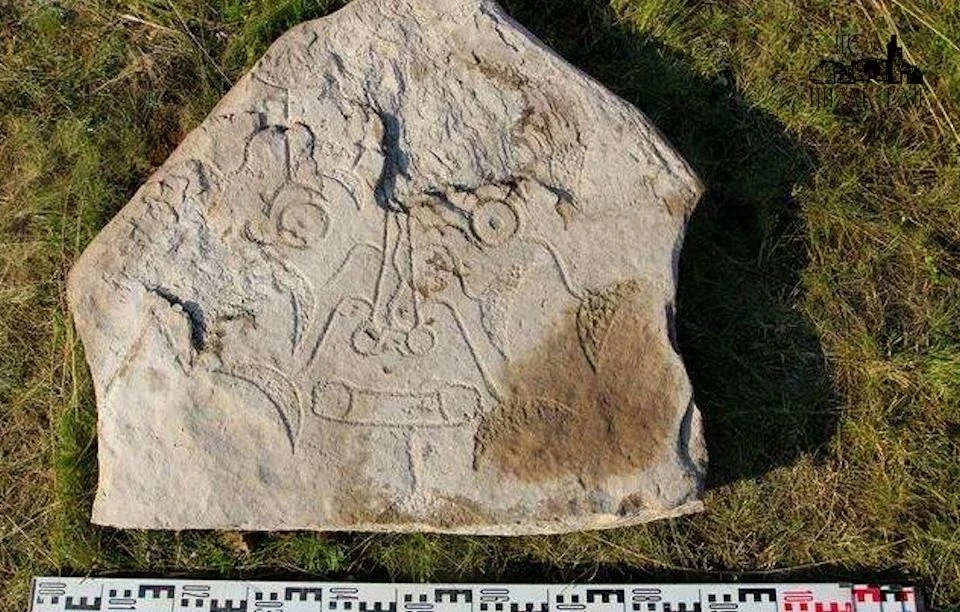
At the Itkol II burial mound in Khakassia, a group of archaeologists made an astonishing discovery — a stone slab containing a unique image that has been preserved in the ground since the end of the 3rd millennium BC. According to the Center for Rescue Archaeology of the Institute of History of Material Culture of the Russian Academy of Sciences, the slab features a stylized face surrounded by eighteen mysterious segmented figures.
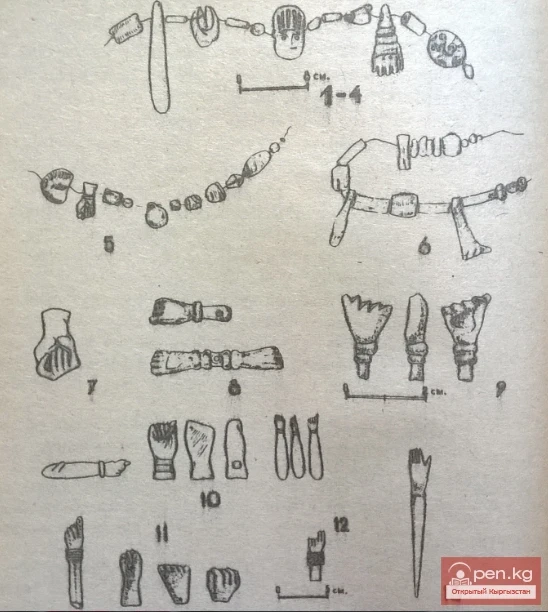
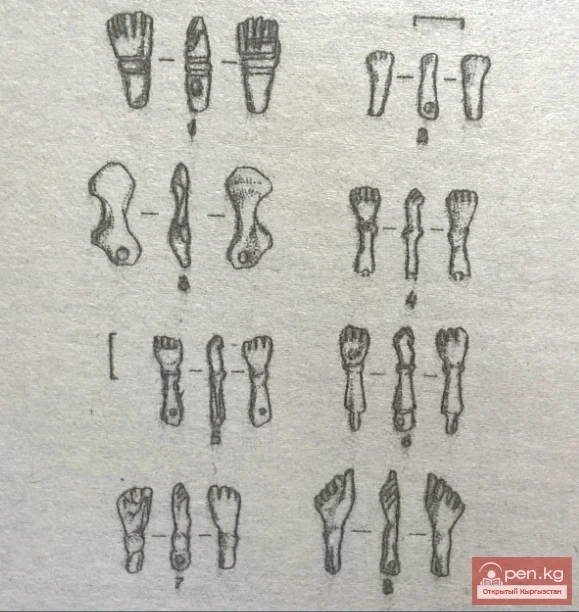
The figures, seven of which are located in the area of the eyes, nose, and mouth, while eleven are on the crown, resemble stone "moon-shaped" pendants previously found in the graves of the Okunev culture. Scientists suggest that these pendants were ritual elements of clothing.
Researchers note that the number of "pendants" and their arrangement in the composition correspond to the main principles of the lunar calendar. This discovery emphasizes the assumption that ancient Siberians used similar symbols to track lunar phases.
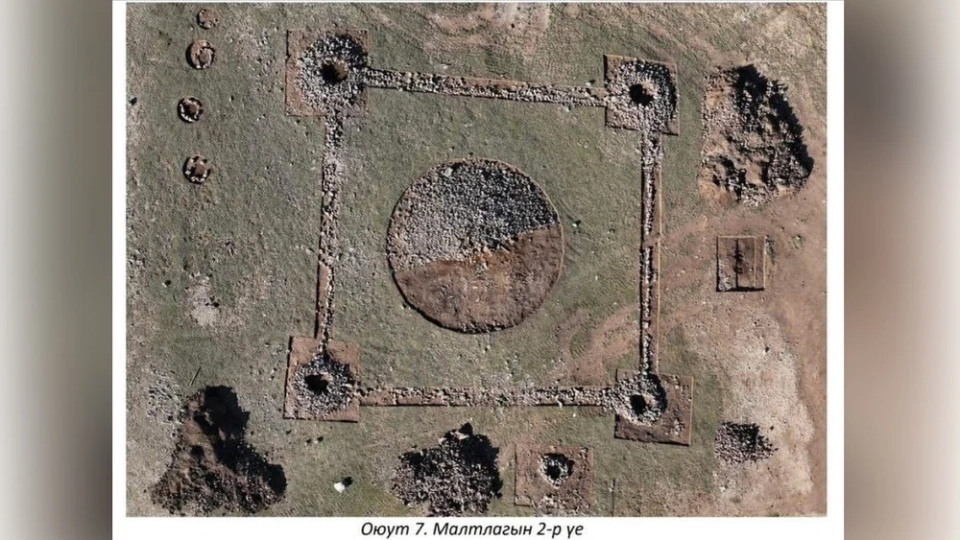
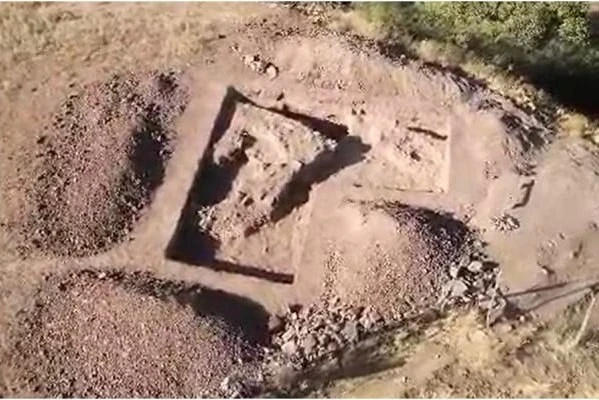
The burial mound, dated to the period of 2880-2630 BC, consists of a fence made of vertically installed slabs, within which there are nine burials. Despite the fact that the graves were almost empty, archaeologists discovered a unique artifact — a bone arrow shaft straightener. Such items are extremely rare in the burials of the Okunev culture, making this find particularly valuable.
Reference
The Okunev culture is an archaeological culture of Bronze Age herders that existed in the Minusinsk Basin on the middle Yenisei, covering the territories of modern Khakassia, southern Krasnoyarsk Krai, and Tuva. It is named after the Okunev ulus, where it was first discovered in 1928. The culture is primarily known for its burial monuments — mounds with rectangular enclosures made of stone slabs.
Source: sibirnews.ru