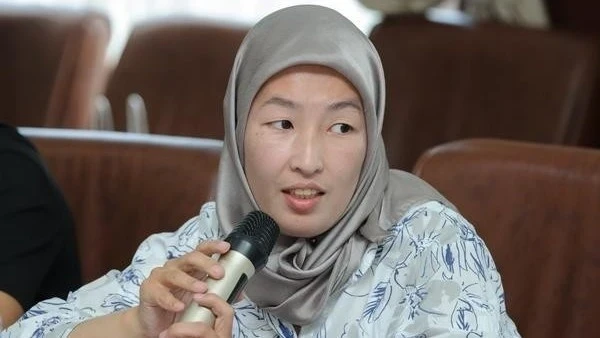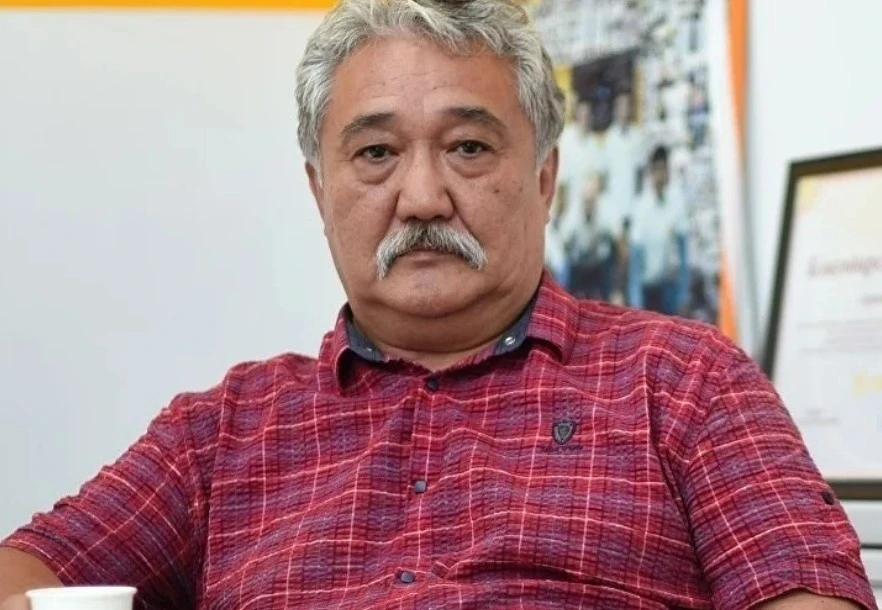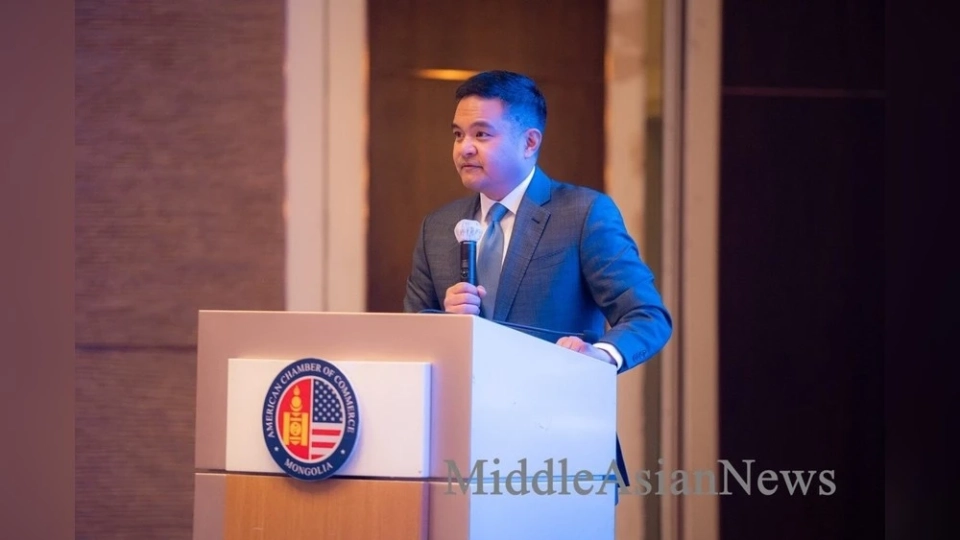
According to Elvira Borombaeva, the General Director of the Central Asian Center for Alternative Dispute Resolution and a mediator, Bishkek has the potential to become an important center for resolving both domestic and international disputes.
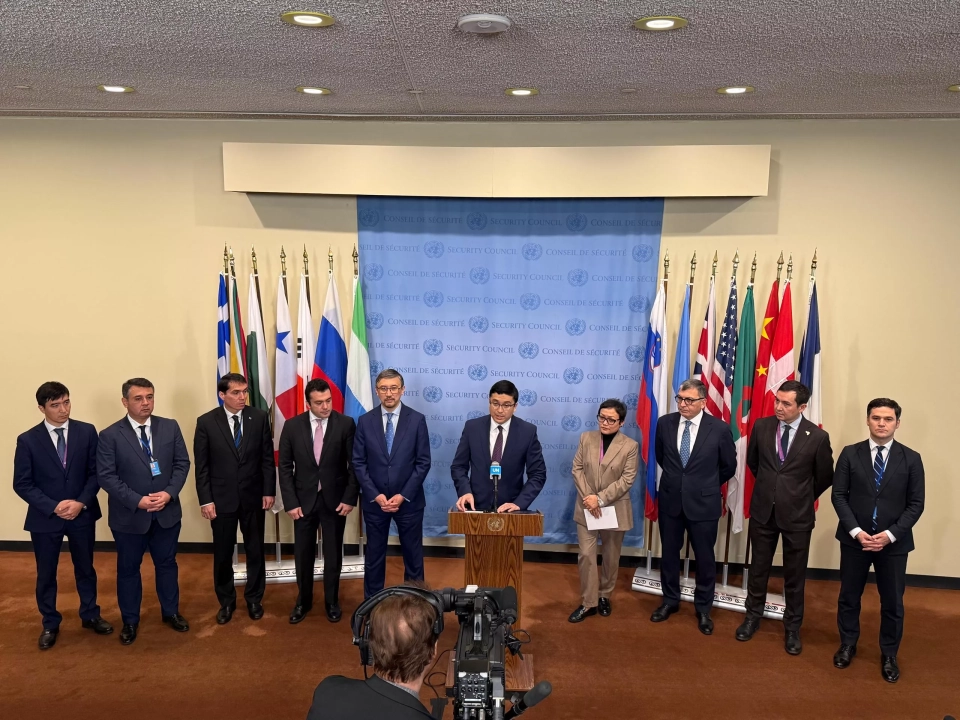
She noted that this is happening against the backdrop of improving Kyrgyzstan's foreign policy and increasing its status on the international stage, including support from Central Asian states for Kyrgyzstan's candidacy for non-permanent membership in the UN Security Council for 2027-2028. This is a significant achievement for the country, confirming its efforts to strengthen its authority on the global arena.
- Modern humanity faces numerous problems, including economic, social, and environmental issues that do not recognize borders. Additionally, cultural and ethnic diversity adds its own nuances to the situation, where competition for resources and influence is increasing. In such conditions, traditional methods of dispute resolution lose their relevance, and hybrid approaches become more preferable, - Borombaeva added in an interview with vb.kg.
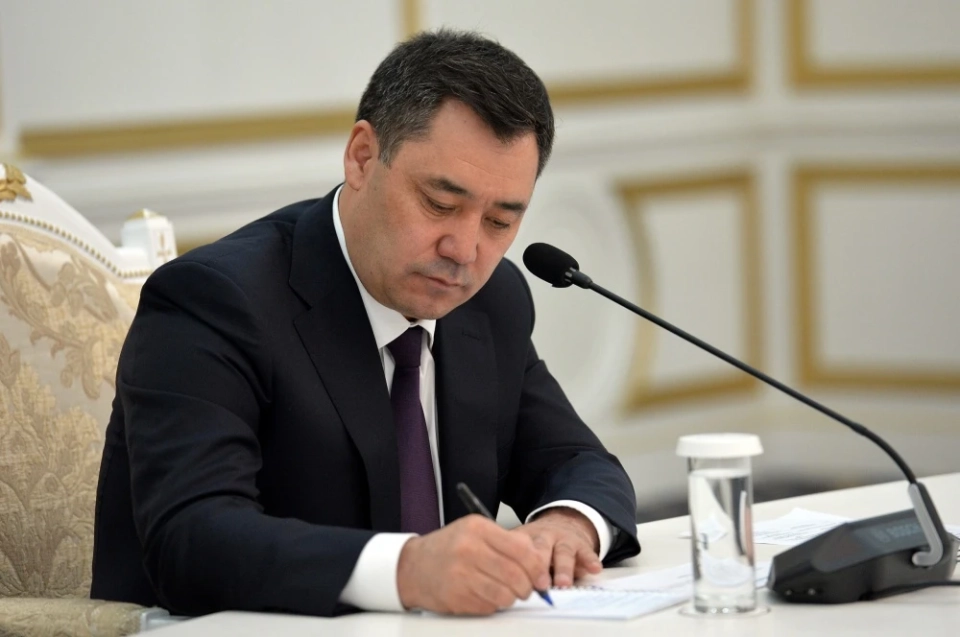
The mediator emphasized that mediation in Kyrgyzstan is actively developing, supported by President Sadyr Japarov, who this year signed an updated Law "On Mediation," significantly improving the legislation compared to the previous version from 2017. Now mediation is mandatory for all civil disputes, creating a full legal mechanism for alternative conflict resolution without court proceedings.
Another important step was Kyrgyzstan's accession to the UN Convention on International Settlement Agreements Resulting from Mediation, which opens new opportunities for the country.
What is the significance of Kyrgyzstan's accession to this convention?
- First and foremost, it is recognition. It also provides investors with alternative paths for dispute resolution before litigation. Court processes can be costly in terms of both time and resources, and they often occur abroad, which is particularly expensive for Kyrgyzstan. This is especially relevant for transnational disputes when one of the parties is a foreign participant. Through the Singapore Convention, we can offer international investors the opportunity to resolve conflicts through dialogue and mediation, which reduces financial costs and improves the country's image, - Borombaeva explained.
According to her, many conflicts arise from a lack of communication, and mediation becomes a tool for restoring dialogue and finding compromises, which in turn saves resources and enhances Kyrgyzstan's reputation on the international stage. Elvira Borombaeva is confident that Bishkek can become a center for international disputes, and the process has already begun.
She also noted that new approaches are currently being actively used, where negotiations and dispute resolution occur with the participation of non-governmental organizations, state structures, and international organizations. These groups are capable of finding solutions in complex situations, making mediation an effective tool for conflict resolution.
Mediation, as Borombaeva pointed out, has proven itself due to the diversity of its tools and methods, allowing for mutually beneficial solutions for all parties involved in the conflict. It has become an important tool for influence and negotiation in complex situations.
Additional Information
The Singapore Convention on International Settlement Agreements, adopted in 2018, is the first multilateral international agreement establishing rules for the recognition and enforcement of international agreements reached through mediation in commercial disputes. Kyrgyzstan's accession to this convention creates transparent conditions for businesses and investors, strengthens trust in the country's legal system, and opens new opportunities for international cooperation.
This is a step that significantly improves the investment climate and promotes the development of alternative dispute resolution methods, as well as harmonizing national legislation with international standards.
The law also includes a "business clause," allowing the convention to be applied only with the consent of the parties, which aligns with international practice and takes into account the specifics of the national legal system.
Almost 60 countries have signed the Singapore Convention on Mediation.