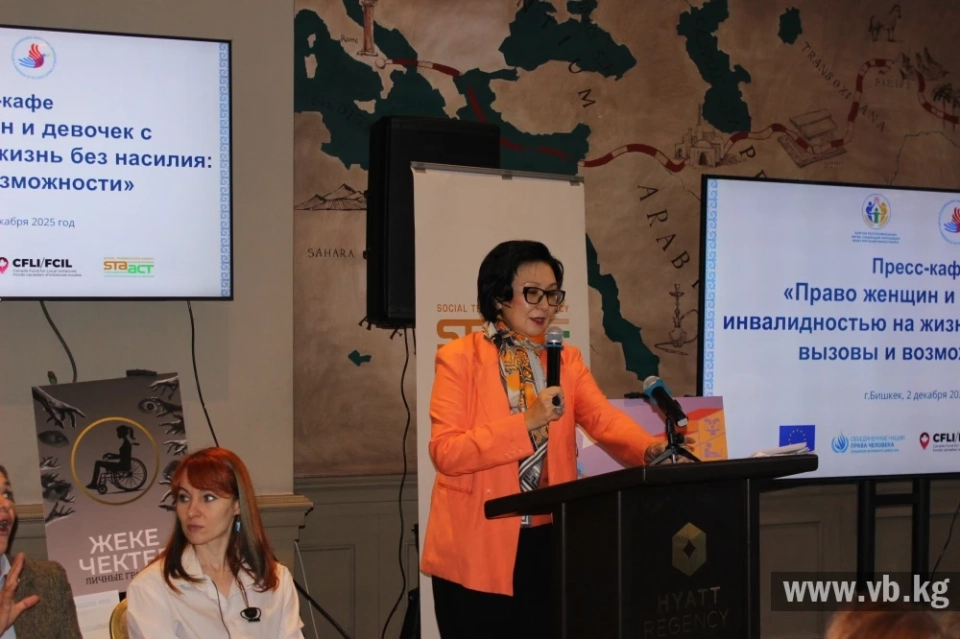
Ismailova noted that contemporary global crises, including environmental, political, and social issues, are significantly exacerbated by the existing gender gap.
According to her, the lack of women's participation in decision-making processes hinders the achievement of real security and sustainable development.
The human rights advocate also stated that the weakening of the third "humanitarian" dimension of the OSCE and the shrinking space for activists negatively affect the stability of states. Civil society, in her opinion, is an important indicator for early warning of potential crises.
Tolekan Ismailova stressed that in conditions of limited civil space, it is crucial to speak with a unified, collective voice, which acquires strategic significance for many organizations in the region.
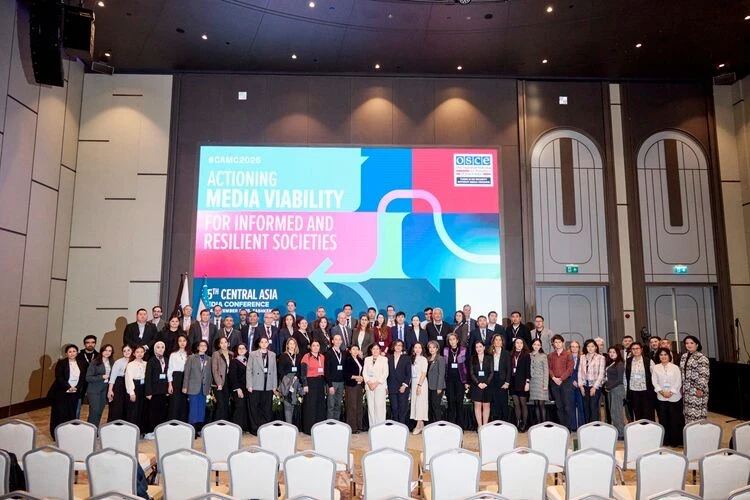
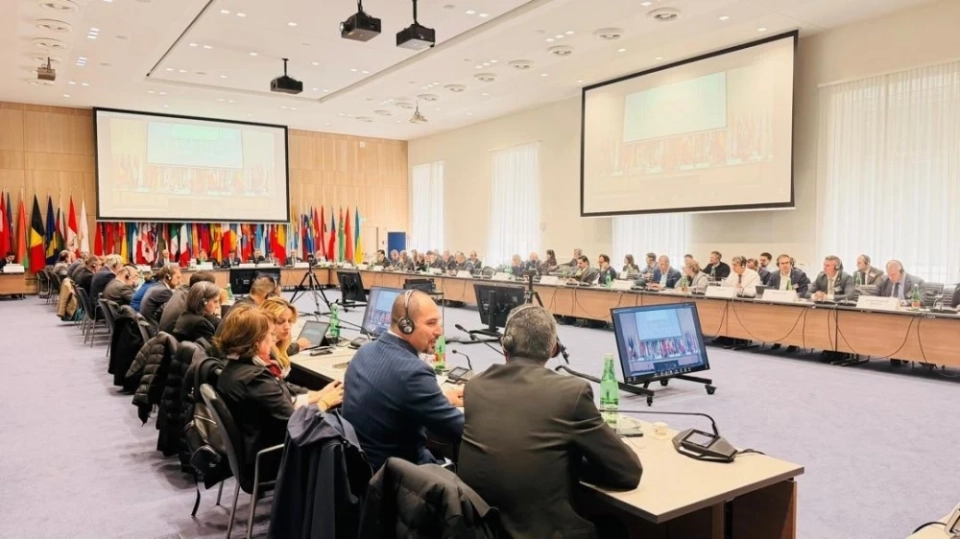
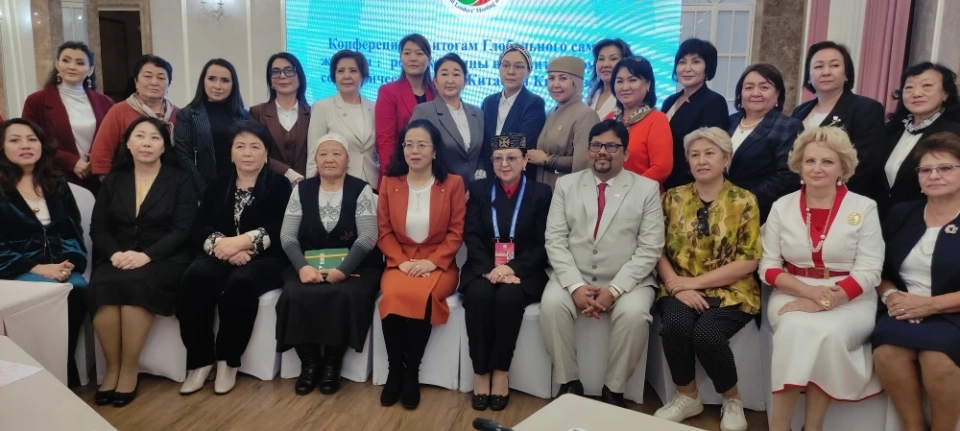
At the conference, civil society participants united with the aim of reviving the OSCE's activities based on the original principles related to security, democracy, and respect for human rights.
Ana Juvenen, the special representative of the OSCE chairperson for engagement with civil society, expressed support for human rights organizations and emphasized the importance of civil society's role in conflict prevention.
As a result of the discussions at the conference, the Vienna Declaration was adopted, aimed at reviving the Helsinki principles.
Reference 24.kg
The Helsinki principles, developed in 1975, are an international document that outlines the fundamental rights and freedoms that must be protected by every state. These rights include freedom of expression, freedom of assembly, freedom of association, equality before the law, and others. The main idea is that respect for human rights is an integral part of international relations and must be upheld by all countries. The Helsinki principles were signed by 35 states, including the USA, the USSR, and most European countries.