The reaction followed in several countries of the region
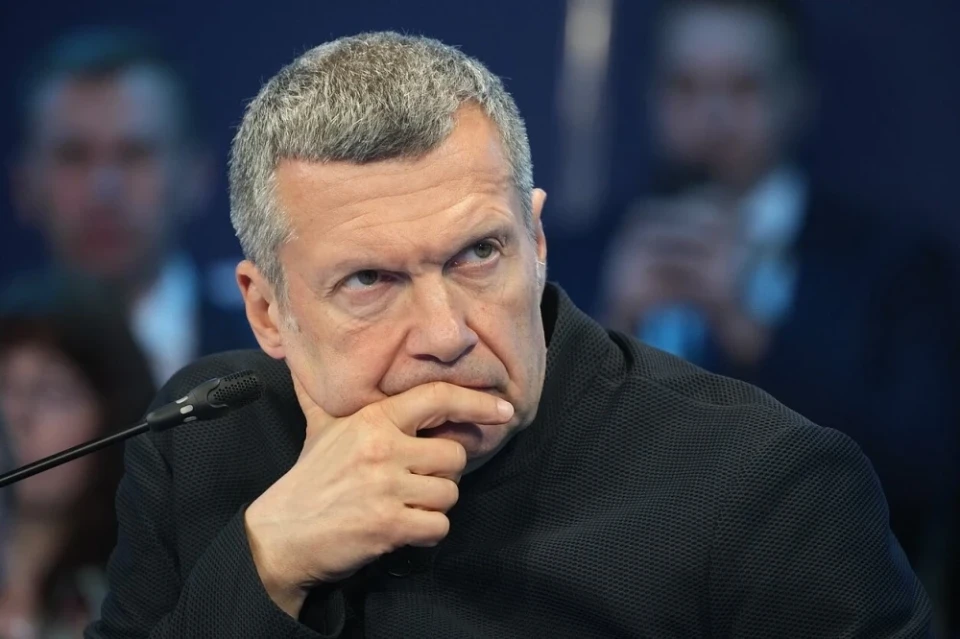
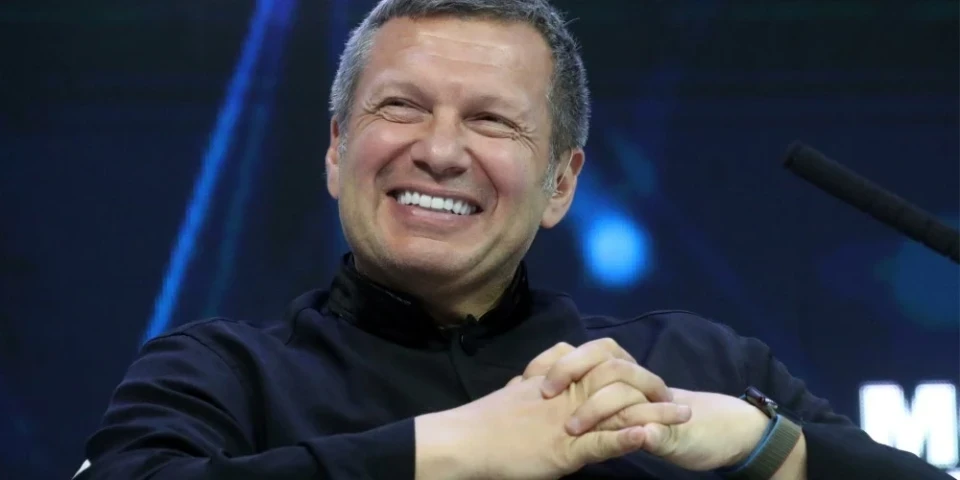
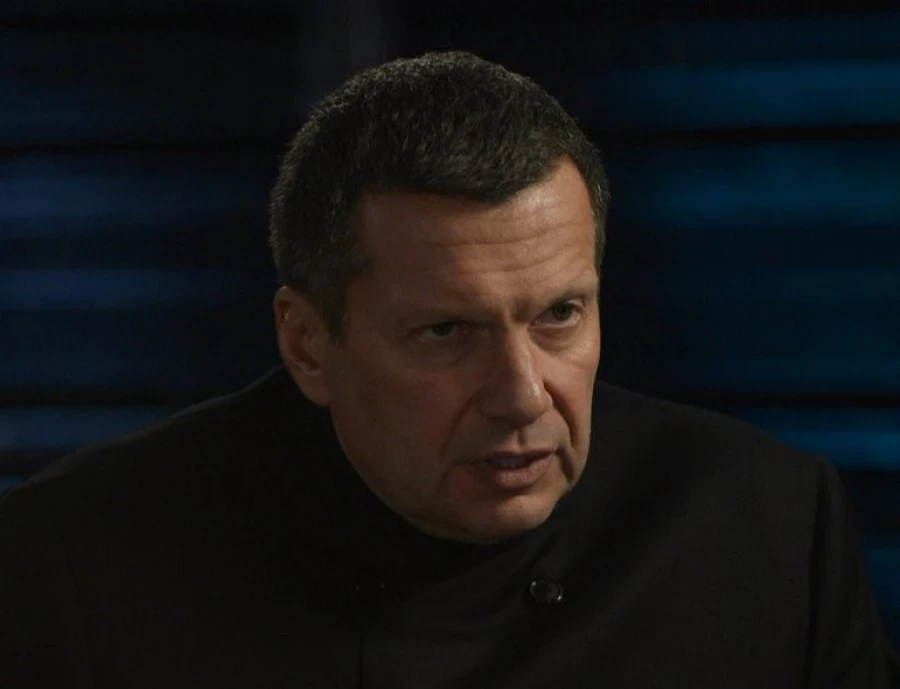
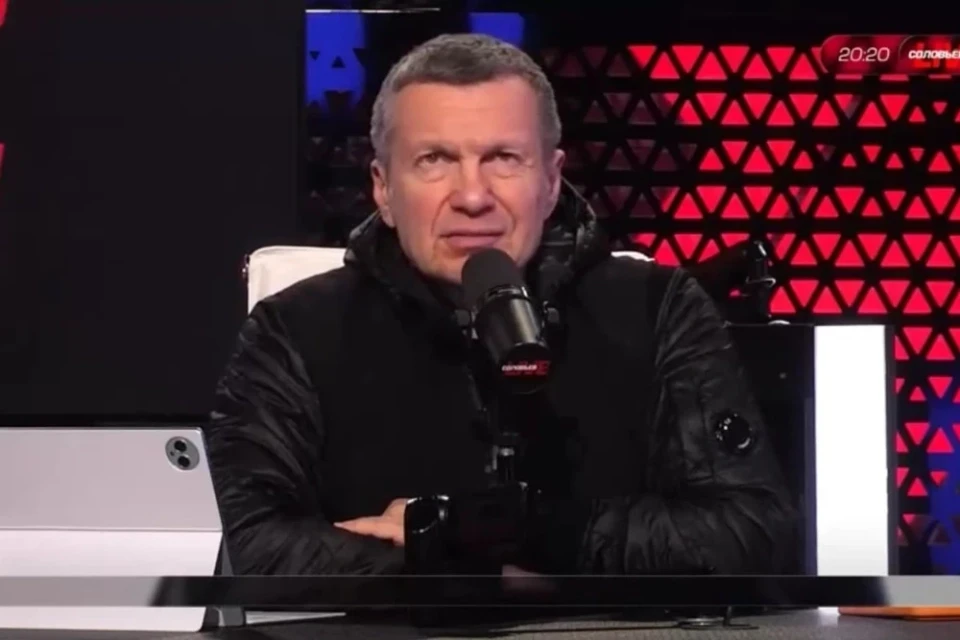
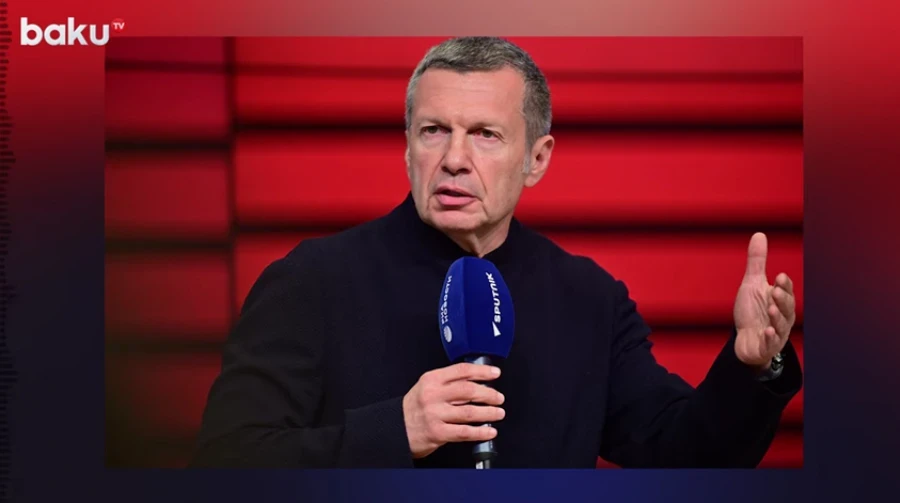
Recent statements by Russian TV presenter Vladimir Solovyov regarding the possibility of conducting "special military operations in other points of the sphere of influence" have provoked a strong reaction among politicians, experts, and scholars in Central Asia, as reported by the Politik portal.
Bobur Bekmurodov, a deputy of the Oliy Majlis of Uzbekistan, noted that the times when the fates of nations were decided by "shouting in TV studios" or by the orders of "older brothers" are long gone. The borders of Central Asian countries are a matter of honor and dignity, and any threats to independence will be met with a decisive and united response. He added that such statements only contribute to turning neighbors into enemies, while the countries of the region have all the necessary resources and determination to defend their territory.
In his comment, Bekmurodov also emphasized: "We don’t care about Solovyov's words. We don’t care about his imperial ambitions. We recommend that he learn the Uzbek expression that translates as 'Play with your nightingale'."
Sherzodkhan Kudratkhodja, rector of the University of Journalism of Uzbekistan, added that Solovyov expressed what had previously been carefully concealed: international law can be ignored, and sovereignty can be considered a formality, turning countries into "spheres of influence." He pointed out that the phrase "Our Asia" is an example of colonial language, where states become objects, and borders are just an obstacle.
Kyrgyz political scientist Yrysbek Osmonov emphasized that Kyrgyzstan is not a territory for conquests, but a sovereign state with a centuries-old history. He noted the cynicism of statements coming from a media figure of a country that is a strategic partner of Kyrgyzstan.
“These statements not only offend. They undermine the trust and friendly relations that we have built over the years. [...] Any talk of 'conquest' is a legacy of colonial thinking and a threat to the foundations of our partnership,” Osmonov noted.
Kazakh political scientist Gaziz Abishev suggested that there may be several motives behind such statements. Among them is an indirect reaction from the Kremlin to the actions of the United States regarding Venezuela and a signal to Central Asia and the Caucasus — "don’t get too carried away, or we will come with fire and sword." It is also possible that this is a personal demarche from Solovyov himself, demonstrating ostentatious militarism from his cozy TV studio.
Abishev noted that such unprovoked attacks against allies can be seen as a violation of ethical norms in international relations. This is especially relevant in conditions where rhetoric that incites hatred already has concrete consequences.
He emphasizes that defining the geopolitical interests of one's country is normal practice; however, preparing society for a possible military confrontation with neighbors is an entirely different matter.
Photo www