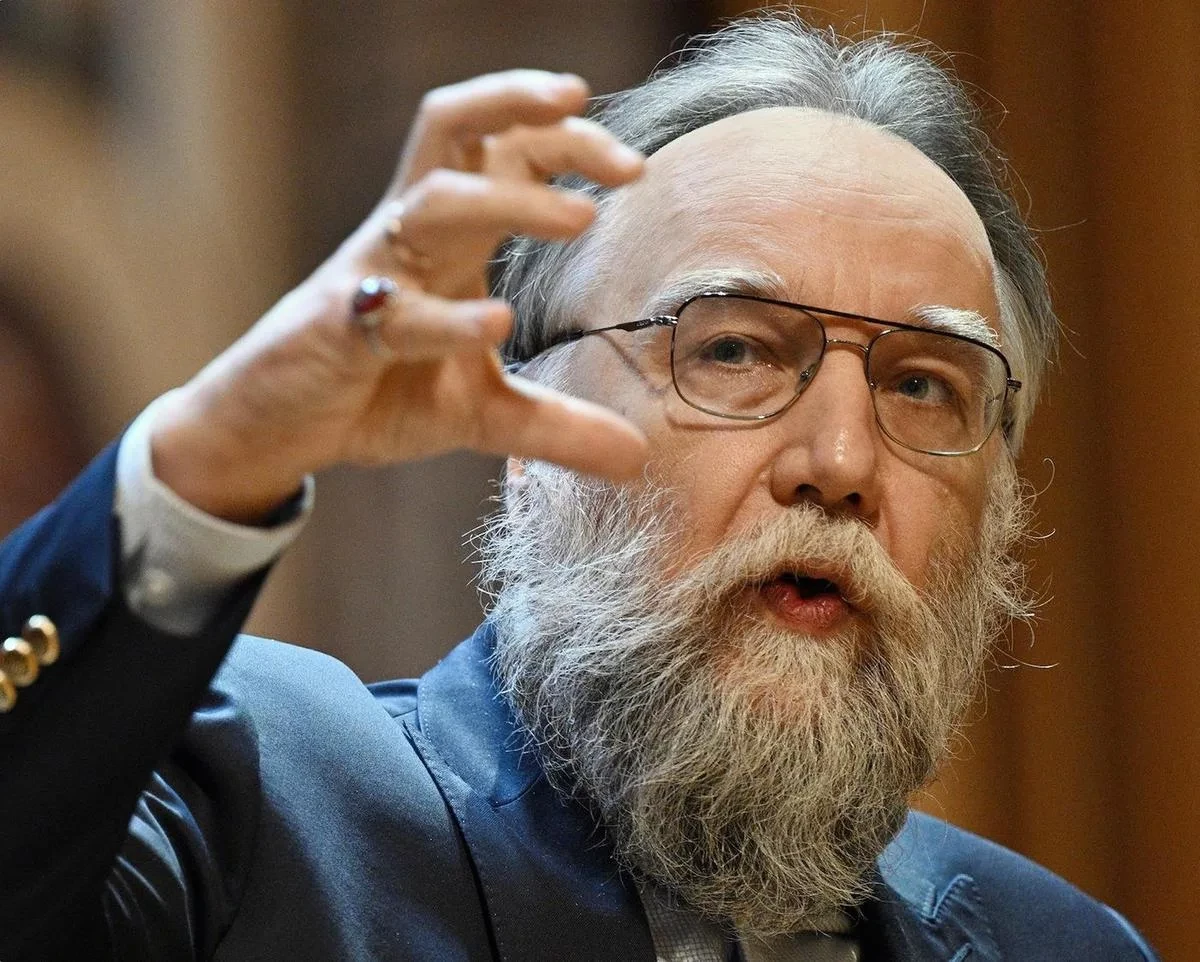
Alexander Dugin, a Russian philosopher and director of the Higher Political School named after I. Ilyin at the Russian State University for the Humanities, expressed the opinion that the countries of Central Asia and the South Caucasus need to integrate into a union with the Russian Federation. He stated: “The sovereignty of Armenia, Georgia, Kazakhstan, and Uzbekistan cannot be accepted — they must choose: either join our camp or become a base for Western or Chinese influence,” reports Gazeta.uz.
According to Dugin, the concept of national states is outdated. He believes that these countries should become part of a single union with Russia. The philosopher voiced his remarks in an episode of the YouTube channel "InfoCelina," published on January 12.
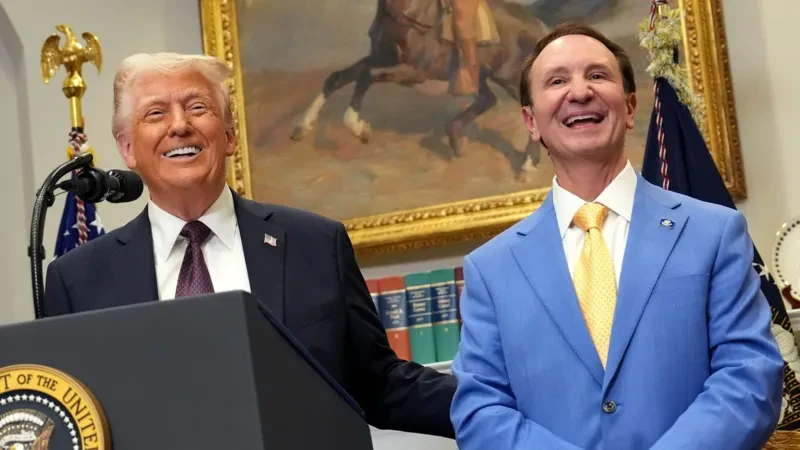
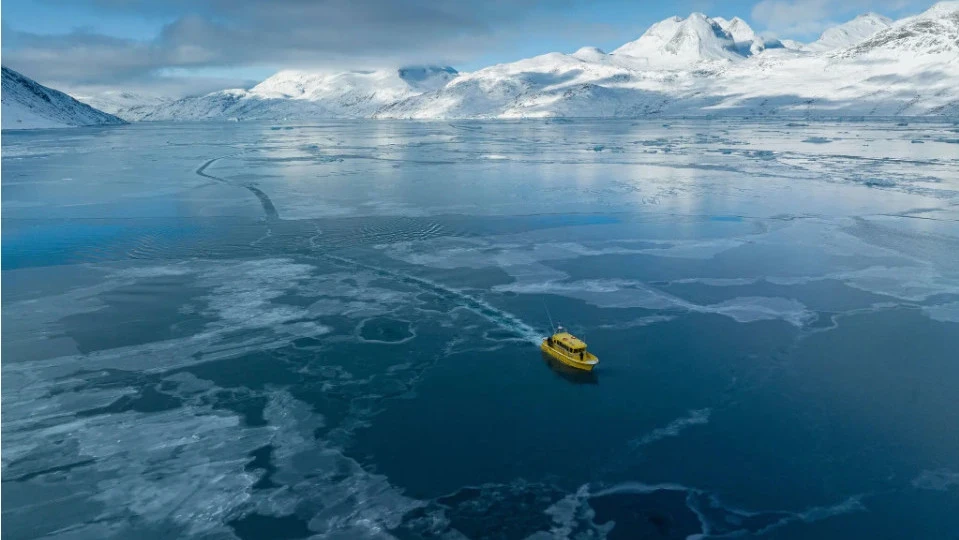
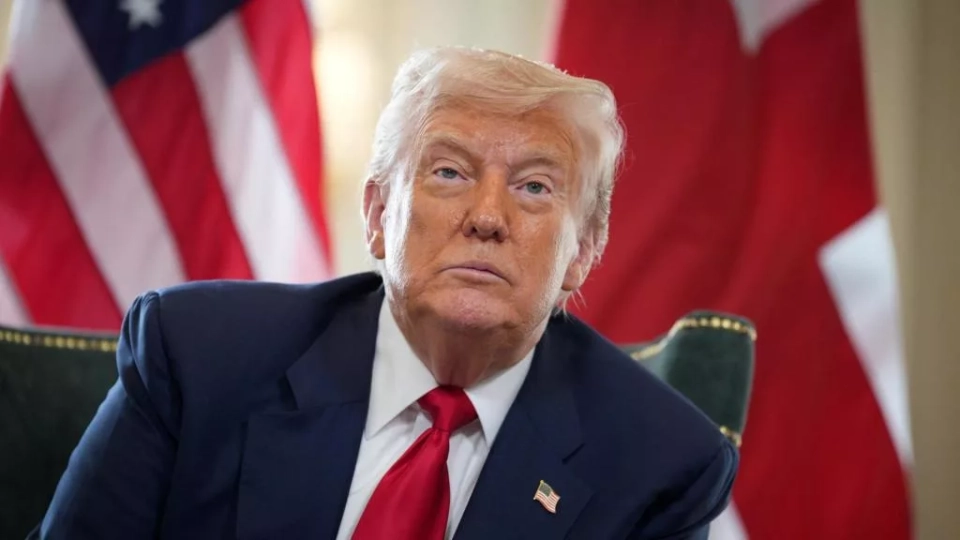
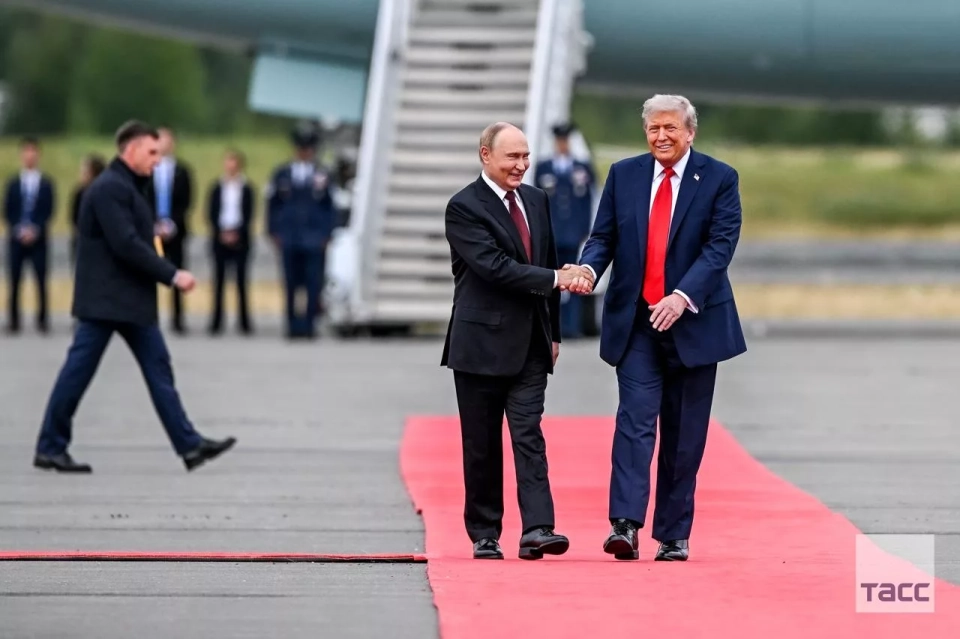
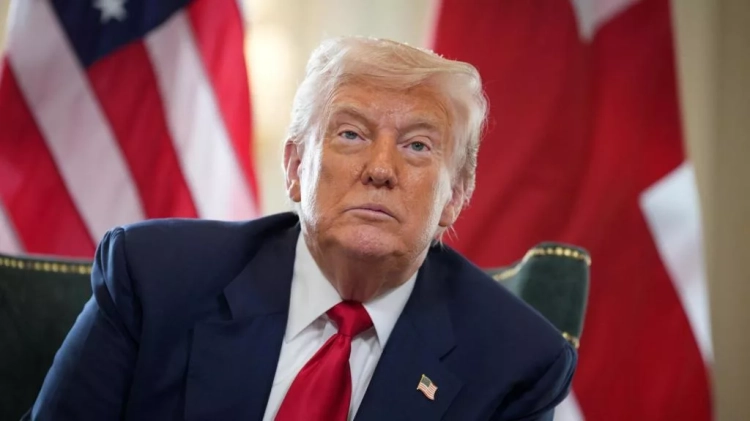
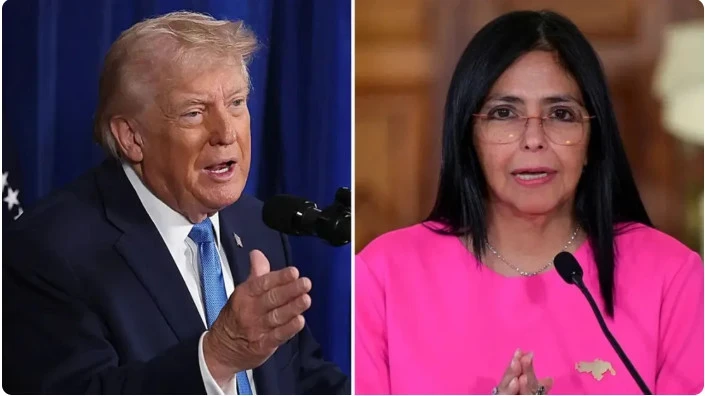
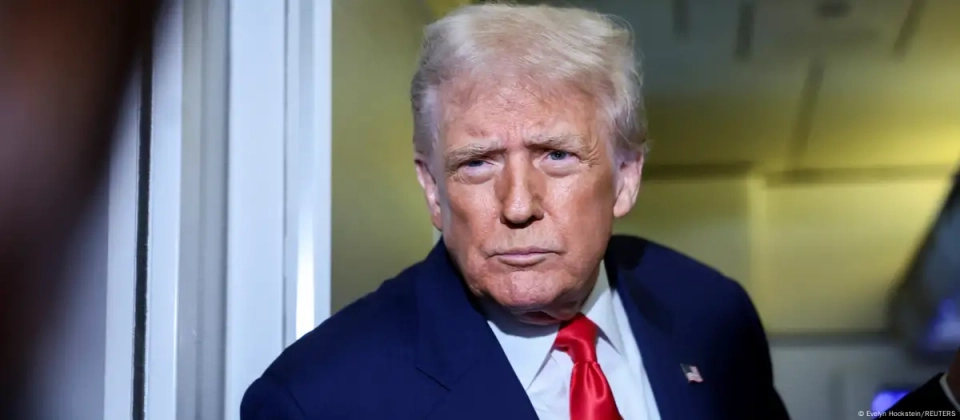
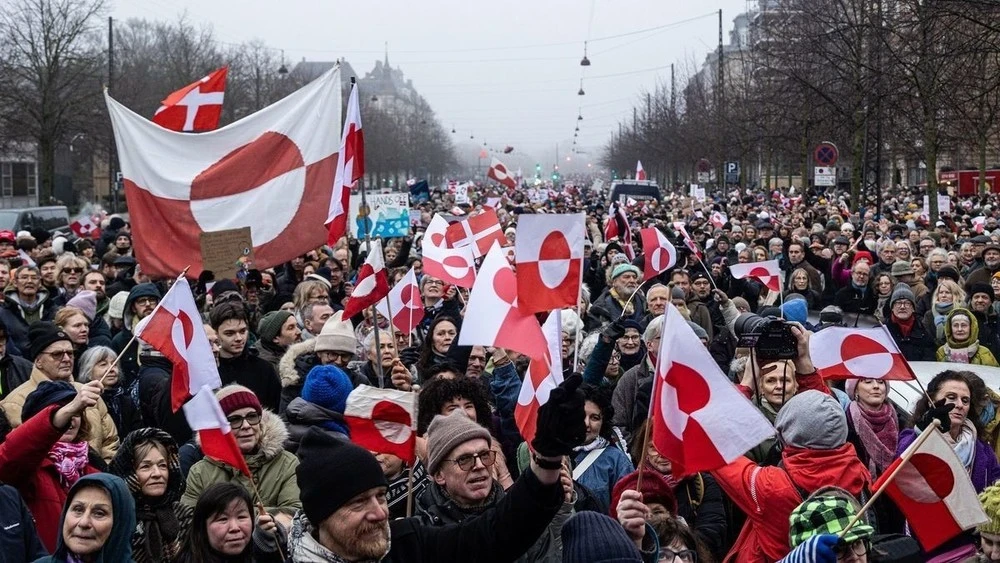
During a discussion about the American military operation against Venezuela and comments by President Donald Trump regarding the sovereignty of Greenland, Dugin noted that “wars begin when international law does not satisfy leading powers.” He also emphasized: “Trump declared that this moment has come, and in essence, he is revising the world according to U.S. interests, which can be considered the beginning of the third world war,” added the philosopher.
“In conditions where international law is ignored, Russia must proclaim itself an empire and abandon compliance with such norms,” he pointed out.
Dugin proposed that Russia create a doctrine of "Eurasia," similar to the Monroe Doctrine, and jointly with China and India proclaim dominance in the Eastern Hemisphere.
“Our goal is to occupy a key position in a tripolar world: to become a sovereign, independent, and powerful state. All territories that we do not take under control will not be able to remain neutral. They will become footholds for other poles, primarily the U.S. Therefore, the existence of sovereignty for Armenia, Georgia, Azerbaijan, Kazakhstan, Uzbekistan, Tajikistan, and Kyrgyzstan cannot be allowed. In this new reality, nothing sovereign can exist. Either they will become part of our union, or they will turn into a springboard for the West or China,” emphasized Dugin.
“Sovereignty is a relic of the past, and for states that do not possess nuclear weapons, it makes no sense,” he added.
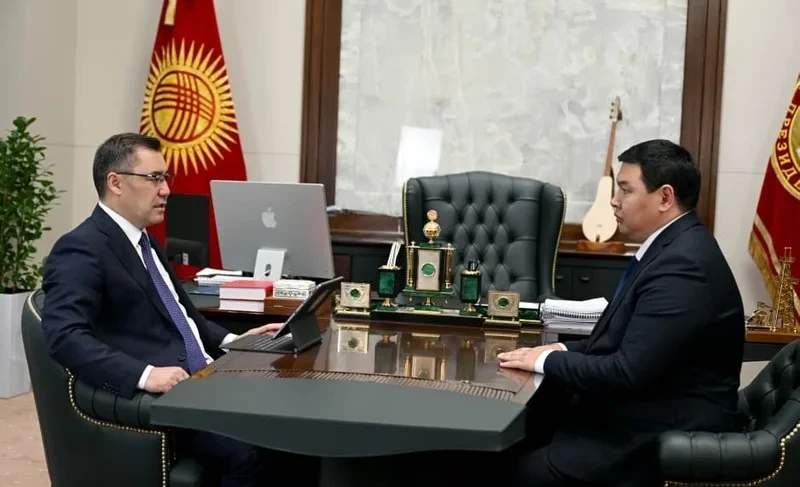
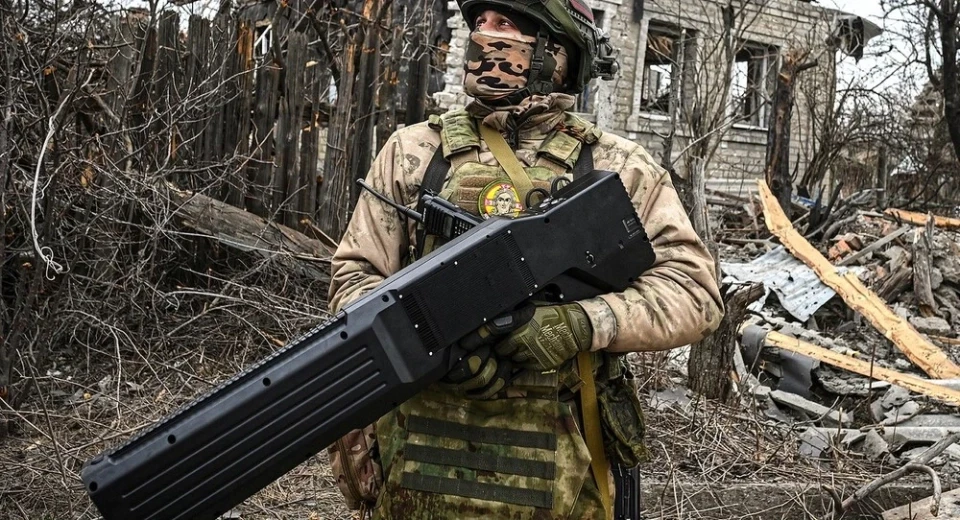
This statement is not the first in recent times to question the independence of Central Asian countries. Last week, Russian television host Vladimir Solovyov mentioned Armenia and Central Asia as zones of Russian influence, the loss of which threatens Russia's security. He posed the question: “If to protect our national security we can start a special military operation in Ukraine, then why not do the same in other zones of our influence?”
The Armenian Ministry of Foreign Affairs reacted to Solovyov's words by summoning the Russian ambassador and delivering a note of protest. The ministry noted that such statements are unacceptable and violate the principles of friendship between Armenia and Russia.
In Kyrgyzstan, against the backdrop of this discussion, there were proposals to declare Solovyov a persona non grata.
Maria Zakharova, a representative of the Russian Ministry of Foreign Affairs, commented on Solovyov's statements, stating that they reflect only his personal opinion and do not represent the official position of Russia. “These words were presented in a provocative light and should not be perceived as the opinion of the state,” she emphasized.