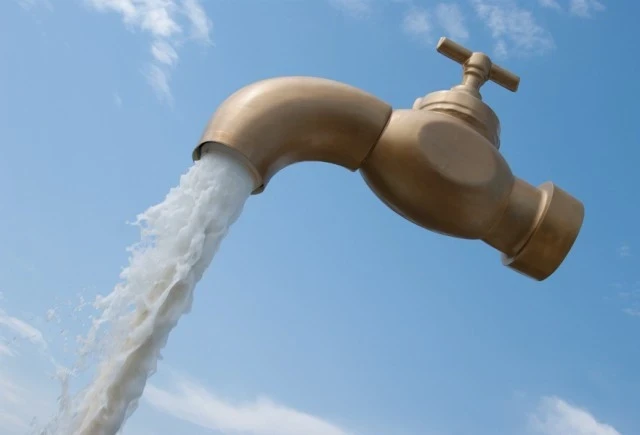
- It is important to learn to conserve water, regardless of weather conditions.
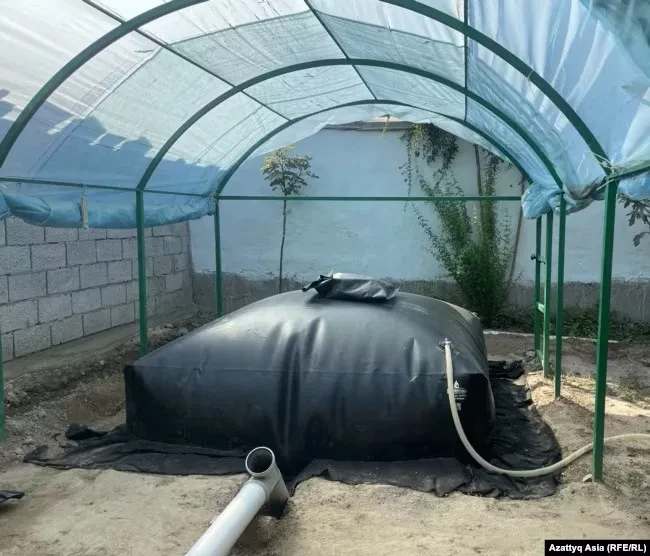
Up to 50% of this vital resource is lost in open irrigation channels. Half of the moisture does not reach the fields, and such losses are catastrophic. Therefore, it is worth investing in the concrete lining of irrigation systems, cleaning of ditches, and the construction of small reservoirs, as well as pools for regulating water resources.
We must do everything possible to ensure that not a single gram or liter of water is wasted.
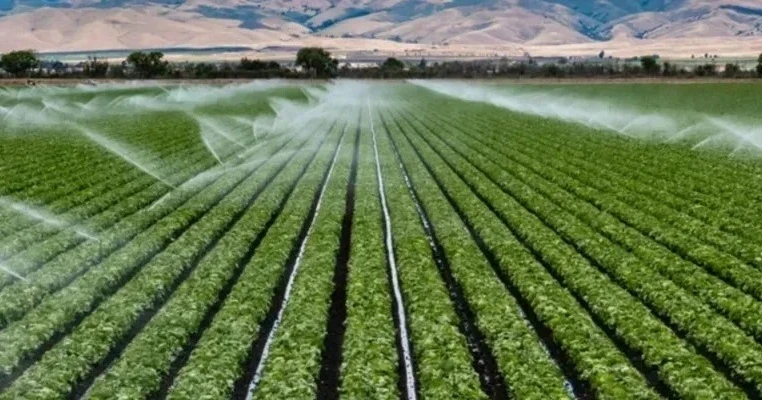
Moreover, to address the current situation, it is necessary to implement modern irrigation methods, such as drip irrigation and sprinkling. However, at the moment, only 1% of irrigated land uses these technologies.
Most of the water is still consumed using old, inefficient methods, without control. This requires urgent attention.
- If half of the moisture is lost in the channels, the situation should be corrected immediately. Additionally, the area of glaciers continues to shrink, and the climate is changing conditions for agriculture and farming?
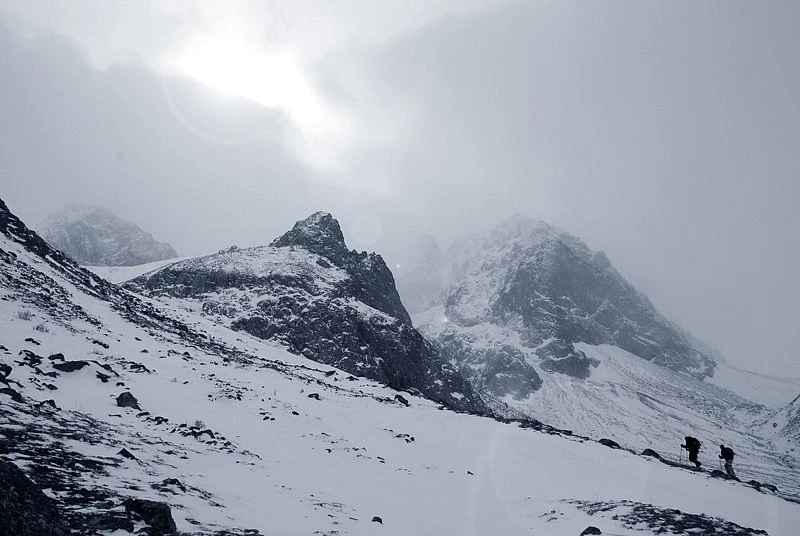
- Certainly, we need to think about the future and how to stop the intense melting of glaciers. For this, we should attract investments through international organizations. Our president has already appealed to the UN, as preserving glaciers is a global task.
Furthermore, it is important to increase the area of forests in mountainous regions, which is decreasing every year. Previously, forests covered 5% of the territory, but now it is only 3%.
We need to actively plant new trees in high-altitude areas, as well as improve the condition of pastures, sow grasses, and use these lands rationally. Currently, 30% of pastures have degraded due to improper use.
We do not have a clear understanding of the rotation of pastures, which also need to rest. It is important to regulate livestock numbers, as there has been a sharp increase in the number of horses and cattle recently, which also needs to be taken into account.
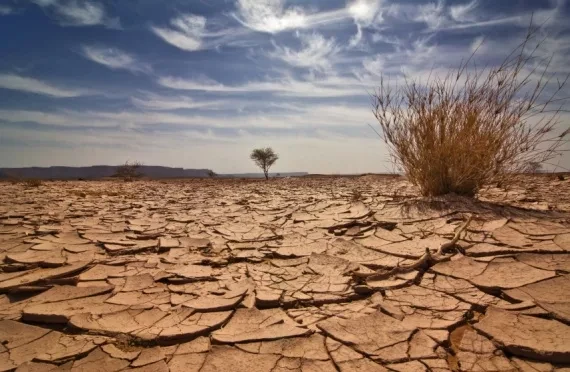
We must prepare for the spring season and do everything possible to cope with potential drought in the summer.
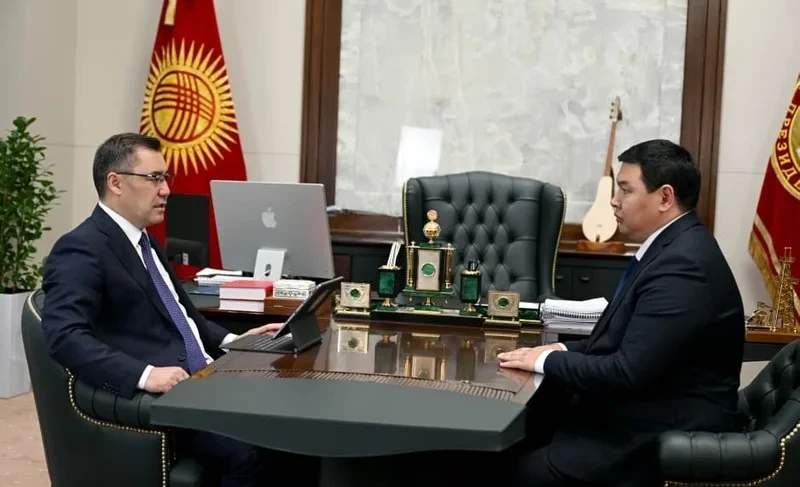
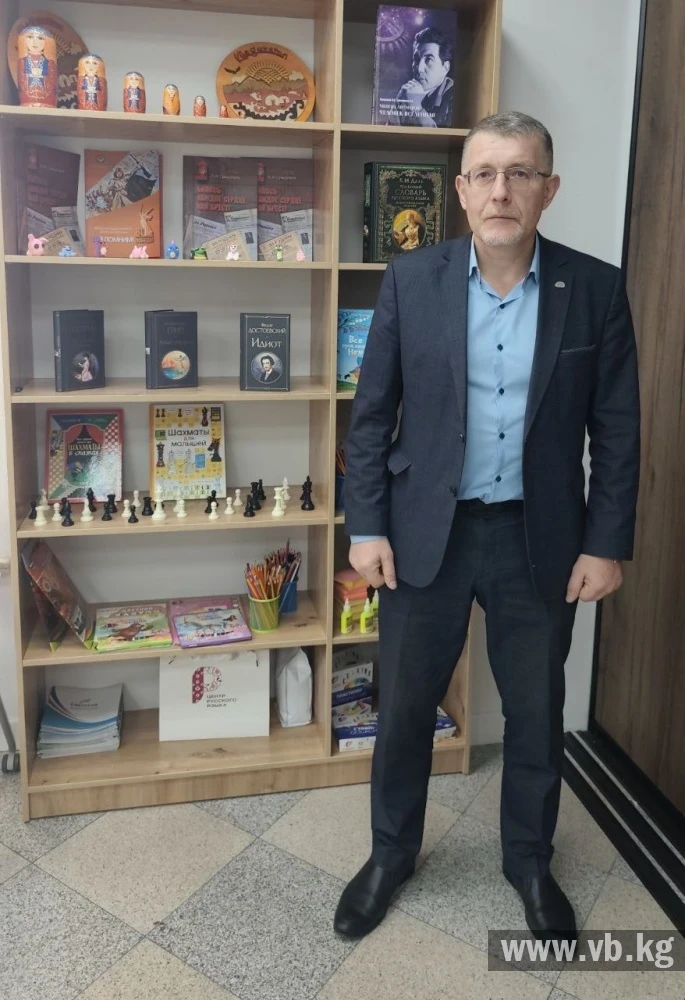
- What are your suggestions as a scientist regarding this?
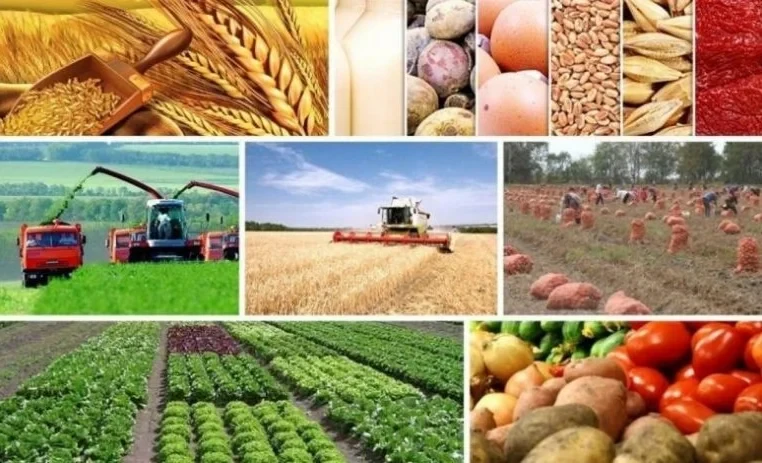
- This year, it is necessary to pay attention to the selection of crops that require less water but still yield high harvests. These include early grain crops.
I believe that this year we need to increase the sown areas for wheat and barley, as we only meet 50% of our bread needs, with the rest having to be imported. This issue needs to be resolved.
Recently, there has been an increase in the purchase of foreign seeds, mainly from Russia and Kazakhstan, but the varieties produced in Russia are not drought-resistant, and the Kazakh varieties yield less than ours.
Therefore, it is necessary to use domestic varieties more widely, which have been developed under the conditions of Kyrgyzstan and are resistant to drought, diseases, and pests. Our scientists and agronomists have worked on breeding these varieties. They include winter wheat varieties – Asyl, Tilek, and Kiyal, as well as spring varieties – Araket, Kasiyet, and Dank.
Additionally, we have developed varieties for cultivation on rain-fed lands, where irrigation is absent, and we have 450,000 hectares of such lands. We have drought-resistant varieties, such as Aydyr, Kairak, and Ehol, which can yield 10-15 quintals per hectare even without irrigation. These varieties need to be used more actively.
It is also important to increase the sowing of spring barley, which is the main feed for livestock. Without barley, it is impossible to obtain meat, milk, and wool. We have excellent varieties of spring and winter barley developed by domestic scientists.
The Ministry of Agriculture urgently needs to organize the production of seeds of domestic varieties adapted to our conditions, rather than relying on imported seeds. Since the soil and climatic conditions of Russia and Kyrgyzstan differ significantly, this must be taken into account.
As for spring sowing, our soil has enough moisture for it. However, the main focus should be on accumulating water for the growing season in the summer and autumn. It is necessary to concentrate on improving water management facilities and constructing new ones.